

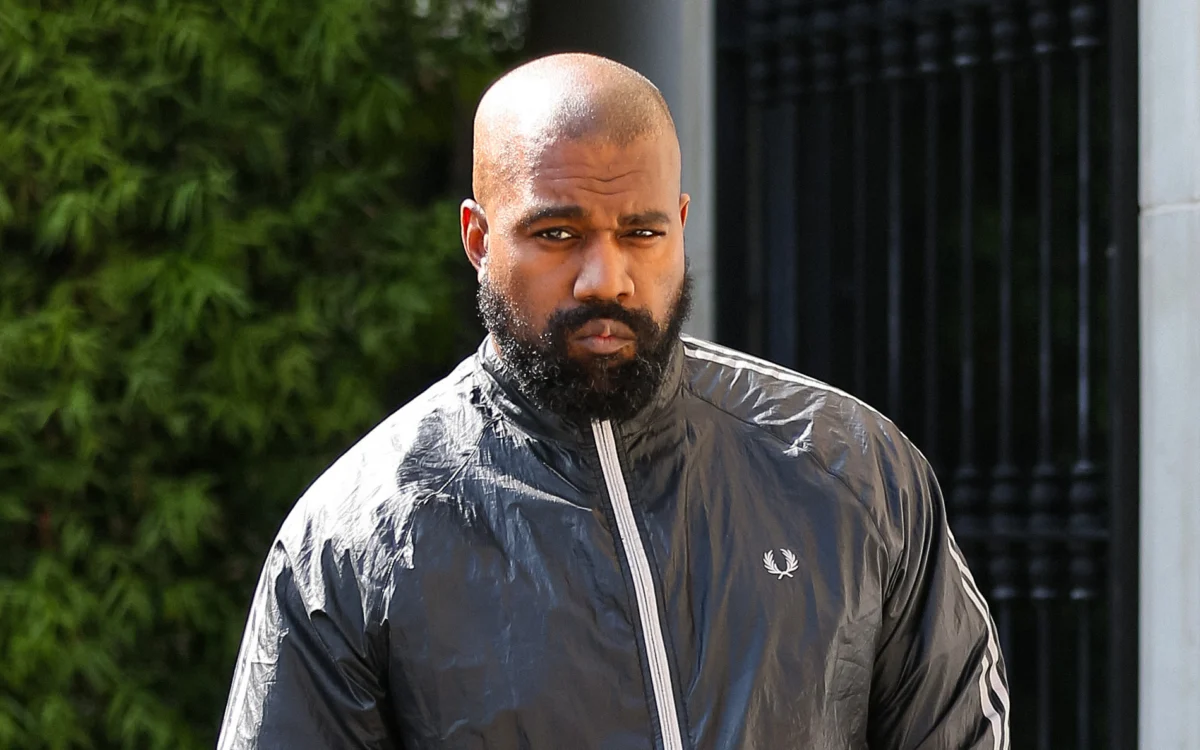
Wireless Festival has been canceled after its headliner, Kanye West, was denied entry into the UK, prompting a swift and decisive response from the Home Office and reverberating through the music industry and public discourse. The London-based rap and R&B festival, a flagship event for the UK’s summer music calendar, announced the abrupt cancellation on Tuesday, April 7, citing the explicit ban imposed on the artist, widely known as Ye. In a statement, the festival organizers stated, "As a result of the Home Office banning YE from entering the United Kingdom, Wireless Festival has been forced to cancel. All ticket holders will receive an automatic full refund." This unprecedented move underscores the significant ramifications of Ye’s recent controversial public statements and their impact on international event planning.
The Home Office’s Decision and Justification
The decision by the UK’s Home Office to deny Kanye West entry was based on the grounds that his presence in the country would not be conducive to the public good. According to reports from the BBC, West submitted an application for an Electronic Travel Authorisation (ETA) on Monday, April 6. This application was subsequently rejected by the Home Office. While the specifics of such immigration decisions are often not fully disclosed, the stated rationale strongly suggests that the government considers West’s public pronouncements, particularly those deemed antisemitic and pro-Nazi, to be a significant risk to public order and social harmony within the United Kingdom. This reflects a growing trend among nations to scrutinize and restrict individuals whose public rhetoric is perceived as harmful or divisive.
Mounting Pressure and Sponsor Withdrawal
The cancellation of Wireless Festival did not occur in a vacuum. It was preceded by intense scrutiny and mounting pressure from various stakeholders, including major corporate sponsors, advocacy groups, and political figures. Several prominent brands, including Pepsi, PayPal, and Diageo, announced their withdrawal of sponsorship for the festival in the days leading up to the announcement. These companies, likely seeking to distance themselves from the controversy and avoid potential reputational damage, played a crucial role in amplifying the concerns surrounding Ye’s booking.
Furthermore, political leaders weighed in on the matter. Prime Minister Sir Keir Starmer described the decision to book West as "deeply concerning," aligning with public sentiment that questioned the ethical implications of featuring an artist with a history of inflammatory remarks at a major public event. The collective pressure from these entities created an untenable situation for the festival organizers, pushing them towards the eventual cancellation.
Kanye West’s Response and Reconciliation Efforts
In the wake of the escalating backlash, Kanye West himself issued a statement on Tuesday, addressing the controversy surrounding his planned performances at Wireless Festival. He expressed his intention to use his platform for positive change, stating, "My only goal is to present a show of change" and "bring unity, peace and love through my music." In an effort to de-escalate the situation and demonstrate a willingness to engage, West also offered to meet with members of the Jewish community in the UK in person to "listen."
This overture was met with a measured response from the Board of Deputies of British Jews. They indicated a willingness to engage with West as part of a "journey of healing," but stipulated that such a meeting would only occur "after he agrees not to play the Wireless Festival this year." This conditional acceptance highlighted the community’s desire for tangible actions and genuine remorse rather than mere statements.
Festival Republic’s Initial Defense of the Booking
Prior to the Home Office’s ban and the festival’s subsequent cancellation, the managing director of Festival Republic, Melvin Benn, had publicly defended the decision to book Kanye West. Benn acknowledged the abhorrent nature of Ye’s past comments regarding Jewish people and Hitler, stating, "What Ye has said in the past about Jews and Hitler is as abhorrent to me." However, he argued that West’s music is widely available and consumed in the UK through commercial radio, streaming services, and downloads without significant public outcry.
Benn emphasized that the festival’s intention was to provide a platform for musical performance, not for the expression of potentially harmful opinions. He asserted that West "has a legal right to come into the country and to perform in this country." Furthermore, Benn appealed for a broader societal consideration of forgiveness and second chances, suggesting, "Forgiveness and giving people a second chance are becoming a lost virtue in this ever-increasing divisive world and I would ask people to reflect on their instant comments of disgust at the likelihood of him performing (as was mine) and offer some forgiveness and hope to him as I have decided to do." This defense, while acknowledging the severity of the artist’s past statements, underscored a philosophical debate about the separation of art from the artist and the potential for redemption.
Chronology of Events Leading to Cancellation
The sequence of events leading to the cancellation of Wireless Festival and Kanye West’s UK ban can be traced through a series of escalating developments:
- Recent Past: Kanye West makes a series of antisemitic and pro-Nazi remarks across multiple platforms, sparking widespread condemnation and leading to significant professional repercussions, including the termination of lucrative brand partnerships.
- Early April: Wireless Festival announces Kanye West as a headliner for its upcoming event, scheduled for July 10-12. This announcement is met with immediate backlash from the public, campaign groups, and sponsors.
- Days Leading Up to April 7: Major sponsors such as Pepsi, PayPal, and Diageo announce their withdrawal from the festival. Political figures, including Prime Minister Sir Keir Starmer, express their disapproval of the booking.
- April 6: Kanye West applies for an Electronic Travel Authorisation (ETA) to enter the UK.
- April 7 (Morning): Kanye West issues a statement addressing the controversy, offering to meet with the Jewish community and promising a "show of change." The Board of Deputies of British Jews responds conditionally.
- April 7 (Afternoon): The UK Home Office rejects Kanye West’s ETA application, citing that his presence would not be conducive to the public good.
- April 7 (Evening): Wireless Festival announces its cancellation due to the Home Office’s ban on Kanye West.
The Broader Impact and Implications
The ban on Kanye West and the subsequent cancellation of Wireless Festival carry significant implications for both the artist and the broader entertainment landscape.
For Kanye West: This marks a severe restriction on his ability to perform and engage with his UK fanbase, a significant market for international artists. The Home Office’s decision sets a precedent for how governments may act against public figures whose rhetoric is deemed harmful. It also signals a further solidification of his pariah status in certain international spheres, despite continued popularity and commercial success in other regions.
For Wireless Festival: The cancellation represents a major financial and reputational blow. The loss of its headliner and the ensuing disruption to ticket holders and vendors highlight the risks associated with booking controversial artists. It also raises questions about the due diligence processes undertaken by festival organizers when selecting talent.
For the Music Industry: The incident underscores the increasing scrutiny faced by artists regarding their public statements and their impact on brand partnerships and event bookings. It suggests a heightened awareness among organizers, sponsors, and government bodies of the need to balance artistic freedom with social responsibility and public perception. The incident may lead to more stringent vetting processes for artists performing at major international events.
For Public Discourse: The controversy surrounding Kanye West’s booking and subsequent ban has reignited debates about freedom of speech, hate speech, and the responsibility of public figures. It highlights the power of social media in mobilizing public opinion and influencing corporate and governmental decisions. The incident serves as a case study in how deeply held societal values can clash with artistic expression, particularly when that expression veers into areas of hate speech and misinformation.
International Travel and Border Control: The Home Office’s decisive action demonstrates the UK’s willingness to utilize its immigration powers to uphold its values and protect its citizens from potentially harmful influences. This may encourage other countries to adopt similar stances in managing the entry of individuals whose public behavior or statements could incite division or prejudice. The decision reflects a more assertive approach to border control concerning individuals whose public persona is deemed detrimental to the social fabric.
Kanye West was slated to headline all three nights of the Wireless Festival, a testament to his star power and the festival’s ambitious programming. His recent performances in Los Angeles, supporting his album Bully, were reportedly sold-out and featured notable guest appearances, indicating his continued draw in the US market. However, the UK’s firm stance suggests that such domestic success does not automatically translate to unimpeded access to international stages when past actions and rhetoric are deemed sufficiently problematic by governmental authorities. The fallout from this situation will likely be felt for some time, shaping how major festivals and artists navigate the complex intersection of entertainment, public opinion, and ethical considerations.
