

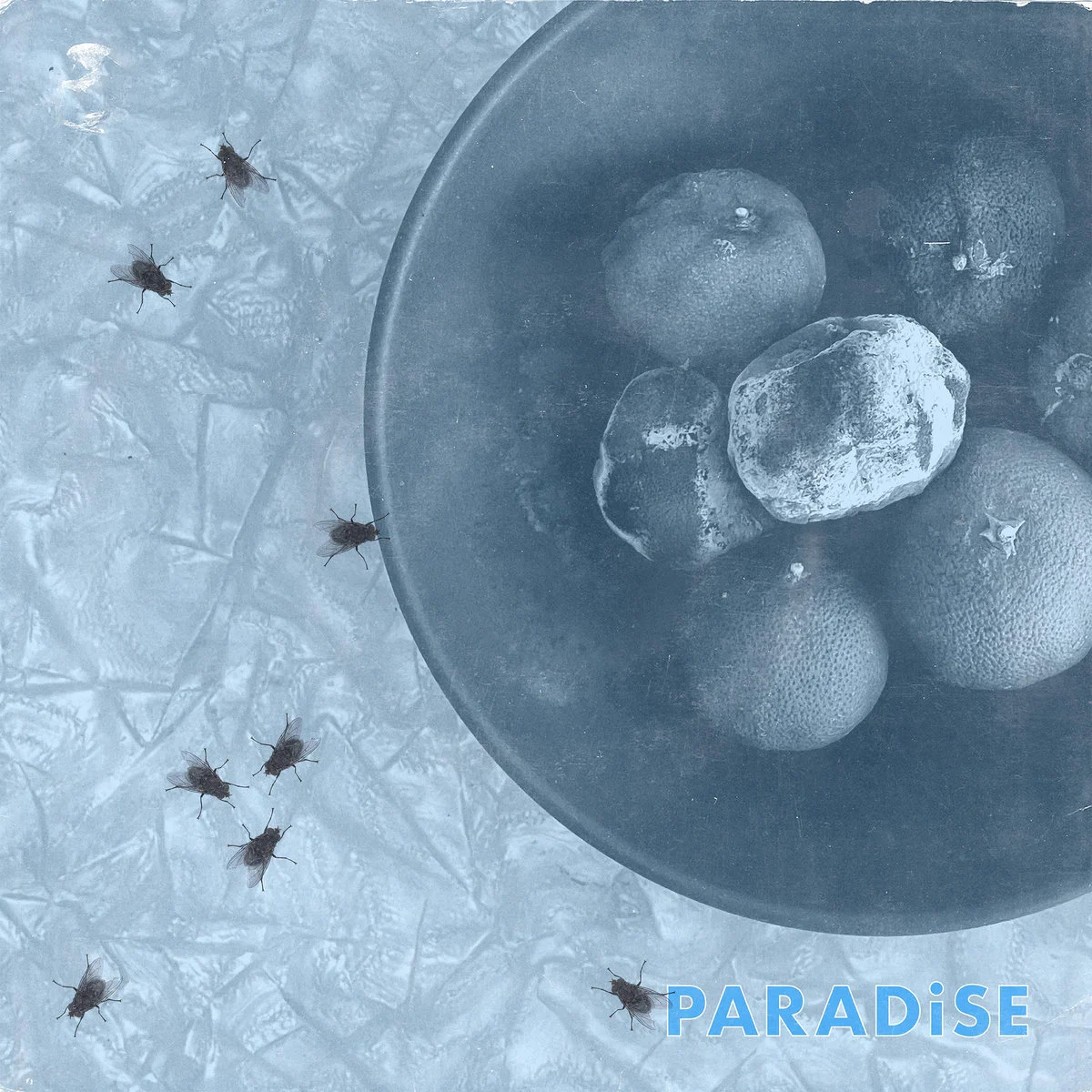
The dynamic Oakland hardcore band Cell Rot is set to release Paradise, the highly anticipated second half of a sprawling, two-part musical project recorded with the renowned punk and metal producer Jack Shirley. Following the critically noted Parasite, which debuted last year, Paradise is scheduled for release on September 25th via Convulse Records. The project, as articulated by the band, delves deep into themes of unchecked consumption, environmental degradation, and societal decay, using the striking linguistic and conceptual resemblance between the words "paradise" and "parasite" as its central metaphor.
The lead single from Paradise, titled "Paradise/Parasite II," immediately establishes the album’s core message with its raw intensity and thematic urgency. Vocalist Kyle’s guttural growls — "Paradise! Searchin’ for your paradise! Parasite! You’re feedin’ like a parasite!" — starkly juxtapose humanity’s pursuit of an idealized existence with the destructive, parasitic tendencies that undermine it. This lyrical directness, combined with Cell Rot’s signature "fast and nasty" sound, positions the album as a potent critique of contemporary society.
The Thematic Core: Consumption and Decay
The conceptual framework for Cell Rot’s two-part project is laid out in a poignant statement released by the band on Bandcamp, which serves as a manifesto for their artistic intent: "Parasite is the first half of a longer project about consumption and decay. Parasites thrive in excess, searching for a paradise to consume. The luxuries of modern man have left the world depleted and inching closer to uninhabitable everyday. A world where the machines we produced have consumed the resources we need while we consume the world of the machines. The only thing that exists now is the parasite, who’s only purpose is to consume, leaving nothing while it waits for nothing to come."
This statement is not merely a lyrical explanation but a philosophical underpinning for the entire work. It posits a cyclical, self-devouring relationship between humanity, its creations, and the natural world. The "luxuries of modern man" are presented not as achievements but as catalysts for depletion, driving the planet towards an uninhabitable future. The metaphor extends to a dystopian vision where even the machines, products of human ingenuity, turn into consumers, mirroring and accelerating humanity’s own parasitic tendencies. This creates a feedback loop of consumption where the distinction between consumer and consumed blurs, culminating in an existence defined by endless, purposeless consumption.
The choice of Parasite and Paradise as album titles is a masterstroke in conveying this duality. "Parasite" evokes an organism that lives off another, often to the host’s detriment, while "Paradise" signifies an ideal state of existence, a utopia. Cell Rot argues that our pursuit of an unsustainable "paradise" has transformed us into "parasites," depleting the very resources that could sustain a genuine Eden. This linguistic and conceptual parallelism underscores the band’s critical outlook on modern societal structures and values.
Cell Rot’s Sonic Aggression: A Vehicle for Critique
Cell Rot’s musical style, characterized by its blistering speed, aggressive vocal delivery, and relentless energy, provides the perfect sonic backdrop for these intense themes. Emerging from the vibrant and historically significant hardcore punk scene of the Bay Area, Cell Rot embodies the genre’s tradition of using extreme sound as a vehicle for social and political commentary. Their "fast and nasty" approach is not merely an aesthetic choice but a deliberate artistic decision to amplify the urgency and gravity of their message. The raw, unpolished power of their music mirrors the visceral anger and despair inherent in their lyrical narratives about environmental collapse and societal self-destruction.
The Oakland hardcore scene itself has a rich lineage, contributing significantly to the broader punk and metal landscape. Bands from this region have often been at the forefront of pushing boundaries both sonically and ideologically. Cell Rot carries this torch, injecting contemporary anxieties into the established hardcore framework, ensuring that the genre remains relevant as a voice for dissent and critical thought. Their sound is designed to be abrasive, challenging listeners not only with its intensity but also with the difficult truths it confronts.
The Jack Shirley Effect: Crafting Raw Power
A crucial element in the realization of Cell Rot’s ambitious project is the involvement of Jack Shirley, an iconic figure in modern punk and metal production. Shirley, known for his work with seminal bands such as Deafheaven, Oathbreaker, Loma Prieta, and countless others, has carved out a reputation for capturing raw, unadulterated energy while maintaining sonic clarity and impact. His production philosophy often emphasizes authenticity and live-room dynamics, eschewing overly polished or synthetic sounds in favor of a more organic, powerful feel.
For a band like Cell Rot, whose sound relies heavily on immediacy and visceral force, Shirley’s expertise is invaluable. He possesses a unique ability to translate the ferocity of a live performance into a studio recording, ensuring that the intensity of the band’s message is not lost in translation. His involvement suggests a deliberate choice to imbue Parasite and Paradise with a sonic weight that matches their thematic gravitas. Shirley’s meticulous approach to capturing instrument separation while maintaining a cohesive, crushing wall of sound is evident in the lead single, where every drum hit, guitar riff, and vocal growl contributes to the overwhelming sense of urgency. The consistent production across both halves of the project, under Shirley’s guidance, will ensure a unified sonic experience, enhancing the narrative flow from Parasite to Paradise.
A Chronology of Critical Reflection: From Parasite to Paradise
The release of Paradise marks the culmination of a carefully planned artistic endeavor that began with Parasite last year. The decision to release the project in two distinct halves, rather than as a single sprawling album, speaks to a deliberate narrative pacing and thematic development. Parasite, released in 2023, introduced the initial concepts of unchecked consumption and its detrimental effects. It laid the groundwork, setting a bleak stage for the unfolding drama of decay.
The staggered release allows listeners to absorb the initial premise before delving into the deeper implications explored in Paradise. The lead single "Paradise/Parasite II" serves as a bridge, explicitly linking the two concepts and acting as a thematic overture to the second album. This strategic rollout builds anticipation and allows for a more thorough engagement with the complex ideas Cell Rot is presenting.
Paradise will be available on September 25th, 2024, through Convulse Records. The tracklist for the forthcoming album is as follows:
01 "Paradise/Parasite II"
02 "User"
03 "Over Soon"
04 "Feed"
05 "Nothing I"
06 "T.B.S."
07 "Cosmic Vertigo"
08 "Pigs"
09 "Looking For Trouble"
10 "Sell Rot"
11 "Nothing II"
12 "Consumed"
The track titles themselves offer further clues into the album’s thematic progression. Words like "User," "Feed," and "Consumed" directly resonate with the parasitic consumption narrative. "Nothing I" and "Nothing II" suggest a progression towards emptiness, a void left by relentless depletion, directly aligning with the Bandcamp statement’s conclusion: "leaving nothing while it waits for nothing to come." "Sell Rot" is a clever play on the band’s name, possibly hinting at the commodification of decay or the inherent rot within commercial systems. These titles are not merely labels but narrative signposts, guiding the listener through Cell Rot’s dystopian vision.
Convulse Records: A Platform for Uncompromising Sound
Cell Rot’s choice of Convulse Records as the label for Paradise is significant. Convulse Records has established itself as a respected independent label within the hardcore and extreme music scenes, known for championing bands that deliver raw, uncompromising sound and often politically charged messages. The label’s roster typically features acts that prioritize intensity, authenticity, and a DIY ethos, making it a fitting home for Cell Rot’s potent blend of aggression and social commentary.
A label like Convulse Records provides more than just distribution; it offers a community and a platform that understands and values the nuances of hardcore punk. This partnership ensures that Cell Rot’s message reaches an audience receptive to their uncompromising sound and critical perspective, amplifying their voice within a scene that historically serves as a crucial outlet for dissent and alternative thought.
Broader Implications and Cultural Resonance
Cell Rot’s Parasite and Paradise project transcends mere musical releases; it functions as a stark cultural commentary on some of the most pressing issues of our time. The band’s critique of unchecked consumption and environmental degradation resonates deeply in an era marked by escalating climate concerns, resource scarcity, and growing societal anxiety about the future. By intertwining these themes with the visceral energy of hardcore punk, Cell Rot taps into a long tradition of protest music that uses art to challenge the status quo and provoke critical thought.
The dual album structure allows for a nuanced exploration of these complex themes, moving beyond simple condemnation to a more intricate analysis of cause and effect, paradise lost, and the self-inflicted wounds of humanity. In a world saturated with information yet often lacking in genuine introspection, Cell Rot’s work serves as an urgent wake-up call, delivered with uncompromising force. Their music encourages listeners to confront uncomfortable truths about their own roles in a system that often prioritizes short-term gain over long-term sustainability.
As Paradise prepares for its release, it is poised to not only solidify Cell Rot’s standing within the contemporary hardcore scene but also contribute a powerful, unflinching voice to the ongoing global discourse about our collective future and the urgent need for a reevaluation of our relationship with the planet and each other. The project stands as a testament to the enduring power of extreme music as a form of social critique and a catalyst for introspection.
