

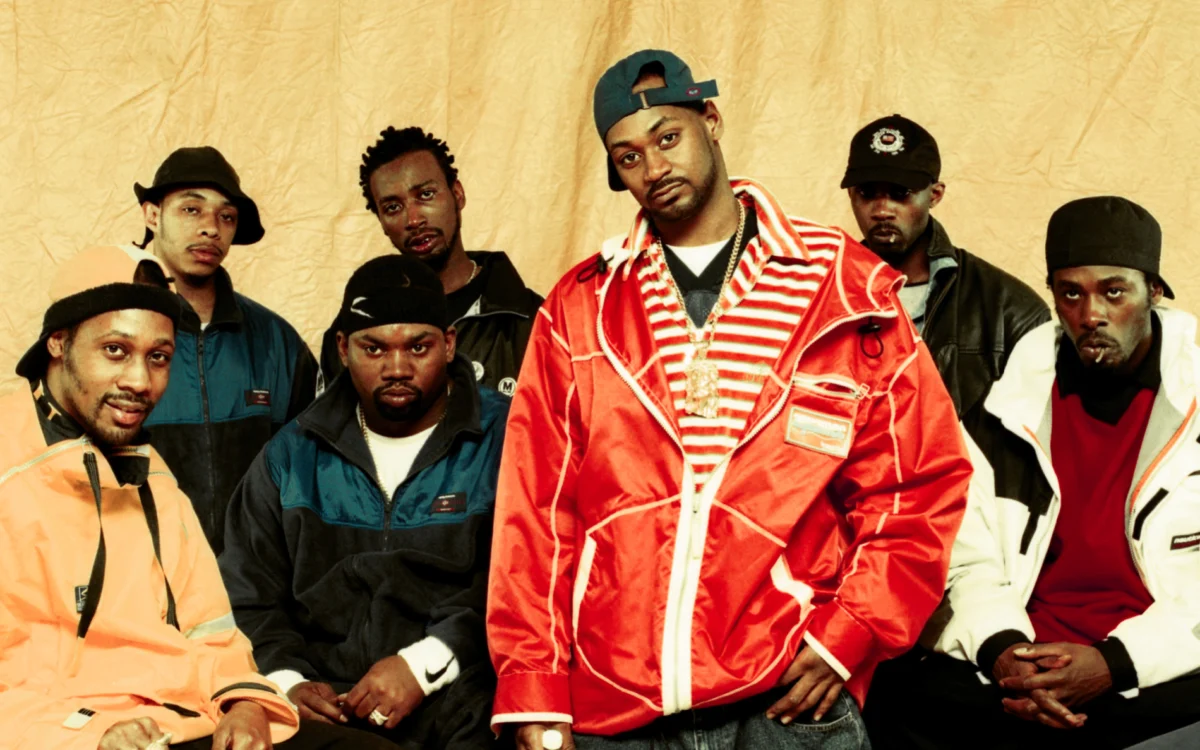
The legendary Wu-Tang Clan has officially earned a coveted spot in the Rock & Roll Hall of Fame, marking a significant milestone for hip-hop’s enduring influence on the broader music landscape. The announcement of the Class of 2026 inductees was made on Monday, April 13, celebrating a diverse group of artists whose contributions have shaped generations. Alongside the Staten Island collective, the esteemed list includes musical titans such as Sade, Luther Vandross, Oasis, Iron Maiden, Phil Collins, Billy Idol, and the influential Joy Division/New Order.
This induction is particularly resonant as it underscores hip-hop’s growing recognition within an institution historically rooted in rock music. The Wu-Tang Clan’s unique sound, characterized by its raw lyricism, complex storytelling, and innovative production, has consistently pushed boundaries and inspired countless artists across genres. Their inclusion signifies a broader acceptance and appreciation of hip-hop’s artistic merit and its profound cultural impact.
Adding to the historic day for hip-hop, fellow rap pioneers Queen Latifah and MC Lyte will also be honored with the "Early Influence" award. This special recognition acknowledges their groundbreaking work and their roles as trailblazers who paved the way for future generations of artists, not only in music but also in broader cultural spheres. Their contributions have been instrumental in elevating hip-hop from a subculture to a global phenomenon.
The formal induction ceremony is scheduled to take place on November 14 at the prestigious Peacock Theater in Los Angeles. This highly anticipated event will be broadcast in December on ABC and will also be available for streaming on Disney+. The ceremony promises to be a star-studded affair, bringing together artists from various musical eras to celebrate their achievements and contributions to the art of music.
A Legacy Forged in Shaolin: The Wu-Tang Saga
The Wu-Tang Clan’s journey to the Rock & Roll Hall of Fame is a testament to their unwavering dedication, artistic integrity, and the sheer power of their collective vision. Formed in Staten Island, New York, in the early 1990s, the group, consisting of RZA, GZA, Ol’ Dirty Bastard, Method Man, Raekwon, Ghostface Killah, Inspectah Deck, U-God, Masta Killa, and the late, great DJ Scratch, revolutionized hip-hop with their debut album, Enter the Wu-Tang (36 Chambers), released in 1993. This seminal work, known for its gritty authenticity, martial arts-inspired mythology, and RZA’s innovative production, immediately set them apart and laid the foundation for their enduring legacy.
The group’s impact extends beyond their own discography. The Wu-Tang model, which allowed individual members to pursue successful solo careers while maintaining their group identity, became a blueprint for many subsequent hip-hop acts. Albums like Raekwon’s Only Built 4 Cuban Linx…, GZA’s Liquid Swords, and Ghostface Killah’s Ironman are considered classics in their own right, further solidifying the Wu-Tang brand’s unparalleled influence.
Reflections from the Architects of the Wu
The news of their induction has been met with profound emotion and gratitude from the members of the Wu-Tang Clan. RZA, the group’s mastermind and primary producer, took to Instagram to express his elation. "In all Humility. This announcement filled me with joy, proudness, profound achievement, and awe," he wrote. "I’m grateful to all my brothers and those who helped us on the path. Thank you Rock & Roll Hall of Fame. This is a true Triumph – Wutang Forever." His heartfelt words capture the immense significance of this honor, not just for the group but for the entire hip-hop culture they represent.
Fellow Wu-Tang member Raekwon echoed this sentiment, highlighting the historical weight of the achievement. "History books will know this club! this my grammy. what we talking bout! haaaaaaaaaaa. shout out to all our mothers who birth these men. they won tonite," he declared, emphasizing that this recognition is akin to the highest accolades in music. GZA, known for his intricate lyrical prowess, acknowledged the collaborative spirit that propelled them forward: "We couldn’t have reached this milestone without our hip hop predecessors, fans, collaborators, friends and family. We thank you." These statements underscore the collective effort and the deep sense of community that has defined the Wu-Tang Clan throughout their career.
A Growing Hip-Hop Presence in the Hall of Fame
The induction of Wu-Tang Clan, Queen Latifah, and MC Lyte further expands hip-hop’s representation within the Rock & Roll Hall of Fame. With these additions, there are now a total of 18 hip-hop acts who have been enshrined in the Hall. This growing number reflects the genre’s undeniable impact on popular music and culture globally.
The journey of hip-hop into the Rock & Roll Hall of Fame began in 2007 with the induction of Grandmaster Flash and the Furious Five. Since then, numerous pioneers and influential artists have followed, including Run-DMC, Beastie Boys, Public Enemy, and N.W.A. More recent inductees who have cemented hip-hop’s place include JAY-Z, Eminem, 2Pac, The Notorious B.I.G., OutKast, Missy Elliott, and A Tribe Called Quest. Furthermore, artists like LL Cool J, Salt-N-Pepa, and DJ Kool Herc have been recognized through the "Early Influence" or "Musical Excellence" categories, underscoring the multifaceted contributions of hip-hop artists.
The Selection Process and Notable Omissions
The Rock & Roll Hall of Fame induction is determined by a voting body comprised of over 1,200 inductees, historians, and music industry professionals. This year’s nomination list also included other highly respected artists such as Lauryn Hill, Mariah Carey, and Shakira. While these artists have undoubtedly made significant contributions to music, they did not receive enough votes to secure induction in this cycle. The selection process is rigorous, and the competition for a place in the Hall of Fame is always intense, reflecting the vast and rich tapestry of musical talent that has shaped modern music.
Broader Implications and the Future of Hip-Hop Recognition
The induction of the Wu-Tang Clan into the Rock & Roll Hall of Fame carries significant implications for the perception and validation of hip-hop as a legitimate and enduring art form. It serves as a powerful endorsement of the genre’s artistic merit, cultural significance, and its undeniable influence on the global music scene. As hip-hop continues to evolve and diversify, its presence in institutions like the Rock & Roll Hall of Fame is crucial for ensuring its historical preservation and its continued recognition as a vital component of musical history.
This milestone also highlights the ongoing conversation about representation and inclusivity within music’s most prestigious halls. The inclusion of hip-hop artists, particularly those who have championed social commentary and cultural expression, signifies a broader understanding of what constitutes "rock and roll" and its evolving definition to encompass a wider range of genres and voices.
The Wu-Tang Clan’s induction is not merely an acknowledgment of past achievements; it is a celebration of their lasting impact and a testament to the power of their music to transcend time and genre boundaries. Their inclusion ensures that their unique contribution to the sonic and cultural landscape will be remembered and celebrated for generations to come, inspiring future artists and solidifying hip-hop’s indelible mark on the world of music. The Class of 2026 stands as a powerful reminder of the diverse and dynamic forces that continue to shape the evolution of music.
