

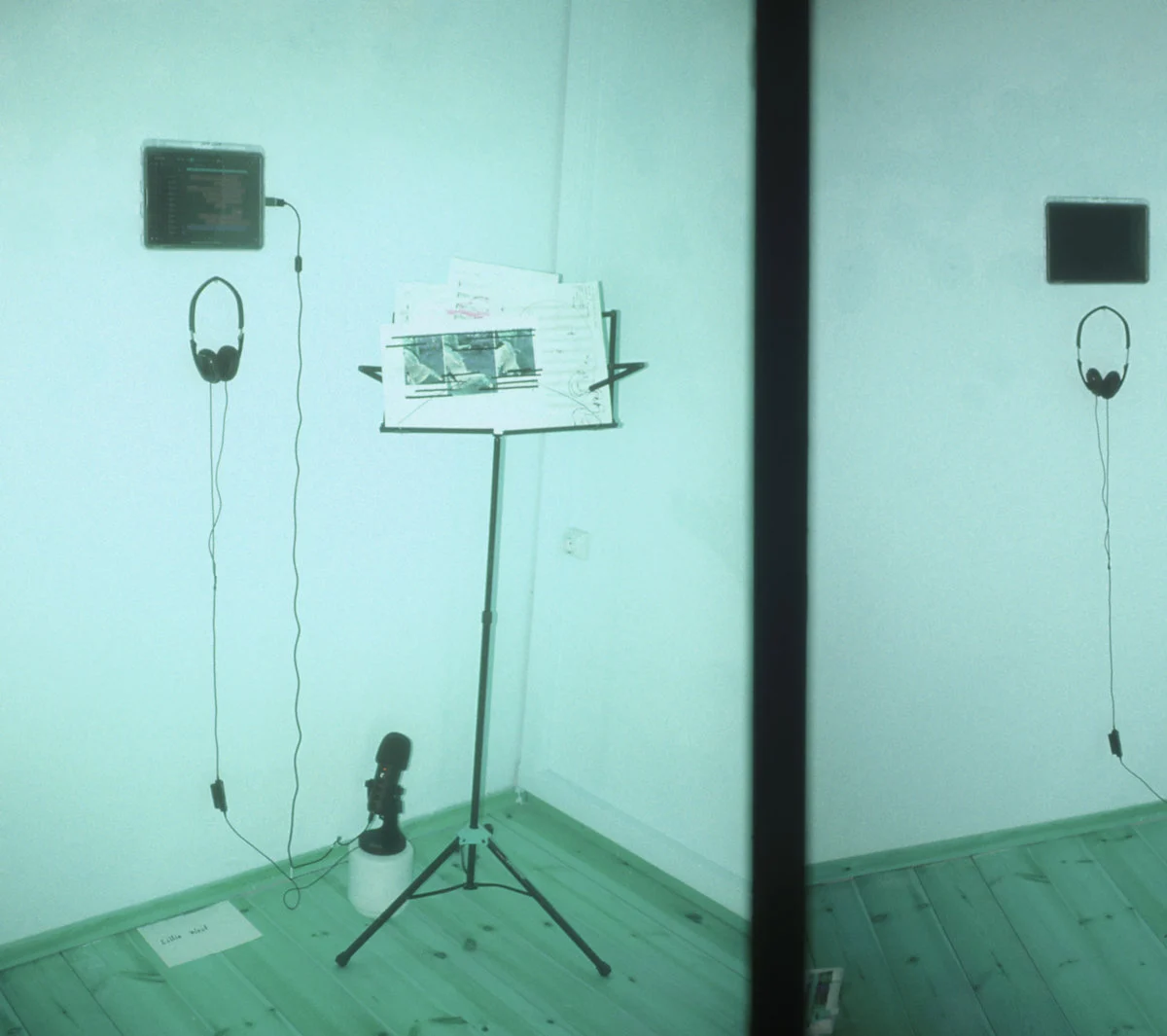
Lillie West, the acclaimed nomadic indie artist known by her moniker Lala Lala, has surprised her dedicated fanbase and the broader music community with the unannounced release of Wall Tongue, a new instrumental piano LP. This unexpected offering follows a prolific period for West, who earlier this year delivered her latest full-length record, Heaven 2, and in 2024 also shared the intriguing instrumental project, if i were a real man i would be able to break the neck of a suffering bird. The sudden appearance of Wall Tongue was announced via West’s Instagram, where she revealed its origins: a transformative artist residency undertaken in Agios Ioannis, Greece, during the summer of 2024. Accompanying the digital release is a highly limited physical edition of 70 cassettes, catering to collectors and ardent supporters of her evolving artistry.
The Evolving Landscape of Lala Lala’s Artistry
Lillie West has carved a distinctive niche within the contemporary independent music scene since her debut, characterized by a poignant blend of raw introspection, sonic experimentation, and an often-evolving sound palette. Initially emerging with a more punk-inflected indie rock aesthetic, her work as Lala Lala has consistently demonstrated a willingness to push boundaries and explore new creative territories. Albums like The Lamb (2018) garnered critical acclaim for their candid lyricism and compelling melodies, while I Want The Door To Open (2021) showcased a significant expansion in production and sonic ambition, incorporating more layered arrangements and collaborative elements.
Her most recent major release, Heaven 2, further cemented her reputation for dynamic artistic growth. Critics lauded its depth and emotional resonance, noting West’s continued refinement of her songwriting craft. However, alongside these more traditional album cycles, West has a documented history of embarking on what she playfully refers to as "side quests." These ventures often manifest as projects that diverge significantly from her main body of work, offering glimpses into different facets of her musical interests and capabilities. The 2024 instrumental album, if i were a real man i would be able to break the neck of a suffering bird, served as a notable precursor to Wall Tongue, demonstrating a profound interest in non-vocal, purely atmospheric composition. This earlier instrumental work, devoid of her characteristic lyrical narratives, hinted at a deeper exploration of soundscapes and mood, setting the stage for the minimalist piano compositions now presented in Wall Tongue. These "side quests" are not mere diversions but rather integral components of West’s artistic development, allowing her to experiment without the commercial pressures often associated with a primary album release.
The Genesis of Wall Tongue: A Greek Retreat
The creation of Wall Tongue is intrinsically linked to Lillie West’s participation in an artist residency at the Mudhouse Residency in Agios Ioannis, Greece, during the summer months of 2024. Artist residencies are programs that offer artists dedicated time, space, and often resources to focus on their creative work, away from the distractions and demands of everyday life. They provide an environment conducive to deep artistic immersion, fostering experimentation, collaboration, and intense periods of production. For many artists, these retreats are crucial for rejuvenation, developing new ideas, or completing significant projects.
West described her experience at Mudhouse Residency as "a very idyllic experience," a sentiment that strongly suggests the tranquil and inspiring nature of the setting profoundly influenced the album’s character. Agios Ioannis, typically a picturesque coastal village, offers a backdrop of natural beauty, likely contributing to a sense of calm and introspection. In such an environment, the focus shifts from external pressures to internal creative impulses. For a musician, this could mean uninterrupted hours at an instrument, allowing for spontaneous composition and the development of thematic material free from external deadlines or genre constraints. The choice of a piano as the sole instrument for this project underscores a desire for purity and direct expression, possibly reflecting the stripped-down, essential nature of the residency experience itself.
The Mudhouse Residency, like many similar programs globally, aims to provide artists with a supportive framework that encourages artistic innovation. Participants often live and work within a communal setting, though with ample private space for individual focus. This balance can be incredibly fruitful, allowing for both solitary creation and informal exchange of ideas. For West, this meant the freedom to explore the piano as a primary compositional tool, an instrument less central to her previous, more band-oriented work, but one that offers immense expressive potential for mood and melody. The "idyllic" nature of her stay suggests a deep connection to the place, its atmosphere, and the creative freedom it afforded, all of which are likely embedded within the sonic fabric of Wall Tongue.
Musical Direction and Stylistic Implications
Wall Tongue marks a distinct stylistic pivot for Lala Lala, moving away from the indie rock and experimental pop leanings of her main albums towards a purely instrumental, piano-centric sound. This shift is significant, as it highlights West’s versatility and her ongoing commitment to exploring diverse musical expressions. The decision to record an entire album solely on piano suggests an interest in minimalism, ambient textures, or perhaps even a contemporary classical approach, though filtered through her unique artistic lens.
Given her previous instrumental foray with if i were a real man i would be able to break the neck of a suffering bird, which featured more abstract and atmospheric sound design, Wall Tongue might offer a more melodic or structured exploration of instrumental music. A piano album can evoke a wide range of emotions and imagery through dynamics, harmony, and rhythm alone, without the guiding hand of lyrics. The title itself, Wall Tongue, is evocative and open to interpretation. It could suggest the resonance of sound within confined spaces, the silent communication emanating from architectural structures, or even a metaphor for unspoken thoughts and internal monologues finding voice through music. This introspective quality aligns well with the personal and often vulnerable nature of West’s lyrical work, even when presented instrumentally.
The implications for her broader artistic trajectory are manifold. This project could be seen as an isolated experiment, a way to cleanse the creative palate before returning to her more familiar sound. Alternatively, it might signify a new direction, with piano compositions potentially influencing future Lala Lala albums, either through direct integration or a more subtle shift in harmonic or melodic sensibilities. For an artist known for evolution, Wall Tongue serves as another testament to her refusal to be confined by expectations, instead prioritizing artistic curiosity and personal growth. It challenges listeners to engage with her music on a different level, focusing purely on the emotional and aesthetic qualities of the sound itself.
The Strategic Choice of Release: Surprise and Scarcity
The unannounced release of Wall Tongue aligns with a growing trend in the music industry where artists, particularly independent ones, opt for surprise drops. This strategy bypasses traditional promotional cycles, generating immediate buzz and fostering a direct, unfiltered connection with the audience. For an artist like Lillie West, who maintains a strong online presence and a dedicated following, Instagram serves as an effective, low-cost platform for direct communication, enabling her to share news and insights instantly. This direct-to-fan approach underscores the empowering nature of digital distribution for independent artists, allowing them to control their narrative and release schedule without the lengthy lead times often imposed by major labels.
Perhaps even more notable than the surprise digital release is the decision to offer Wall Tongue on a highly limited run of only 70 cassettes. In an era dominated by digital streaming, the resurgence of physical media, particularly vinyl and cassettes, speaks to a desire for tangible artifacts and a more immersive listening experience. Cassettes, in particular, evoke a sense of nostalgia for a past era of music consumption, offering a unique sonic warmth and a tactile engagement that digital files cannot replicate.
The scarcity of this physical release—just 70 units—transforms each cassette into a coveted collector’s item. This strategy caters to the most devoted fans, creating an immediate sense of exclusivity and urgency. It rewards early adopters and those who follow West’s work closely, deepening their connection to her artistry. Furthermore, the choice of Bandcamp as the primary platform for both digital sales and cassette distribution is significant. Bandcamp is renowned for its artist-friendly policies, offering a higher percentage of sales directly to the musicians compared to other digital storefronts. This aligns perfectly with the independent ethos that defines Lillie West’s career, ensuring that the financial support from her fanbase directly contributes to her continued creative endeavors. The limited cassette run is not just a marketing gimmick; it’s a deliberate artistic statement about value, connection, and the enduring appeal of physical media in a digital world. It transforms the act of acquiring the album into a more meaningful experience for the listener.
Broader Implications for the Independent Music Scene
Lillie West’s approach with Wall Tongue offers valuable insights into the evolving landscape of the independent music scene. Her ability to consistently produce varied projects, from full-length albums to instrumental "side quests" and surprise releases, exemplifies the flexibility and artistic freedom available to independent artists today. This contrasts sharply with the often rigid album cycles and extensive promotional campaigns typically associated with major label releases. West’s model demonstrates that sustained artistic output, driven by genuine creative impulse rather than market demands, can cultivate a highly engaged and loyal audience.
Artist residencies, such as the Mudhouse Residency, play a crucial role in enabling this kind of artistic freedom. They provide essential periods of focused creation, removed from financial pressures and daily distractions. For independent artists who often balance their creative work with other jobs or responsibilities, these residencies can be transformative, allowing for deep dives into new ideas and techniques. The increasing availability and popularity of such programs underscore their importance in nurturing diverse artistic voices and contributing to a rich cultural ecosystem.
Moreover, West’s reliance on direct communication channels like Instagram and artist-friendly platforms like Bandcamp highlights the democratizing power of technology for independent musicians. These tools allow artists to bypass traditional gatekeepers, connect directly with their audience, and retain greater control over their intellectual property and revenue streams. The success of a niche, instrumental piano album released with minimal fanfare and a highly limited physical run is a testament to the strength of an artist’s brand and the loyalty of their fanbase in the digital age. It suggests a future where artistic merit and authentic connection can thrive outside the conventional structures of the music industry.
Anticipated Reception and Future Trajectory
While Wall Tongue is a surprise release, its distinct character is likely to generate a variety of reactions. Fans accustomed to Lala Lala’s lyrical prowess and indie-rock sensibilities might initially be surprised by the purely instrumental piano format. However, given West’s history of artistic exploration, many are likely to embrace this new direction as another facet of her expansive talent. Critics, too, will likely view Wall Tongue through the lens of West’s broader discography, evaluating it as a bold experiment that enriches her overall artistic narrative. Its success will not necessarily be measured in chart positions but in its contribution to her artistic evolution and its resonance with listeners seeking a more contemplative and atmospheric musical experience.
The release of Wall Tongue raises intriguing questions about Lala Lala’s future trajectory. Will this piano-centric exploration remain an isolated project, or will its influences subtly seep into her subsequent full-band releases? Could this mark the beginning of a parallel artistic path, where West periodically releases instrumental works alongside her lyrical albums? The precedent set by if i were a real man i would be able to break the neck of a suffering bird suggests that these instrumental ventures are more than mere detours; they are integral to her creative process and ongoing self-discovery as an artist. Regardless of what comes next, Wall Tongue stands as a powerful testament to Lillie West’s relentless artistic curiosity, her commitment to authentic expression, and her ability to consistently surprise and engage her audience through innovative and deeply personal musical offerings. It solidifies her position as a compelling and ever-evolving voice in contemporary independent music.
