

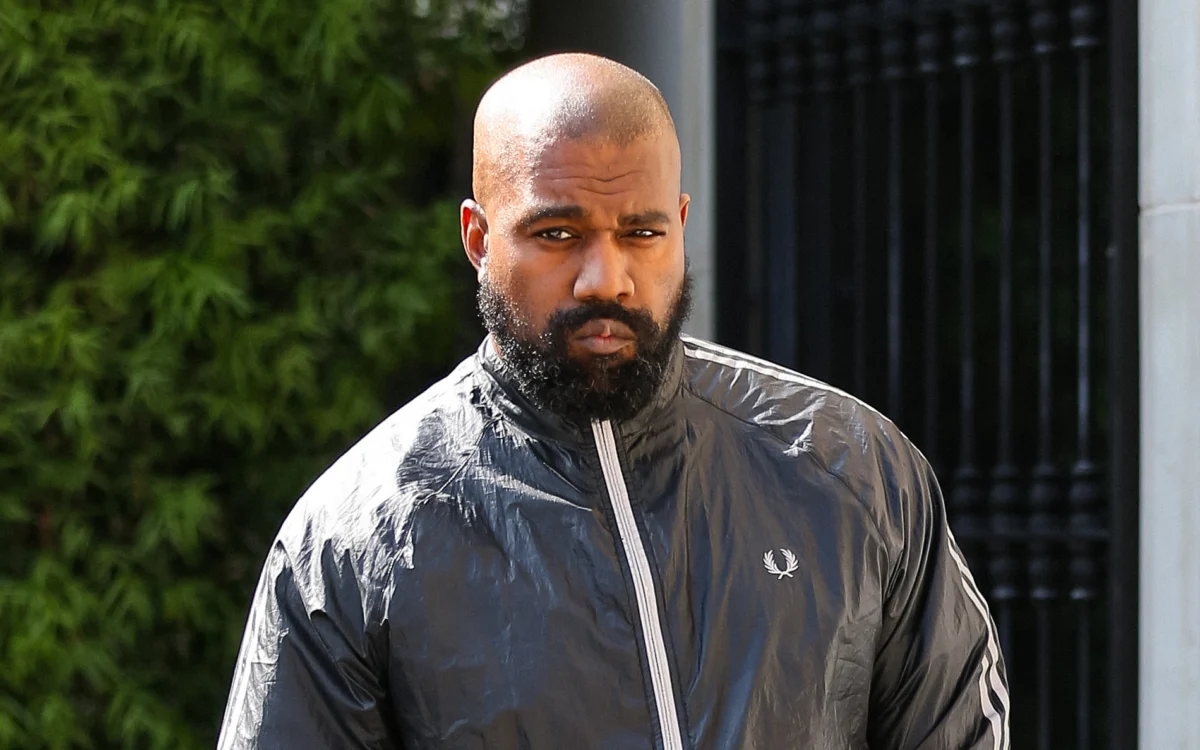
Wireless Festival has been canceled following the United Kingdom Home Office’s decision to deny entry to its headliner, Kanye West. The London-based festival, renowned for its showcase of contemporary rap and R&B talent, announced the abrupt cancellation on Tuesday, April 7th. In a statement released to the public, Wireless Festival confirmed the devastating news: "As a result of the Home Office banning YE from entering the United Kingdom, Wireless Festival has been forced to cancel. All ticket holders will receive an automatic full refund." This unexpected development has sent ripples through the music industry and festival circuit, leaving thousands of ticket holders disappointed and raising significant questions about artist bookings and accountability in the modern entertainment landscape.
A Cascade of Controversy Leads to UK Exclusion
The precipice of this cancellation was a direct consequence of mounting pressure from a coalition of influential entities, including major corporate sponsors, prominent campaign groups, and even high-ranking political figures within the UK. Their collective outcry stemmed from the festival’s decision to headline the event with the artist, widely known as Ye, a move that became increasingly untenable in light of his persistent antisemitic and pro-Nazi remarks disseminated in recent years. The festival’s initial stance to proceed with Ye as its sole headliner had ignited widespread condemnation, highlighting a growing intolerance for hate speech within the public sphere.
The financial repercussions of this controversy were swift and severe. Several key sponsors, including global giants such as Pepsi, PayPal, and Diageo, announced their withdrawal from their sponsorship agreements with Wireless Festival in the days leading up to the ban. This exodus of financial backing underscored the significant reputational risk associated with associating with an artist whose public statements have caused profound offense and harm. The gravity of the situation was further amplified by comments from Prime Minister Sir Keir Starmer, who publicly labeled the booking as "deeply concerning," signaling a clear disapproval from the highest levels of government.
The Official Verdict: Home Office Intervention
According to reports from the BBC, Kanye West submitted an application for an Electronic Travel Authorisation (ETA) on Monday, April 6th, seeking permission to enter the United Kingdom. The Home Office, however, reviewed his application and ultimately rejected it. The official grounds for this rejection were cited as the belief that the artist’s presence in the country "would not be conducive to the public good." This decision reflects a stringent approach by the UK government to immigration matters, particularly when an individual’s past actions and public statements are deemed to be in direct conflict with national values and public order. The "conducive to the public good" clause in immigration law allows for the refusal of entry to individuals whose presence is considered detrimental to society, a criterion that appears to have been met in Ye’s case.
Ye’s Response and the Board of Deputies’ Stance
Earlier on the same Tuesday that the festival was ultimately canceled, Kanye West issued a public statement in an attempt to address the burgeoning backlash surrounding his planned Wireless Festival performances. In his statement, Ye articulated his intention to present a "show of change" and aimed to "bring unity, peace and love through my music." He also extended an offer to meet with "members of the Jewish community in the UK in person, to listen."
This olive branch was met with a measured yet firm response from the Board of Deputies of British Jews. In their official reply, they stated, "We are willing to meet Kanye West as part of his journey of healing, but only after he agrees not to play the Wireless Festival this year." This conditional acceptance highlights the community’s desire for genuine remorse and concrete action over mere pronouncements, emphasizing that a public performance, especially at such a prominent event, would be seen as an endorsement of or a platform for his controversial views, rather than a step towards reconciliation.
Festival Republic’s Initial Defense and Shifting Landscape
In a development that now appears to have been a precursor to the inevitable, Melvin Benn, the managing director of Festival Republic, the company responsible for organizing Wireless Festival, had previously defended the decision to book Ye. In a statement issued prior to the UK ban and the festival’s cancellation, Benn acknowledged the abhorrent nature of Ye’s past comments. He stated, "What Ye has said in the past about Jews and Hitler is as abhorrent to me." However, he then proceeded to argue that Ye’s music remains widely accessible and enjoyed by millions through commercial radio stations, live streams, and downloads in the UK. Benn contended that Ye "has a legal right to come into the country and to perform in this country."
Benn’s defense focused on the distinction between artistic performance and the endorsement of personal opinions. He asserted, "We are not giving him a platform to extol opinion of whatever nature, only to perform the songs that are currently played on the radio stations in our country and the streaming platforms in our country and listened to and enjoyed by millions." He also invoked the principle of forgiveness, adding, "Forgiveness and giving people a second chance are becoming a lost virtue in this ever-increasing divisive world and I would ask people to reflect on their instant comments of disgust at the likelihood of him performing (as was mine) and offer some forgiveness and hope to him as I have decided to do." This defense, while attempting to separate the artist from his art and advocate for redemption, ultimately failed to quell the storm of public and official disapproval.
Chronology of Events Leading to Cancellation
The sequence of events that culminated in the cancellation of Wireless Festival and the ban of Kanye West from the UK can be pieced together as follows:
- Recent Past: Kanye West makes a series of antisemitic and pro-Nazi remarks across various public platforms, sparking widespread outrage and condemnation globally.
- Announcement of Wireless Festival Headliner: Wireless Festival confirms Kanye West as a headliner for its upcoming event, drawing immediate criticism from the public, media, and advocacy groups.
- Sponsorship Withdrawals: Major sponsors, including Pepsi, PayPal, and Diageo, begin to pull their financial support for Wireless Festival in protest of Ye’s booking.
- Political Condemnation: UK political figures, including Prime Minister Sir Keir Starmer, publicly express their disapproval of the festival’s decision.
- Kanye West’s Statement: Ye issues a statement offering an apology and a desire for reconciliation, proposing to meet with members of the Jewish community.
- Board of Deputies Response: The Board of Deputies of British Jews conditionally accepts the offer for a meeting, contingent on Ye withdrawing from the festival.
- Home Office Intervention: Kanye West applies for an Electronic Travel Authorisation (ETA) to enter the UK.
- Rejection of ETA: The Home Office denies Ye’s ETA application, citing that his presence would not be conducive to the public good.
- Festival Cancellation: Wireless Festival officially announces its cancellation due to the Home Office’s decision to ban Kanye West from entering the UK.
Broader Implications and Analysis
The cancellation of Wireless Festival and the UK ban on Kanye West carry significant implications for the music industry, the role of festivals as cultural platforms, and the broader societal discourse surrounding hate speech.
Firstly, the incident serves as a stark reminder of the increasing accountability expected of artists and the organizations that platform them. In an era of heightened social consciousness and rapid information dissemination, public figures can no longer operate with impunity. The swift and decisive action by the UK Home Office, influenced by a chorus of public and corporate disapproval, signals a tightening of boundaries regarding acceptable public discourse.
Secondly, the case raises complex questions about the role of festivals. While intended as spaces for artistic expression and cultural celebration, they are increasingly scrutinized for the values they implicitly endorse through their programming. The pressure on Wireless Festival highlights the delicate balance between artistic freedom and the responsibility to uphold ethical standards and avoid amplifying harmful ideologies. The financial viability of festivals is intrinsically linked to their public image and the trust of their sponsors and attendees, making them particularly vulnerable to the fallout from controversial artist bookings.
Thirdly, the events underscore the power of collective action and advocacy. The coordinated efforts of campaign groups, sponsors, and political figures played a crucial role in influencing the outcome. This demonstrates the capacity of civil society to hold powerful entities accountable and shape public policy and corporate behavior.
Finally, the situation prompts reflection on the nature of redemption and forgiveness in the public sphere. While Ye’s offer to meet with the Jewish community and his statement about bringing "unity, peace and love" indicate a potential desire for change, the response from the Board of Deputies suggests that genuine reconciliation requires more than just words. It necessitates a demonstrable commitment to learning, atonement, and the cessation of harmful rhetoric. The legal and ethical frameworks surrounding immigration and public safety are being tested by the intersection of celebrity, free speech, and the imperative to protect vulnerable communities from hate.
Kanye West was slated to headline all three nights of Wireless Festival, scheduled for July 10, 11, and 12. This cancellation represents a significant loss for festival-goers and a financial blow to the organizers. Meanwhile, the artist has recently experienced considerable success on home soil, with two sold-out performances at Los Angeles’ SoFi Stadium in support of his album Vultures. These shows featured a star-studded lineup of guest artists, including Lauryn Hill, Travis Scott, and Don Toliver, indicating that his artistic appeal within certain segments of the music industry remains robust. However, the UK’s decision marks a significant international repercussion for his controversial public persona.
