

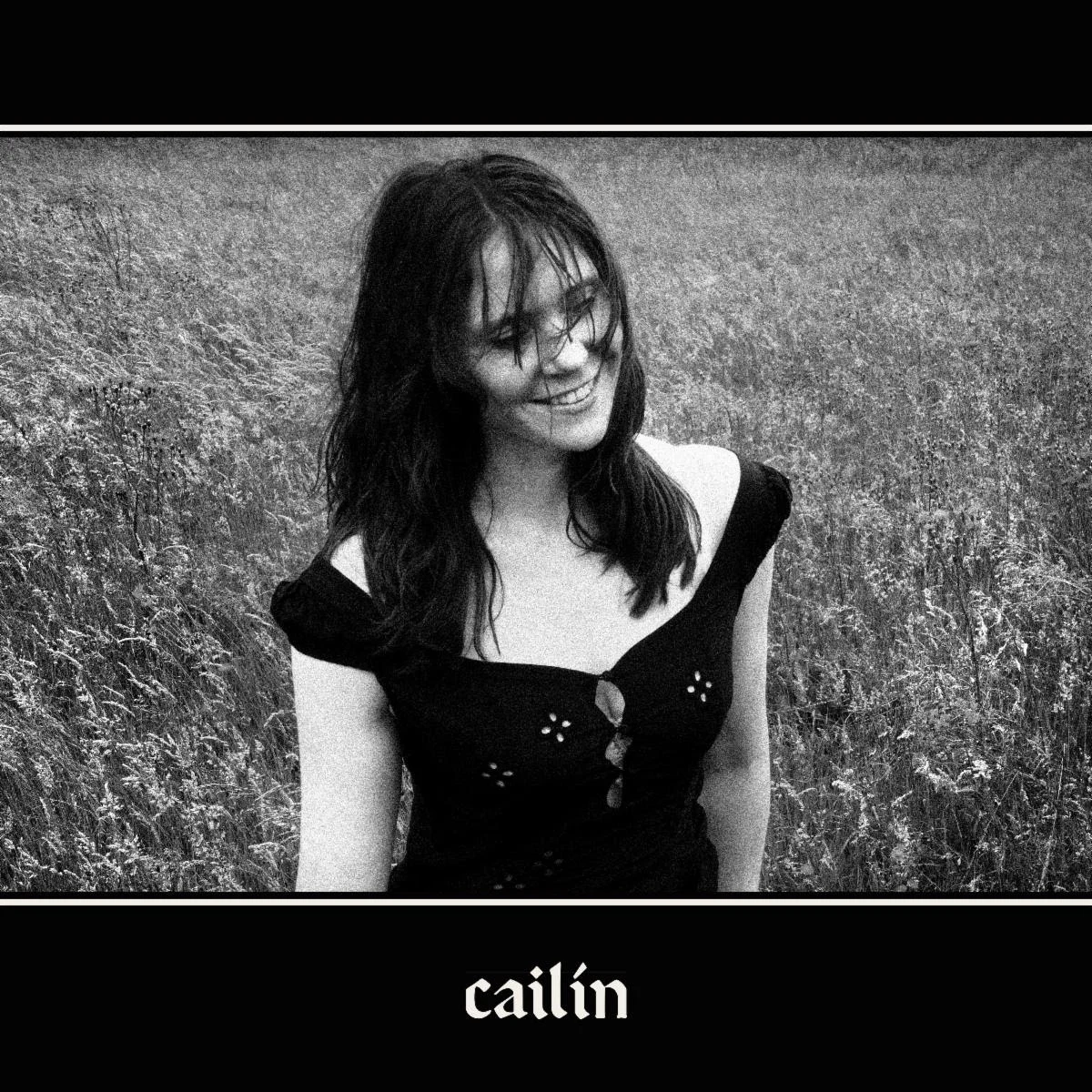
Since her incandescent 2007 debut, Made Of Bricks, catapulted her into the global spotlight, Kate Nash has navigated a dynamic and often defiant path through the music industry. Known for her distinctive blend of indie-pop, punk sensibilities, and candid lyricism, Nash has consistently evolved her sound and artistic identity. The beginning of 2024 marked a significant new chapter for the British singer-songwriter, with the announcement of her signing to the venerable independent label Kill Rock Stars. This partnership signaled a renewed focus and artistic alignment, a move that has now culminated in the reveal of her forthcoming album, Cailín, slated for release in January, accompanied by the potent new single, "Spilt Milk."
A Decade and a Half of Evolution: Kate Nash’s Enduring Legacy
Kate Nash burst onto the music scene at a pivotal moment for indie music, captivating audiences with her raw honesty and relatable narratives. Made Of Bricks, featuring hit singles like "Foundations," resonated deeply with listeners, achieving critical acclaim and commercial success. The album debuted at number one on the UK Albums Chart and earned her a BRIT Award for Best Female Artist, solidifying her status as a prominent voice in contemporary music. Her early work was characterized by a witty, observational style, often delivered with a spoken-word cadence over piano-driven melodies.
However, Nash quickly demonstrated an unwillingness to be confined by initial expectations. Subsequent albums, including My Best Friend Is You (2010), Girl Talk (2013), and Yesterday Was Forever (2018), showcased a continuous artistic evolution, incorporating elements of riot grrrl punk, grunge, and synth-pop. This period saw her embrace a more direct, often confrontational style, exploring themes of feminism, mental health, and self-empowerment. Her independent spirit led her to self-release several projects, tour extensively, and even venture into acting, notably in the Netflix series GLOW. The signing with Kill Rock Stars at the dawn of 2024, therefore, represents not just a new label partnership but a powerful validation of her enduring artistic vision and independent ethos, aligning her with a label renowned for fostering groundbreaking and often politically charged artists.
The Kill Rock Stars Partnership: A Meeting of Minds
Kill Rock Stars, founded in 1991 in Olympia, Washington, holds an iconic place in the history of independent music. The label became a cornerstone of the riot grrrl movement, launching the careers of influential bands like Bikini Kill and Sleater-Kinney, and releasing seminal works by artists such as Elliott Smith and The Decemberists. Known for its commitment to artistic integrity, social commentary, and a fiercely independent spirit, Kill Rock Stars has consistently championed voices that challenge the status quo.
Kate Nash’s affiliation with such a label is a testament to her continued artistic relevance and her unwavering commitment to using her platform for social discourse. The announcement in early 2024 was met with enthusiasm from fans and industry observers alike, recognizing the synergistic potential of this partnership. Prior to the full album reveal, Nash offered a glimpse into her new era with a couple of singles, notably a striking cover of Sinéad O’Connor’s "Famine," which now, in retrospect, serves as a poignant foreshadowing of the thematic depth embedded in Cailín. While specific statements from Kill Rock Stars regarding the signing were not extensively publicized beyond the initial announcement, the label’s history suggests a profound appreciation for Nash’s independent spirit and her alignment with their foundational values of artistic freedom and social justice.
"Famine": An Ode and a Prophecy
The choice to cover Sinéad O’Connor’s "Famine" was more than a mere tribute to a legend; it was a deliberate artistic statement, a sonic precursor to the thematic core of Cailín. O’Connor, a fiercely independent and often controversial artist, used her music as a vehicle for profound social and political commentary, famously challenging institutional power and advocating for human rights. Her 1990 song "Famine" from the album I Do Not Want What I Haven’t Got is a powerful indictment of the historical and ongoing impacts of colonialism and systemic oppression, particularly focusing on the devastating Irish Famine and its lasting legacy.
Nash’s rendition, released earlier in the year, resonated deeply, not only in its respectful channeling of O’Connor’s spirit but also in its contemporary relevance. By tackling a song so steeped in Irish history and themes of injustice, Nash implicitly signaled her own engagement with these complex narratives. It served as an early indicator that her new musical output would be deeply personal yet broadly resonant, paving the way for Cailín—an album that explicitly celebrates her Irish heritage and confronts pressing societal issues. The cover was a bridge, connecting Nash’s artistic lineage with a powerful historical narrative that would become central to her new work.
Unveiling Cailín: A Celebration of Irish Heritage
The newly announced album, Cailín (the Irish word for "girl"), is presented as a profound celebration of Kate Nash’s Irish heritage. This personal connection runs deep; Nash holds dual citizenship, with her mother hailing from Dublin, and Nash herself growing up immersed in an Irish community in London’s North Harrow. This upbringing provided a rich tapestry of cultural influences, from traditional music to community bonds, shaping her worldview and artistic sensibilities.
In a press release accompanying the album announcement, Nash eloquently articulated the pervasive influence of her Irish roots on her musical awakening. "All my earliest musical memories were in Ireland: live music in the pub, going to Sharon Shannon gigs, seeing the best accordion player you’ve ever seen and it’s a bored-looking eight-year-old boy in a puffer jacket," she shared. This vivid recollection highlights the organic integration of music into everyday Irish life, a stark contrast to more formalized musical education. "There’s a natural respect for musicians as it’s embedded into the fabric of everyday life," Nash emphasized, underscoring the deep cultural reverence for artistry that she experienced firsthand. This intrinsic connection to Ireland is not merely a biographical detail but the foundational inspiration for Cailín, promising an album that is both an homage to her background and a contemporary exploration of what that heritage means to her today. The album’s tracklist further hints at this, with titles like "Wild Atlantic Way," "Irish Saints," and "Póg mo thóin" (a colloquial Irish phrase meaning "kiss my ass"), alluding to specific geographical, cultural, and linguistic elements of Ireland.
"Spilt Milk": A Ferocious Anthem for Bodily Autonomy
The album’s lead single, "Spilt Milk," released concurrently with the album announcement, immediately commands attention with its "ferocious, punky, hip-hop-inflected romp." This genre-bending approach is characteristic of Nash’s later work, where she fearlessly blends raw energy with rhythmic complexity. The song’s instrumentation and vocal delivery convey an urgency and indignation that perfectly match its lyrical content. "Spilt Milk" is a powerful, unvarnished protest song, with lyrics that directly "lash out against the growing oppression of women’s bodies."
Nash herself provided crucial context for the song’s genesis and its continued relevance. "Spilt Milk was initially written about abortion law in Ireland before they repealed the 8th (which only happened in 2018)," she explained. This historical grounding in a specific struggle for reproductive rights imbues the track with a tangible sense of lived experience and political urgency. The lyrics articulate a visceral frustration: "It’s about not having control over your own body, not being listened to and feeling like the powers that be are getting bigger, scarier and more crushing."
The timing of the song’s release, and its thematic resonance, could not be more poignant. Nash explicitly drew a parallel to contemporary global events: "With the overturning of Roe v Wade and women’s sexual health rights being rolled back in the US this song feels pertinent to today. The song questions why the female voice is so ignored and why we’d be expected to accept this." This statement underscores the universal nature of the struggle for bodily autonomy, transcending geographical boundaries and historical moments. "Spilt Milk" serves as both a historical reflection on a battle won in Ireland and a rallying cry against ongoing erosions of rights elsewhere, establishing Cailín as an album deeply committed to social justice. The accompanying Tom Beard-directed video for "Spilt Milk" visually amplifies the song’s message, utilizing stark imagery and powerful symbolism to convey the emotional weight of its themes.
The Global Struggle for Reproductive Rights: Contextualizing "Spilt Milk"
To fully appreciate the weight of "Spilt Milk," it is essential to understand the complex history of abortion rights in Ireland and the recent developments in the United States.
The Repeal the 8th Amendment in Ireland:
For decades, Ireland had some of the most restrictive abortion laws in the world, primarily due to the Eighth Amendment to its constitution, which was introduced in 1983. This amendment recognized the right to life of the unborn, placing it on equal footing with the right to life of the mother. This effectively banned abortion in almost all circumstances, leading to thousands of Irish women traveling abroad, primarily to the UK, for terminations. The issue was a deeply divisive one, often framed as a clash between conservative Catholic values and modern secular liberalism.
The movement to repeal the Eighth Amendment gained significant momentum over several decades, fueled by numerous high-profile cases where women’s lives were endangered or tragically lost due to the restrictive laws. Activists, often led by grassroots organizations, tirelessly campaigned for change, highlighting the human cost of the ban. After years of public debate, political maneuvering, and a citizens’ assembly, a historic referendum was held on May 25, 2018. The result was a resounding victory for repeal, with 66.4% voting in favor of removing the amendment. This paved the way for the Health (Regulation of Termination of Pregnancy) Act 2018, which allowed for abortion on request up to 12 weeks of pregnancy and in specific circumstances thereafter. The successful repeal was hailed globally as a landmark victory for women’s rights and a testament to the power of public activism. Nash’s reference to this specific historical moment anchors "Spilt Milk" in a tangible, hard-won victory.
The Overturning of Roe v. Wade in the United States:
In stark contrast to Ireland’s progression, the United States witnessed a dramatic reversal of abortion rights in June 2022. The Supreme Court, in Dobbs v. Jackson Women’s Health Organization, overturned Roe v. Wade (1973) and Planned Parenthood v. Casey (1992), which had established a constitutional right to abortion for nearly 50 years. This decision eliminated federal protection for abortion rights, returning the authority to regulate or ban abortion to individual states.
The immediate aftermath saw a patchwork of laws emerge across the US, with many states implementing near-total bans, while others maintained or expanded access. This legal fragmentation has created significant challenges for reproductive healthcare access, disproportionately affecting marginalized communities. The overturning of Roe v. Wade ignited widespread protests and reignited the national debate over bodily autonomy, with advocates warning of severe consequences for women’s health and equality. Kate Nash’s decision to link "Spilt Milk" to both the Irish repeal and the US reversal highlights the ongoing, global nature of the fight for reproductive freedom, emphasizing that rights, once gained, can be rolled back.
Artistic Vision and Broader Implications of Cailín
Cailín promises to be a pivotal album in Kate Nash’s career, showcasing her continued evolution as an artist who seamlessly blends personal narrative with urgent social commentary. The album’s genre fluidity, as hinted by "Spilt Milk’s" "punky, hip-hop-inflected romp," suggests a further refinement of her eclectic sound, moving beyond simple categorization. This fusion reflects a contemporary artistic approach where boundaries are increasingly blurred, allowing for a richer, more complex sonic landscape that can effectively convey nuanced messages.
The thematic depth of Cailín positions Nash not just as a musician but as a cultural commentator. By intertwining her celebration of Irish heritage with a fierce advocacy for women’s rights, she demonstrates how personal identity and political activism are inextricably linked. The album challenges listeners to consider the intersection of history, culture, and contemporary struggles, particularly for women. It implies a broader analysis of systemic issues, drawing connections between historical injustices (like the legacy of colonialism subtly hinted at through O’Connor’s "Famine") and present-day battles for bodily autonomy and gender equality.
For Kill Rock Stars, Cailín further solidifies their reputation as a label committed to artists who dare to speak truth to power. Nash’s unapologetic voice, combined with her seasoned artistry, makes her an ideal fit for a roster that has historically championed rebellious and thoughtful musicians. The album’s release in January will undoubtedly spark conversations, not only about Nash’s musical direction but also about the critical issues she addresses, reinforcing the idea that music remains a potent force for social change.
Album Details and Anticipation
The full tracklist for Cailín reveals a collection of twelve songs, each title offering a tantalizing glimpse into the album’s narrative and sonic explorations:
01 "I Guess I’ll Never Learn A Thing"
02 "Cailín"
03 "Freedom Of Me"
04 "Famine"
05 "Spilt Milk"
06 "Wild Atlantic Way"
07 "Crying"
08 "Irish Saints"
09 "Póg mo thóin"
10 "Lady Gregory"
11 "Pay Up"
12 "Christmas Eve"
The inclusion of "Famine" and "Spilt Milk" within the tracklist underscores their central role in the album’s thematic framework. Titles like "Wild Atlantic Way" and "Irish Saints" directly evoke the geographical and cultural landscapes of Ireland, while "Lady Gregory" could be a reference to Augusta, Lady Gregory, a prominent figure in the Irish Literary Revival, suggesting a deep dive into Irish cultural history.
Cailín is scheduled for release on January 22 via Kill Rock Stars. Pre-orders are currently available, allowing fans to secure their copy of what promises to be one of the most significant releases of the new year. The album’s announcement marks a powerful return for Kate Nash, cementing her status as an artist unafraid to evolve, challenge, and connect deeply with her audience through music that is both profoundly personal and universally resonant. With Cailín, Nash is not just releasing an album; she is offering a vibrant, defiant statement on identity, heritage, and the ongoing fight for fundamental human rights.
