

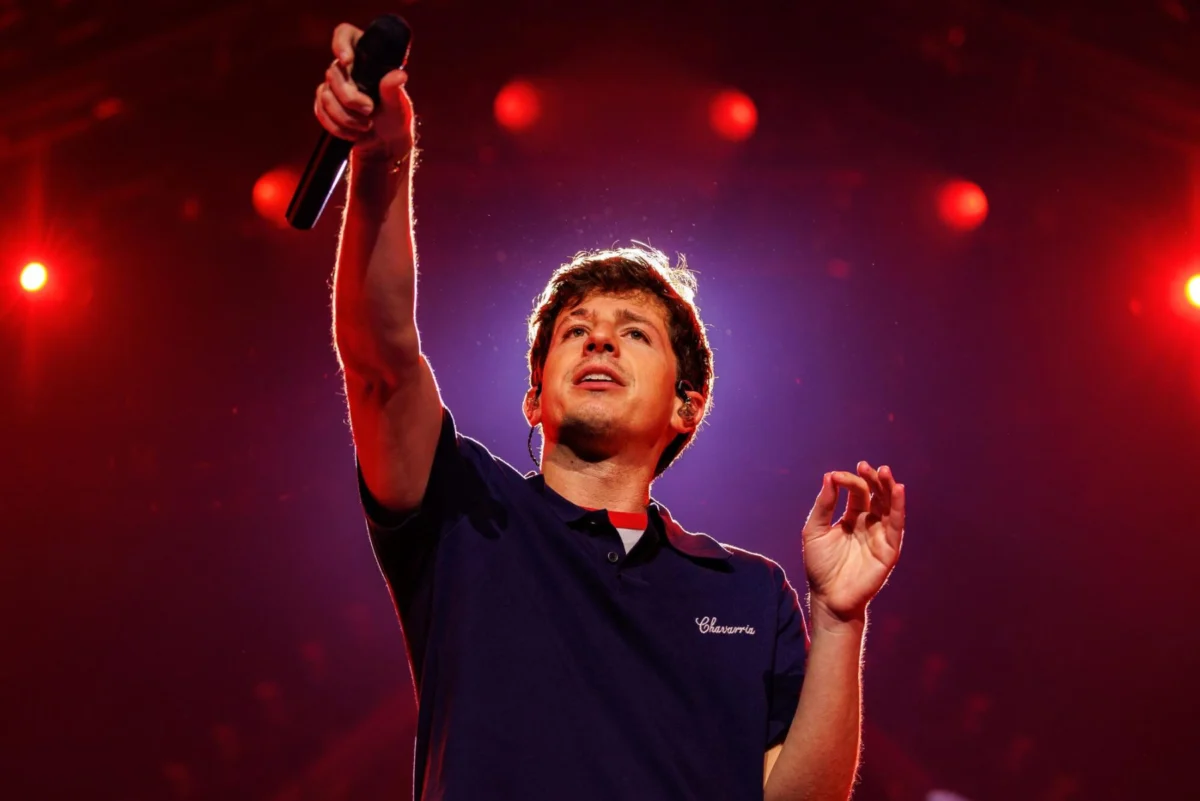
Pop sensation Charlie Puth has abruptly cancelled his eagerly awaited Australian and New Zealand leg of the "Whatever’s Clever! World Tour," scrapping a total of six arena dates that were scheduled for November. The decision, which comes without an official explanation from the artist or his management, has left thousands of fans across both nations disappointed and ticket holders automatically receiving refunds for their purchases. The tour, announced with considerable fanfare in April, was intended to support Puth’s latest studio album, Whatever’s Clever!, released earlier this year in March.
An Anticipated Return to Oceania
The now-cancelled six-date arena run was poised to mark Charlie Puth’s first return to Australian shores since 2023 and his first visit to New Zealand in a comparable timeframe. Fans in both countries had eagerly awaited the opportunity to experience Puth’s renowned live performance, celebrated for his intricate musicianship and engaging stage presence. When the tour was initially announced, Puth himself expressed immense enthusiasm, promising an "unforgettable live experience" featuring a "world-class band." He conveyed his personal investment in the upcoming shows, stating, "I feel like I’ve worked and waited my entire career to put this sort of live show on for you all." This statement underscored the artist’s commitment to delivering a high-caliber production, making the subsequent cancellation even more perplexing for those who had secured tickets.
The tour was scheduled to commence at Auckland’s prestigious Spark Arena in early November, before moving across the Tasman Sea for a comprehensive Australian itinerary. Key Australian cities on the schedule included Melbourne, with a show at Rod Laver Arena; Sydney, slated for the Qudos Bank Arena; Brisbane, at the Brisbane Entertainment Centre; Adelaide, hosted by the Adelaide Entertainment Centre; and finally, Perth, at the RAC Arena. These venues are among the largest and most prominent in their respective cities, capable of accommodating tens of thousands of concertgoers, highlighting the significant scale and logistical planning involved in the tour. The typical capacity for such arenas ranges from 10,000 to 15,000 for a concert setup, indicating that potentially over 60,000 tickets across the two countries were affected by this decision.
The Abrupt Cancellation and Refund Process
The news of the cancellation was primarily disseminated through emails sent directly to ticket holders. These communications confirmed that the scheduled shows would no longer proceed and assured fans that all tickets would be automatically refunded to their original payment methods. The explicit instruction that fans did not need to take any action to receive their refunds aimed to streamline the process, though it did little to alleviate the disappointment of missing the live performance. Simultaneously, major ticketing outlets across both regions swiftly updated their listings, marking the concerts as canceled and removing tickets from sale, solidifying the finality of the decision.
The absence of a public explanation from Charlie Puth or his official representatives has been a central point of discussion among his fanbase and within the music industry. As of press time, Puth had not publicly addressed the cancellation on his social media channels or through official press releases. This lack of transparency, while not uncommon in the industry, often leads to speculation and heightened frustration among dedicated followers who have invested not only financially but also emotionally in attending the concerts. For many, particularly those traveling from regional areas or interstate, the cancellation entails not just the loss of a concert ticket but also the potential waste of money spent on flights, accommodation, and other related travel expenses, which are typically non-refundable.
"Whatever’s Clever!": The Album in Focus
The cancelled tour was set to be a significant promotional vehicle for Puth’s fourth studio album, Whatever’s Clever!, which was released in March. This album marked a notable evolution in Puth’s musical direction, venturing into sophisticated blends of jazz, soft rock, and yacht rock influences. Produced by Puth himself alongside the acclaimed BloodPop, the project showcased his versatility as both an artist and a producer. The album featured an impressive roster of guest artists, including legendary saxophonist Kenny G, iconic singer-songwriter Kenny Loggins, and acclaimed actor-musician Jeff Goldblum, underscoring its ambitious scope and collaborative spirit.
Whatever’s Clever! generally received a positive reception from critics who praised Puth’s adventurous sonic palette and his continued growth as a songwriter. Commercially, the album performed solidly, entering various international charts and demonstrating Puth’s enduring appeal. Tours following album releases are crucial for artists, providing a direct platform to connect new material with their audience, drive album sales, and generate significant revenue. The cancellation therefore represents a missed opportunity for Puth to fully capitalize on the momentum generated by his latest release in a key international market.

Charlie Puth’s Illustrious Career Journey
Charlie Puth’s career trajectory has been marked by a blend of viral success, critical acclaim, and consistent chart performance. He first rose to global prominence as a featured artist on Wiz Khalifa’s "See You Again" in 2015, a poignant tribute to actor Paul Walker from the Furious 7 soundtrack. The single was a monumental success, spending an impressive 12 weeks at No. 1 on the Billboard Hot 100 and earning three Grammy nominations, including the coveted Song of the Year. This breakthrough established Puth not just as a vocalist but also as a formidable songwriter and producer.
His debut album, Nine Track Mind, followed in 2016, further solidifying his position in the pop landscape. The album spawned several hit singles, including "Marvin Gaye," featuring Meghan Trainor; "One Call Away"; and "We Don’t Talk Anymore," a collaboration with Selena Gomez. These tracks showcased his knack for crafting catchy, radio-friendly pop songs imbued with R&B sensibilities. Subsequent albums, such as Voicenotes (2018) and Charlie (2022), continued to demonstrate his evolution, incorporating more sophisticated production and deeply personal songwriting. Puth is also widely recognized for his active engagement on social media platforms, particularly TikTok, where he frequently shares snippets of his creative process, demonstrating his perfect pitch and production skills, which has fostered a highly engaged and loyal fanbase. His ability to produce, write, and perform has earned him a reputation as a multifaceted talent in the contemporary music scene.
Industry Context and Implications of Tour Cancellations
Tour cancellations, while always disappointing for fans, are an unfortunate reality within the complex global music industry. The reasons behind such decisions can be myriad and often involve intricate logistical, financial, and personal factors. Common causes include unforeseen health issues impacting the artist or key crew members, logistical challenges such as visa complications or scheduling conflicts, production difficulties that make it impossible to deliver the promised show, or, in some cases, lower-than-anticipated ticket sales that render a tour financially unviable. Without an official statement, the specific cause for Puth’s cancellation remains speculative.
The current global touring landscape is particularly challenging. Artists and promoters alike grapple with escalating costs across the board, from transportation and accommodation to venue rentals and technical production. Inflationary pressures, coupled with increased competition for prime venue dates and crew availability, can make planning and executing international tours more difficult than ever. Visa processes for international artists and their teams have also become more stringent and time-consuming in many regions, adding another layer of complexity. Furthermore, the lingering effects of the global pandemic continue to influence touring, with rescheduled dates and a backlog of artists vying for audience attention.
A cancellation like this has far-reaching implications beyond just the artist and the ticket holders. Promoters, local venues, ticketing agencies, and a host of ancillary businesses—including local hotels, restaurants, and transportation services—all face financial losses. Crew members, who rely on touring for their livelihoods, can also be significantly impacted by sudden changes to tour schedules. The decision to cancel such a major tour is rarely taken lightly, as it involves substantial financial penalties and reputational risks for all parties involved.
Uncertainty and the Road Ahead
The immediate aftermath of the cancellation is marked by uncertainty regarding potential replacement dates. The official communications have not indicated whether the tour will be rescheduled at a later time, stating only that it is "not yet known." For fans who had meticulously planned their attendance, this ambiguity adds to the frustration. The hope remains that Charlie Puth will, at some point, provide clarity regarding the reasons behind this decision and offer a timeline for a possible return to Australia and New Zealand.
In an era where artists frequently engage directly with their fans through social media, the silence from Puth’s camp has been particularly noticeable. While artists are not obligated to disclose private details, a brief acknowledgment or explanation often helps to manage fan expectations and mitigate disappointment. The incident serves as a reminder of the intricate and often unpredictable nature of the live music industry, where even highly anticipated events by major artists can be subject to sudden changes. As the music community and fans await further information, the focus remains on the thousands of ticket holders in Australia and New Zealand who are now left without the "unforgettable live experience" they were promised. The broader implications for Puth’s future touring strategies and fan engagement in the region will undoubtedly be watched closely.
