

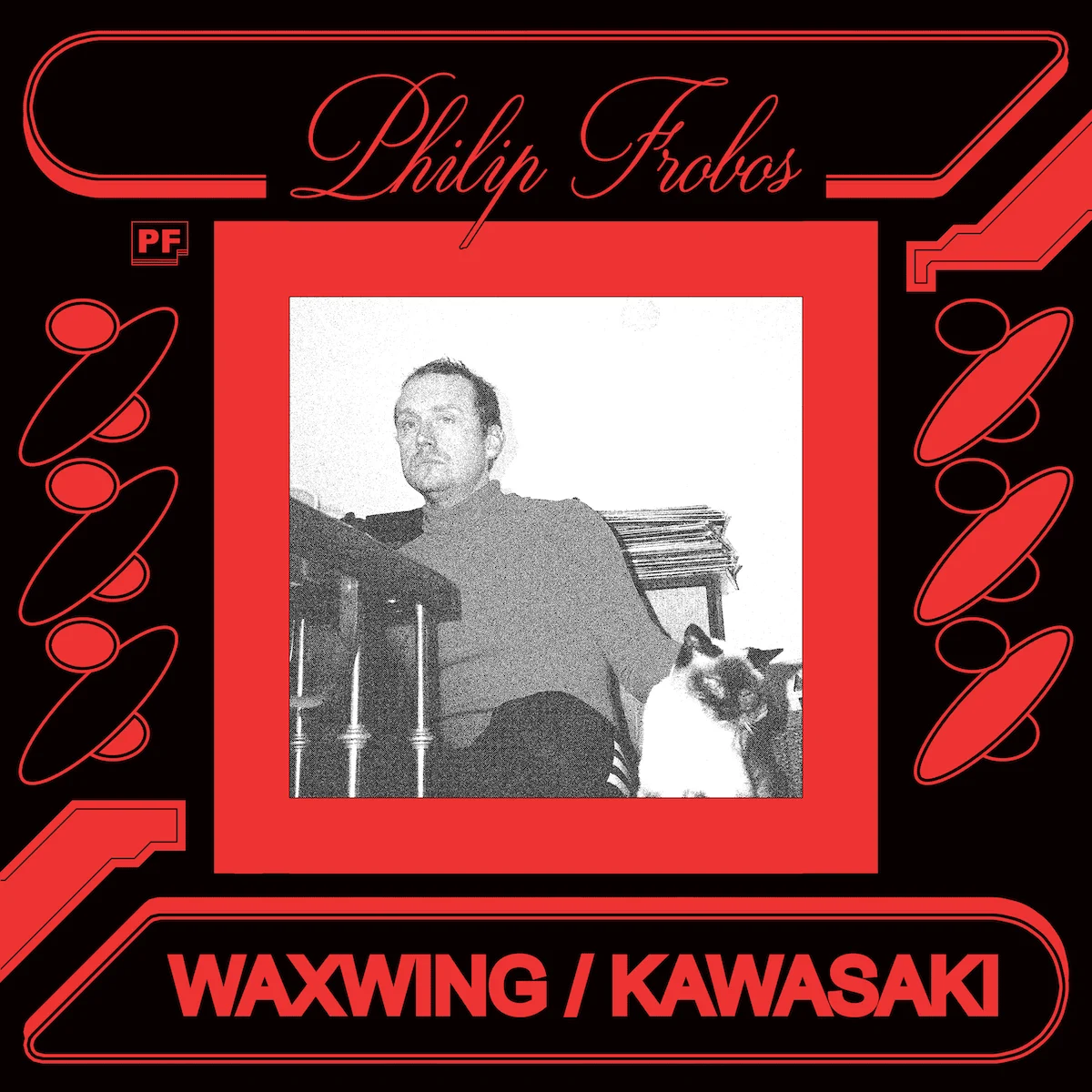
Philip Frobos, the distinctive voice and creative force behind Atlanta’s acclaimed post-punk outfit Omni, has once again stepped into the solo spotlight, unveiling a pair of intriguing cover tracks: Sorry’s contemporary "Waxwing" and Jane Birkin’s 1973 classic "Kawasaki." This latest solo endeavor arrives amidst a particularly prolific period for Frobos, who has been consistently active with Omni, releasing new material and commemorating past milestones. The release of these covers not only highlights Frobos’s eclectic musical tastes but also provides a deeper insight into the influences that shape his multifaceted artistic identity, bridging decades and genres with thoughtful reinterpretation.
Philip Frobos: A Chronology of Creative Output
Philip Frobos’s career has been characterized by a relentless pursuit of unique sonic landscapes, primarily through his work with Omni and, more recently, through his burgeoning solo output. Omni, formed in Atlanta, Georgia, around 2014, quickly established itself as a significant force in the global post-punk revival. The band, known for its angular guitar riffs, minimalist rhythms, and Frobos’s distinctively deadpan vocal delivery, carved out a niche that resonated with critics and audiences alike.
Their debut album, Deluxe, released in 2016 on Trouble In Mind Records, was met with widespread critical acclaim. It was lauded for its sharp, economical songwriting and its ability to channel the spirit of 1970s and 80s post-punk pioneers while maintaining a fresh, contemporary edge. Deluxe effectively positioned Omni at the forefront of a new wave of bands reinvigorating the genre, earning them comparisons to acts like Television, Wire, and Devo. The album’s success led to extensive touring and solidified their reputation as a formidable live act. The band is currently engaged in announcing and commencing celebrations for the upcoming 10th anniversary of Deluxe, hinting at a deluxe reissue that promises to revisit and potentially expand upon their seminal first offering, a testament to its enduring impact.
Following their impactful debut, Omni continued to evolve with subsequent releases. Multi-task (2017) further honed their signature sound, showcasing a more refined approach to their intricate guitar work and rhythmic precision. Networker (2019), their first album on Sub Pop Records, saw them explore slightly broader sonic textures while retaining their core identity, earning them continued critical praise and expanding their international reach. Most recently, 2024 saw the release of Souvenir, an album that demonstrated Omni’s sustained creative vitality and their capacity to innovate within their established framework, further cementing their status in the contemporary indie landscape. Each album has contributed to Omni’s narrative, painting a picture of a band consistently pushing the boundaries of their craft.
In parallel to his commitments with Omni, Philip Frobos embarked on a solo venture, releasing his debut album, Vague Enough To Satisfy, in 2021. This solo effort allowed Frobos to explore musical avenues and lyrical themes that might diverge from Omni’s collaborative framework, offering a more personal and introspective reflection of his artistic sensibilities. The album was well-received, demonstrating Frobos’s versatility as a songwriter and performer beyond the confines of his primary band. This solo exploration laid the groundwork for his latest independent releases, the covers of "Waxwing" and "Kawasaki," which underscore his ongoing commitment to diverse musical expression.
The Art of Reinterpretation: Delving into the New Covers
Frobos’s decision to cover "Waxwing" by Sorry and "Kawasaki" by Jane Birkin speaks volumes about his influences and his approach to musical interpretation. These selections, separated by half a century, are united by underlying thematic currents of societal observation and individual detachment, themes Frobos himself acknowledges and frequently explores in his original work.
"Waxwing": A Contemporary Dystopia Revisited
The choice to cover Sorry’s "Waxwing" from their 2024 album Anywhere But Here is particularly salient, linking Frobos to a contemporary wave of artists pushing the boundaries of indie and post-punk. Sorry, a London-based band, has garnered significant attention for their distinctive blend of grunge, post-punk, and electronic elements, characterized by dual vocals and a pervasive sense of urban ennui. Their music often oscillates between abrasive energy and brooding introspection, a quality Frobos describes as "elegant and occasionally grotesque."
"Waxwing" itself is a prime example of Sorry’s unique aesthetic, a track imbued with a "contemporary dystopian outlook and subsequent disengagement," as articulated by Frobos. The original version features intricate arrangements and a lyrical narrative that subtly critiques modern alienation. Frobos’s attraction to the song, which he "immediately fell in love with" upon its release, stems from its "dark humor" and its perceptive commentary on societal detachment.
Frobos’s rendition of "Waxwing" is a collaborative masterpiece, featuring dual drumming from Rodrigo Avendaño (known for his work with Soccer Mommy) and Jonah Swilley (of Revival Season and Mattiel). Avendaño also took on the crucial role of recording the track at his studio in Atlanta, Georgia, with Andy Clarke handling the mastering. The inclusion of two distinct drummers likely adds a unique rhythmic complexity and depth to Frobos’s interpretation, potentially emphasizing the original’s angularity or introducing new percussive textures. This collaboration not only highlights Frobos’s ability to assemble a talented team but also underscores the vibrant, interconnected nature of the Atlanta music scene, where artists frequently cross paths and contribute to each other’s projects. The collective effort suggests a respectful yet innovative re-imagining, designed to honor the original’s spirit while infusing it with Frobos’s singular artistic vision.
"Kawasaki": Echoes of Mid-Century Melancholy
The selection of Jane Birkin’s "Kawasaki" from her 1973 album Di Doo Dah represents a deeper dive into musical history, revealing Frobos’s appreciation for iconic figures of mid-20th-century European pop culture. Jane Birkin, a British-French singer, actress, and fashion icon, left an indelible mark on music and cinema, particularly through her collaborations with Serge Gainsbourg. Her unique vocal style—often described as breathy and ethereal—and her provocative artistic persona made her a cultural phenomenon. Her passing in 2023 further cemented her legacy, bringing renewed attention to her extensive discography.
"Kawasaki," a track co-written by Birkin and Serge Gainsbourg with arrangements by Jean-Claude Vannier, is a testament to the sophisticated and often melancholic artistry that defined their era. The song, while perhaps less overtly provocative than some of their more famous collaborations, still carries the thematic weight of "societal rejection, apathy, and nihilism," according to Frobos. He notes that Birkin, Gainsbourg, and Vannier are "household staples," evoking images of leisurely "Sunday mornings with coffee and eggs," highlighting their profound personal and cultural significance to him.
Frobos’s cover of "Kawasaki," also recorded by Rodrigo Avendaño, bridges the gap between the original’s 1970s aesthetic and a contemporary sensibility. By drawing direct thematic parallels between "Kawasaki" and "Waxwing," Frobos suggests a continuity in human experience across generations—the perennial struggle with societal norms and the individual’s response to an often indifferent world. This juxtaposition underscores a compelling aspect of Frobos’s artistic philosophy: the belief that fundamental human conditions and artistic expressions of those conditions transcend temporal boundaries. His interpretation offers a fresh lens through which to appreciate Birkin’s original, introducing it to new audiences while providing a thoughtful homage to a foundational influence.
The Broader Significance of Musical Homage
The act of covering a song is a profound form of artistic dialogue. It is an acknowledgment of influence, a tribute to an original creation, and simultaneously an opportunity for an artist to imprint their own identity onto an existing work. For Philip Frobos, these covers are more than just casual renditions; they are deliberate choices that illuminate his artistic lineage and current preoccupations.
Covers serve multiple critical functions in the music ecosystem. They introduce new audiences to classic tracks, reviving interest in the original artists and their broader discographies. They allow the covering artist to experiment with genres or styles outside their typical output, providing a creative release and an opportunity to showcase versatility. Furthermore, they are potent demonstrations of artistic taste and influence, offering listeners a roadmap to the sounds that have shaped the artist’s own creative journey. In Frobos’s case, selecting a nascent indie band like Sorry alongside a timeless icon like Jane Birkin demonstrates a broad and discerning palate, reinforcing his image as an artist deeply engaged with music’s past and present. The inferred appreciation from the original artists or their estates for such thoughtful reinterpretations underscores the enduring power of music to connect creators across time and space, fostering a continuous, evolving artistic conversation.
The Atlanta Music Scene’s Dynamic Role
The collaborative nature of Frobos’s "Waxwing" cover, featuring local talents Rodrigo Avendaño and Jonah Swilley and recorded in an Atlanta studio, highlights the city’s robust and interconnected music scene. Atlanta has long been a hotbed for diverse musical genres, and its indie and alternative scenes have fostered a strong sense of community and mutual support among artists. Omni itself emerged from this fertile ground, and Frobos’s continued reliance on local collaborators for his solo projects reinforces the idea of Atlanta as a dynamic hub for creative innovation. This localized synergy allows for organic artistic exchanges, enriching the quality and authenticity of projects like these cover releases.
Analysis and Future Implications
The release of these two distinct covers by Philip Frobos offers several insights into his evolving artistic identity and potential future directions. Firstly, it reaffirms his commitment to maintaining a solo creative outlet alongside his work with Omni. This dual approach allows him to explore a wider spectrum of musical ideas and thematic concerns, enriching both his individual artistry and the output of his band.
Secondly, the thematic unity he identifies between "Waxwing" and "Kawasaki"—themes of societal critique, apathy, and nihilism—suggests a consistent philosophical underpinning to his artistic explorations. This intellectual thread provides a cohesive framework for understanding his diverse musical selections and his original songwriting. It positions Frobos not just as a musician, but as a cultural commentator, utilizing his art to reflect on the human condition across different historical and social contexts.
Finally, these covers contribute to the ongoing narrative of post-punk’s enduring appeal and its capacity for reinvention. By reinterpreting both a contemporary post-punk track and a classic French pop song through a post-punk sensibility, Frobos demonstrates the genre’s fluidity and its ability to absorb and transform disparate influences. This act of musical cross-pollination ensures the genre’s continued relevance and encourages listeners to draw new connections between seemingly disparate musical eras. These releases could signal a forthcoming solo project, or simply serve as a creative interlude, yet they undeniably enrich the discourse around Frobos’s versatile and thoughtful artistry.
Philip Frobos’s latest solo offerings are more than mere covers; they are carefully curated artistic statements. They serve as a testament to his discerning musical ear, his collaborative spirit, and his profound engagement with the perennial themes of human existence. As listeners delve into his interpretations of "Waxwing" and "Kawasaki," they are invited not only to appreciate the artistry of the originals but also to explore the intricate tapestry of influences that continue to shape one of contemporary music’s most compelling voices.
Listen to Philip Frobos’s interpretations of "Waxwing" and "Kawasaki" below.
[Embed for Waxwing]
[Embed for Kawasaki]
