

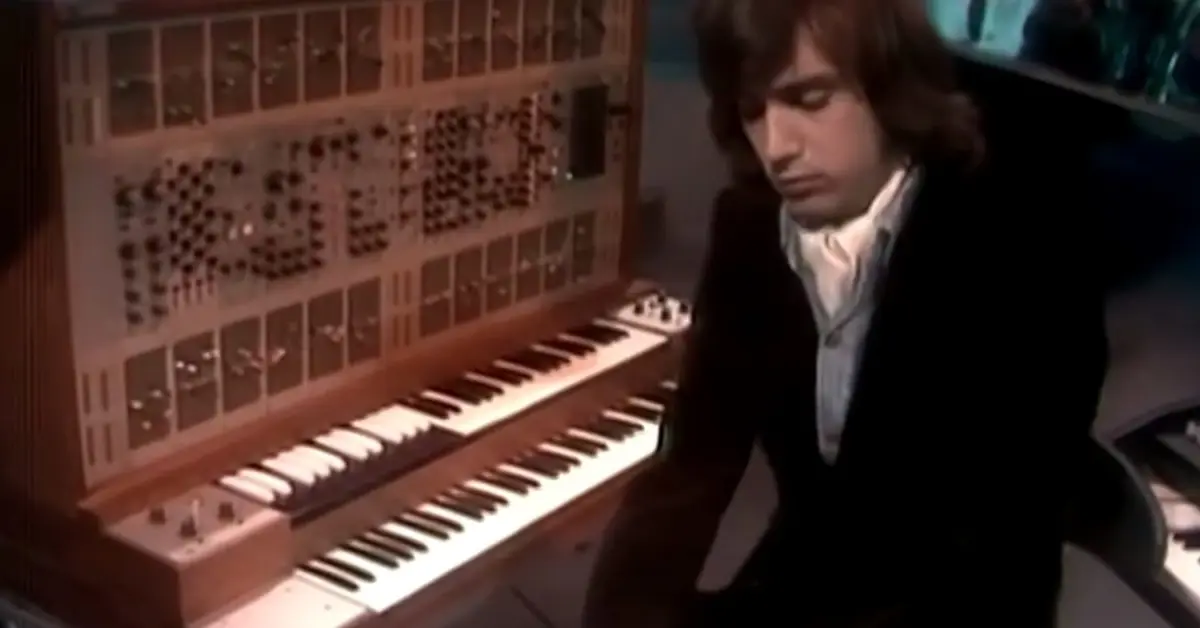
Electronic music pioneer Jean-Michel Jarre has officially unveiled plans to celebrate the 50th anniversary of his seminal work, Oxygène, with a comprehensive suite of commemorative editions scheduled for release on November 20, 2026. This landmark announcement marks five decades since the album’s initial 1976 debut in France, an event that fundamentally altered the trajectory of popular electronic music and established Jarre as a global icon of the genre. The anniversary collection is headlined by a new stereo remaster sourced directly from the original analog tapes, alongside the album’s first-ever presentation in Dolby Atmos, providing a contemporary immersive experience of the work that remains the best-selling instrumental electronic music album of all time.
The 50th-anniversary project is designed to bridge the gap between the mid-1970s analog revolution and the high-fidelity spatial audio standards of the mid-2020s. According to the artist, the primary objective of this remastering process was preservation rather than modernization. Jarre noted that the original recording possessed a unique depth and movement inherent to the analog instruments and tape technology of the era. By returning to the 1976 masters, the production team sought to recapture the organic "breathing" quality of the synthesizers that defined the album’s identity, ensuring that the new editions remain the most faithful representations of the original creative vision to date.
Historical Context: The Birth of a Revolution in a Home Studio
To understand the weight of this 50th-anniversary release, one must look back to the environment in which Oxygène was conceived. In 1976, the concept of a "home studio" was virtually non-existent in the professional music industry. Jean-Michel Jarre, the son of famed film composer Maurice Jarre, recorded the album in his makeshift kitchen studio in Paris. Using a limited budget and a collection of then-cutting-edge synthesizers, Jarre spent months layering sounds to create a continuous, six-part suite that eschewed traditional pop song structures in favor of atmospheric textures and rhythmic pulses.
At the time, the music industry was largely skeptical of instrumental electronic music. Jarre faced multiple rejections from major record labels who argued that the album lacked a drummer, a singer, and a radio-friendly format. Eventually, the album was released in France via Disques Motors in December 1976. Its success was almost immediate, spreading through word-of-mouth and underground radio play. By 1977, the album had achieved international distribution through Polydor, climbing to the top of the charts in the United Kingdom and across Europe. It eventually sold over 12 million copies, proving that electronic music could be both avant-garde and commercially viable.
Technical Architecture and Instrumentation
The enduring appeal of Oxygène lies in its specific sonic palette, which Jarre meticulously crafted using a selection of instruments that have since become legendary in the world of synthesis. The 50th-anniversary remaster highlights the distinct characteristics of these machines, many of which were temperamental and prone to drifting out of tune, contributing to the album’s "living" sound.
The backbone of the album was the Eminent 310 Unique, a home organ that Jarre processed through an Electro-Harmonix Small Stone phaser pedal to create the signature swirling "string" sounds heard throughout Oxygène Part IV. Other critical instruments included:
- The ARP 2600: Used for the iconic "wind" effects and lead sequences.
- The EMS VCS3: A portable British synthesizer used for sound effects and experimental textures.
- The Mellotron: Utilized for its tape-based flute and choir sounds.
- The Farfisa Organ: Provided additional harmonic layers.
- The Korg Minipops 7: An early rhythm machine that provided the understated, ticking percussion that anchors the more melodic sections.
The new Dolby Atmos mix aims to place the listener inside this "electronic forest," utilizing spatial audio technology to separate these individual layers in a three-dimensional field. For the first time, the subtle modulations of the VCS3 and the sweeping phases of the Eminent 310 will be perceivable with a level of clarity and separation that was impossible in the original stereo or mono playback environments of the 1970s.
Chronology of the Oxygène Legacy
While the 1976 original remains the definitive entry, Jarre has revisited the Oxygène universe twice before, creating a trilogy that spans forty years. This timeline illustrates the evolution of the project:

- 1976 (Original Release): Oxygène (Parts 1–6) is released, introducing the world to Jarre’s melodic, atmospheric style.
- 1997 (Oxygène 7–13): Released 20 years after the international debut, this sequel utilized both vintage and modern synthesizers to continue the narrative, coinciding with a massive world tour.
- 2016 (Oxygène 3): To mark the 40th anniversary, Jarre released Oxygène 14–20. This installment was recorded in a rapid 6-week window to capture the "live" energy of the original 1976 sessions.
- 2026 (50th Anniversary): The release of the definitive remaster and Dolby Atmos editions, consolidating the legacy of the original work for the next generation of listeners.
The 2026 anniversary is not merely a look backward; it serves as a technical benchmark for how classic analog recordings can be archived and re-presented using 21st-century digital tools without losing their historical soul.
Industry Impact and Market Reception
The announcement of the Oxygène 50th Anniversary Edition has triggered significant interest within the audiophile and electronic music communities. Industry analysts point to the ongoing "analog revival" and the rise of spatial audio as key drivers for this release. "Oxygène is the foundational text for modern ambient and electronic dance music," says musicologist Dr. Helena Vance. "Reissuing it in Dolby Atmos isn’t just a gimmick; it’s a logical extension of Jarre’s original intent to create a ‘total’ sound environment."
Retail data indicates that high-end physical formats, including limited-edition vinyl and Blu-ray audio discs, continue to see growth among collectors. Jarre’s official site has already listed exclusive versions of the anniversary edition, which are expected to feature expanded artwork and possibly archival photographs from the 1976 home studio sessions. Amazon and other major retailers have opened pre-orders, signaling a coordinated global rollout.
Official Reactions and Artistic Philosophy
Jean-Michel Jarre has remained vocal about his philosophy regarding music technology. In statements accompanying the anniversary announcement, he emphasized that the 50th-anniversary remaster was a response to the "over-compression" of the digital age. "When we first moved to CD and early digital formats, some of the air was lost," Jarre stated. "This new remaster is about restoring the dynamics—the difference between the quietest whisper of a filter and the loudest peak of a sequence."
Peers in the industry have also weighed in on the significance of the milestone. Producers from the French Touch movement and contemporary techno artists have frequently cited Oxygène as the moment electronic music moved from the laboratory to the living room. The album’s influence can be heard in the work of Daft Punk, Air, and M83, all of whom have utilized the "Jarre-esque" blend of cosmic atmosphere and melodic accessibility.
Broader Implications for Electronic Music Preservation
The release of the Oxygène 50th Anniversary Edition highlights a growing trend in the music industry: the rigorous preservation of electronic heritage. Unlike traditional rock or jazz recordings, early electronic music often involves proprietary technology and unique signal paths that are difficult to replicate. By returning to the original tapes and involving the original creator in the remastering process, this project sets a standard for how electronic masterpieces should be treated as historical artifacts.
Furthermore, the move to Dolby Atmos reflects the broader shift in how audiences consume media. As smart speakers and spatial-audio-capable headphones become the consumer standard, the industry is racing to update "tentpole" albums to these formats. Jarre, who has always been an early adopter of technology—ranging from 5.1 surround sound in the early 2000s to VR concerts in the 2020s—remains at the forefront of this transition.
As the November 20, 2026, release date approaches, the Oxygène 50th Anniversary Edition stands as more than just a celebratory reissue. It is a testament to the enduring power of a vision conceived in a small Paris kitchen five decades ago—a vision that turned the cold, clinical sounds of synthesizers into a warm, breathing, and universally beloved musical language. For both long-time enthusiasts and a new generation of listeners, the upcoming editions offer a definitive opportunity to rediscover the album that gave electronic music its soul.
