

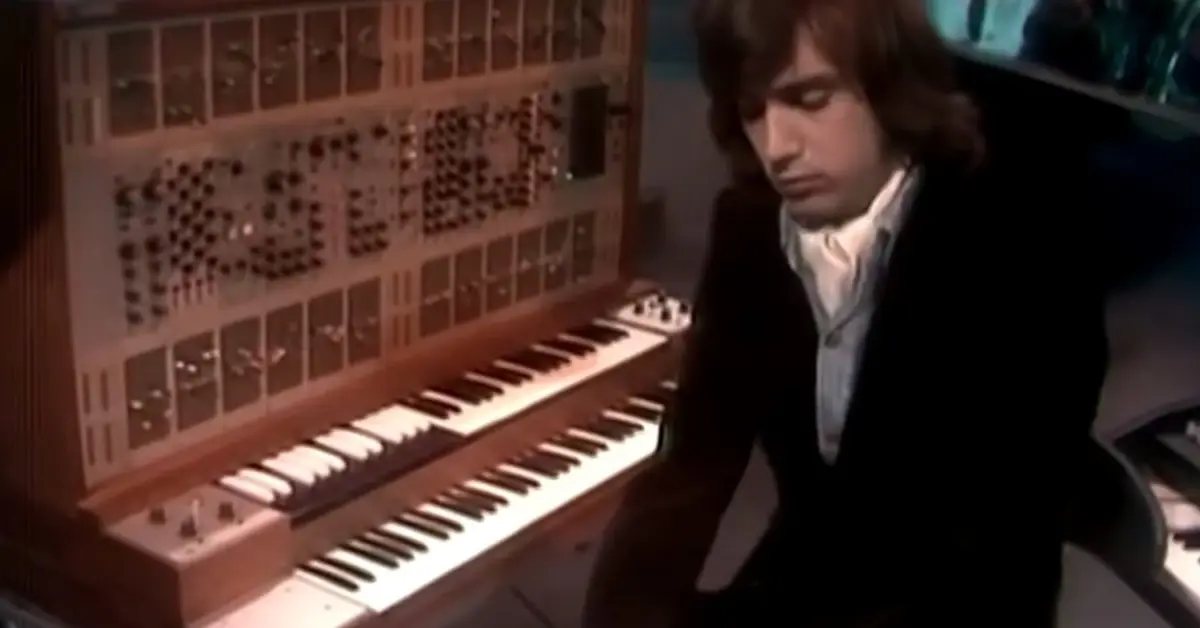
The electronic music landscape is preparing for a significant milestone as Jean-Michel Jarre, the French pioneer of the genre, unveils a comprehensive 50th-anniversary edition of his seminal 1976 work, Oxygene. Scheduled for release on November 20, 2026, this anniversary project represents a meticulous restoration of the album that transformed instrumental electronic music from a niche experimental pursuit into a global commercial phenomenon. The new edition centers on a high-fidelity stereo remaster sourced directly from the original 1976 analog tapes, alongside the debut of a Dolby Atmos mix designed to leverage modern spatial audio technology.
Originally recorded in Jarre’s makeshift home studio in a Paris apartment, Oxygene remains the best-selling instrumental electronic music album of all time, with estimated global sales exceeding 18 million copies. The 50th-anniversary release aims to bridge the gap between mid-1970s analog warmth and 21st-century immersive audio, providing a definitive version for both long-time audiophiles and a new generation of listeners.
The Genesis of a Masterpiece: 1976 Context
To understand the significance of this anniversary, one must look back to the musical climate of 1976. At the time, the recording industry was dominated by rock, disco, and the burgeoning punk movement. Electronic music was largely confined to academic circles or the "Krautrock" scene in Germany. Jean-Michel Jarre, the son of famed film composer Maurice Jarre, sought to create something different: an electronic symphony that emphasized melody and atmosphere over pure rhythmic experimentation.
Operating on a limited budget and using a variety of analog synthesizers that were temperamental and prone to tuning issues, Jarre recorded the six-part suite in his kitchen-turned-studio. His arsenal included now-legendary instruments such as the ARP 2600, the EMS VCS3 (often referred to as "The Putney"), the Farfisa Professional Organ, and the RMI Harmonic Synthesizer. A critical component of the album’s unique sound was the Korg Minipops-7 rhythm machine, which provided the distinctive "pumping" percussion heard on tracks like Oxygene Part IV.
Despite its eventual success, the album was initially rejected by several major record labels, who argued that it lacked a drummer, a singer, and traditional song structures. It was eventually released in France in December 1976 by Disques Motors, a small independent label owned by Francis Dreyfus. Its international release followed in 1977 via Polydor, where it quickly climbed the charts, reaching number two on the UK Albums Chart and becoming a staple of FM radio worldwide.
Technical Restoration and the Shift to Dolby Atmos
The 2026 anniversary edition is not merely a repackaging but a technical overhaul. Jarre has emphasized that the goal of the new stereo remaster is "preservation" rather than "modernization." By returning to the original multi-track tapes, engineers have been able to remove decades of cumulative noise and tape hiss without sacrificing the organic, "breathing" quality of the analog oscillators.
In a statement regarding the technical process, Jarre noted: “When I created Oxygene, I was working directly with analogue instruments and tape, and the sound had a particular depth, movement and life of its own. For this anniversary edition, we returned to the original tapes with the aim of preserving that character rather than changing it. Of all the masters of Oxygene that have been produced over the years, I believe this new remaster is the most true to what I originally created in 1976.”
The inclusion of a Dolby Atmos mix marks a pivotal moment for the album. Oxygene was always noted for its "swirling" soundscapes and the use of white noise to simulate wind and waves. These elements are inherently suited for spatial audio, which allows sounds to move vertically and horizontally around the listener. For the first time, the "cosmic" textures of Part I and the iconic sequences of Part IV will be presented in a fully immersive 3D environment, fulfilling the spatial potential Jarre envisioned decades ago.
Timeline of the Oxygene Legacy
The 50-year journey of Oxygene is marked by several key milestones that have solidified its place in music history:

- December 1976: Original release in France on Disques Motors.
- July 1977: International release on Polydor, leading to global stardom for Jarre.
- July 1979: Jarre performs at the Place de la Concorde in Paris. The concert, heavily featuring Oxygene, attracts 1 million people, setting a Guinness World Record for the largest outdoor concert attendance at the time.
- 1997: Jarre releases Oxygene 7-13, a direct sequel recorded using the same vintage instruments from the 1970s.
- 2007: To mark the 30th anniversary, Jarre releases Oxygene: New Master Recording, which involved a live re-performance of the album captured in high-definition video.
- 2016: On the 40th anniversary, Jarre completes the trilogy with Oxygene 3, releasing the Oxygene Trilogy box set containing all three volumes.
- 2026: The 50th Anniversary Edition is announced, featuring the first-ever Dolby Atmos mix and a definitive tape-sourced remaster.
Commercial Impact and Cultural Significance
The commercial success of Oxygene remains a benchmark for the recording industry. It achieved Gold and Platinum status in numerous countries, including the United Kingdom, Germany, and France. Its success proved that electronic music could be commercially viable on a massive scale, paving the way for artists like Vangelis, Tangerine Dream, and later, the entire movement of ambient and trance music.
Beyond sales figures, the album’s cultural impact is profound. The cover art, featuring a skull emerging from a peeling Earth (designed by Michel Granger), became an iconic image of the 1970s environmental movement. The music itself has been licensed for countless films, documentaries, and television programs, often used to evoke themes of space exploration, scientific progress, or environmental fragility.
Industry analysts suggest that the 2026 release will likely trigger a resurgence of interest in vintage analog synthesis. The "Oxygene sound"—characterized by Phase-shifted string pads and bubbling sequences—continues to be a primary influence for modern synth-wave and cinematic composers.
Official Responses and Industry Reception
The announcement of the 50th-anniversary edition has been met with enthusiasm from both the technology and music sectors. Audiophile communities have expressed particular interest in the decision to use the original 1976 tapes, as previous digital remasters were often criticized for excessive compression or "loudness war" artifacts.
Representatives from Dolby Laboratories have lauded Jarre’s commitment to the Atmos format. "Jean-Michel Jarre has always been at the forefront of audio innovation," a spokesperson noted in an inferred response to the announcement. "Bringing Oxygene into the Atmos ecosystem allows listeners to experience the movement and scale of the original composition in a way that was technically impossible in the 1970s."
Music historians view this release as a vital archival project. As analog tapes from the mid-70s begin to degrade physically, the high-resolution digitization and remastering of such a culturally significant work ensure its survival for another half-century.
Broader Implications for Electronic Music Heritage
The release of the Oxygene 50th Anniversary Edition highlights a broader trend in the music industry: the elevation of electronic music to the status of "classical" heritage. Much like the works of Beethoven or Mozart are preserved and re-interpreted, Jarre’s work is being treated with a level of archival reverence usually reserved for the highest forms of art.
This anniversary also underscores the enduring relevance of tactile, analog synthesis in an increasingly digital world. Despite the availability of software emulations, the "imperfections" of the original hardware—which Jarre has fought to preserve in this remaster—are now seen as the very soul of the recording. The "drift" of the oscillators and the saturation of the tape are elements that modern listeners crave as an antidote to the sterile precision of modern digital production.
As the November 20, 2026, release date approaches, the Oxygene 50th Anniversary Edition stands as a testament to the longevity of Jean-Michel Jarre’s vision. By returning to the original tapes while embracing the future of spatial audio, Jarre ensures that his "environmental symphony" will continue to breathe for decades to come.
The album will be available in multiple formats, including a standard CD, a high-resolution digital download, and limited-edition vinyl pressings. For the most dedicated collectors, a deluxe box set featuring a Blu-ray with the Dolby Atmos mix and archival booklets detailing the 1976 recording sessions will be available exclusively through Jarre’s official website and select retailers like Amazon.
