

The announcement of the 50th-anniversary editions of Oxygene marks a significant milestone in the history of electronic music, celebrating a work that fundamentally altered the trajectory of the genre. Jean-Michel Jarre, the French composer and producer widely regarded as a pioneer of synthesized sound, has confirmed that a comprehensive suite of anniversary releases will be made available on November 20, 2026. This release cycle is designed to honor the legacy of the 1976 masterpiece, which remains the best-selling instrumental electronic music album of all time, with estimated global sales exceeding 18 million copies. The 50th-anniversary project involves a meticulous return to the original multi-track tapes, offering both a high-fidelity stereo remaster and a groundbreaking immersive experience through Dolby Atmos technology.
Originally recorded in a makeshift home studio in Paris between August and November 1976, Oxygene was a product of Jarre’s vision to create a bridge between the academic electronic music of the mid-20th century and the emerging pop sensibilities of the 1970s. At the time of its inception, the album was a radical departure from the prevailing musical trends, eschewing traditional percussion and vocals in favor of layered textures, melodic sequences, and atmospheric soundscapes. The upcoming anniversary editions seek to preserve the "organic" quality of these early recordings while utilizing modern spatial audio technology to realize the three-dimensional potential Jarre originally envisioned for the work.
Historical Context: The Birth of a Revolution in Sound
To understand the significance of the 50th-anniversary release, one must examine the environment in which Oxygene was conceived. In 1976, electronic music was largely divided into two camps: the avant-garde experimentation of institutions like the Groupe de Recherches Musicales (GRM)—where Jarre studied under Pierre Schaeffer—and the nascent "Berlin School" of Tangerine Dream and Klaus Schulze. Jarre’s objective was to create a "liquid" sound that prioritized melody and emotion over purely technical experimentation.
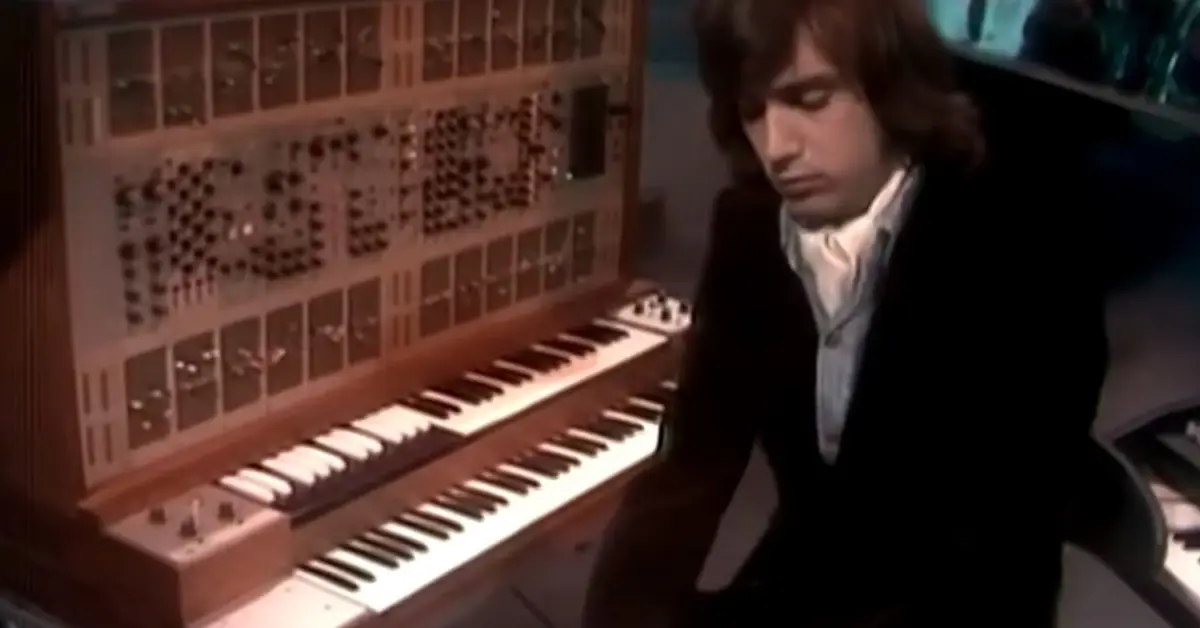
Working in his apartment kitchen with a modest array of equipment, Jarre utilized a collection of synthesizers that have since become legendary. These included the ARP 2600, the EMS VCS3 (famously used by Pink Floyd and The Who), the RMI Harmonic Synthesizer, and the Eminent 310 Unique—an electronic organ that provided the lush, phased string textures synonymous with the album’s sound. To compensate for the lack of a human drummer, Jarre employed a Korg Mini Pops 7 rhythm machine, processing its primitive patterns through external effects to create a more integrated percussive element.
Despite its eventual success, the album initially faced significant industry resistance. Multiple record labels rejected the demo, citing a lack of commercial potential due to its instrumental nature and the absence of a traditional structure. It was eventually picked up by Francis Dreyfus of Les Disques Motors, who released it in France in December 1976. The subsequent international distribution by Polydor in 1977 saw the album reach the top of the charts in several countries, including the United Kingdom, where it peaked at number two on the Official Albums Chart.
Technical Specifications of the 50th Anniversary Remaster
The core of the 2026 anniversary release is the commitment to sonic authenticity. Jarre has emphasized that the goal of the remaster was not to "modernize" the sound by applying heavy digital compression or excessive equalization, but rather to clean the original signal path and reveal the hidden nuances of the 1976 tapes. The process involved high-resolution digitization of the original 1/4-inch master tapes, ensuring that the warmth and "saturation" of the analog medium were maintained.
A primary feature of this edition is the inclusion of a Dolby Atmos mix. As an early adopter of multichannel audio—ranging from the 5.1 surround sound of the 2004 album AERO to his recent 360 Reality Audio projects—Jarre views spatial audio as the natural evolution of electronic composition. The Dolby Atmos version of Oxygene allows individual elements, such as the swirling white noise of "Oxygene (Part II)" or the rhythmic pulses of "Oxygene (Part IV)," to be placed precisely within a three-dimensional sound field. This format provides listeners with a sense of immersion that was technically impossible during the album’s original release, effectively turning the listening environment into the center of Jarre’s electronic landscape.

"When I created Oxygene, I was working directly with analogue instruments and tape, and the sound had a particular depth, movement and life of its own," Jarre stated during the announcement. "For this anniversary edition, we returned to the original tapes with the aim of preserving that character rather than changing it. Of all the masters of Oxygene that have been produced over the years, I believe this new remaster is the most true to what I originally created in 1976."
Chronology of the Oxygene Legacy
The 50th-anniversary release serves as the culmination of a half-century-long evolution of the Oxygene concept. Over the decades, Jarre has returned to this specific sonic universe to expand its narrative and technical boundaries:
- 1976-1977: The original release of Oxygene (Parts I through VI). It establishes Jarre as a global star and introduces electronic music to a mass audience.
- 1997: Release of Oxygene 7–13. Recorded twenty years after the original, this sequel utilized both vintage analog gear and modern digital workstations to continue the story, proving the timelessness of the original aesthetic.
- 2007: Oxygene: New Master Recording. For the 30th anniversary, Jarre re-recorded the entire album live in a studio setting with a team of musicians, using the original instruments to capture the performance on video in high definition.
- 2016: Oxygene 3 (Parts 14 through 20). Released on the 40th anniversary of the original, this final chapter completed the trilogy. Jarre composed and recorded the album in just six weeks, mirroring the rapid creative process of the 1976 original.
- 2026: The 50th Anniversary Edition. A focus on archival restoration and spatial audio, cementing the album’s status as a foundational pillar of modern music.
Cultural and Industry Implications
The enduring popularity of Oxygene is often attributed to its conceptual depth. The album’s cover art, featuring a skull emerging from a peeled-back Earth, was a stark ecological warning long before environmentalism became a mainstream political movement. This thematic weight, combined with the accessible yet sophisticated music, allowed the album to transcend the "novelty" status often assigned to early electronic works.
From an industry perspective, Oxygene proved that electronic music could be a viable commercial product. Its success paved the way for the synth-pop explosion of the 1980s and the electronic dance music (EDM) movements of the 1990s and 2000s. Contemporary artists in the ambient, techno, and trance genres frequently cite Jarre’s work as a primary influence. The 50th-anniversary edition is expected to trigger a renewed interest in "Daw-less" (Digital Audio Workstation-less) production and the use of vintage hardware among a new generation of producers.
Furthermore, the release highlights the ongoing trend of "prestige" catalog management in the music industry. As legacy artists reach major anniversaries, the demand for high-quality, technically superior reissues continues to grow. By leveraging Dolby Atmos, Jarre is not only appealing to nostalgic fans who purchased the original vinyl in 1977 but also to audiophiles and tech enthusiasts who prioritize the latest in home theater and headphone technology.
Availability and Release Details
The Oxygene 50th Anniversary Edition is scheduled for a global release on November 20, 2026. The release will be available across multiple formats to cater to different segments of the market. Digital platforms will host the stereo remaster and the Dolby Atmos version, while physical formats will include high-fidelity vinyl pressings and a comprehensive box set.
Pre-orders have already commenced via major retailers such as Amazon, with exclusive limited-edition versions available through Jean-Michel Jarre’s official webstore. These limited editions are rumored to include archival materials, such as never-before-seen photographs from the 1976 home studio sessions and extensive liner notes detailing the technical hurdles faced during the original production.
As the music world prepares for this milestone, the 50th anniversary of Oxygene serves as a reminder of the power of innovation. What began as a lonely experiment in a Paris kitchen has become a universal language, and with the upcoming 2026 remaster, Jean-Michel Jarre ensures that the "breath" of electronic music continues to resonate with clarity and depth for future generations.
