

The global music community is preparing to mark a half-century of one of the most influential recordings in the history of synthesized sound. Jean-Michel Jarre, the French composer and multi-instrumentalist often cited as the "godfather of electronic music," has officially announced the upcoming release of the Oxygene 50th Anniversary Edition. This comprehensive reissue, scheduled for worldwide distribution on November 20, 2026, celebrates the five-decade legacy of an album that transformed electronic music from a niche experimental curiosity into a dominant global genre. Recorded in a makeshift home studio in Paris during the summer of 1976, Oxygene remains the best-selling instrumental electronic album of all time, with estimated sales exceeding 18 million copies worldwide.
The 50th-anniversary project represents a meticulous effort to bridge the gap between mid-1970s analog warmth and 21st-century spatial audio technology. According to official statements from Jarre’s production team, the anniversary edition utilizes the original 1976 master tapes as the foundation for a brand-new stereo remaster. In a significant technological update, the album will also be presented in Dolby Atmos for the first time, offering listeners an immersive three-dimensional experience that aligns with Jarre’s lifelong pursuit of architectural soundscapes.
The Preservation of Analog Character
Central to the 50th-anniversary release is the philosophy of preservation over reconstruction. In the decades following its initial 1976 release in France and its subsequent 1977 international debut, Oxygene has seen various re-pressings and digital transfers. However, Jarre has noted that many previous iterations lost the specific "breath" and organic movement inherent in the original analog recording process.
"When I created Oxygene, I was working directly with analogue instruments and tape, and the sound had a particular depth, movement, and life of its own," Jarre stated regarding the new project. "For this anniversary edition, we returned to the original tapes with the aim of preserving that character rather than changing it. Of all the masters of Oxygene that have been produced over the years, I believe this new remaster is the most true to what I originally created in 1976."
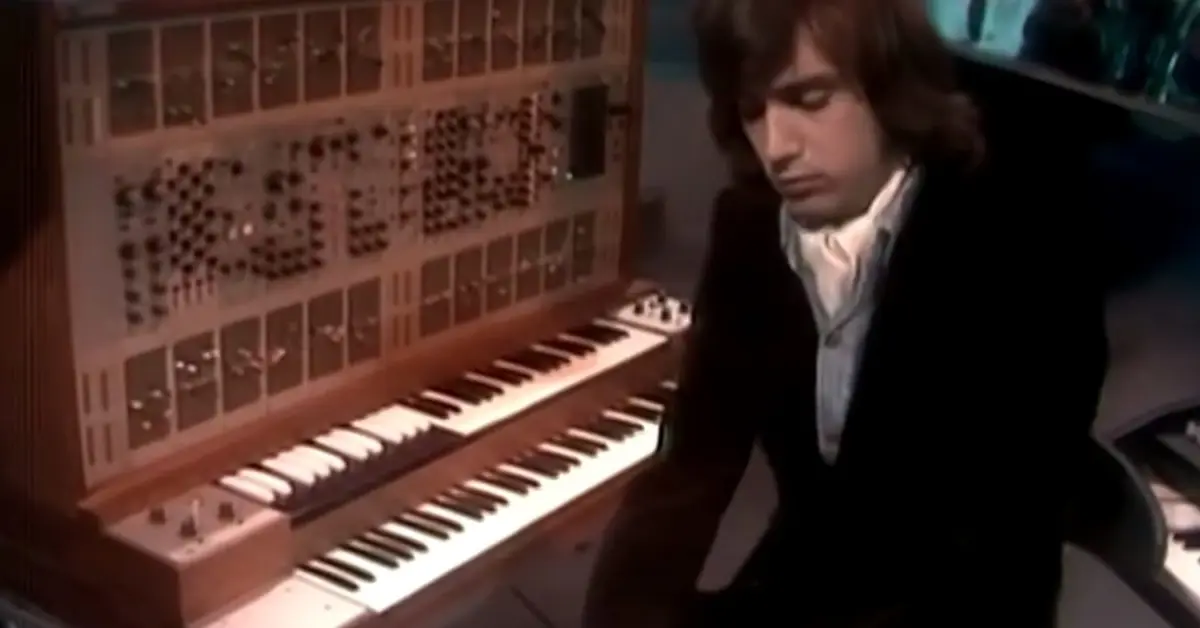
The decision to return to the original tapes is a technical challenge that requires careful restoration of magnetic media that is now half a century old. By avoiding modern over-compression and excessive digital cleaning, the 2026 remaster aims to retain the "flutter" and harmonic saturation of the vintage synthesizers used during the sessions, such as the ARP 2600, the EMS VCS3, and the Farfisa Professional Organ.
Historical Context: The Kitchen Studio Revolution
To understand the significance of this 50th-anniversary milestone, it is necessary to examine the environment in which Oxygene was conceived. In 1976, electronic music was largely divided between the academic avant-garde and the rhythmic "motorik" sounds emerging from Germany via bands like Kraftwerk and Tangerine Dream. Jarre, a former student of the Groupe de Recherches Musicales (GRM) under the tutelage of concrete music pioneer Pierre Schaeffer, sought a middle ground that emphasized melody and atmosphere.
Facing rejection from major record labels who claimed the album "had no drummer and no singer" and was therefore unmarketable, Jarre recorded the project in his apartment kitchen, which he had converted into a home studio. Using an 8-track Scully recorder, he layered sounds from a collection of now-legendary synthesizers. The resulting six-part suite was eventually picked up by Francis Dreyfus of Les Disques Motors.
The initial French release in December 1976 was a slow-burning success that ignited into a global phenomenon in 1977. Oxygene Part IV, the album’s most recognizable track, became a hit single across Europe, reaching number four on the UK Singles Chart. The album’s success proved that synthesizers could produce music that was emotionally resonant and commercially viable, paving the way for the synth-pop explosion of the 1980s.

Chronology of the Oxygene Legacy
The 50th-anniversary edition is the latest chapter in a timeline that spans five decades of technological and artistic evolution:
- 1976: Original release in France on Les Disques Motors.
- 1977: International release via Polydor Records; the album reaches the Top 10 in multiple countries.
- 1997: Jarre releases Oxygene 7–13, a sequel recorded using the same vintage instruments but with 1990s production techniques.
- 2007: For the 30th anniversary, Jarre releases Oxygene: Live in Your Living Room, a DVD featuring a live performance of the album using original instruments.
- 2016: Jarre completes the trilogy with Oxygene 3, released on the 40th anniversary of the original.
- 2026: The 50th Anniversary Edition is released, featuring the definitive remaster and the debut of the Dolby Atmos mix.
Technical Specifications and Immersive Audio
The introduction of a Dolby Atmos mix is particularly noteworthy for audiophiles. Dolby Atmos is an object-based audio format that allows sound engineers to place individual sounds in a 3D space, including overhead. For an album like Oxygene, which relies heavily on sweeping white-noise effects (simulating wind and waves) and panned melodic sequences, the format offers a new way to experience the "movement" Jarre originally envisioned.
Industry analysts suggest that the move to Atmos is part of a broader trend where legacy artists are revisiting their catalogs to meet the demands of high-end home theater systems and spatial-audio-enabled streaming services like Apple Music and Tidal. By utilizing the original multitrack tapes for the Atmos mix, the engineers can isolate individual synthesizer layers, providing a clarity and separation that was physically impossible on the original 1976 stereo vinyl.
Industry Impact and Cultural Significance
The announcement of the 50th-anniversary edition has been met with enthusiasm from both music critics and hardware enthusiasts. Oxygene is frequently cited as the primary inspiration for the ambient and "new age" genres, as well as a foundational text for modern trance and techno producers.
"Jarre didn’t just make an album; he created a sonic ecosystem," says musicologist Dr. Aris Katos. "Oxygene was an environmental statement, both in its sound—mimicking natural phenomena—and in its iconic cover art by Michel Granger, depicting the Earth peeling away to reveal a skull. Its re-release in 2026 reminds us that electronic music has always had a soul, even when it is made entirely of electricity."
From a market perspective, the release is expected to be a major event in the vinyl revival. Jarre’s official website has confirmed that limited-edition versions, including high-grammage vinyl and deluxe box sets, will be available alongside the digital and Atmos versions. This follows a pattern of high-performing legacy reissues that have bolstered physical media sales in recent years.
Official Release and Availability
The Oxygene 50th Anniversary Edition is slated for a worldwide release on November 20, 2026. Pre-orders have already commenced via major retailers such as Amazon and through Jean-Michel Jarre’s official webstore. The release will be available in several formats:
- Standard CD and Digital: Featuring the 2026 stereo remaster.
- Audiophile Vinyl: A 180g pressing mastered specifically for the analog format to preserve the warmth of the original tapes.
- Digital Spatial Audio: The Dolby Atmos mix available on compatible streaming platforms.
- Limited Edition Box Set: Including the new remaster, the Atmos mix on Blu-ray, and a commemorative book detailing the 1976 recording sessions with never-before-seen photographs of Jarre’s home studio.
As the music industry looks toward the late 2020s, the enduring popularity of Oxygene serves as a testament to the timeless nature of Jarre’s vision. While the technology used to listen to the music has evolved from vinyl and magnetic tape to digital streams and spatial audio, the core compositions—born in a Parisian kitchen 50 years ago—continue to resonate as a definitive benchmark of human creativity in the electronic age.
