

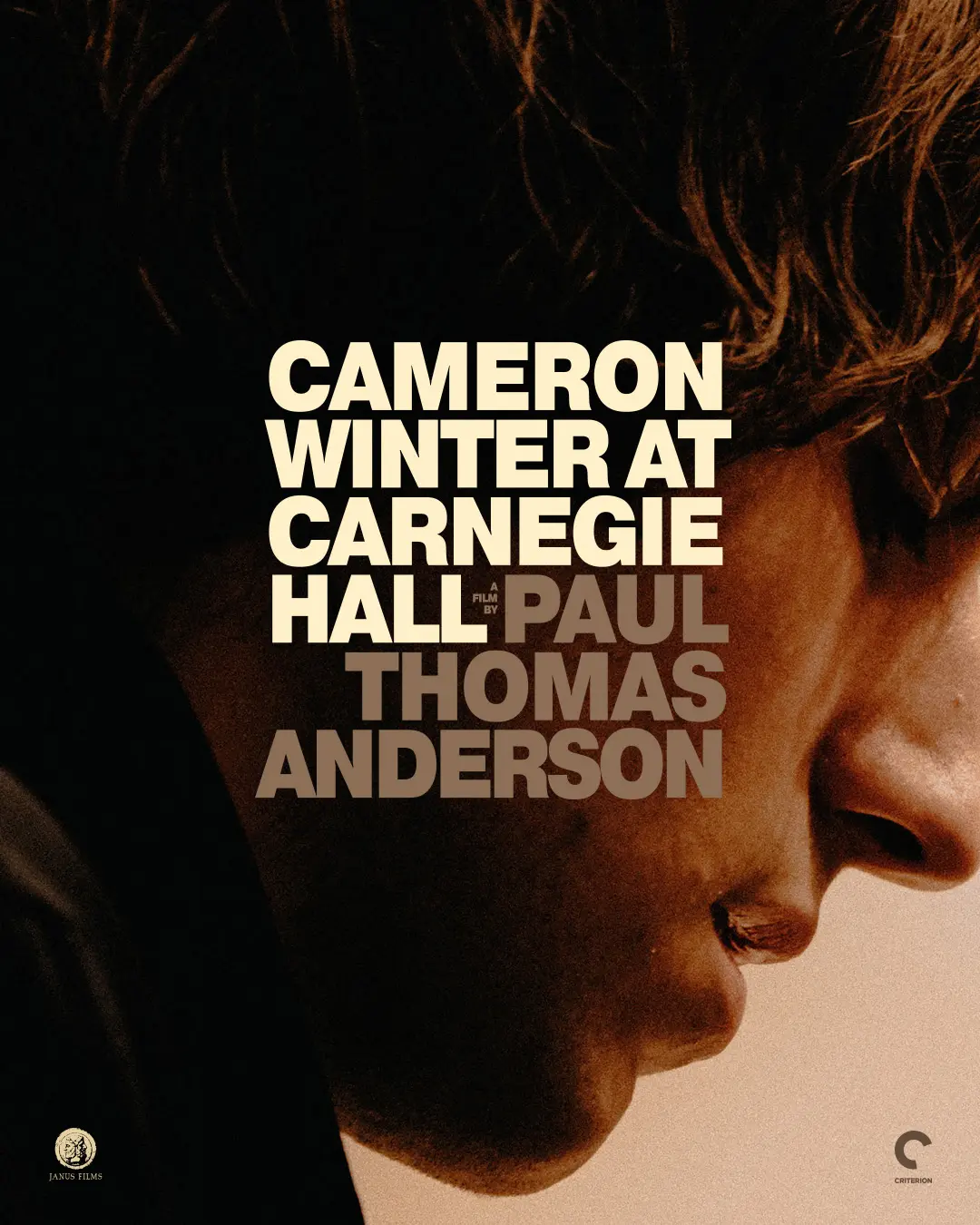
The cinematic event of Cameron Winter At Carnegie Hall, directed by the esteemed Paul Thomas Anderson, is poised to embark on a highly anticipated theatrical tour this fall and winter, following its rapturous reception at the New York Film Festival earlier this month. This concert film captures Geese frontman Cameron Winter’s extraordinary solo debut at the iconic Carnegie Hall last December, an performance that instantly cemented his status as one of the youngest artists to headline the storied venue. The release of the accompanying live album, which earned Stereogum‘s "Album Of The Week" distinction, further underscores the musical profundity of the original concert, now immortalized on screen.
The Genesis of a Historic Performance: Cameron Winter’s Carnegie Hall Debut
The journey of Cameron Winter At Carnegie Hall began on a crisp December evening, when Cameron Winter, primarily known as the dynamic frontman of the Brooklyn-based indie rock band Geese, took to the hallowed stage of Carnegie Hall for a solo performance. This momentous occasion, occurring just last year, was not merely a concert but a pivotal career milestone for Winter. At an age often considered remarkably young for such a prestigious undertaking, his solo headlining act at Carnegie Hall placed him in an exclusive echelon of artists. Carnegie Hall, founded by Andrew Carnegie in 1891, has for over a century served as an unparalleled beacon for musical excellence, hosting legends from Tchaikovsky to The Beatles. To command its main stage, Isaac Stern Auditorium, as a solo artist, particularly one emerging from the indie scene, is an extraordinary testament to an artist’s burgeoning talent and appeal.
Geese, formed in 2016, rapidly gained critical attention with their distinctive blend of post-punk and art-rock, culminating in their acclaimed debut album. Winter’s decision to perform solo at Carnegie Hall signaled a bold expansion of his artistic scope, allowing him to explore a more intimate, perhaps more introspective, facet of his musical identity. The performance itself was described by early attendees as instantly memorable, a blend of raw energy and sophisticated musicianship that captivated the diverse audience. This immediate buzz laid the groundwork for what was to become a significant cultural event, drawing the attention of not only music critics but also luminaries from the film world.
Behind the Lens: Paul Thomas Anderson’s Vision and Artistic Collaboration
The concert’s immediate transition from live performance to cinematic masterpiece was largely due to the unexpected and highly significant presence of acclaimed filmmaker Paul Thomas Anderson. Observed by audience members alongside actor and director Benny Safdie, Anderson was actively filming the performance, a detail that quickly spread through social media and news outlets. Anderson’s involvement immediately elevated the project from a simple concert recording to a highly anticipated cinematic endeavor.
Paul Thomas Anderson is widely regarded as one of the most significant filmmakers of his generation, known for his distinctive visual style, complex narratives, and masterful direction across a diverse filmography that includes critically lauded works such as There Will Be Blood, Magnolia, and Boogie Nights. His preceding fictional feature, One Battle After Another, a film that garnered him multiple Academy Awards, had just cemented his status at the pinnacle of contemporary cinema. For Anderson to follow such a triumphant fictional work with a concert film about an emerging indie artist speaks volumes about his artistic curiosity and his discerning eye for compelling subjects.
Anderson has a documented affinity for music and musicians, having directed numerous music videos for artists like Radiohead (including the evocative "Daydreaming") and Haim, and producing the critically praised music documentary Junun, which captured a collaborative recording session in India. His approach to music on screen is typically immersive and empathetic, focusing not just on the performance but on the emotional resonance and the creative process. His decision to capture Winter’s Carnegie Hall debut suggests he recognized a unique talent and a moment of genuine artistic significance that warranted his meticulous cinematic treatment. The collaboration between Winter and Anderson represents a powerful synergy: an indie musician at a pivotal point in his career meeting a master filmmaker at the height of his powers, creating a cross-disciplinary work that bridges the worlds of contemporary music and auteur cinema. Benny Safdie’s involvement, known for his work with his brother Josh on intense, character-driven films like Uncut Gems and Good Time, further added an edge of independent film credibility to the project, hinting at a raw, authentic capture of the live experience.
From Stage to Screen: The Film’s Journey and Critical Acclaim
The conversion of the live performance into the full-length concert film, Cameron Winter At Carnegie Hall, swiftly moved through production, culminating in its much-anticipated premiere at the New York Film Festival. The festival, a cornerstone of the international film circuit, is renowned for showcasing groundbreaking and artistically significant works, making it a fitting platform for Anderson’s latest. The film’s debut there was met with immediate and widespread critical acclaim. Reviewers lauded Anderson’s directorial prowess in translating the visceral energy of a live performance into a compelling cinematic experience. Critics highlighted the film’s intimate portrayal of Winter’s artistry, the meticulous sound design, and the evocative visual language employed by Anderson, which captured both the grandeur of Carnegie Hall and the raw vulnerability of the artist.
Parallel to the film’s journey, the live album version of the concert also saw release, quickly earning the prestigious "Album Of The Week" title from Stereogum. This recognition from a leading music publication underscored the intrinsic musical quality of Winter’s performance, confirming that the appeal of the project was rooted not only in Anderson’s cinematic genius but also in the powerful artistry of Winter himself. The album provided an auditory complement to the visual narrative, allowing audiences to immerse themselves in the sonic landscape of that December night. Songs like "Dead At 23," briefly sampled in the trailer, became focal points, showcasing Winter’s lyrical depth and vocal command, resonating deeply with listeners. The synergy between the critically lauded album and the celebrated film created a multi-platform artistic triumph.
A Glimpse into the Cinematic Experience: The Trailer’s Debut
The public’s first visual encounter with Cameron Winter At Carnegie Hall arrived recently with the release of a concise, minute-long official trailer. Despite its brevity, the trailer offered a potent distillation of the film’s aesthetic and emotional core, generating significant anticipation across both film and music communities. The most striking element immediately apparent was the film’s deliberate "crackly film aesthetic." This artistic choice, eschewing ultra-clean digital sharpness for a more textured, almost vintage feel, speaks to Anderson’s commitment to a specific visual language. It evokes the tangible quality of celluloid, suggesting a timelessness and an organic connection to the analog roots of music and cinema. This aesthetic choice is not merely nostalgic; it imbues the footage with a sense of authenticity and warmth, enhancing the emotional impact of Winter’s performance.
Within the trailer, viewers catch a quick snatch of Winter’s performance of "Dead At 23," a track that, even in its brief snippet, conveys the intensity and melodic intricacy present in the full concert. Visually, the trailer depicts the scene both inside and outside Carnegie Hall, showing the audience beginning to gather, creating an atmosphere of anticipation and communal experience. Shots of the iconic venue’s exterior, juxtaposed with the hushed reverence of the interior, establish the grandeur of the setting. While the trailer reveals no surprising narrative twists—as is typical for a concert film—it masterfully communicates the film’s overall mood and visual integrity. The exquisite cinematography and the palpable atmosphere teased in these sixty seconds reinforce the notion that this is not merely a document of a concert, but a carefully crafted piece of cinematic art designed to immerse the viewer in a singular live music experience. The trailer effectively served its purpose, transforming the abstract concept of a concert film into a tangible, aesthetically rich promise of what is to come.
The Grand Tour: 35mm Screenings and a Strategic Distribution
The distribution strategy for Cameron Winter At Carnegie Hall underscores its artistic gravitas and the collaborative vision behind it. The film is slated for a special theatrical tour throughout the fall and winter, commencing on November 20th at two prominent New York theaters, before expanding to other select venues. Crucially, these initial screenings will be presented on 35mm film. This choice is a significant statement in an era dominated by digital projection. The involvement of Janus Films and Criterion, two entities revered for their dedication to cinematic preservation and high-quality film distribution, further elevates the touring version of the film.
Janus Films, established in 1957, has been instrumental in introducing classic and contemporary international cinema to American audiences, while The Criterion Collection, their home video distribution arm, is synonymous with meticulously curated, definitive editions of important films. Their supervision of the tour on 35mm film is a deliberate artistic decision. Projecting on 35mm offers a unique viewing experience, characterized by a distinct warmth, depth, and a subtle, organic grain that digital projection often struggles to replicate. It appeals to cinephiles and purists who appreciate the tactile, almost living quality of film. This commitment to traditional celluloid projection not only honors the craft of filmmaking but also ensures that audiences experience Anderson’s work as he intended, reinforcing the film’s artistic integrity and its potential for enduring cultural impact. This limited, curated theatrical release provides an exclusive opportunity for audiences to engage with the film in a truly immersive and authentic format, making each screening an event in itself.
The Digital Horizon: Mubi’s Role in Future Accessibility
While the initial focus for Cameron Winter At Carnegie Hall is on its exclusive 35mm theatrical tour, plans are already in motion for broader digital accessibility in the near future. Mubi, the curated streaming service known for its hand-picked selection of international, independent, and cult cinema, is reportedly slated to stream the movie at some point next year. This strategic two-tiered release approach allows the film to first enjoy a prestigious, high-fidelity theatrical run, catering to discerning film enthusiasts and those who seek the communal cinema experience, before transitioning to a wider audience through a reputable streaming platform.
Mubi’s involvement is particularly fitting given its mission to showcase artistically significant films that might not receive mainstream theatrical distribution. Its subscriber base is typically composed of cinephiles and those with a keen interest in global and independent cinema, aligning perfectly with the target audience for an Anderson-directed concert film about an indie musician. This staggered release ensures that the film can first be experienced in its most authentic, intended format, while also guaranteeing its long-term availability and reach to a global audience. The eventual streaming release on Mubi will allow a much larger segment of the public to witness Winter’s historic performance and Anderson’s cinematic interpretation, ensuring the film’s longevity and expanding its cultural footprint beyond the initial theatrical circuit.
Broader Implications: A Confluence of Art and Industry
The project of Cameron Winter At Carnegie Hall extends beyond a mere concert film; it represents a significant confluence of artistic disciplines and industry trends, with several profound implications.
Impact on Cameron Winter’s Career: For Cameron Winter, this film serves as a monumental turning point. His solo performance at Carnegie Hall, captured and directed by a filmmaker of Anderson’s stature, significantly elevates his profile far beyond his established role with Geese. It solidifies his identity as a solo artist of serious merit and broadens his appeal to an audience that spans both the indie music scene and the world of prestige cinema. This exposure could open doors to further collaborations and larger platforms, marking him as an artist capable of commanding grand stages and delivering performances worthy of cinematic preservation.
Impact on Paul Thomas Anderson’s Filmography: For Paul Thomas Anderson, Cameron Winter At Carnegie Hall further cements his reputation as a versatile and perpetually curious filmmaker. Following a multi-Oscar-winning fictional feature with a concert film demonstrates his commitment to artistic exploration rather than commercial convention. It reinforces his deep-seated appreciation for music and his unique ability to translate live performance into a compelling cinematic narrative, adding another dimension to his already rich and diverse body of work. This project highlights his status as an auteur who consistently pushes boundaries and finds artistic merit in unexpected places.
Significance for Music Documentaries and Concert Films: The collaboration sets a new benchmark for the genre of music documentaries and concert films. The combination of an emerging, authentic musical talent with a celebrated director using a purist film format (35mm) elevates the artistic standard for future projects. It underscores the potential for concert films to be not just archival records, but deeply artistic and immersive cinematic experiences in their own right, capable of garnering critical acclaim typically reserved for narrative features.
The Future of Independent Art and Cross-Pollination: This project exemplifies the power of cross-disciplinary collaboration in the independent arts scene. The unexpected pairing of an indie rock frontman and an acclaimed auteur director showcases how artists can transcend traditional boundaries to create something truly unique and impactful. It demonstrates the vitality of independent music and film, and how these worlds can intersect to mutual benefit, creating works that resonate with diverse audiences and challenge conventional artistic categories.
Preservation of Film Medium and Viewing Experience: The deliberate choice to screen the film on 35mm, championed by Janus Films and Criterion, is a powerful statement in an increasingly digital world. It advocates for the preservation of film as a medium and champions the unique, irreplaceable viewing experience it offers. In an era where many films are consumed primarily on small screens, this project actively encourages audiences to seek out and appreciate the communal, high-fidelity experience of cinema as an art form. It reminds both industry and audience of the value of presenting films in their purest, most intended form.
In conclusion, Cameron Winter At Carnegie Hall is more than just a concert film; it is a meticulously crafted artistic endeavor that captures a pivotal moment in an artist’s career through the lens of a master filmmaker. Its journey from a historic live performance to a critically acclaimed film, touring on 35mm before reaching global streaming audiences, underscores its significance. This project stands as a testament to the enduring power of live music, the artistry of filmmaking, and the impactful synergy that can arise when these two worlds converge, leaving an indelible mark on contemporary culture.
