

The legal actions, obtained and first reported by Billboard, were filed on Monday, October 19, 2026, by Matthew Hobbs, known professionally as Puppy Songs. Hobbs has cultivated a significant online following, with over 800,000 followers on his TikTok page dedicated to original music about dogs. His track, "Cheese Tax," gained immense traction in March 2023, subsequently featuring in tens of thousands of user-generated TikTok videos and becoming a ubiquitous internet meme. The lawsuits highlight a growing tension between content creators and corporate entities navigating the complex landscape of digital music rights and social media marketing.
The "Cheese Tax" Phenomenon and TikTok’s Licensing Landscape
"Cheese Tax" rapidly ascended to viral status in early 2023, capturing the hearts of millions with its whimsical lyrics and catchy melody centered around a dog’s expectation of a "tax" (a piece of cheese) whenever its owner consumes the dairy product. The song’s simple charm resonated widely, leading to its widespread adoption across TikTok, Instagram Reels, and other short-form video platforms. Its organic spread exemplifies the power of user-generated content and the creator economy, where individual artists can achieve global recognition without traditional label backing.
However, the ease with which content goes viral on platforms like TikTok belies a nuanced and often misunderstood aspect of music licensing. Under TikTok’s terms of service, individual users are generally permitted to use sounds from the in-app library to soundtrack their personal posts without direct cost. This library often includes trending audio clips and music pre-cleared by record labels and publishers for non-commercial use. The "Cheese Tax" song, while available to individual users, was never part of TikTok’s commercial music library. This distinction is critical: commercial accounts, typically operated by brands and corporations, are explicitly restricted to using content from this narrower commercial library or must independently secure synchronization licenses directly from the music rights holders for any other audio.
Matthew Hobbs has a documented history of engaging in proper synch deals with various brands, including BarkBox, Purina, Petco, and DoorDash, demonstrating his proactive approach to managing his intellectual property and monetizing his viral creations ethically. The core of his current lawsuits rests on the assertion that Kroger and LG Electronics bypassed this established protocol, allegedly leveraging his copyrighted work for their commercial gain without authorization or compensation.
Specific Allegations Against Kroger and LG Electronics
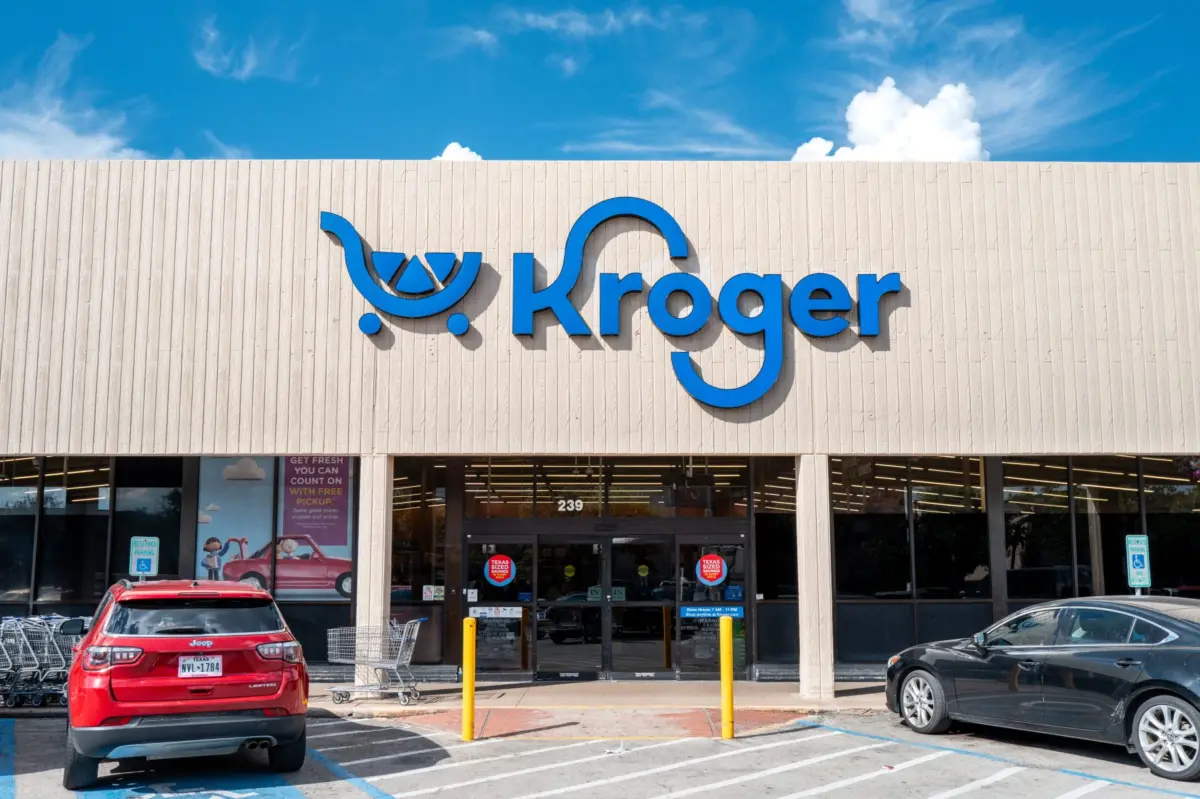
According to the lawsuits, Kroger, a nationwide supermarket chain, allegedly sought to capitalize on the burgeoning popularity of "Cheese Tax" in March 2023. The company is accused of featuring the song in a social media advertisement on its commercial TikTok page. The complaint details that the video remained publicly available on Kroger’s commercial TikTok page for "more than three years," indicating its initial posting around March 2023 and its removal in April 2026. Hobbs asserts that "each day the Video remained publicly available on Defendant’s commercial TikTok page constituted a separate act of infringement."
Concurrently, LG Electronics faced similar allegations. In the same month of March 2023, LG allegedly used "Cheese Tax" as the soundtrack for a promotional video depicting a dog beside an open refrigerator, a product sold by the brand. Both companies reportedly removed their respective videos in April 2026, following legal demands sent by Hobbs’s legal representation. Despite the takedowns, Hobbs claims he has yet to receive any compensation for the unauthorized use of his copyrighted material.
Hobbs is seeking financial damages from both Kroger and LG Electronics for copyright infringement. Additionally, the lawsuit against LG includes a claim for unauthorized removal of copyright management information, a separate violation under copyright law that pertains to the alteration or deletion of information identifying the copyright owner or the work itself. This specific claim often indicates a more egregious attempt to obscure the origin or ownership of the copyrighted material.
The Broader Context of Corporate Social Media and Music Licensing
The lawsuits against Kroger and LG Electronics are not isolated incidents but rather symptomatic of a pervasive and escalating issue within digital marketing. Over the past few years, it has become increasingly common for music rights holders – ranging from individual artists like Hobbs to major record labels – to initiate legal action over unlicensed music usage on corporate social media accounts. This trend underscores the challenges brands face in navigating the complex web of copyright laws in the fast-paced, content-driven social media environment.
Many of these disputes are settled privately, often through licensing agreements or undisclosed financial settlements. However, a growing number have escalated to formal litigation, pulling well-known brands into public legal battles. Companies such as Chili’s, Marriott, Crumbl, and EssilorLuxottica have all found themselves embroiled in lawsuits over similar allegations of using copyrighted music without proper synchronization licenses on their commercial social media platforms. These cases serve as stark reminders that the viral nature of platforms like TikTok does not negate intellectual property rights.

The typical synchronization license fee, which grants permission to use a piece of music in conjunction with visual media, can vary wildly depending on the artist’s stature, the song’s popularity, the scope of use (e.g., local, national, international), the duration of use, and the specific medium (e.g., TV commercial, film, social media). For a viral track like "Cheese Tax" used by national brands like Kroger and LG, such fees could range from thousands to tens of thousands of dollars, or even more, depending on negotiation and perceived commercial value. The failure to secure such a license not only exposes companies to statutory damages for copyright infringement – which can be substantial, often up to $150,000 per infringed work for willful infringement – but also to legal costs and potential reputational damage.
Kroger’s Repeated Encounters with Music Copyright Infringement Claims
Notably, this is not Kroger’s first foray into such legal challenges. Just two months prior to Hobbs’s lawsuit, in August 2026, Sony Music Group filed a separate lawsuit against the grocery giant. That action alleged unauthorized use of songs by global superstars such as Harry Styles, Mariah Carey, Miley Cyrus, and SZA in various TikTok and Instagram posts by Kroger. This pattern of alleged infringement suggests a potential systemic issue within Kroger’s social media marketing practices or a significant oversight in its music licensing compliance.
The repeated legal challenges faced by a major corporation like Kroger highlight a critical gap in understanding or adherence to intellectual property laws among some large enterprises. While individual social media managers might be tempted to use trending sounds to boost engagement, the corporate responsibility for ensuring proper licensing falls on the brand itself. The ease of access to popular music on platforms like TikTok can create a false sense of permission, blurring the lines between personal and commercial use.
Implications for Brands, Creators, and the Digital Marketing Landscape
These lawsuits carry significant implications for various stakeholders:
For Brands: The increasing frequency and visibility of these legal battles necessitate a re-evaluation of social media content strategies. Brands must implement robust internal protocols for music licensing, ensuring that every piece of audio used in commercial posts is properly cleared. This often involves working with legal teams, music supervisors, or specialized licensing agencies. The financial risks of non-compliance, including substantial damages and legal fees, far outweigh the cost of securing proper licenses. Furthermore, reputational damage from being perceived as infringing on creators’ rights can erode consumer trust, particularly among younger, digitally native audiences who often champion independent artists.
For Creators: These cases serve as a powerful validation of intellectual property rights in the digital age. They empower independent artists and content creators to protect their work and demand fair compensation when their creations are exploited for commercial gain. As the creator economy continues to flourish, such legal precedents underscore the value of original content and the importance of holding large corporations accountable. Matthew Hobbs’s proactive pursuit of these lawsuits sends a clear message that viral success does not equate to public domain, and creators deserve to be compensated for their contributions to commercial campaigns.
For Social Media Platforms: While platforms like TikTok provide commercial music libraries, these incidents highlight the need for clearer guidelines and potentially more stringent enforcement mechanisms for corporate accounts. The platforms themselves are often caught in the middle, benefiting from user engagement but also facing pressure to facilitate fair compensation for rights holders. There’s an ongoing debate about how platforms can better educate brands and streamline the licensing process to prevent such infringements.
For the Legal and Marketing Industries: The evolving landscape of digital marketing and music licensing presents new challenges and opportunities for legal professionals specializing in intellectual property. It also forces marketing agencies to prioritize legal compliance in their campaigns, moving beyond simply chasing trends to ensuring ethical and lawful content creation. The proliferation of short-form video content means that the volume of potential infringements is vast, requiring scalable solutions for both licensing and enforcement.
As the digital sphere continues to expand its influence on commerce and culture, the legal battles over intellectual property on social media are likely to intensify. The "Cheese Tax" lawsuits against Kroger and LG Electronics serve as a timely reminder that even the most whimsical viral content is subject to serious legal protections, and corporate entities must exercise due diligence in their pursuit of online engagement. The outcome of these cases could further shape the standards of accountability for brands operating in the dynamic world of social media marketing.
