

The landscape of guitar effects innovation has consistently found its most fertile ground within the realm of "big box" pedals. These larger format units, endowed with superior processing power and expansive control surfaces, have become the crucible where boutique brands forge groundbreaking sonic tools. Over the past decade, this segment has witnessed a significant surge in experimental design and advanced functionality, allowing manufacturers to move beyond conventional effect paradigms and deliver instruments that redefine sonic manipulation.
At the vanguard of this transformative movement stands Meris, a company that has, for some time, been synonymous with avant-garde pedal design. The brand’s foundational strength lies in its exceptional pedigree, tracing back to a confluence of industry titans. Meris was co-founded by Terry Burton, a key figure in the development of legendary effects at Line 6, including the groundbreaking ToneCore pedals, and a co-founder of Strymon, a company revered for its high-fidelity digital effects like the Timeline and BigSky. This unique amalgamation of engineering prowess and visionary design, further bolstered by the contributions of a seasoned designer with a portfolio spanning numerous blue-chip companies, has enabled Meris to consistently deliver pedals that are not merely effects units, but instruments of artistic expression.
This rare fusion of talent has culminated in a decade of creating truly mesmerising pedals, pushing the envelope of what a stompbox can achieve. Meris’s recent forays into the big box format, exemplified by the acclaimed LVX modular delay and the expansive Mercury X reverb, have demonstrated an unparalleled ability to take established effect categories and infuse them with unprecedented depth, flexibility, and a distinctly experimental edge, all within a pedalboard-friendly footprint. These offerings have consistently challenged musicians to rethink the capabilities of their signal chain, inviting them into a world of complex, evolving soundscapes.
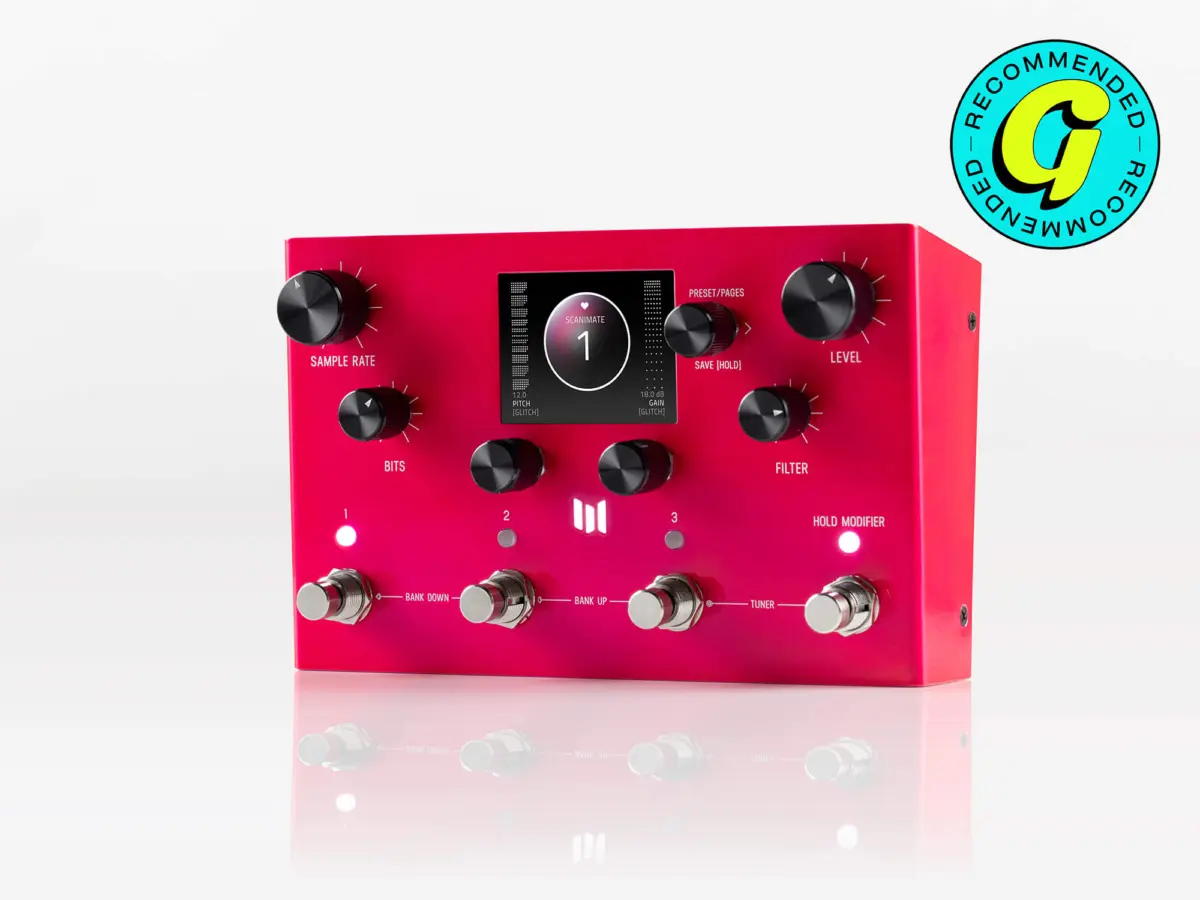
Therefore, when Meris announces the launch of a new big box pedal, it warrants significant attention from the global music community. The latest entrant, the Ottobit X, priced at $599/£599, arrives with considerable anticipation, poised to potentially be the brand’s most ambitious pedal to date. This new flagship unit promises to elevate the art of lo-fi and bit-crushing effects to an entirely new dimension, integrating a comprehensive suite of features designed to transform audio signals into textures ranging from nostalgic retro sounds to futuristic glitches.
The Evolution of Meris: A Legacy of Innovation
Meris’s trajectory in the competitive effects pedal market is a testament to its commitment to innovation and sonic excellence. Founded by individuals with deep roots in developing some of the most influential digital effects of the last two decades, the company quickly established itself as a purveyor of high-end, musically inspiring tools. Terry Burton’s experience at Line 6, particularly with the ToneCore series, provided foundational knowledge in creating compact, versatile digital effects. His subsequent role as a co-founder of Strymon cemented his reputation in the realm of premium digital signal processing, contributing to pedals that set new benchmarks for sound quality and feature sets in delay, reverb, and modulation.
This rich background has imbued Meris with a distinctive design philosophy that prioritises sonic fidelity, intricate control, and a penchant for pushing creative boundaries. From its initial compact pedals like the Enzo synthesizer and the Hedra pitch-shifter, Meris consistently demonstrated an ability to condense complex algorithms into intuitive, robust enclosures. The subsequent expansion into larger format pedals, such as the LVX and Mercury X, represented a natural evolution, leveraging increased processing power and expanded control surfaces to unlock even greater creative potential. These pedals were not merely bigger versions of existing effects; they were comprehensive sound design platforms, offering modular routing, deep programmability, and unparalleled sonic depth. The LVX, for instance, reimagined delay as a modular synthesis environment, while the Mercury X delivered a reverb engine capable of crafting vast, evolving sonic spaces. The introduction of the Ottobit X follows this lineage, extending Meris’s expertise into the realm of lo-fi and textural processing, building upon a well-established foundation of engineering and design excellence.
From Ottobit Jr. to Ottobit X: A Quantum Leap in Lo-Fi Synthesis
The Meris Ottobit X finds its conceptual genesis in the highly regarded Ottobit Jr., a compact pedal that captivated users with its promise of "audio in, video game out." The Jr. was primarily known as a potent bitcrusher and filter, capable of evoking nostalgic 8-bit and 16-bit soundscapes. The Ottobit X, however, is not simply an upgraded version; it is a complete re-imagining and expansion of that core concept, taking the essence of yesteryear’s nostalgic sounds and propelling them into a future-facing, multifaceted textural machine.
At its core, the Ottobit X is engineered as a full stereo lo-fi and bit-crushing texture generator. It possesses the remarkable ability to transmute a guitar’s signal into a vast array of degraded, nostalgic, and often glitchy sounds. From the worn-out, warbling character of an old VHS tape to the distinct, pixelated audio artifacts reminiscent of classic NES or SNES-era video games, the X version significantly broadens the sonic palette. This expansion moves beyond mere bit-crushing, integrating a sophisticated suite of effects that synergistically combine to create truly unique sonic experiences.
To simply label the Ottobit X as an elaborate lo-fi bit crusher would be to profoundly undersell its capabilities. Meris has packed an extraordinary amount of functionality into this unit. Beyond the fundamental bit-crushing, the pedal incorporates advanced pitch-shifting algorithms, diverse modulation types, sophisticated glitch effects, versatile filtering options, expansive ambient textures, and even delightfully unconventional vinyl-inspired sounds. This comprehensive array of effects ensures that the Ottobit X transcends its predecessor, establishing itself as a standalone sound design workstation.
Unpacking the Sonic Architecture: Features and Functionality
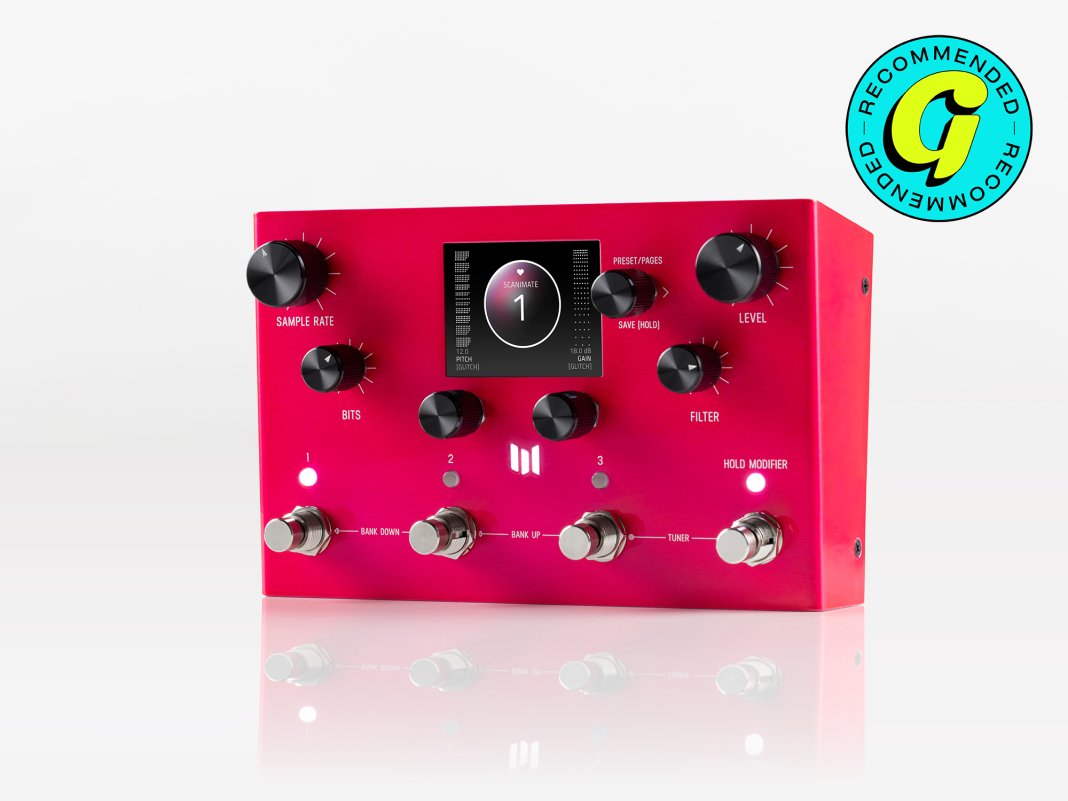
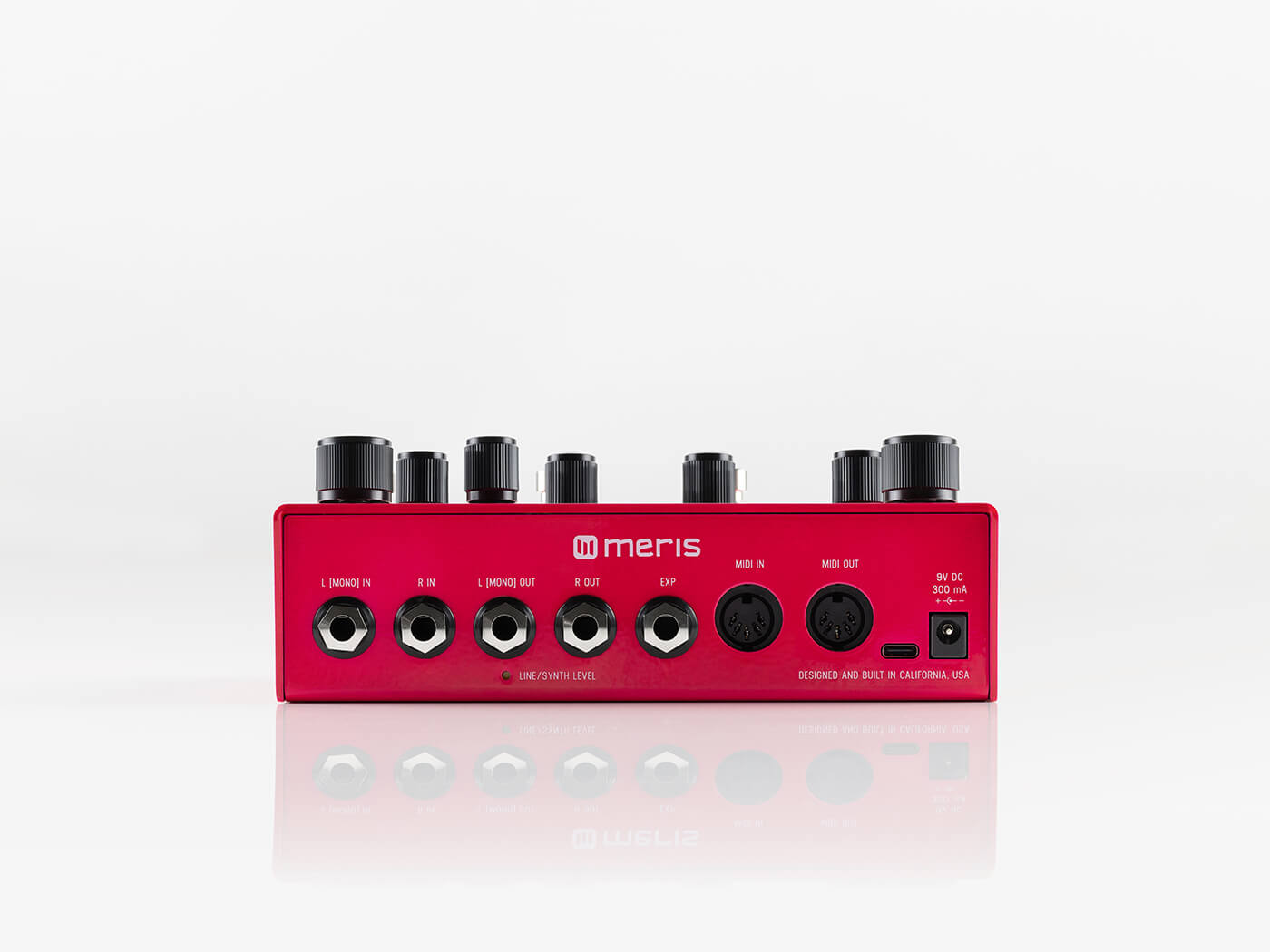
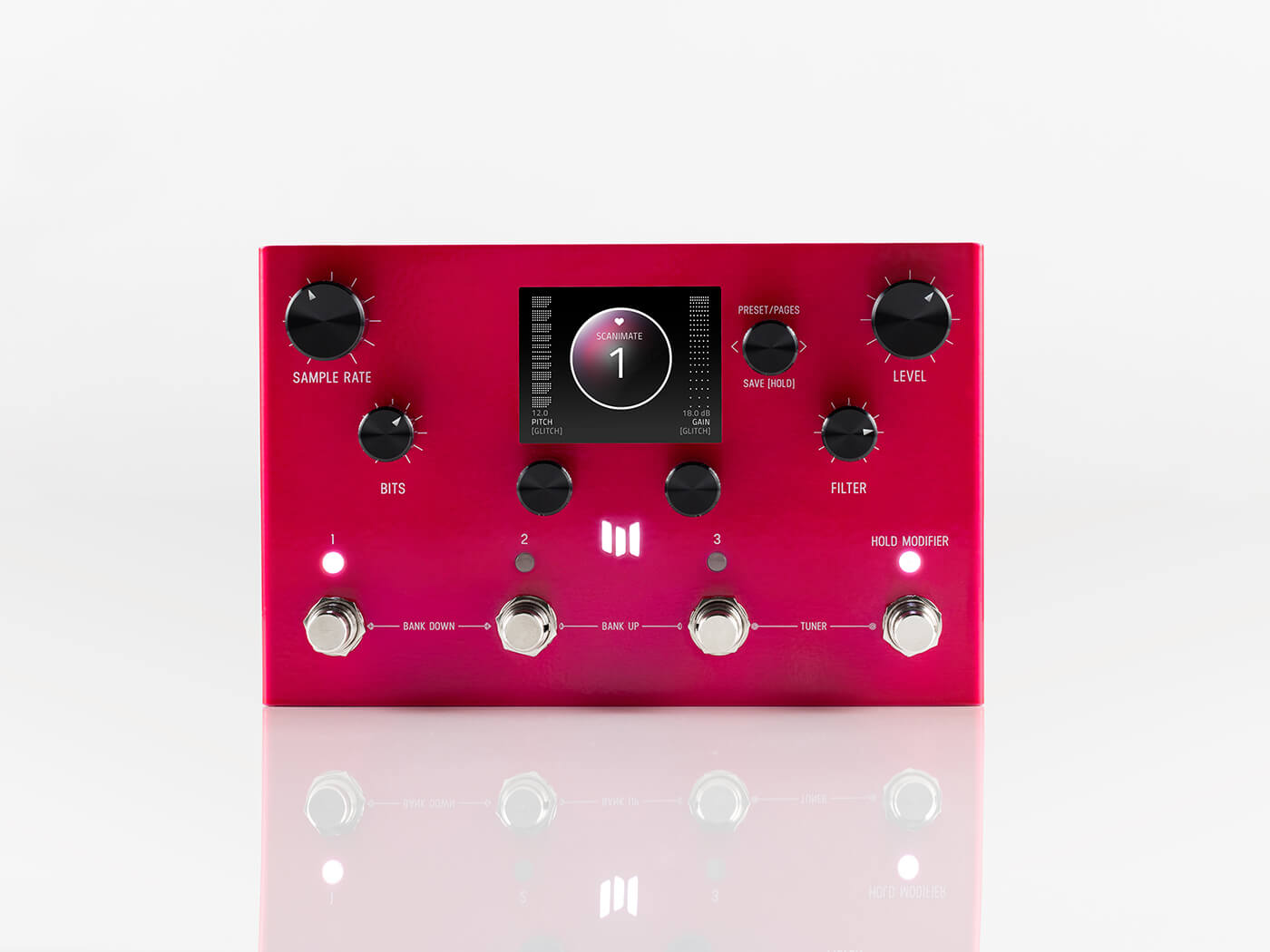
The Ottobit X maintains Meris’s signature aesthetic and user interface, sharing the exact footprint and GUI with its big box siblings. This consistency ensures that users familiar with the LVX or Mercury X will find a comfortable and intuitive navigation experience, despite the pedal’s inherent depth. Essential modern connectivity features are standard, including full stereo I/O, comprehensive expression control, and robust MIDI implementation, which allows for seamless integration into complex setups and extensive parameter control. Furthermore, switchable instrument and line levels enhance its versatility, making it suitable for guitar rigs, studio environments, and synthesiser setups alike. A crucial design decision was to ensure that navigating the Ottobit X, despite its immense capabilities, avoids the frustrating complexity often associated with deep digital processors, providing a relatively smooth learning curve for a device of its caliber.
The sheer volume of sonic tools housed within the Ottobit X is impressive. It boasts five distinct pitch types, offering a wide range of harmonic and dissonant manipulations. Five modulation types provide everything from subtle movement to dramatic textural shifts. Four preamps contribute various tonal colors and saturation characteristics, while three versatile filters allow for precise shaping of the frequency spectrum. A total of six glitch effects introduce controlled chaos, offering stutter, freeze, and other rhythmic and textural dislocations. The bit crusher itself is exceptionally flexible, capable of reducing the audio signal from a pristine 32-bit resolution all the way down to a wonderfully destructive 1-bit, generating everything from subtle grit to extreme digital distortion.
Beyond these core elements, Meris has integrated several highly distinctive effects that solidify the Ottobit X’s unique identity. These include Tape Mod, which emulates the characteristics of vintage tape machines; Ring Mod, for metallic and dissonant textures; Grain Freeze, allowing for the manipulation of sonic fragments; Stutter, for rhythmic repetitions; and Tape Stop, which simulates the dramatic slowdown of a tape deck. Perhaps most whimsically, the "Wikki Wikki" effect offers vinyl-style scratching, adding a playful yet musically useful dimension to its lo-fi repertoire.
Two particularly noteworthy additions are the VHS Delay and VHS Reverb. These effects are meticulously crafted to emulate the auditory imperfections inherent in old, degraded videotapes. This includes the subtle wow and flutter, noise, and compression artifacts that contribute to the distinct "lo-fi" character of VHS recordings. These effects integrate seamlessly with the Ottobit X’s overall nostalgic ethos, pushing its capabilities beyond conventional bit-crushing into a rich tapestry of degraded, evocative soundscapes. They are particularly appealing to musicians seeking to imbue their sound with a sense of vintage warmth, decay, and unique temporal textures.
For practical application, the Ottobit X provides 99 preset locations, organised across three banks, offering ample space for users to store their custom creations. Further depth is accessible through the Modifier section, which allows for real-time manipulation of multiple parameters simultaneously, and through MIDI, enabling external control and automation. An assignable expression pedal input provides dynamic, hands-on control over chosen parameters, enhancing performance capabilities. The inclusion of a "Hold" switch offers another layer of on-the-fly manipulation, allowing users to momentarily freeze or sustain effects. Remarkably, amidst this array of complex sonic tools, Meris has even integrated a built-in tuner, a practical nod to the fact that, despite all the glitching, pitch-shifting, and VHS-inspired sonic transformations, musicians will occasionally still need to ensure their instrument is in tune.
Design and User Experience: Navigating Complexity with Intuition
A hallmark of Meris’s big box offerings, and indeed a significant factor in their appeal, is their intrinsic ability to cater to a diverse range of users, from casual explorers to seasoned sound designers. The Ottobit X embodies this philosophy, allowing for an experience that can be as straightforward or as profoundly intricate as the user desires. One can simply cycle through the extensive library of presets, find a captivating sound, and immediately begin playing. This "plug-and-play" accessibility ensures that even newcomers to complex effects units can quickly derive inspiration and enjoyment.
Conversely, for the more sonically adventurous, the Ottobit X offers a depth of control akin to "Blade Runner"-esque levels of existential menu diving. Users can delve into the intricate relationships between parameters, modifiers, and the various interconnected effects, exploring a near-limitless landscape of sonic possibilities. This duality is crucial: the pedal is designed to be friendly enough for those seeking an immediate, thought-provoking creative experience, without imposing the "world-building fatigue" often associated with overly complex digital processors. The interface, while deep, avoids the pitfalls of being overly obscure or requiring constant manual consultation.
This careful balance is particularly vital for the Ottobit X, given the sheer volume of processing and functionality beneath its surface. An afternoon could easily be spent meticulously tweaking parameters, assigning modifiers, and experimenting with the myriad ways its diverse effects can interact. Yet, it equally allows for moments of serendipitous discovery, where an inspiring sound can be stumbled upon within minutes, prompting immediate musical engagement. The design ethos ensures that users are never compelled to fully comprehend every single capability before they are "allowed" to have fun, fostering an environment of creative exploration rather than demanding technical mastery upfront. This accessibility, combined with its profound depth, distinguishes the Meris Ottobit X in a crowded market of sophisticated effects pedals.
Sonic Palette: Exploring the Auditory Landscape
To truly assess the Ottobit X, it was put through its paces, connecting a Fender Jazzmaster to a Vox AC15, a setup designed to highlight both the pedal’s subtlety and its more extreme capabilities. The journey began, as many users’ will, with an exploration of the extensive factory and artist presets. These presets are expertly crafted to showcase the tonal diversity inherent in the term "lo-fi," demonstrating that it encompasses far more than simple degradation.
The artist presets, contributed by notable musicians such as Yvette Young, Emily Hopkins, and The Pedal Zone, are particularly insightful. They push the boundaries of warble, bit-crushing, and degraded textures into truly fascinating and often unexpected territories. A standout example is "NOSTALGICA," a preset that immediately conjures a hazy, almost synth-like 80s texture. It evokes the cinematic grandeur of artists like Vangelis, creating an ambient backdrop that is both weird and deeply nostalgic, yet critically, avoids feeling like a mere gimmick. Its integrated slow tape stop effect also serves as an excellent demonstration of the Modifier section’s dynamic capabilities in action.
On the other end of the spectrum, Emily Hopkins’ "REMEMBR" preset offers a beautifully degraded tape warble, imbued with an almost whimsical quality. This sound immediately brings to mind the expansive, nostalgia-drenched background ambience found in The Smashing Pumpkins’ "Mellon Collie and the Infinite Sadness" era. It produces a thick, enveloping sound without becoming overbearing, and more importantly, maintains a surprising degree of musicality, making it eminently usable in a variety of contexts.
However, if there is one area where the Ottobit X truly excels, it is in its uncanny ability to capture the distinctive sounds of 80s and 90s gaming, and remarkably, to render them musically useful. The prospect of intentionally downsampling or pitch-shifting notes to achieve Nintendo-like sound effects might have seemed niche or even impractical just a few years ago. Yet, the Ottobit X seamlessly integrates these textures, transforming them into viable elements for contemporary music production and performance. This capability perfectly illustrates the adage: what’s old is new, and what’s new is old. The pedal’s algorithms are so finely tuned that these retro gaming sounds feel organic and integrated, rather than merely tacked on.
While the factory and artist presets offer immediate inspiration, the true depth and creative potential of the Ottobit X emerge when users begin crafting their own sounds. This process, particularly for those unaccustomed to Meris’s big box user interfaces, can initially present a learning curve. The GUI, though consistent across Meris’s larger pedals, features a multi-layered menu structure that can feel initially daunting. However, it is by no means a poor design; on the contrary, it is highly creative, with visually vibrant submenus and smooth navigation that reward exploration. The initial barrier to entry lies in the sheer volume of options and the unique logic of the Meris control scheme.
Once the foundational principles of the layout are understood, the process of tweaking sounds and creating new presets transforms from a potential hassle into that uniquely Meris experience. The learning curve is undeniable, and individual mileage will vary, but as the interface and control logic begin to "click," so too does the vast creative potential of the pedal. It encourages experimentation, inviting users to discover unexpected sonic interactions and forge entirely new auditory textures. The Ottobit X is not merely a tool for replicating sounds; it is a platform for sonic invention.
Market Positioning and Value Proposition
The Meris Ottobit X undeniably stands as one of the most ambitious lo-fi big box offerings currently available on the market. Its sonic capabilities extend far beyond those of most pedals in its category, providing a level of creative flexibility that deeply resonates with the concept of nostalgia. It taps into not just how old sounds looked or sounded, but more profoundly, how those auditory imperfections made us feel in our youth – the charm of analogue decay, the distinct character of early digital audio.
This level of ambition, however, comes with a retail price of $599/£599. In the current economic climate, this price point might position the Ottobit X as financially unattainable for some musicians. The high-end effects pedal market, while robust, is also highly competitive, and a significant investment demands a clear value proposition.
Meris justifies this price through several factors: the extensive research and development invested in its unique algorithms, the premium components used in its construction, and the sheer breadth of its functionality. The Ottobit X is not a single-purpose effect; it is a multi-effect workstation capable of generating a vast array of textures and sounds that would typically require multiple, often expensive, standalone units or complex software. Its stereo I/O, comprehensive MIDI control, and expression pedal capabilities further enhance its value for professional musicians, sound designers, and studio engineers who require seamless integration and dynamic control.
For those willing to make the investment, the Ottobit X represents arguably the closest thing currently available to a "pedalboard flux capacitor." It transcends simple nostalgia bait; instead of merely cashing in on retro trends with superficial recreations, it empowers users to curate and manipulate the very auditory imperfections that made past technologies so endearing. By marrying these charming historical artifacts with cutting-edge digital signal processing and modern control features, the Ottobit X manages to transport users squarely "back to the future"—or more accurately, to a creatively enriched present. Its sophisticated approach to sonic time travel is something that Doc Brown himself would undoubtedly commend.
Broader Implications: The Future of Pedalboard Effects
The launch of the Meris Ottobit X is more than just the introduction of a new pedal; it is a significant statement on the evolving landscape of guitar effects and sound design. It underscores several key trends that are shaping the future of pedalboard technology.
Firstly, the Ottobit X exemplifies the increasing convergence of traditional effects processing with advanced sound design tools. Pedals are no longer solely about enhancing a guitar’s tone; they are becoming instruments in their own right, capable of generating entirely new sonic textures and environments. This shift appeals to a broader demographic, including electronic musicians, producers, and experimental artists, who seek powerful sound manipulation in a compact, tactile format.
Secondly, it highlights the continued demand for "big box" pedals that offer unparalleled depth and versatility. As digital signal processing power becomes more accessible, manufacturers like Meris are leveraging it to create units that are essentially miniature modular synthesizers or studio processors. The integration of features like extensive MIDI control, assignable expression inputs, and complex internal routing transforms these pedals into highly adaptable components within sophisticated setups, moving beyond simple stomp-and-play functionality.
Thirdly, the Ottobit X’s focus on curated nostalgia, particularly the re-contextualization of vintage audio artifacts (VHS, 8-bit gaming), points to a growing appreciation for the imperfections and unique characteristics of older technologies. Rather than striving for pristine fidelity, many musicians are actively seeking lo-fi textures to add character, warmth, or a distinctive aesthetic to their sound. Meris’s approach avoids mere imitation, instead offering tools to manipulate and integrate these textures creatively.
Finally, Meris’s consistent innovation, spearheaded by the Ottobit X, reinforces its position as a leader in pushing the boundaries of what is possible in a pedalboard format. The company’s engineering pedigree and design philosophy are setting new benchmarks for complexity, musicality, and user experience. This encourages other manufacturers to innovate, fostering a healthy competition that ultimately benefits musicians by providing an ever-expanding array of sophisticated and inspiring sonic tools. The Ottobit X is not just a product; it is a barometer of where the high-end effects market is headed – towards more integrated, powerful, and creatively liberating sound machines.
Competitive Landscape: Alternatives and Niche Differentiation
While the Meris Ottobit X stands in a class of its own regarding its comprehensive feature set and specific focus, several alternative pedals exist that offer comparable lo-fi or textural manipulation, albeit with different philosophies and capabilities.
For those seeking a more accessible entry point into the Meris ecosystem, the Meris Ottobit Jr. ($299/£299) remains a viable option. It provides much of the foundational bit-crushing and filtering functionality of its larger sibling in a more compact and affordable package. However, it significantly lacks the sheer depth, expansive modulation, glitch effects, and unique features like VHS Delay/Reverb found in the Ottobit X, making it suitable for users who require basic lo-fi textures without extensive programmability.
Another powerful contender in the lo-fi space is the Source Audio Artifakt ($369/£349). This pedal focuses more broadly on granular effects and general lo-fi elements, offering a wide array of sonic degradation and manipulation tools. While incredibly versatile and compact, the Artifakt tends to lean more towards abstract textural creation rather than the specific nostalgic emulation and multi-effect integration that define the Ottobit X. It offers a different flavor of digital imperfection, appealing to users interested in experimental granular synthesis within a stompbox.
For a distinct take on retro sound replication, the Chase Bliss Lossy ($399/€469) offers an intriguing alternative. Unlike the Ottobit X’s focus on vintage video game and VHS sounds, the Lossy is designed to emulate the audio artifacts of heavily compressed MP3s and early 2000s internet audio. It recreates the unique digital degradation of low-bitrate streaming and downloads, providing a different, yet equally compelling, form of digital nostalgia. The Lossy is ideal for users looking for sounds reminiscent of early internet audio compression rather than analogue tape or 8-bit console sounds.
The Meris Ottobit X differentiates itself from these alternatives through its unparalleled combination of depth, specific focus on cinematic and gaming nostalgia, and its comprehensive integration of multiple effect types (pitch, modulation, glitch, delay, reverb) into a single, cohesive unit. While the alternatives excel in their specific niches, none offer the holistic, ambitious approach to lo-fi sound design and retro-futuristic sonic exploration that the Ottobit X provides. Its price reflects this ambition and the breadth of its capabilities, positioning it as a premium instrument for serious sonic adventurers.
