

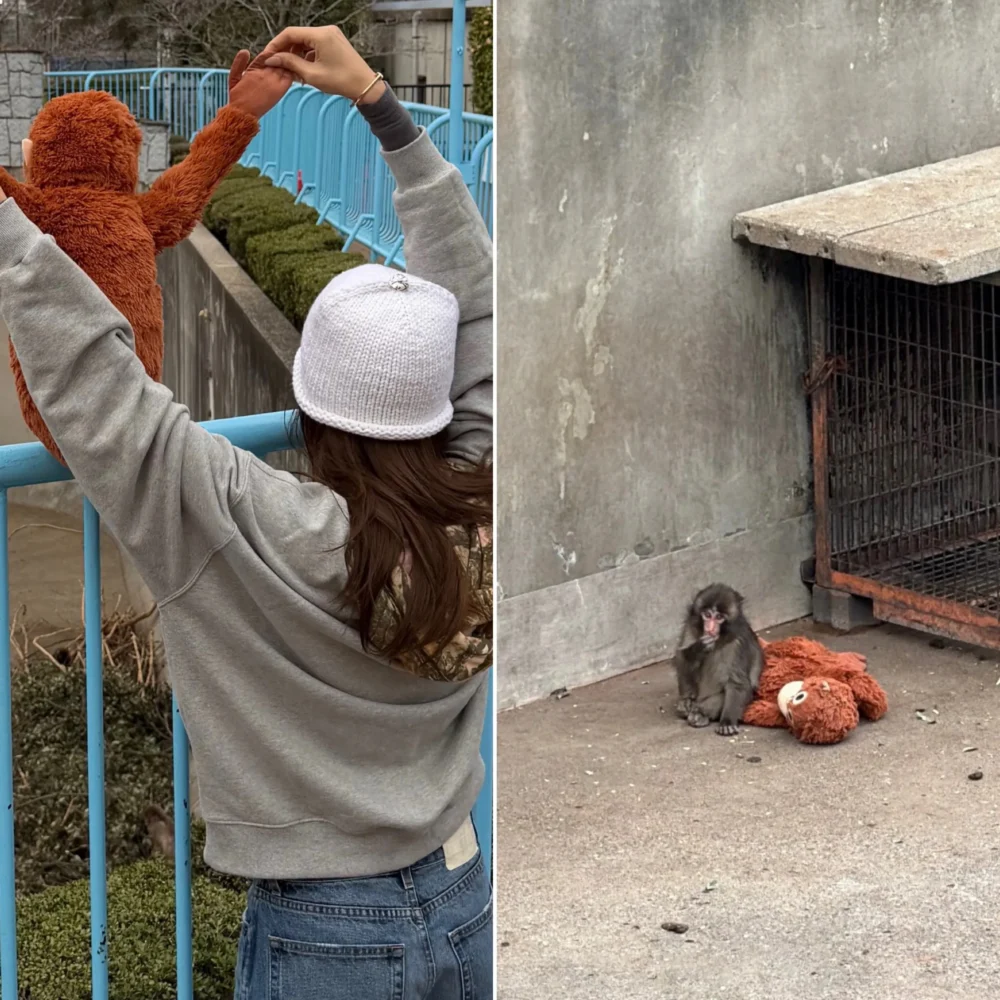
The Ichikawa City Zoo, nestled in Ichikawa City, Chiba Prefecture, Japan, has become the latest beneficiary of a compelling animal narrative that has captivated a global online audience. At the heart of this widespread attention is Punch, a young Japanese macaque, commonly known as a snow monkey, whose poignant origin story and subsequent journey have propelled him into an unlikely stardom. Born last summer, Punch faced an immediate and profound challenge when he was abandoned by his mother shortly after birth. This critical early life event left him vulnerable and without the crucial maternal support essential for primate development. In the absence of his biological mother, Punch formed an extraordinary and touching bond with a stuffed orangutan toy from IKEA, which became his constant companion and surrogate comfort object. While his unique situation garnered initial online sympathy and growing attention earlier this year, Punch also faced social ostracization and bullying from other macaques within his enclosure, a common if unfortunate dynamic in complex primate social structures. However, recent weeks have brought encouraging reports from Ichikawa City Zoo officials, indicating significant improvements in Punch’s social integration, a decreased reliance on his plushie, and even the milestone achievement of navigating a full day without experiencing bullying. This heartening progress has coincided with a surge of high-profile celebrity support, transforming Punch from a local curiosity into an international symbol of resilience and an advocate for animal welfare.
The Genesis of a Star: Punch’s Early Life and Unlikely Bond
Punch’s story began in the summer of 2025, a period that should have been marked by the protective embrace of a mother and the gradual integration into a vibrant macaque troop. Instead, his birth was immediately followed by the bewildering reality of maternal abandonment. For Japanese macaques (Macaca fuscata), known for their highly complex social hierarchies and strong maternal bonds, such an event is a severe impediment to a newborn’s survival and development. Young macaques typically rely on their mothers for warmth, nourishment, protection, and crucial social learning during their formative months and even years. Without this fundamental support, Punch’s prospects for survival and healthy social development were critically diminished.
It was during this vulnerable period that zoo staff introduced the IKEA orangutan plushie, a soft, comforting object intended to provide a sense of security. What ensued was a profound attachment; Punch began to cling to the stuffed toy with an intensity usually reserved for a mother, carrying it everywhere and seeking solace in its inanimate form. This poignant image of a tiny, abandoned primate finding comfort in an artificial substitute resonated deeply with early online viewers, who shared his story across various social media platforms. Initial videos and photographs, often posted by zoo visitors and subsequently amplified by animal interest accounts, highlighted Punch’s solitary existence and his unwavering dependence on his plush companion.
Challenges in the Troop: Bullying and Social Isolation
Despite his burgeoning online fame, Punch’s reality within the macaque enclosure remained challenging. Japanese macaques live in highly structured social groups, where status, lineage, and social bonds dictate interactions. As an abandoned infant, Punch lacked a mother to protect him, teach him social cues, and integrate him into the troop’s complex dynamics. This made him an easy target for bullying by older or more dominant macaques. Observers documented instances of Punch being pushed away from food, excluded from group play, and physically intimidated. These interactions underscored the harsh realities of primate social life and amplified the emotional impact of his story for his growing online following. The contrast between his innocent vulnerability and the apparent cruelty of his peers further fueled public sympathy and a desire for his well-being.
Zoo staff, while providing critical care and monitoring, faced the delicate balance of intervention without disrupting the natural social order too severely. The goal was always to facilitate Punch’s eventual integration into the troop, understanding that a natural social environment is paramount for a macaque’s long-term welfare, even if it presented initial difficulties.
The Viral Phenomenon: A Global Outpouring of Sympathy
Punch’s narrative gained significant momentum in early 2026, transitioning from a localized zoo story to a global viral sensation. The combination of his "sad origin story," his unique attachment to the plushie, and the relatable theme of an underdog overcoming adversity struck a chord with millions. Social media platforms like Instagram, TikTok, and X (formerly Twitter) became conduits for his story, with hashtags dedicated to Punch trending in multiple regions. The narrative of an abandoned baby finding comfort in an inanimate object, juxtaposed with the harsh reality of peer rejection, tapped into universal themes of empathy, resilience, and the desire for belonging.
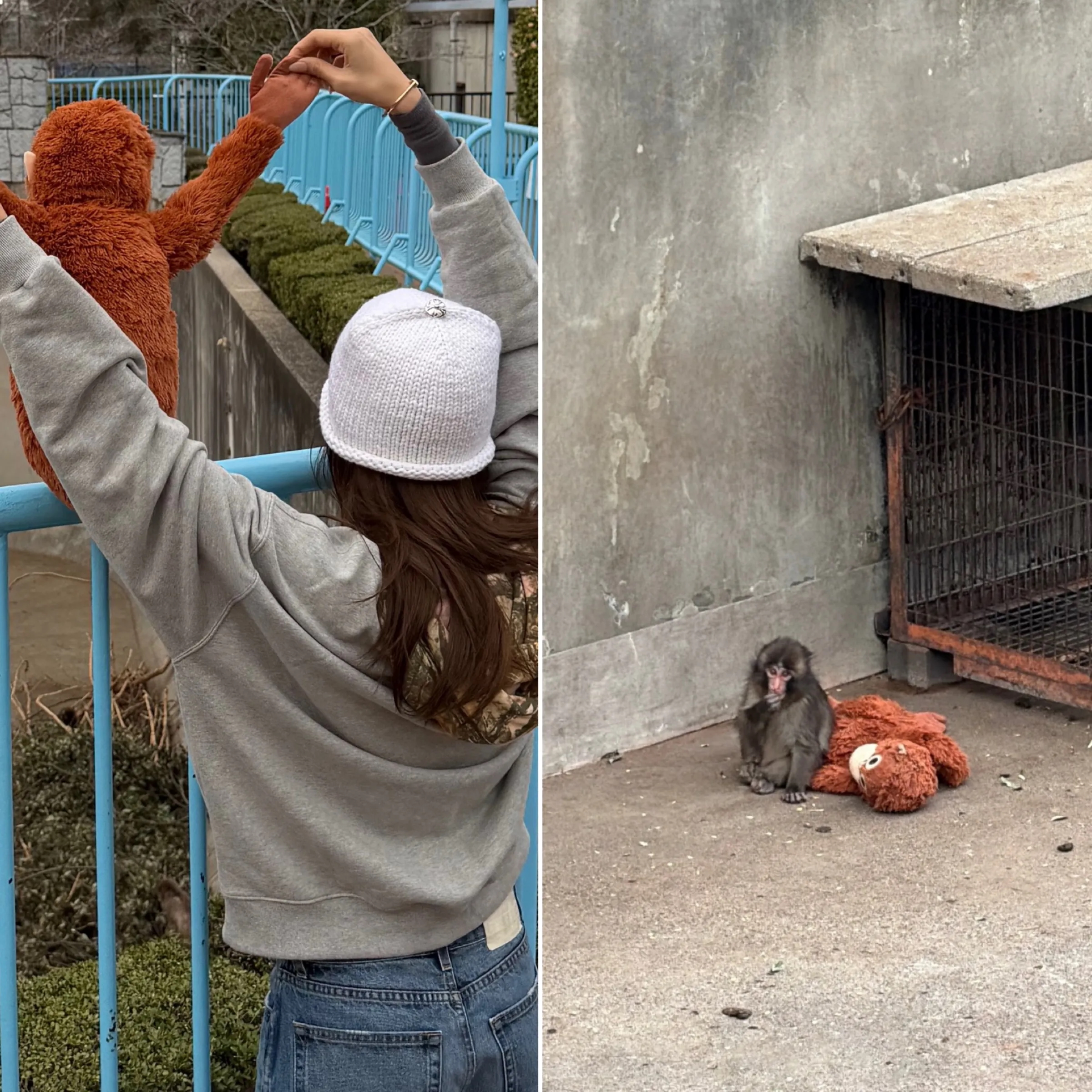
The virality of Punch’s story also highlighted the power of digital storytelling in the age of instantaneous information sharing. User-generated content, shared by visitors to Ichikawa City Zoo, provided authentic glimpses into Punch’s life, which were then picked up by larger news outlets and animal advocacy groups. This organic spread of content was instrumental in elevating his status from a zoo resident to an international figure, drawing unprecedented attention to Ichikawa City Zoo and the broader subject of animal welfare.
A Turning Point: Social Progress and Diminishing Bullying
In recent weeks, Ichikawa City Zoo officials have reported significant and heartening developments in Punch’s social adjustment. Caretakers have observed a marked decrease in his dependence on the IKEA orangutan plushie, a crucial step towards independent social interaction. While the plushie remains a comfort object, Punch is spending less time clinging to it and more time engaging with his environment and, importantly, with other macaques. The most significant milestone reported is Punch’s ability to navigate a full day without experiencing bullying from his peers.
This positive shift can be attributed to a combination of factors. The dedicated efforts of the zoo’s animal care specialists in providing consistent supervision, gentle encouragement for social interaction, and strategic environmental enrichment have undoubtedly played a role. As Punch grows older and gains confidence, his ability to assert himself within the troop naturally increases. Furthermore, the sheer volume of positive human attention, while carefully managed to avoid over-stimulation, may also have subtly influenced his demeanor and the troop’s perception of him. This progress represents a vital step towards his long-term integration and overall well-being within the macaque community.
Celebrity Solidarity: Amplifying Punch’s Global Reach
The recent influx of celebrity endorsements has catapulted Punch’s story to an even wider audience, demonstrating the profound impact public figures can have on viral narratives. Yesterday, Lisa, a member of the globally renowned K-pop girl group BLACKPINK, posted a series of photos on her Instagram stories documenting her visit to the macaque exhibit at Ichikawa City Zoo. In a powerful gesture of solidarity, Lisa was pictured holding up an orangutan plushie, clearly a direct homage to Punch’s iconic comfort item. With over 100 million followers, Lisa’s Instagram account boasts an immense global reach, ensuring that Punch’s story resonated with millions of K-pop fans and beyond, particularly across Asia and the Western world. Her public support not only amplified Punch’s visibility but also lent a significant air of legitimacy and cultural relevance to his narrative.
Lisa is not alone in expressing public support for the snow monkey. The acclaimed musician David Byrne, known for his work with Talking Heads, and the rising folk-pop star Noah Kahan, both appeared on the latest episode of the internationally popular Graham Norton Show. During their appearance, they too held up Punch-honoring plushies, a testament to the story’s cross-cultural appeal. The Graham Norton Show, broadcast in numerous countries and boasting millions of viewers weekly, provided another massive platform for Punch’s story to reach diverse demographics.
Adding to this eclectic mix of supporters, Rob Halford, the iconic frontman of the legendary heavy metal band Judas Priest, also took to his Instagram to proudly display "Punch merch." Halford’s post, linking to what appeared to be fan-made or zoo-sanctioned merchandise, showcased the story’s appeal across different generational and musical subcultures. This diverse array of celebrity endorsements underscores the universal appeal of Punch’s journey—a narrative of vulnerability, resilience, and the search for belonging that transcends cultural and demographic boundaries. The collective power of these endorsements has transformed Punch into a truly global phenomenon, drawing visitors and media attention to the Ichikawa City Zoo in unprecedented numbers.
Ichikawa City Zoo’s Response and Animal Welfare Initiatives
The Ichikawa City Zoo has found itself at the nexus of this global phenomenon, managing both the immediate care of Punch and the burgeoning public interest. While official statements are typically measured, it is understood that zoo management views the attention as a unique opportunity to educate the public about Japanese macaques, primate social behavior, and the critical importance of animal welfare in zoological settings.
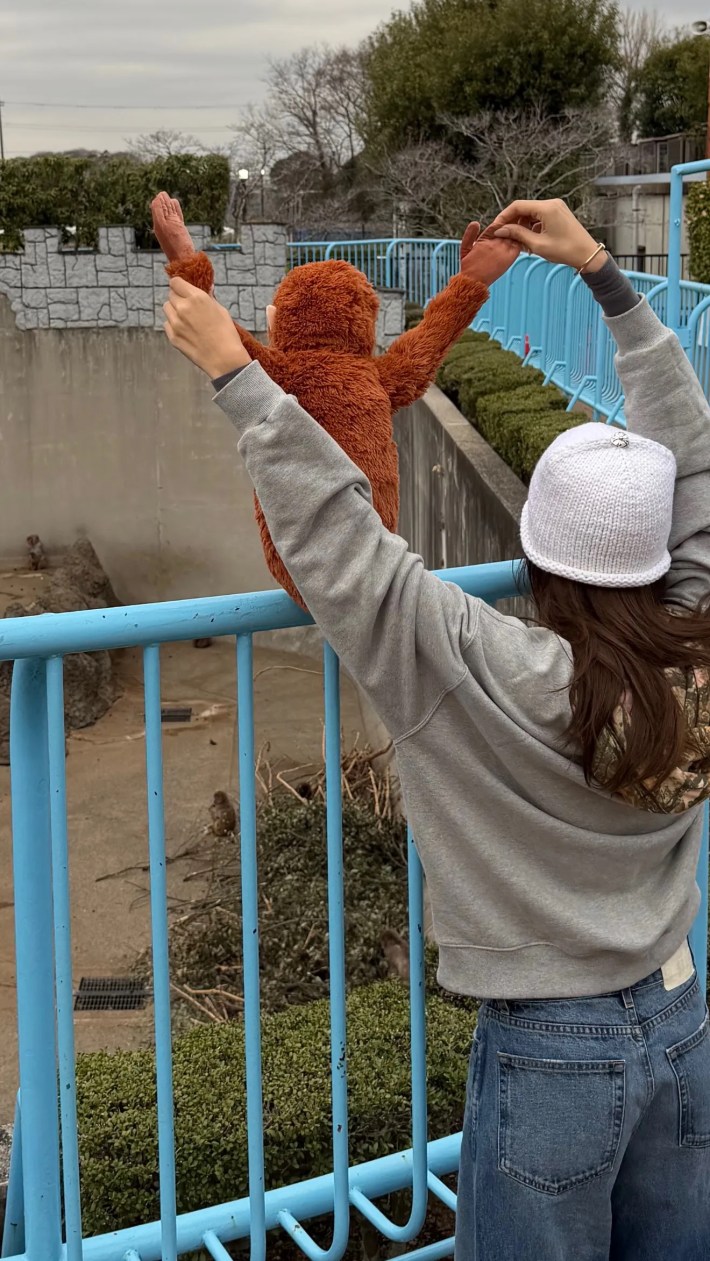
Zoo officials have likely implemented enhanced protocols for managing the increased visitor traffic, which has reportedly led to significant queues outside the macaque exhibit. This surge in attendance, while presenting logistical challenges, also offers a substantial boost to the zoo’s revenue, which can be reinvested into animal care, conservation efforts, and facility upgrades. Animal care specialists at Ichikawa City Zoo continue to closely monitor Punch’s development, ensuring that his progress is sustained and that he continues to integrate successfully into the troop. Their approach emphasizes providing a naturalistic environment while offering necessary interventions for his specific needs. The long-term goal remains for Punch to become a fully independent and socially integrated member of the macaque community.
Broader Implications: Social Media, Empathy, and Conservation
Punch’s remarkable journey offers several broader implications for understanding the interplay between social media, animal welfare, and human empathy.
Impact on Animal Welfare Awareness: Punch’s story has inadvertently become a powerful tool for raising awareness about the complex needs of primates in captivity and in the wild. It highlights the profound importance of maternal care, the challenges of social integration, and the dedicated efforts of zoos in providing rehabilitative and supportive environments. The narrative has sparked conversations globally about the ethical treatment of animals, the role of zoos, and the individual personalities of non-human species.
The Power of Digital Storytelling: The rapid global dissemination of Punch’s story exemplifies the unparalleled power of social media to amplify narratives. A local event—the birth and abandonment of a monkey—was transformed into an international cause due to its emotional resonance and the ease of digital sharing. This case study demonstrates how authentic, heartwarming, or heartbreaking content can cut through the noise, capturing public imagination and driving real-world engagement, from increased zoo visits to merchandise sales and broader advocacy.
Psychological Resonance: The universal appeal of Punch’s story lies in its deeply human themes. His initial vulnerability, his search for comfort in an unlikely object, and his struggle against bullying resonate with common human experiences of loneliness, resilience, and the desire for acceptance. Humans are predisposed to empathize with "underdog" narratives, and Punch’s journey from outcast to celebrated figure taps into this innate psychological response.
Economic and Conservation Impact: The increased visibility and visitor numbers at Ichikawa City Zoo translate into tangible economic benefits. These funds can directly support the zoo’s operational costs, fund research into macaque behavior, and contribute to broader conservation initiatives for Japanese macaques, whose populations face various threats in the wild. Punch has effectively become an ambassador for his species.
Future Outlook: As Punch continues his journey, the focus will remain on his sustained social development. The hope is that his celebrity status, while providing a platform for advocacy, does not overshadow his fundamental need for a normal, healthy life within his troop. His story serves as a poignant reminder of the intricate lives of animals and the profound connections humans can forge with them, amplified by the digital age. From an abandoned infant clinging to a plushie to a global icon embraced by celebrities, Punch the snow monkey’s narrative is a testament to resilience, the kindness of strangers, and the enduring power of a compelling story.
