

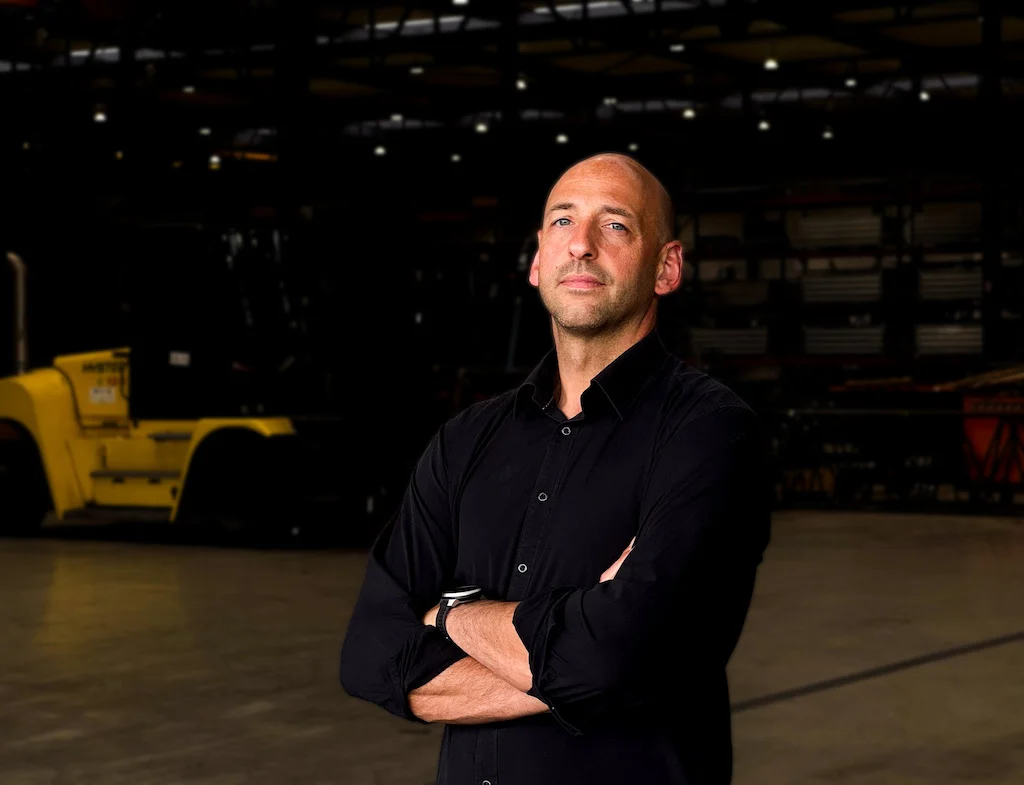
The Stageco Staging Group, a world-renowned leader in the design and delivery of large-scale event structures, has officially announced the appointment of Wouter Van Mierloo as its new Chief Executive Officer, effective immediately. This leadership transition marks a significant turning point for the Belgian-headquartered company, which oversees some of the most complex and iconic stage builds in the global live entertainment industry. Van Mierloo, who has served as the company’s Chief Operating Officer (COO) for the past two years, succeeds a collective management structure that has guided the firm through a period of post-pandemic stabilization and international reorganization.
The decision to appoint a singular CEO follows an intensive eighteen-month period during which the Group was managed by a diverse leadership team comprised of local and international executives. This interim arrangement was supported by the guidance of the Board of Directors, specifically founder Hedwig De Meyer and Katleen De Meyer. While the collective leadership model was credited with maintaining operational stability and fostering collaboration across Stageco’s various international branches, the Board concluded—following extensive consultations with internal staff, long-term clients, and key suppliers—that a unified leadership figure was necessary to navigate the increasingly complex demands of the modern touring and event landscape.
A Strategic Evolution in Leadership
The transition back to a centralized CEO model is viewed by industry analysts as a move toward greater agility. In the high-stakes world of stadium-level concert tours and massive corporate events, the ability to make rapid, authoritative decisions is paramount. Stageco, which operates across multiple continents including Europe and North America, requires a leadership style that can bridge the gap between technical engineering requirements and high-level financial strategy.
Wouter Van Mierloo enters the role with a formidable reputation built during his tenure as COO. During his two years in that position, he was instrumental in streamlining the Group’s internal processes and managing the logistical intricacies that define Stageco’s daily operations. His background reflects a blend of general management expertise, financial acumen, and a deep understanding of the technical specifications required to execute the massive steel structures for which Stageco is famous.
Founder Hedwig De Meyer, a legendary figure in the live event industry who revolutionized stage design with the founding of Stageco in the 1980s, expressed full confidence in the appointment. De Meyer noted that Van Mierloo’s ability to maintain "calm and structure" amidst the inherent chaos of the event industry was a deciding factor for the Board. This sentiment underscores a broader trend in the industry: as tours become larger and more technologically integrated, the "human factor"—the ability to lead teams through high-pressure deadlines and complex load-ins—remains the most critical asset for any executive.
The Legacy and Future of Stageco Group
To understand the weight of this appointment, one must look at Stageco’s position within the global entertainment ecosystem. Founded in Tildonk, Belgium, the company rose to international prominence by providing the structural backbone for some of the highest-grossing concert tours in history. From the architectural marvel of U2’s "360° Tour" and its "Claw" structure to the record-breaking "Eras Tour" and "Renaissance World Tour," Stageco has consistently pushed the boundaries of what is possible with temporary steel engineering.
The appointment of Van Mierloo comes at a time when the live entertainment industry is experiencing a paradigm shift. In 2026, the demand for "experience-driven" events has led to stages that are no longer mere platforms for performers but are themselves immersive, kinetic sculptures involving complex automation and heavy LED integration. This evolution requires a CEO who understands not just the business of staging, but the future of engineering.
Van Mierloo’s primary mandate will be to lead Stageco into its "next chapter," which is expected to focus on three key pillars: technological innovation, sustainability, and global expansion. As the industry faces increasing pressure to reduce its carbon footprint, Stageco’s logistics—which involve transporting hundreds of tons of steel across oceans and continents—will require a visionary approach to green energy and efficient transportation.
Chronology of the Transition
The path to Van Mierloo’s appointment has been one of deliberate, strategic steps:
- Late 2024: Stageco moves away from a traditional CEO-led model following a period of internal restructuring. A collective leadership team of local and international managers is established to handle regional operations with greater autonomy.
- 2024–2025: Wouter Van Mierloo is appointed as COO. His role focuses on harmonizing the operations between the Belgian headquarters and international offices in Germany, France, the Netherlands, and the United States.
- Early 2026: The Board of Directors initiates a comprehensive review of the company’s trajectory. Feedback from major concert promoters and technical directors suggests a preference for a more streamlined communication and decision-making hierarchy.
- June 3, 2026: The official announcement is made. Van Mierloo is promoted to CEO of both Stageco Belgium and the Stageco Group, signaling a return to a unified global strategy.
Market Context and Industry Implications
The staging industry in 2026 is navigating a complex economic environment. While ticket sales for stadium shows remain robust, the costs of raw materials—particularly high-grade steel—and specialized labor have risen significantly over the past five years. Van Mierloo’s background in financial management will be vital as the company seeks to maintain its competitive edge while managing these overheads.
Furthermore, the "stadium-only" tour model has become the standard for top-tier artists. This creates a "bottleneck" in the supply of high-end staging equipment. Stageco’s ability to scale its inventory and manage multiple simultaneous global tours depends on precise logistical coordination. Under Van Mierloo’s leadership, the industry expects to see a continued emphasis on the "Stageco Standard"—a commitment to safety and engineering excellence that has made the company the default choice for the world’s most demanding production managers.
The reaction from the industry has been largely positive. Promoters and production houses have long valued Stageco for its reliability. The appointment of an internal candidate like Van Mierloo, who already understands the company’s culture and technical "DNA," suggests a commitment to continuity. It reassures clients that while the company is looking toward the future, its core values of precision and reliability remain unchanged.
Statements from Leadership
In his first official statement as CEO, Van Mierloo emphasized the collective effort of the Stageco workforce. "I am very proud to take on this task," he remarked. "The Stageco Group continues to stand for excellence, innovation, and the dedicated people who stand behind every project, every stage, and every unforgettable experience. With new confidence and ambition, we look forward to our next chapter."

This focus on "dedicated people" is a nod to the highly specialized crew members and engineers who form the backbone of Stageco. In an era where many industries are looking toward automation, the manual assembly of massive steel structures remains a craft that requires immense skill and physical endurance. Van Mierloo’s leadership is expected to prioritize talent retention and training, ensuring that the next generation of staging professionals is equipped to handle the increasingly complex designs of the future.
Hedwig De Meyer’s endorsement also carries significant weight. As a founder who has seen the company through decades of growth, his public support for Van Mierloo’s "determination" and "structure" serves as a seal of approval for the company’s new direction. De Meyer will continue to provide his expertise through the Board of Directors, ensuring that the company’s founding spirit of innovation remains intact.
Looking Ahead: The 2026-2030 Roadmap
As Stageco moves forward under Van Mierloo’s guidance, several key initiatives are expected to take center stage. First is the continued integration of Digital Twin technology and advanced CAD modeling into the design process. This allows Stageco to simulate load-bearing capacities and wind resistance with unprecedented accuracy before a single piece of steel leaves the warehouse.
Second is the expansion of the Group’s footprint in emerging markets. As major music festivals and tours expand into regions like Southeast Asia and the Middle East, the demand for European-standard staging structures is growing. Van Mierloo’s experience in international operations will be crucial in establishing the logistical hubs necessary to service these regions effectively.
Finally, the company is expected to lead the way in modular design. By creating more versatile, "plug-and-play" steel components, Stageco can reduce the time required for load-ins and load-outs, thereby reducing labor costs for promoters and allowing artists to play more dates in a shorter timeframe.
The appointment of Wouter Van Mierloo is more than a simple change in title; it is a reaffirmation of Stageco’s ambition to remain the "global reference" for staging solutions. By combining the stability of its legendary past with a modernized leadership approach, Stageco Staging Group is well-positioned to define the visual and structural landscape of live entertainment for years to come.
