

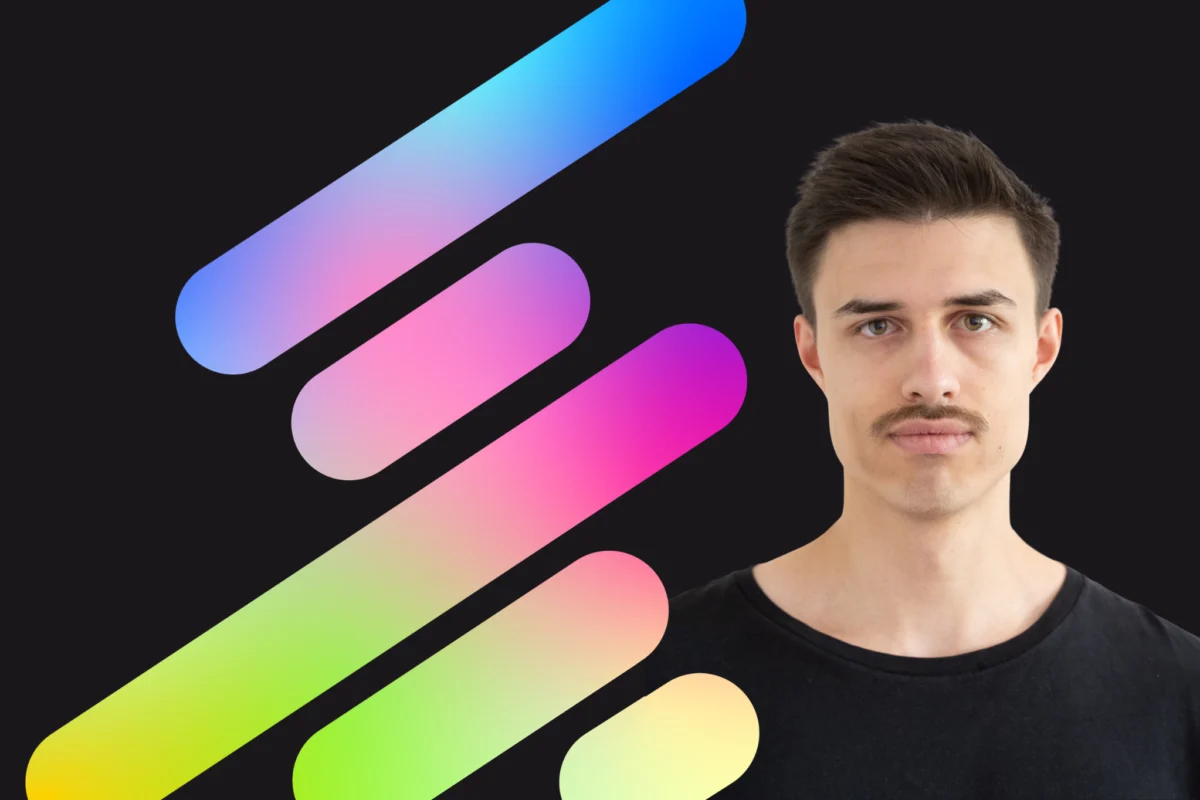
The landscape of live entertainment technology is set to converge in Hamburg this autumn as LEAT Con 26 prepares to host one of the most anticipated sessions in the field of visual arts. On October 8, 2026, digital artist and renowned VJ Jascha Süss will take the Live Stage to present "Mut zum Experiment" (Courage to Experiment), a comprehensive retrospective and forward-looking analysis of a decade spent at the vanguard of live visual production. This session, scheduled from 11:00 to 11:30 AM, represents a cornerstone of the convention’s programming, bridging the gap between raw creative impulse and the sophisticated technical requirements of international festival circuits and prestigious venues like the Elbphilharmonie.
As the live event industry continues to grapple with the integration of increasingly complex technologies—ranging from real-time generative content to augmented reality—Süss’s presentation arrives at a critical juncture. His journey, which spans from the intimate settings of underground clubs to the grandest stages of global music festivals, serves as a blueprint for the modern digital artist. The lecture promises to move beyond simple technical demonstrations, focusing instead on the underlying philosophy of "the experiment" as a necessary driver for innovation in stage design and audience engagement.
A Decade of Visual Evolution: 2016–2026
The chronology of Jascha Süss’s career mirrors the broader evolution of the VJ craft over the last ten years. In 2016, the industry was largely defined by pre-rendered loops and hardware-intensive setups that offered limited flexibility during a live performance. However, as processing power increased and software like TouchDesigner, Notch, and Unreal Engine became industry standards, the role of the VJ transitioned from a "video jockey" to a "real-time digital scenographer."
Süss’s work has consistently occupied the space between these technological shifts. His early work with DIY stage constructions laid the foundation for a career defined by resourcefulness and a "hands-on" approach to technology. This period was characterized by a lack of standardized protocols, requiring artists to build their own systems and interfaces. By 2020, as the global pandemic forced the industry to pivot toward virtual production and high-end streaming, Süss was among the innovators who successfully translated the energy of a live show into digital environments.
The subsequent years saw a return to physical stages, but with a renewed emphasis on immersive experiences. Collaborations with high-profile acts such as Kruder & Dorfmeister, the German indie-rock powerhouse Kraftklub, and the melodic techno visionary Anyma (Matteo Milleri) underscore the versatility required in the current market. Each of these artists demands a distinct visual language: from the atmospheric, trip-hop-infused textures of Kruder & Dorfmeister to the high-octane, narrative-driven shows of Kraftklub, and finally to the monumental, 3D-heavy spectacles associated with Anyma’s "Afterlife" brand.
The Philosophy of "Mut zum Experiment"
At the heart of the upcoming LEAT Con 26 lecture is the concept of "courage" in the creative process. Süss argues that the professionalization of the event industry has, in some ways, led to a fear of failure that can stifle original thought. High-budget productions often rely on "safe" visuals—content that is guaranteed to work but rarely surprises.
The "Mut zum Experiment" session is designed to challenge this status quo. Süss will detail his methodology of "finding ideas through making," a process where concepts are not fully formed in the planning phase but are allowed to evolve through trial, error, and unexpected technical glitches. This approach is particularly relevant in the context of modern live shows, where the unpredictability of live music requires a visual accompaniment that is equally dynamic.

By sharing insights into projects that were discarded or fundamentally altered during the development phase, Süss aims to provide a realistic look at the creative struggle. This transparency is intended to inspire a new generation of artists to trust the process and remain open to the serendipitous discoveries that occur when pushing software and hardware to their limits.
High-Profile Case Studies: From Kraftklub to Anyma
The lecture will delve into specific case studies that illustrate the diverse applications of Süss’s experimental philosophy. One notable example is his work with Kraftklub, a band known for their energetic stage presence and direct connection with the audience. For these shows, the visuals must complement the physical movement on stage without overshadowing the performers. The technical challenge lies in creating a visual system that can respond to the spontaneity of a rock show while maintaining a polished, professional aesthetic.
In contrast, the work associated with Anyma represents the pinnacle of current visual technology. These performances often utilize massive LED screens and complex 3D animations that create an illusion of depth, blurring the line between the physical and digital worlds. Süss’s involvement in such high-tier productions provides him with a unique perspective on the scaling of creative ideas. He will discuss how a small-scale experiment in a studio can eventually become the centerpiece of a stadium show, provided the core artistic intent remains intact.
Furthermore, the session will address the unique requirements of performing in venues like Hamburg’s Elbphilharmonie. In such architecturally significant spaces, the visual artist must consider the interaction between light, video, and the physical structure of the room. This requires a heightened level of sensitivity to space and acoustics, further proving that the modern VJ must be an interdisciplinary expert.
The Technical Paradigm Shift: Real-Time and Beyond
A significant portion of the LEAT Con 26 presentation will be dedicated to the tools that enable this experimental workflow. The shift toward real-time rendering has been the most transformative development in the industry over the last decade. It allows artists to manipulate visuals on the fly, syncing them perfectly with the audio and the lighting environment.
Süss will likely discuss the integration of AI-driven tools and generative algorithms into the live visual toolkit. As we move further into 2026, the use of artificial intelligence to generate textures, motion paths, and even entire visual sequences is becoming increasingly common. However, the "experiment" here lies in how these tools are wielded. Rather than letting the AI dictate the output, Süss advocates for using it as a collaborative partner, a source of "ordered randomness" that can spark new creative directions.
Supporting data from industry reports suggests that the market for live visual effects and stage technology is expected to grow by over 8% annually through 2030. This growth is driven by the demand for "Instagrammable" moments and immersive "worlds" that go beyond the traditional concert experience. For professionals in the field, staying competitive means not only mastering the latest software but also developing a signature style that stands out in a crowded digital landscape.
The Significance of LEAT Con in the Global Event Market
LEAT Con has established itself as a premier destination for the live entertainment and technology sector. By hosting speakers like Jascha Süss, the convention reinforces its commitment to both the technical and artistic sides of the industry. Hamburg, with its rich musical heritage and state-of-the-art venues, provides the ideal backdrop for such a gathering.

Industry analysts suggest that conventions like LEAT Con are vital for the cross-pollination of ideas. "The silos between lighting designers, video technicians, and creative directors are breaking down," says one industry observer. "Events that prioritize the ‘creative process’ alongside ‘technical specifications’ are essential for the holistic growth of the sector."
The inclusion of the "Live Stage" as a venue for these discussions highlights the practical nature of the convention. Attendees are not just hearing about theories; they are seeing how those theories are applied in a professional environment. This hands-on, expert-led approach is what continues to draw thousands of professionals to Hamburg each year.
Broader Impact and Future Implications
The implications of Süss’s "Mut zum Experiment" extend far beyond the world of VJing. In an era where digital content is ubiquitous, the ability to create meaningful, resonant visual experiences is a highly valued skill across multiple industries, including corporate events, theater, and public art installations.
By emphasizing the importance of the "human element" in the digital process, Süss addresses a growing concern in the creative community: the fear that technology will replace artistry. His lecture serves as a reminder that tools—no matter how advanced—are only as effective as the vision behind them. The "courage" to experiment is, ultimately, the courage to be human in a digital world.
As the industry looks toward the late 2020s, the lessons shared at LEAT Con 26 will likely influence how shows are designed and executed for years to come. The move toward more sustainable, software-based productions (reducing the need for heavy physical props) and the rise of decentralized, collaborative workflows are trends that align perfectly with Süss’s experimental, tech-forward ethos.
Event Logistics and Participation
For those interested in attending, "Mut zum Experiment" will take place on the Live Stage at LEAT Con 26 in Hamburg. The session is scheduled for October 8, 2026, from 11:00 to 11:30 AM. Due to the high profile of the speaker and the relevance of the topic, organizers recommend that attendees secure their tickets in advance.
The convention offers a variety of ticket tiers, including day passes and full-access badges that provide entry to all lectures, workshops, and the extensive exhibition floor. LEAT Con 26 remains a B2B-focused event, attracting production managers, technical directors, creative artists, and technology manufacturers from across the globe.
In summary, Jascha Süss’s contribution to the LEAT Con 26 program is more than just a lecture; it is a call to action for the creative community. It encourages a shift away from the mechanical application of technology and toward a more adventurous, experimental, and ultimately more impactful form of digital artistry. As the lights go up on the Live Stage this October, the industry will be watching to see how the next decade of visual storytelling will be defined.
