

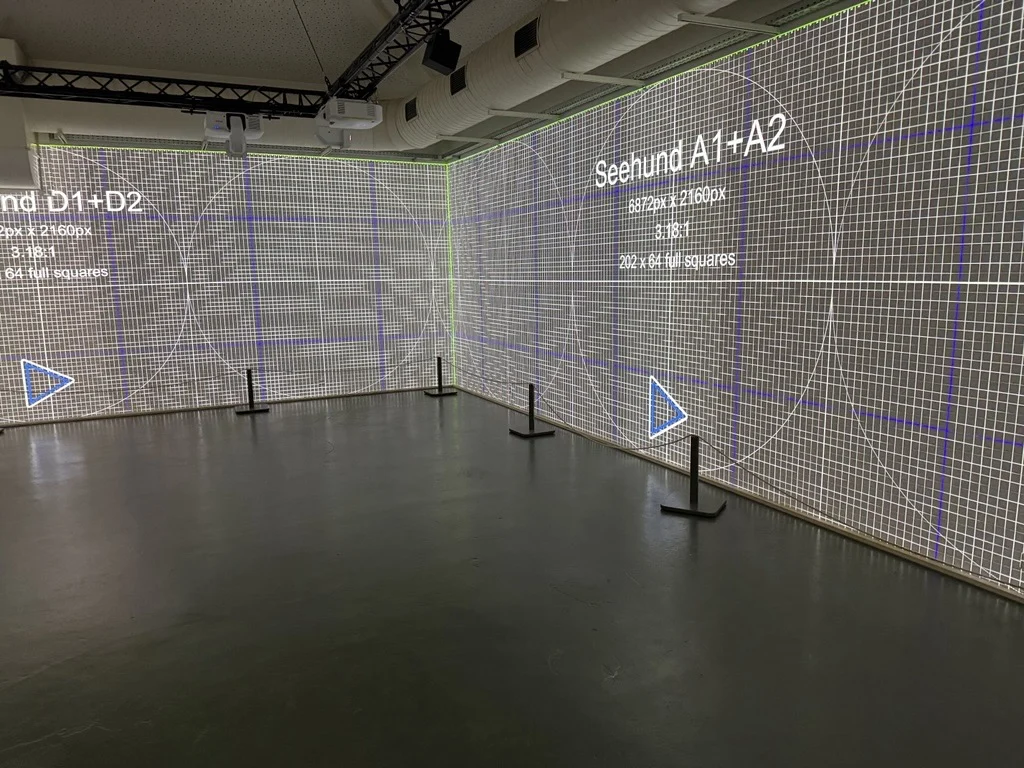
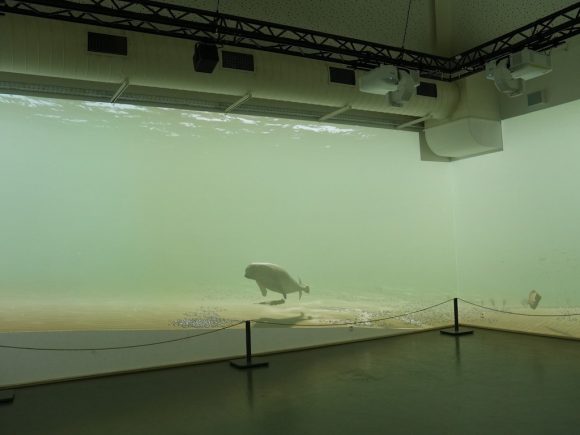
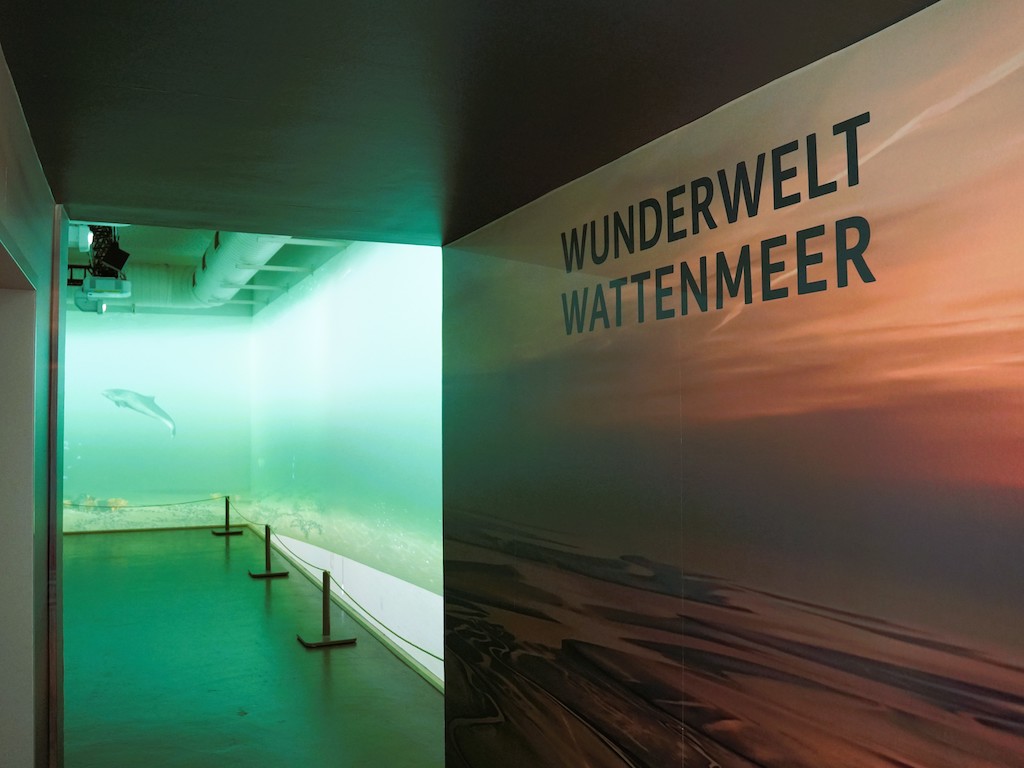
The Seehundstation Norddeich has officially unveiled a state-of-the-art immersive 360-degree projection installation, marking a significant milestone in the integration of high-end media technology within environmental education facilities. Executed by the Dortmund-based media technology specialists DMPW in close collaboration with the conceptual and system integration firm davito.pro, the project serves as a premier reference for modern audiovisual (AV) engineering. This installation replaces traditional display methods with a seamless, high-resolution panoramic environment designed to transport visitors into the heart of the Wadden Sea, providing an unparalleled educational experience that highlights the delicate balance of the local ecosystem.
Technical Precision and Hardware Integration
The centerpiece of the installation is a sophisticated array of eight Epson EB-PQ2008W projectors. These units were selected for their compact form factor and high-performance capabilities, which are essential for creating a consistent visual field in a restricted architectural space. To achieve a 360-degree coverage without the interference of shadows or visible hardware, the projectors were equipped with X02 ultra-short-distance mirror optics. This specific optical configuration allows the projectors to be mounted in close proximity to the projection surfaces while maintaining a wide throw, ensuring that the imagery remains sharp and immersive even when visitors are standing near the walls.
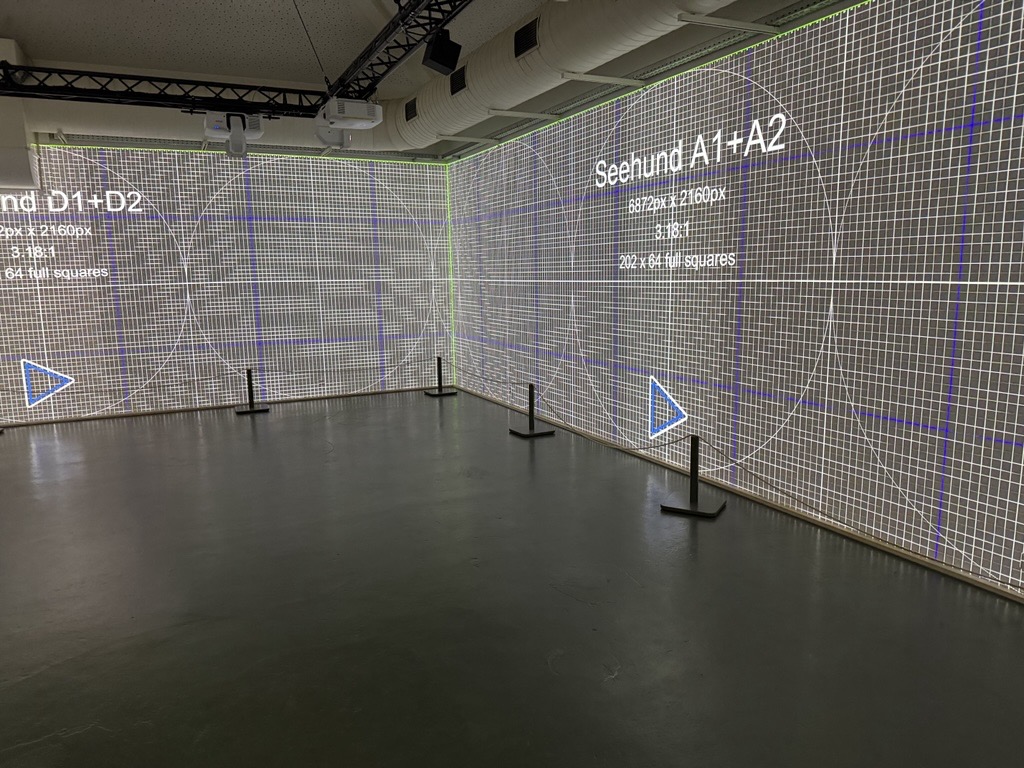
The synchronization of these eight projection units required a robust media backend capable of handling massive data throughput. The teams utilized an AV Stumpfl Pixera media server system, a platform recognized in the industry for its precision in multi-channel playback and edge-blending. The Pixera system provided eight dedicated 4K outputs, allowing for a native resolution that preserves the intricate details of the maritime content. By utilizing Pixera’s advanced geometry correction and blending tools, the technical teams were able to eliminate visible transitions between the individual projection fields, resulting in a "seamless panorama" that surrounds the viewer entirely.
Collaborative Project Chronology and Execution
The realization of the Seehundstation project followed a structured timeline that began with a comprehensive conceptual phase led by davito.pro. The firm was responsible for the overarching system design, determining the optimal placement of hardware to maximize the immersive effect while adhering to the physical constraints of the visitor center. This phase involved rigorous calculations regarding light output, pixel density, and the mathematical alignment of the ultra-short-throw lenses.
Following the design phase, DMPW took over the technical implementation and onsite hardware installation. As a Dortmund-based entity with an international focus, DMPW brought specialized expertise in the deployment of complex AV systems. Their role encompassed the physical mounting of the Epson units, the cabling infrastructure, and the final calibration of the Pixera servers. The synergy between davito.pro’s conceptual framework and DMPW’s technical execution was critical in meeting the project’s tight deadlines and high quality standards.
Notably, the content displayed within the 360-degree environment was produced independently. While davito.pro and DMPW provided the "canvas" and the "brushes" through their hardware and software integration, they were not involved in the creative or technical production of the visual media itself. This clear division of labor ensured that the technical infrastructure was optimized specifically for high-fidelity playback, regardless of the specific aesthetic choices of the content creators.
Environmental Education and the Mission of Seehundstation Norddeich
The Seehundstation Norddeich is more than a tourist attraction; it is a vital scientific and educational institution dedicated to the protection of the Wadden Sea, a UNESCO World Heritage site. The station’s primary mission involves the rearing and rewilding of orphaned or injured seals and grey seals. By implementing this new projection technology, the station aims to deepen the public’s understanding of these marine mammals and the environmental challenges they face.

The immersive installation serves as the gateway to the station’s broader educational narrative. Visitors are introduced to the life cycles of the seals and the biodiversity of the North Sea in a format that is far more engaging than static exhibits. This technological leap is intended to foster a stronger emotional connection between the public and the conservation efforts, which are largely sustained through donations, sponsorships, and volunteer work.
A highlight of the station’s work, often depicted in its educational materials, is the process of returning rehabilitated seals to the wild. This operation involves the vessel "Frisia IX," which transports the animals from the harbor in Norddeich to the eastern beaches of the island of Juist. Under the supervision of expert staff, the seals are released back into their natural habitat. Guests who participate in these trips or support the station through sponsorships are often granted a close-up view of these moments, which are frequently documented by media outlets to raise awareness for marine conservation.
Analysis of Media Technology in Public Spaces
The deployment of 360-degree projection at the Seehundstation Norddeich reflects a broader trend in the "edutainment" sector, where institutions are increasingly turning to immersive technology to compete with digital distractions and provide memorable experiences. From a technical standpoint, the choice of Epson’s 4K-enhanced laser projectors signifies a shift toward low-maintenance, high-longevity solutions. Unlike traditional lamp-based projectors, laser technology offers consistent brightness and color accuracy over thousands of hours of operation, which is crucial for a facility that operates daily.
Furthermore, the use of ultra-short-throw (UST) optics with mirrors is a strategic response to the architectural challenges of modern visitor centers. In many older buildings or specialized facilities like the Seehundstation, ceiling heights and room dimensions do not allow for long-throw projection. The X02 optics solve this by allowing the technology to "disappear" into the architecture, preventing the hardware from distracting the audience from the content.
The integration of the AV Stumpfl Pixera system also points to the increasing demand for flexibility in media playback. As the Seehundstation evolves, the Pixera server can be updated with new content, interactive elements, or even live feeds from the seal enclosures, ensuring that the investment remains relevant for years to come.
Broader Implications and Industry Impact
For DMPW, this project serves as a high-visibility demonstration of their capability to handle complex, large-scale AV integrations. By positioning themselves as a partner for internationally oriented mediatechnical applications, the Dortmund company is tapping into a growing market for immersive brand spaces, museums, and educational centers. The success in Norddeich proves that high-end professional equipment, when calibrated correctly, can transform a standard room into a powerful tool for communication and education.
The project also highlights the importance of regional partnerships. The collaboration between a system integrator like davito.pro and a technical service provider like DMPW allows for a level of specialization that single-source providers often cannot match. This model ensures that every aspect of the project—from the initial lens-shift calculation to the final pixel-mapping on the server—is handled by experts in that specific domain.
In the context of regional tourism and environmental policy, the upgraded Seehundstation Norddeich sets a new standard for the Lower Saxony coast. As the Wadden Sea faces increasing pressure from climate change and human activity, the ability to effectively communicate the urgency of conservation through high-tech storytelling becomes an essential asset. The seamless panorama is not just a technical achievement; it is a window into a world that requires constant vigilance and public support to preserve.
As the installation opens to the general public, it is expected to draw significant interest from both the AV industry and the environmental sector. It stands as a testament to how modern technology can be harnessed not just for entertainment, but as a bridge between scientific research and public consciousness. The project at Seehundstation Norddeich confirms that the future of environmental education is immersive, and through the technical prowess of firms like DMPW and davito.pro, that future is now a reality on the German coast.
