

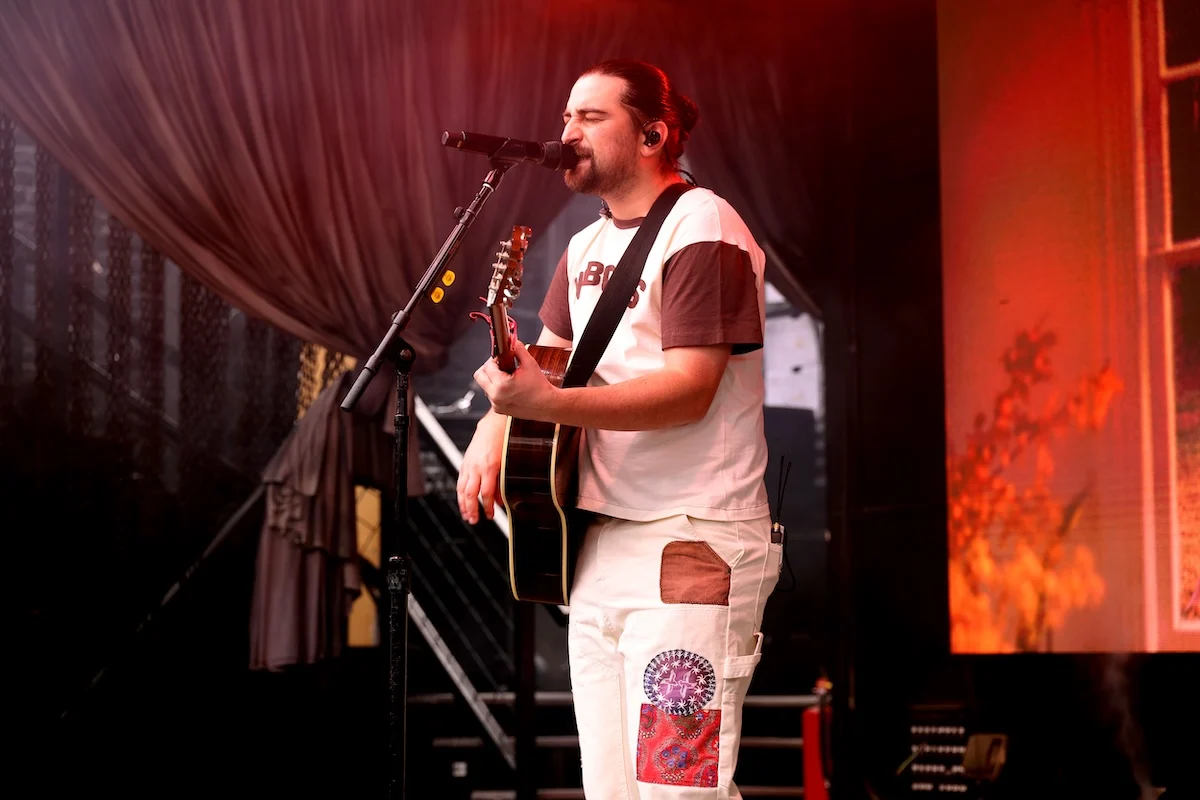
The burgeoning career of folk-pop sensation Noah Kahan, whose "The Great Divide Tour" has captivated audiences nationwide, has unexpectedly become entangled with a series of disturbing incidents involving concertgoer conduct, raising significant questions about public hygiene, crowd control, and the evolving landscape of live music etiquette. What began as an isolated, albeit shocking, report of an attendee defecating in their seat at a late June show in Philadelphia has seemingly escalated into a broader, more alarming pattern of unsanitary behavior, culminating in multiple confirmed accounts of concertgoers urinating in their seats during a recent performance at New York’s iconic Citi Field. These incidents, occurring amidst weather-related disruptions and paralleled by similar reports from other major tours, underscore a growing challenge for artists, venues, and the concert industry at large.
The Genesis of a Peculiar Problem: A Chronology of Incidents
Noah Kahan’s "The Great Divide Tour" commenced last month to widespread critical acclaim and fervent fan enthusiasm, a testament to his rising star power and the emotional resonance of his music. However, the tour’s narrative took an unforeseen turn on June 26 following a performance in Philadelphia. Reports surfaced detailing an incident where a concertgoer allegedly defecated in their seat during the show. The news, initially met with disbelief and widespread online discussion, quickly went viral, prompting an unusual and public response from Kahan himself.
In the wake of the Philadelphia event, Kahan addressed the issue directly at subsequent tour stops, most notably at his Toronto shows. Here, the folk-pop star engaged with his audience in an unconventional manner, lightheartedly but firmly requesting that fans "pledge not to shit on the floor." This unique appeal highlighted the seriousness with which the artist perceived the incident, even as it became a running, if unsettling, joke among his fanbase. At this juncture, the issue appeared to be a singular, extreme lapse in judgment by an individual, rather than a systemic problem.
However, the situation intensified dramatically over the weekend of July 18-19 in New York City. Kahan was scheduled for two nights at Citi Field, home of the New York Mets, a venue known for hosting large-scale musical events. The first night, Saturday, July 18, was abruptly canceled due to severe thunderstorms that swept through the region, causing widespread flooding and creating unsafe conditions for both attendees and performers. Kahan, addressing the crowd the following night, expressed profound regret for the cancellation, acknowledging the significant inconvenience and travel efforts undertaken by many fans. "I just want to apologize for the cancellation of our show last night," he stated. "I know you guys were all here. I don’t expect any sympathy at all. I am so fucking sorry for the folks that stood all day in the rain and traveled. I’ve been thinking about you guys." This heartfelt apology, intended to mend fences with disappointed fans, inadvertently set the stage for the next, even more bizarre, turn of events.
The Citi Field Contamination: Urine in Section 125
The apology and the subsequent performance on Sunday, July 19, were marred by further, more widespread reports of unsanitary behavior. Multiple concertgoers detailed incidents of individuals urinating in their seats, specifically pinpointing Section 125 of Citi Field. One particularly vivid account emerged from a Threads post by a user identified as "__brittanielizabeth," whose experience painted a grim picture of the situation. Her post read: "Noah Kahan: 10/10. The woman who turned Section 125 into a restroom: 0/10. My biohazard urine soaked purse and everything inside it skipped the ride home and went straight into a Citi Field trash can. Spending $1,000 on tickets wasn’t supposed to end with replacing my belongings due to a feral creature turning a section into her personal toilet." This personal testimony not only underscored the direct impact on innocent attendees but also highlighted the significant financial cost, beyond the ticket price, incurred by victims.
The Threads post was accompanied by a screenshot of a Reddit thread corroborating these claims, indicating that the incident was not isolated to a single observation but rather a more pervasive problem within that section. One Reddit user detailed their experience: "I was so impressed by the show overall, but I was so angry at a group of seat jumpers who took the spots 2 rows in front of us. Everyone in our section (125) was pretty patient with their rude/obnoxious shenanigans until one girl literally pulled down her shorts and just peed! The poor people in front of them got their stuff ruined. When she was called out by the crowd, they high tailed it out of our section, but we could all smell it the rest of the night." Another user, directly affected, replied, "Can confirm. I was sitting in front of them. My purse didn’t survive the encounter, it went straight into the trash because some feral asshole decided Section 125 was a bathroom."
These accounts collectively paint a disturbing picture: not only did the urination occur, but it was reportedly carried out by individuals who had ostensibly "seat-jumped," suggesting a possible disregard for established norms and an opportunistic approach to the event. The descriptions of "feral creature" and "feral asshole" by victims reflect the profound shock and disgust experienced by those subjected to such egregious public indecency, transforming what should have been an enjoyable concert experience into a biohazard situation.
Broader Implications and Parallels Across the Concert Landscape
The incidents at Noah Kahan’s tour are not occurring in a vacuum. A concurrent report from Saturday, July 18, detailed a separate, equally troubling event at a Morgan Wallen concert in Baltimore. Police are reportedly investigating a man accused of urinating on a family during that show. The proximity of these incidents, both in time and nature, suggests a potentially broader, disturbing trend in concertgoer behavior across various music genres and venues. While the motivations behind such acts remain speculative, factors such as excessive alcohol consumption, insufficient access to restroom facilities for large crowds, lengthy concert durations, and a perceived anonymity within a massive crowd are often cited as contributing elements to public indecency at major events.
Large-scale outdoor venues like Citi Field, with a seating capacity exceeding 40,000 for concerts, face immense logistical challenges in managing tens of thousands of attendees. While such venues are equipped with numerous restroom facilities, long lines, especially during peak times, can be a deterrent for some. However, this inconvenience does not, under any circumstances, justify public urination or defecation, which constitute public health hazards and acts of public indecency, often punishable by law.
Expert Perspectives on Crowd Behavior and Venue Management
Concert industry experts and crowd psychology specialists often highlight several factors that can contribute to such extreme breaches of public decorum. Dr. Eleanor Vance, a sociologist specializing in mass gatherings, notes, "In large crowds, the concept of ‘deindividuation’ can come into play, where individuals feel a reduced sense of personal responsibility and accountability due to the anonymity and intensity of the group experience. Combined with disinhibitors like alcohol, this can lead to behaviors that individuals would never engage in otherwise."
Furthermore, venue management faces an ongoing battle with sanitation and security. While venues invest heavily in cleaning crews and security personnel, monitoring tens of thousands of individuals simultaneously is an arduous task. "Ensuring adequate facilities, clear signage, and sufficient staffing for security and sanitation is paramount," states Michael Chen, a veteran concert promoter. "However, even with the best planning, isolated incidents of extreme behavior can occur. The key is rapid response and clear enforcement of rules." The financial implications for venues are also considerable, involving not only immediate cleanup costs but also potential long-term damage to seating, flooring, and the overall reputation of the facility. Advanced biohazard cleaning protocols are often required for such incidents, incurring significant expense.
The Impact on Fan Experience, Artist Reputation, and Industry Response
The pervasive nature of these incidents casts a shadow over the live music experience for all attendees. For fans who spend hundreds or even thousands of dollars on tickets, travel, and accommodation, encountering such unhygienic and disrespectful behavior is deeply distressing. It detracts from the shared joy of live music and can create an environment of discomfort and even fear. The financial burden on victims, as demonstrated by the Citi Field incident where a purse and its contents were ruined, adds insult to injury.
For artists like Noah Kahan, whose appeal lies in his authentic and relatable persona, these controversies present an unprecedented challenge. While Kahan’s lighthearted attempts to address the issue directly from the stage have been met with a mix of amusement and concern, the escalating frequency of these incidents could potentially impact his tour’s reputation and the overall fan perception of his shows. Artists typically strive to create a safe and enjoyable space for their fans, and incidents of public indecency directly undermine this goal.
The broader concert industry is now grappling with how to address this disturbing trend. Potential measures could include:
- Increased Security Presence: More visible security and ushers in sections prone to such behavior.
- Enhanced Restroom Access: Reviewing and potentially increasing the number of portable restrooms or optimizing flow to existing facilities.
- Clearer Communication: More explicit messaging about acceptable conduct and the consequences of public indecency, perhaps through pre-show announcements or digital displays.
- Stricter Enforcement: A zero-tolerance policy for such acts, leading to immediate ejection from the venue and potential legal action.
- Public Awareness Campaigns: Educating concertgoers about responsible consumption and behavior at large events.
Conclusion: A Call for Collective Responsibility
The escalating incidents of unsanitary behavior at Noah Kahan’s "The Great Divide Tour," mirrored by similar events at other major concerts, represent a troubling development for the live music industry. What began as an isolated, shocking event has evolved into a pattern that threatens the integrity of the concert experience, posing public health risks and significantly diminishing the enjoyment for law-abiding fans.
While venues and artists can implement various measures to mitigate these challenges, ultimately, the responsibility for maintaining public decorum rests with each individual attendee. The shared experience of live music thrives on mutual respect and consideration. As the concert season continues, the industry, artists, and fans alike will need to collectively address this unusual and concerning trend to ensure that the magic of live performances is not overshadowed by a descent into unsanitary and disrespectful conduct. The hope remains that these isolated, albeit frequent, incidents will serve as a stark reminder of the importance of basic public etiquette, allowing the focus to return to the music and the shared joy it brings.
