

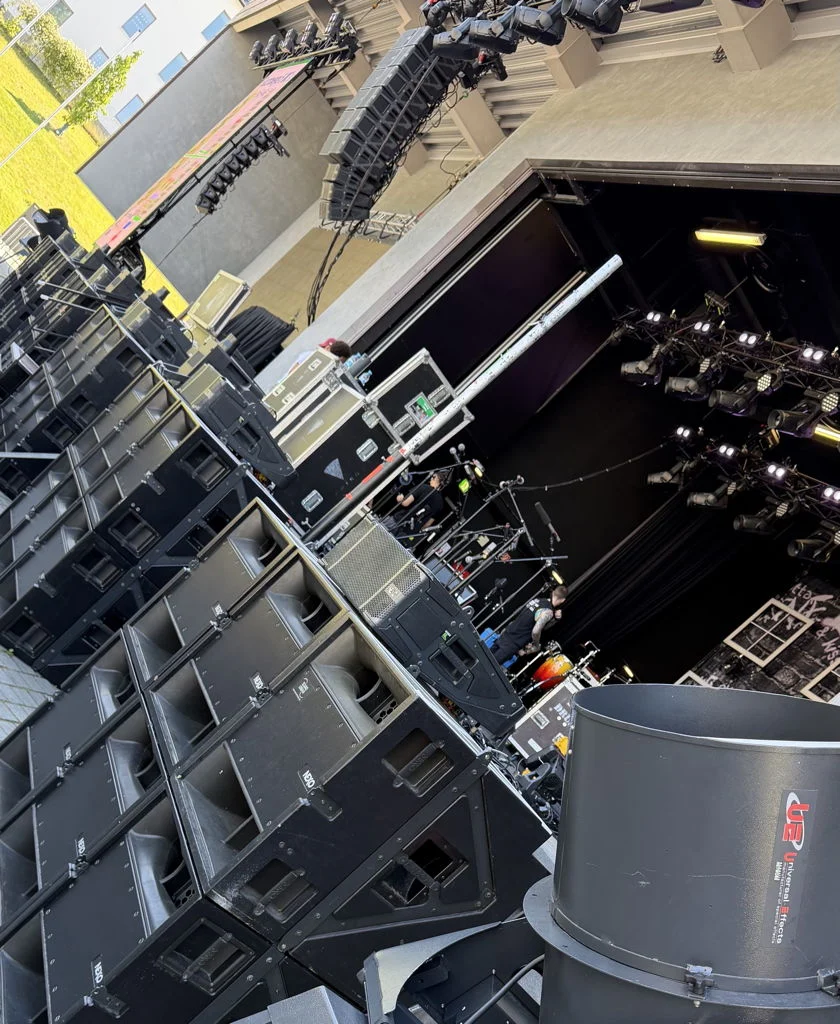
The intersection of high-profile live entertainment and extreme environmental conditions recently put the technical infrastructure of the Sauerlandpark Hemer to a rigorous test during a three-day open-air concert series featuring international and domestic stars. Between July 24 and July 26, 2026, the venue hosted a diverse lineup including global pop icon Anastacia, German rock-pop sensation Ben Zucker, and party-circuit heavyweights Lorenz Büffel and Mickie Krause. While the musical performances drew thousands of attendees to the North Rhine-Westphalian venue, the behind-the-scenes narrative was defined by the technical mastery of acoustic Network, a Hagen-based event technology service provider. Tasked with the full technical production, the firm successfully navigated an intense European heatwave that threatened the operational integrity of electronic systems across the continent.
The Venue and the Environmental Challenge
Sauerlandpark Hemer, a 27-hectare landscape park built on the site of the former State Garden Show, has become a cornerstone of the regional cultural scene. Its "Himmelsspiegel" and main stage area are designed to accommodate large-scale productions, with a capacity exceeding 10,000 spectators for major events. However, the open-air nature of the venue leaves it exposed to the elements, a factor that became critical during the final week of July 2026.
As a heatwave gripped central Europe, temperatures at the venue frequently soared well above 35 degrees Celsius (95 degrees Fahrenheit), with direct sunlight hitting the stage and equipment racks for over twelve hours a day. For audio equipment, such conditions are more than just uncomfortable; they are potentially catastrophic. High ambient temperatures can lead to thermal throttling in power amplifiers, digital console crashes, and shifts in the acoustic properties of the air itself, which affects sound propagation. The success of the concert series was therefore not only a matter of artistic performance but a demonstration of engineering durability and proactive system design.
Comprehensive Audio Architecture: The Nexo Deployment
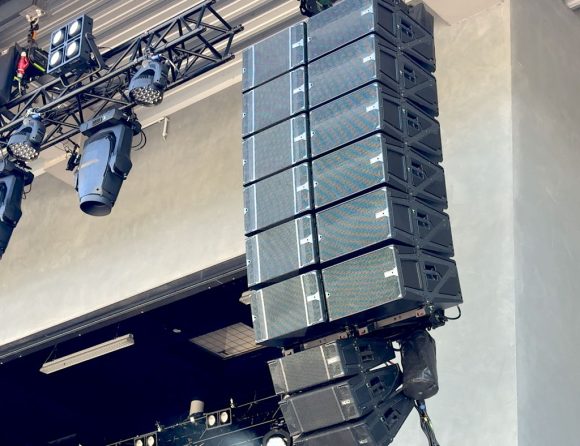
To ensure consistent coverage across the sprawling audience area, acoustic Network implemented a sophisticated sound reinforcement system based entirely on Nexo technology. The modular nature of the Nexo STM (Scale Through Modularity) series was central to the strategy, allowing the engineers to tailor the system’s throw and frequency response to the specific geometry of the Sauerlandpark arena.
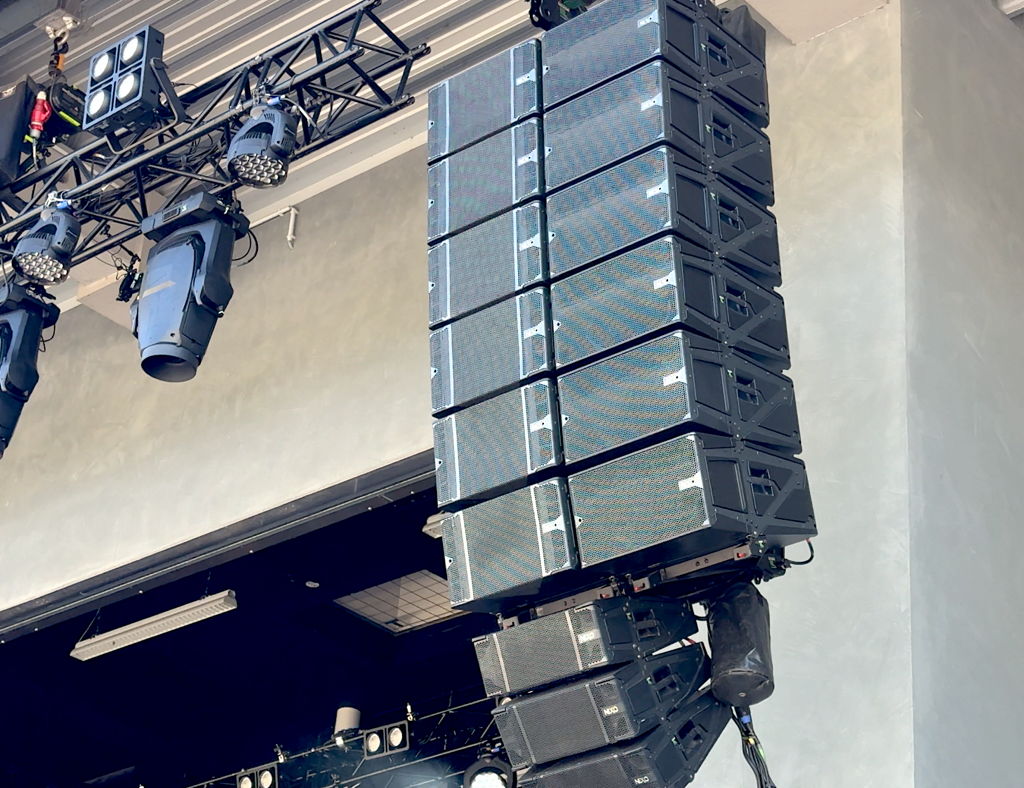
The Main PA (Public Address) system was configured with a robust "Side-by-Side" hang. This consisted of six Nexo M46 Line-Source modules paired with six B112 Bass modules per side. The M46 provides high-output full-range sound, while the B112 modules extend the low-frequency response and increase the system’s headroom, ensuring that even the most dynamic moments of Anastacia’s soul-inflected pop or Ben Zucker’s gravelly rock anthems were delivered with clarity. To address the audience members closest to the stage, three Nexo M28 Downfill cabinets were suspended beneath each main array.
Recognizing the width of the venue, the engineering team deployed eight Nexo GEO M10 speakers per side as outfills. These were critical for maintaining tonal consistency for spectators seated or standing at the periphery of the main stage. Central coverage was further refined using a single Nexo P15 cluster and six M28 Nearfill cabinets, ensuring that the "sonic hole" often found in the front-center of large stages was completely filled.
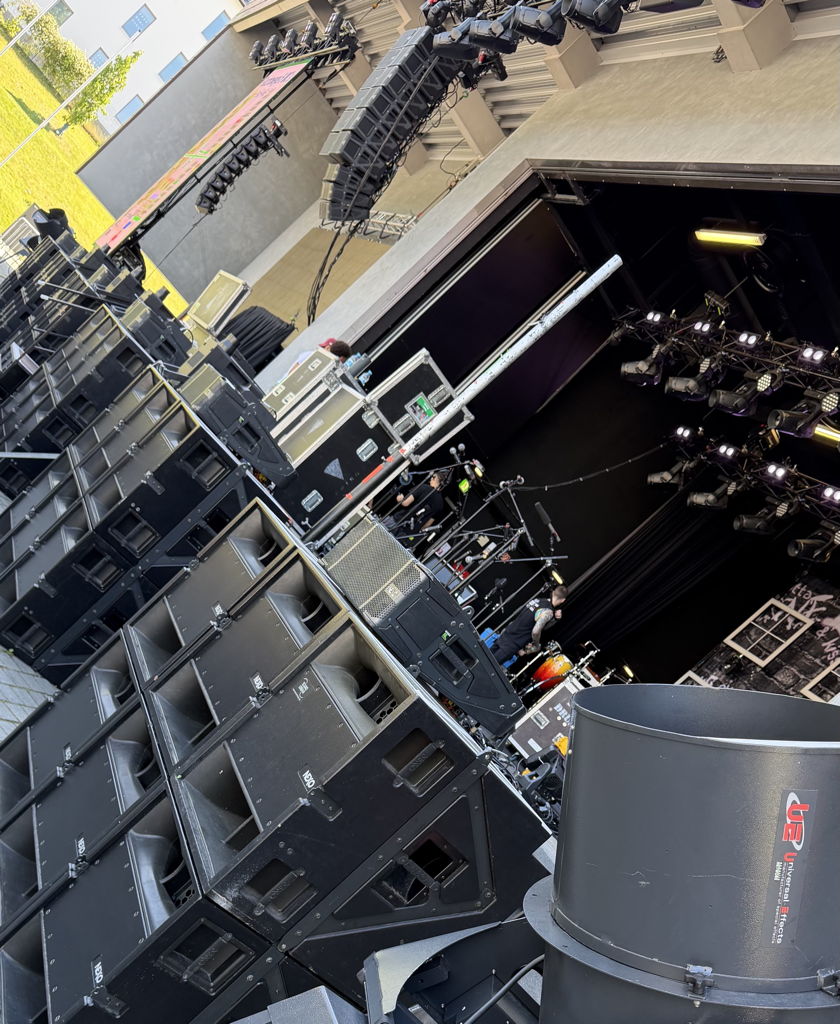
The low-end reinforcement, a vital component for the high-energy "Schlager" and party sets of Mickie Krause and Lorenz Büffel, was handled by a massive array of 42 Nexo S118 subwoofers. These were arranged in a configuration designed to maximize impact while controlling rear-rejection, preventing excessive low-frequency buildup on the stage which can interfere with the performers’ monitoring.

Signal Processing and Control Infrastructure
At the heart of the production was a sophisticated digital backbone. The entire loudspeaker system was driven by Nexo NXAMP4X4 power amplifiers. These units are known for their integrated processing and high-power density, but during this event, their thermal management systems were the true stars. Operating in direct sunlight, the amplifiers utilized their internal cooling architectures to maintain stable output without triggering safety shutdowns.
The signal distribution was managed via a fully networked Dante infrastructure. Dante, a leading digital audio networking protocol, allowed for low-latency, high-fidelity audio transport across the site. A key safety feature implemented by acoustic Network was the "analog fallback." In the unlikely event of a network clock failure or a digital cable compromise—risks that increase when cables are subjected to extreme heat and physical expansion—the system was programmed to switch instantaneously to an analog signal path, ensuring that the music would continue without interruption.
Control at the Front of House (FOH) and monitor positions was managed through a suite of Yamaha digital consoles. The lineup included the flagship Yamaha Rivage PM5, along with DM7, DM7 Compact, and CL5 consoles. This variety of desks allowed the technical team to accommodate the specific "riders" (technical requirements) of the different artists. While Anastacia’s touring engineers might prefer the expansive surface of the Rivage PM5, the DM7 series offered a compact yet powerful solution for the rapid-fire transitions required during the party-themed segments of the weekend.
Chronology of the Event: From Load-in to Encore
The production timeline began in the early morning hours, with the acoustic Network crew arriving on-site to begin the "load-in" before the sun reached its zenith. System engineers Raphael Kromhout and Till Hausmann oversaw the calibration of the arrays using Nexo’s NS-1 prediction software. This phase was crucial; as air temperature and humidity change throughout the day, the way high frequencies travel through the air also changes. The engineers had to account for these fluctuations to ensure that the sound during the 9:00 PM headlining sets would be as crisp as during the 4:00 PM soundchecks.
On the first day, the system had to handle the nuanced, powerful vocals of Anastacia. The requirement was for high fidelity and "hi-fi" clarity. The second day shifted gears toward Ben Zucker’s rock-oriented sound, requiring more "bite" and mid-range presence. The final day, featuring Lorenz Büffel and Mickie Krause, demanded raw power and high SPL (Sound Pressure Level) to match the festive, high-energy atmosphere of the crowd.
Throughout each day, the system engineers monitored the health of the amplifiers and the temperature of the loudspeaker voice coils via remote software. Despite the ambient heat and the high-duty cycle of the equipment, no failures were reported.
Official Responses and Technical Analysis
The success of the series has been highlighted as a benchmark for regional event production. Raphael Kromhout and Till Hausmann, the lead system engineers, noted the importance of equipment reliability in their post-event analysis. "One of the most remarkable aspects of the production was the outstanding reliability of the entire audio system," they stated. "From the early morning load-in to the end of each show, all components worked perfectly under direct sunlight and extreme ambient temperatures, delivering consistently high sound quality."
Frederic Kahlert of acoustic Network echoed these sentiments, emphasizing that at this scale, there is no room for error. "Events of this magnitude require not only outstanding sound quality but, above all, uncompromising reliability," Kahlert remarked. He attributed the success to the synergy between the Nexo hardware and the Yamaha control surfaces, as well as the tireless work of the technical crew who operated under grueling physical conditions.
From a technical perspective, the event demonstrates a growing trend in the touring industry: the move toward "intelligent" systems that can self-monitor. The ability of the NXAMP4X4 amplifiers to provide real-time telemetry allowed the team to stay ahead of potential thermal issues. Furthermore, the use of the Nexo P12, P15, and P18 series for stage monitoring and fills provided a "phase-coherent" environment, meaning the sound on stage was in perfect sync with the sound in the audience, reducing feedback risks and improving the performance environment for the artists.
Broader Impact and Implications for the Industry
The Sauerlandpark Hemer concert series serves as a case study for the "new normal" of event production in an era of climate volatility. As heatwaves become more frequent and intense, the demand for "ruggedized" professional audio equipment is increasing. Manufacturers like Nexo and Yamaha are being pushed to design products that can operate outside of traditional "room temperature" specifications.
Furthermore, the event underscores the importance of regional service providers like acoustic Network. By investing in high-end, versatile inventories like the Nexo STM and GEO M series, these companies can service a wide range of genres—from international pop to local Schlager—without compromising on quality. The efficiency of the setup and strike-down times also provides a logistical advantage for venues like Sauerlandpark, which must balance a busy summer schedule.
Looking ahead, the industry will gather to discuss these technical challenges and innovations at the upcoming LEAT Con 26 (Live Entertainment and Technology Convention) in Hamburg. Scheduled for October 6–8, the convention will feature Nexo in Hall A4, where professionals will likely discuss the lessons learned from the 2026 summer season.
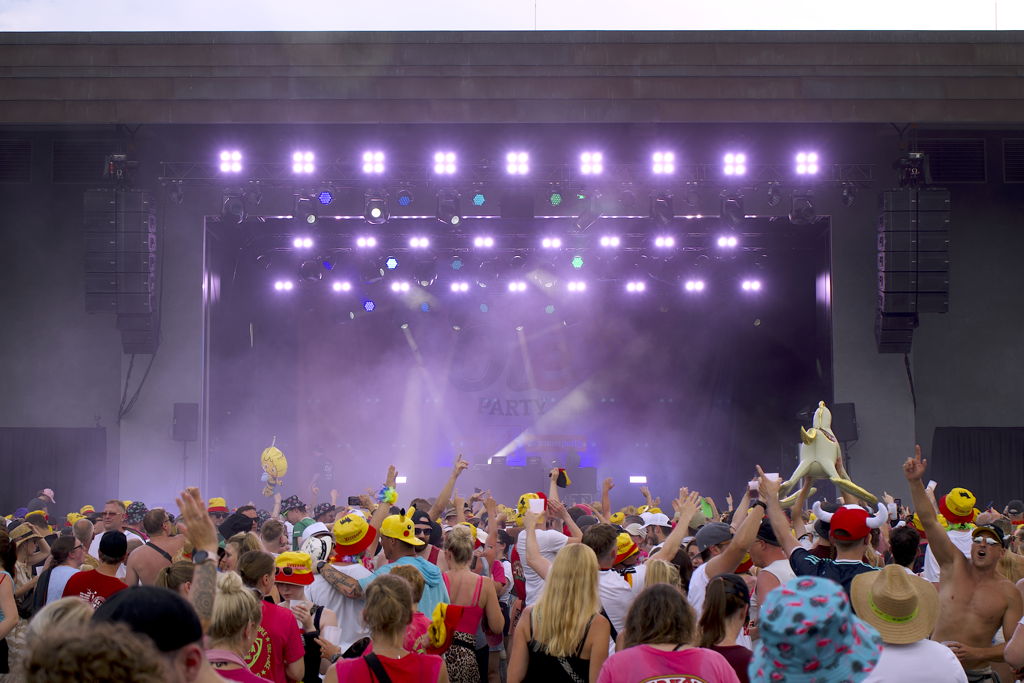
The successful execution of the Hemer concert series stands as a testament to the fact that with meticulous planning, robust hardware, and expert engineering, the show can go on—even when the mercury rises to record-breaking levels. For the 10,000 fans who gathered in the Sauerlandpark, the heat was merely a backdrop to a weekend of flawless musical entertainment, made possible by the invisible but essential work of the technical production team.
