

The Canadian music landscape is buzzing with two significant announcements: the unveiling of the second-ever SOCAN Polaris Song Prize shortlist, celebrating outstanding individual tracks, and the strategic acquisition of the Canadian Musical Reproduction Rights Agency (CMRRA) by the Society of Composers, Authors and Music Publishers of Canada (SOCAN). These developments underscore a dynamic period for Canadian music, marked by both artistic recognition and a major consolidation of rights administration that promises to reshape how creators are compensated.
Celebrating Sonic Excellence: The SOCAN Polaris Song Prize Shortlist
The SOCAN Polaris Song Prize, a relatively new yet impactful addition to Canada’s most prestigious music awards, has announced its five-song shortlist for its second edition. This prize distinguishes itself by focusing on the singular brilliance of individual tracks, offering a platform for artists whose work might not always fit the album-centric criteria of the main Polaris Music Prize. The selections for this year highlight a diverse range of Canadian talent, spanning various genres and artistic expressions.
The esteemed shortlist includes:
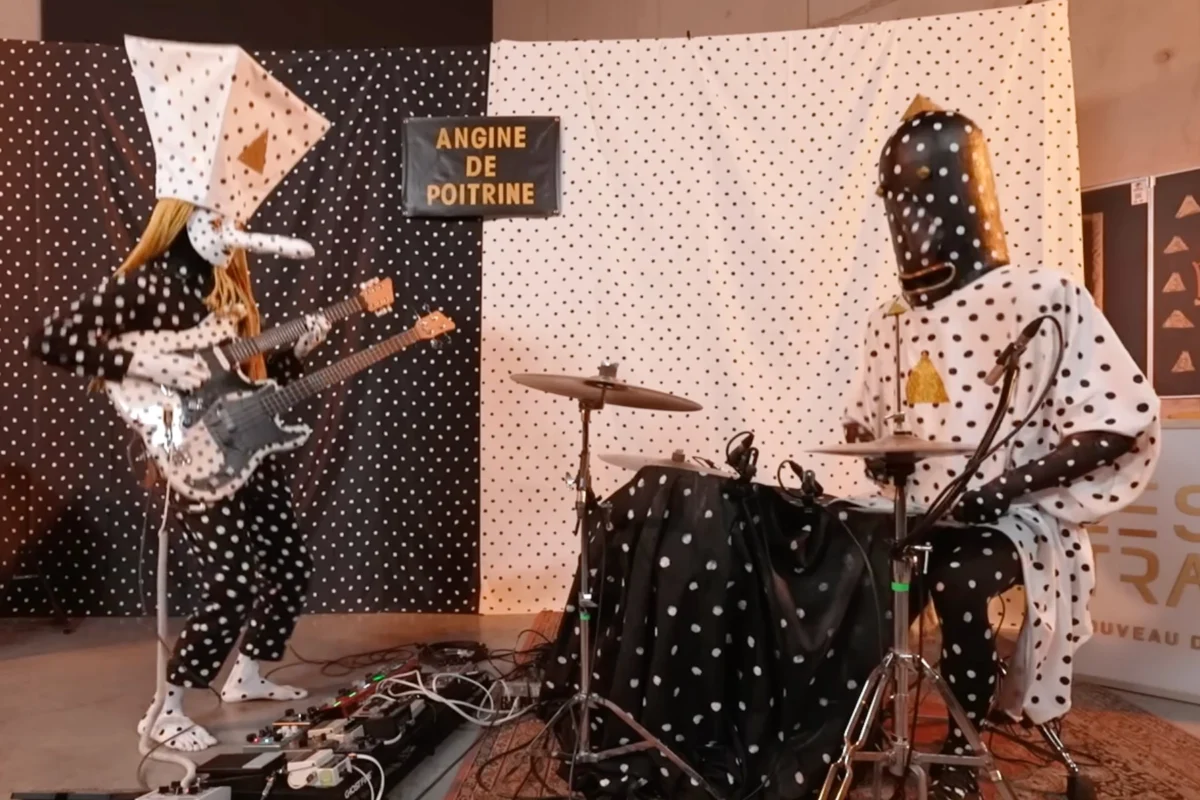
- Angine de Poitrine
- Charlotte Cornfield
- PUP
- Patrick Watson & Martha Wainwright
- Charlotte Day Wilson, featuring Saya Gray
These artists represent a vibrant cross-section of contemporary Canadian music. Angine de Poitrine, known for their unique sound that has garnered international attention, continues to build on their recent global rise. Charlotte Cornfield, an acclaimed singer-songwriter, brings her distinctive narrative voice to the forefront. Toronto-based punk rock stalwarts PUP are recognized for their energetic and critically lauded output. The collaborative effort of celebrated orchestral pop artist Patrick Watson and the iconic Martha Wainwright adds a touch of seasoned artistry, while Charlotte Day Wilson, with the featured Saya Gray, showcases a captivating blend of R&B and soulful introspection.
The SOCAN Polaris Song Prize operates in partnership with SOCAN, the performing rights organization crucial to Canadian music creators. The winner of this prestigious award will receive a significant $10,000, which is meticulously split between the Canadian performers and the credited Canadian songwriter(s) of the winning track. This financial recognition serves not only as a reward but also as an important investment in the continued careers of Canadian artists.
The recipient of the Song Prize will be revealed during a highly anticipated concert and award ceremony at the historic Massey Hall on September 22. This event will be a grand celebration of Canadian music, simultaneously announcing the winners of the flagship Polaris Music Prize and the Slaight Family Polaris Heritage Prize. Guiding the evening’s festivities will be the charismatic musician and broadcaster Odario Williams, known for his deep engagement with the Canadian music scene.
Jennifer Brown, CEO of SOCAN, eloquently articulated the essence of the prize, stating, "Sometimes, a song is so powerful it stands on its own and demands to be heard, and the SOCAN Polaris Song Prize Short List honours five such unforgettable Canadian songs." Her remarks underscore the prize’s mission to highlight the potent impact of individual compositions.
The journey to the shortlist was a rigorous one, beginning with a 20-song long list that featured a broad array of talent, including tracks from artists like Begonia, Les Louanges, Aquakultre, and Rochelle Jordan, among others. The sheer depth of talent on the long list speaks to the vitality of Canada’s music ecosystem.

Notably, two of the short-listed artists for the Song Prize have also secured spots on the Polaris Music Prize album short list: Angine de Poitrine with their album Vol. II, and Charlotte Cornfield with Hurts Like Hell. This dual recognition highlights the consistent artistic excellence demonstrated by these creators across both individual tracks and full-length projects.
The Polaris Music Prize, including its newer Song Prize component, relies on the discerning judgment of a 205-person Canada-wide jury. This diverse panel comprises music critics, academics, journalists, and other relevant industry members, ensuring a comprehensive and knowledgeable evaluation process. Since its inception, this jury has been instrumental in curating and voting through the various stages, from the initial long list to the final short list. The inaugural edition of the SOCAN Polaris Song Prize saw Mustafa’s poignant "Gaza is Calling" take home the award, setting a high bar for future winners.
Amber Still, Executive Director of the Polaris organization, shared insights with Billboard Canada regarding the rationale behind the Song Prize’s creation. She explained that the award was established to acknowledge "a whole new group of artists" who might not primarily release full albums or extensive bodies of work. This strategic expansion reflects a recognition of evolving consumption patterns in the music industry, where singles often play a crucial role in an artist’s career trajectory and audience engagement. The Song Prize represents the organization’s first new award since the Slaight Family Polaris Heritage Prize, which was introduced in 2015 to honor albums released before the Polaris Music Prize itself launched in the mid-2000s. Past Heritage Prize winners include Canadian music icons like Alanis Morissette, Peaches, and Beverly Glenn-Copeland, further cementing Polaris’s role in celebrating the entirety of Canadian musical heritage. Interestingly, Peaches’ No Lube So Rude and Beverly Glenn-Copeland’s Laughter In Summer are on this year’s Polaris Music Prize album short list, demonstrating a cyclical recognition of enduring artistic merit.
A Landmark Consolidation: SOCAN Acquires CMRRA
In parallel to the celebration of artistic achievement, a major structural shift is underway in the Canadian music industry’s administrative backbone. SOCAN has announced its acquisition of the Canadian Musical Reproduction Rights Agency (CMRRA), a move that will bring the distribution of performance and mechanical royalties under a single, unified umbrella. This represents a significant centralization of music rights management in Canada, aiming to streamline processes and enhance efficiency for creators and publishers alike.
SOCAN, the Canadian company dedicated to the administration of performance rights, is set to purchase CMRRA, which has meticulously handled the distribution of reproduction rights in Canada for over five decades. The agreement for acquisition comes from CMRRA’s current owner, the neighbouring rights company SoundExchange, which had acquired CMRRA in 2017. CMRRA, a cornerstone of the Canadian music industry, recently celebrated its 50th anniversary, underscoring its long-standing commitment and expertise in mechanical licensing.
Jennifer Brown, CEO of SOCAN, emphasized the strategic importance of this merger to Billboard Canada, stating, "Bringing CMRRA and SOCAN together is an investment in the future of Canadian music. United, we’ll strengthen rights administration for publishers, songwriters and composers. We’re grateful for SoundExchange’s leadership, and we’re excited to work with CMRRA to shape the next chapter of how music rights are supported and delivered." Her comments highlight a forward-looking vision for a more integrated and robust rights management system.
Understanding Performance and Mechanical Rights
To fully appreciate the significance of this acquisition, it’s essential to understand the distinct roles of performance and mechanical rights in the music industry.
- Performance Rights: These rights ensure that songwriters, composers, and publishers are compensated whenever their music is publicly performed. This includes plays on radio, television, in concerts, live venues, background music in stores, and through streaming services. SOCAN has been the primary entity in Canada responsible for licensing these public performances and distributing the collected royalties.
- Mechanical Reproduction Rights: These rights cover the reproduction of musical works. Historically, this meant compensation for physical formats like CDs, vinyl, and cassette tapes. In the digital age, mechanical rights extend to reproductions on streaming services, downloads, and synchronization in film and television. CMRRA has been the leading agency in Canada for licensing and collecting these mechanical royalties.
Historically, creators and publishers often had to navigate separate organizations for their performance and mechanical royalties, adding layers of administrative complexity. The integration of these two crucial functions under SOCAN’s stewardship aims to simplify this landscape.

A Look at the Financial and Leadership Landscape
Both SOCAN and CMRRA are formidable players in their respective fields, collectively responsible for licensing and distributing hundreds of millions of dollars in royalties to their members. In the past year, SOCAN reported an all-time revenue record of $587 million, distributing over $511 million to its rightsholders. Meanwhile, CMRRA distributed $94 million in royalties to its clients, a remarkable achievement that coincided with its 50th anniversary and the welcome of 477 new client affiliations. These figures underscore the vast economic impact these organizations have on the Canadian music economy.
The leadership driving these organizations has also received significant recognition. Cameron Kennedy, SOCAN’s CMO, and Paul Shaver, CMRRA’s President, both earned spots on the Billboard Canada Power Players 2026 list this year. This acknowledgment places them among the most powerful and influential executives in the Canadian music business, highlighting their pivotal roles in shaping the industry’s future.
Strategic Consolidation and Future Implications
The acquisition of CMRRA by SOCAN marks a major milestone in the centralization of music rights in Canada. This move builds on SOCAN’s prior experience in consolidating rights management, as the organization acquired the Society for Reproduction Rights of Authors, Composers and Publishers in Canada (SODRAC) in 2018. With the latest acquisition, SOCAN is now set to own the biggest handler of reproduction rights, significantly expanding its existing stewardship of public and performance rights.
Michael Huppe, President and CEO of SoundExchange, reflected on their role in CMRRA’s journey: "When SoundExchange acquired CMRRA nearly a decade ago, we saw an opportunity to strengthen its foundation, invest in its future, and enhance the services it provides to music publishers and songwriters. Together, SoundExchange and CMRRA have built a strong, innovative and thriving organization. We are proud of the progress achieved and believe SOCAN is the right organization to build on that success. This transaction benefits creators, publishers and the broader music community while allowing SoundExchange to continue advancing our core mission of delivering value to artists and rights owners around the world." Huppe’s statement suggests a confident handover, recognizing the strategic alignment and potential synergies between SOCAN and CMRRA.
The implications of this merger are far-reaching for Canadian creators, publishers, and the music industry at large.
- Streamlined Administration: The most immediate benefit is the potential for a "one-stop shop" for rights management. Songwriters, composers, and publishers may experience simplified processes for registering works, tracking usage, and receiving royalties for both performance and mechanical rights from a single entity. This could significantly reduce administrative burdens and lead to more efficient royalty collection.
- Improved Data Sharing and Analytics: Unifying these operations could lead to enhanced data integration, providing a more comprehensive view of how Canadian music is being used and monetized. This improved data infrastructure could benefit all stakeholders, from individual artists to industry analysts.
- Enhanced Advocacy and Influence: A consolidated entity like SOCAN, managing both major categories of rights, could wield greater influence in advocating for stronger copyright protections and fairer compensation models in an increasingly complex global digital landscape.
- Global Leadership: This integrated approach could position Canada as a leader in innovative rights management, potentially serving as a model for other territories grappling with the complexities of digital royalties.
- Challenges and Integration: While the benefits are substantial, the integration of two large, established organizations will undoubtedly present challenges. These may include merging technological systems, harmonizing operational procedures, and ensuring a smooth transition for all staff and members. Managing the expectations of diverse stakeholders—songwriters, composers, publishers, and various licensees—will be crucial for success.
In conclusion, the Canadian music scene is experiencing a period of significant evolution. The SOCAN Polaris Song Prize continues to shine a light on exceptional individual musical works, fostering artistic recognition and nurturing talent. Concurrently, SOCAN’s acquisition of CMRRA signals a transformative shift in the administrative machinery of the industry, promising a more integrated, efficient, and potentially more lucrative future for Canadian music creators and rights holders. These dual developments underscore Canada’s commitment to both celebrating its rich musical heritage and building a robust, forward-looking infrastructure for its artists.
