

The final weekend of June 2026 marked a turning point for the European event industry, as a record-breaking heatwave forced the cancellation of several high-profile gatherings across Germany and the Netherlands, signaling a new era of climate-related risk management. From the historic cancellation of the Hamburg Half Marathon to the premature closure of the Kessel Festival in Stuttgart and the total withdrawal of the Hype Festival in Cologne, the event sector faced an unprecedented challenge that transcended simple logistics. As temperatures climbed toward and beyond the 40°C mark, the industry was forced to confront the reality that traditional summer planning is no longer sufficient in the face of a rapidly changing climate.
A Weekend of Silence: The Chronology of Cancellations
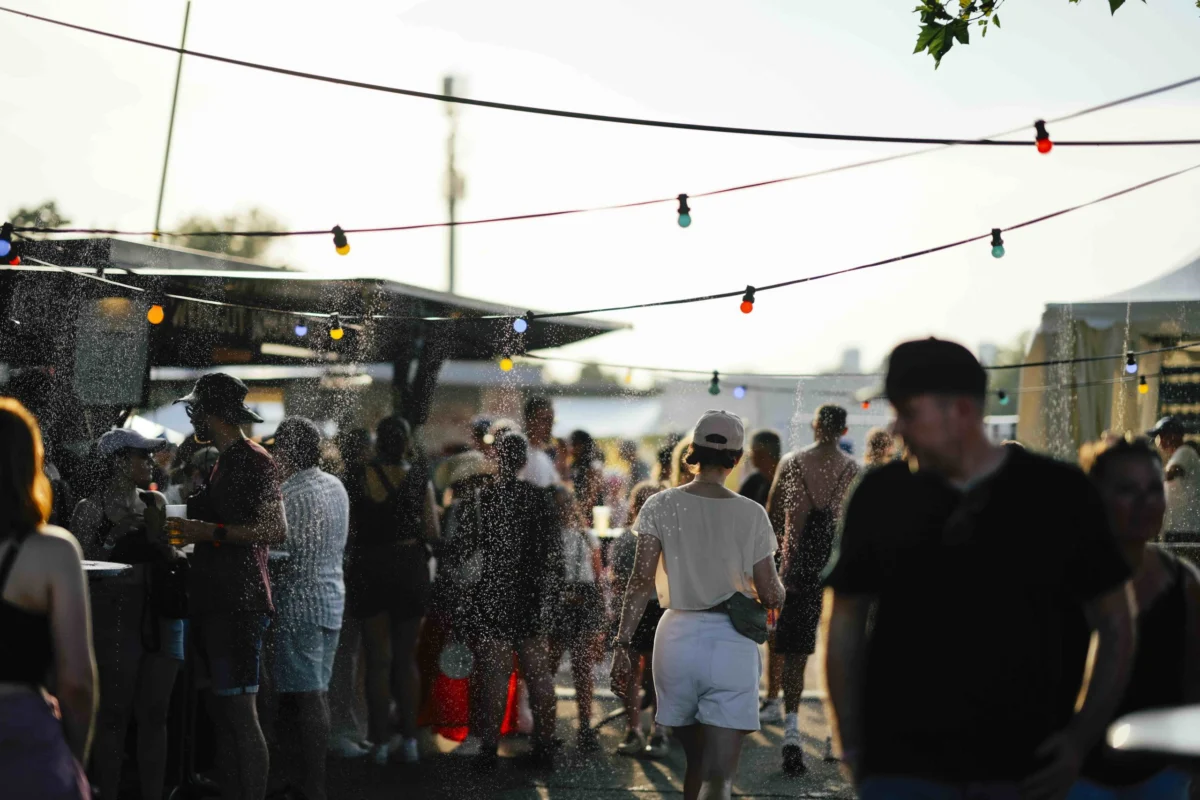
The crisis began to materialize in mid-June 2026, when meteorological models began showing a stable high-pressure system funneling Saharan air directly into Central Europe. By Friday, June 26, the situation reached a critical mass. In Stuttgart, the Kessel Festival—a popular family-oriented event held on the Cannstatter Wasen—opened its gates to thousands of visitors. However, after only one day of operation, organizers were forced to pull the plug. Despite the implementation of cooling zones and water sprayers, the radiant heat from the vast, unshaded festival grounds made continued operation a liability.
Simultaneously, in Cologne, the Hype Festival at the Tanzbrunnen was canceled before the first performance could begin. Organizers cited the inability to guarantee the safety of both the performers and the audience in an outdoor setting where temperatures were forecasted to remain in the high 30s well into the evening. The trend crossed borders into the Netherlands, where the Defqon.1 hardstyle festival in Biddinghuizen was forced to send thousands of newly arrived attendees home, a move that resulted in significant logistical chaos and financial loss.
The most symbolic moment of the weekend occurred on Sunday, June 28, in Hamburg. For the first time in its history, the Hamburg Half Marathon was called off. With 24,000 runners expected on the starting line, the risk of mass heat-related medical emergencies was deemed too high. Despite a massive increase in resources—including 100,000 liters of drinking water and seven dedicated cooling stations—the city’s emergency services determined that the projected volume of heatstroke cases would overwhelm local hospitals.
The Meteorological Shift: From Hot Days to Extreme Events
The severity of the June 2026 heatwave is not merely a matter of high temperatures but of "extreme rarity" becoming a new norm. Bernhard Mühr, a prominent meteorologist and Managing Director of EWB Wetterberatung GmbH, notes that while "hot days" (defined as 30°C or higher) are common in German summers, the breach of the 40°C threshold represents a different category of threat altogether.
"New all-time records, including temperatures exceeding 40°C, represent extreme events that present unique challenges to all stakeholders," Mühr explains. Unlike thunderstorms, which may provide only minutes of warning, heatwaves are predictable up to two weeks in advance. This predictability places a higher burden of responsibility on organizers. If a heatwave is forecasted ten days out, the legal and ethical expectation to adapt or cancel becomes paramount.
Mühr highlights a critical factor often overlooked by attendees: the "surface effect." On an asphalted festival site or city street, solar radiation can drive surface temperatures to between 50°C and 60°C by the early afternoon. This creates a microclimate where the ambient air temperature felt by a person standing in a crowd is significantly higher than the official meteorological reading. The window between 12:00 PM and 5:00 PM is particularly hazardous, coinciding with peak entry times for most festivals.
Occupational Safety and the "Invisible" Workforce
While public attention often focuses on the disappointment of ticket holders, safety experts emphasize the danger posed to the thousands of workers behind the scenes. Falco Zanini, a specialist in visitor and occupational safety, points to the German Workplace Directive (ASR A5.1) as a crucial legal framework. This directive regulates outdoor work and non-enclosed workplaces, providing specific "trigger values" for mandatory safety measures.
During the June 2026 heatwave, many sites reached "Heat Level 4," the highest category in the safety hierarchy. At this level, heavy physical labor—such as the assembly of stages, scaffolding, and lighting rigs—becomes life-threatening. "The extreme heat burdens and threatens employees in the event industry—stagehands, catering staff, security, and medical teams who must work under direct solar radiation," Zanini states.
Mandatory measures under these conditions include:
- The shading of all outdoor workstations.
- The provision of air showers and water nebulizers.
- The shifting of heavy physical work to the early morning or late evening hours.
- Increased frequency of breaks in cooled or shaded environments.
The strain on security personnel is particularly acute. Unlike festival-goers who can move to shade, security guards are often required to remain at fixed posts for hours, frequently in full uniform, making them highly susceptible to heat exhaustion.
The Economic and Structural Impact on the Industry
The shift toward a hotter climate is no longer a future scenario; it is a current operational reality. Prof. Dr. Kim Werner from the University of Applied Sciences Osnabrück argues that the event industry’s vulnerability to climate change is now "medium to high" and rising. This vulnerability is not limited to outdoor festivals. Indoor venues are increasingly struggling with inadequate cooling systems that were not designed for sustained 40°C outdoor temperatures. Furthermore, extreme heat disrupts supply chains and transportation networks, as rail tracks buckle and engines overheat, preventing equipment and personnel from arriving on time.
The financial implications are profound. The cancellation of the Hamburg Half Marathon, despite the procurement of 100,000 liters of water and additional medical staff, demonstrates that "throwing money at the problem" is not always a viable solution. The costs of insurance are expected to skyrocket as "climate risk" becomes a standard clause in event contracts.
"Weather and climate risks will increasingly influence insurance premiums and budget planning," says Prof. Dr. Werner. She anticipates a future of higher premiums, adjusted insurance conditions, and higher deductibles. However, she views these expenditures not just as costs, but as "investments in the resilience of an event." The integration of climate risk into sustainability management is now a requirement under the ISO 20121 standard and the German Climate Adaptation Act of 2024.
Moving Beyond Symptom Management
To date, the industry’s response to heat has largely focused on "symptom management": water stations, misting fans, and "cool zones." While necessary, these measures do not address the long-term sustainability of traditional summer event formats. Prof. Dr. Werner notes a fundamental conflict: fighting heat with energy-intensive air conditioning increases the very carbon emissions that drive global warming.
Instead, the industry is looking toward structural adaptation:
- Site Selection: Prioritizing venues with natural shade (trees) or high-albedo (light-colored) surfaces rather than vast asphalt plains.
- Temporal Shifts: Moving the "festival season" to May and September or shifting daily schedules to avoid the 12:00 PM – 5:00 PM danger zone.
- Communication: Early and transparent communication with the public is becoming a primary safety tool. Advising attendees on proper hydration, clothing, and the recognition of heatstroke symptoms can significantly reduce the burden on medical services.
Conclusion: A Shared Responsibility
The events of June 2026 have made one thing clear: the survival of the summer event season depends on a collective effort between organizers, authorities, and attendees. Falco Zanini concludes that the well-being of employees must be the priority. "Without these hardworking people, there is no event. We will have to adapt in many ways."
For organizers looking for guidance, initiatives like the "Klima-Event" project—a collaboration between the University of Osnabrück, the German Convention Bureau (GCB), and local government bodies—provide frameworks for building climate-resilient events. These resources offer a roadmap from low-threshold immediate solutions to long-term structural changes.
As the industry looks toward the late 2020s, the "Black Weekend" of 2026 serves as a stark reminder. The roar of the crowd and the pulse of the music can only continue if the industry successfully navigates the rising mercury of a warming world. The transition from reactive cancellation to proactive resilience is no longer an option; it is a necessity for the cultural and economic vitality of the European summer.
