

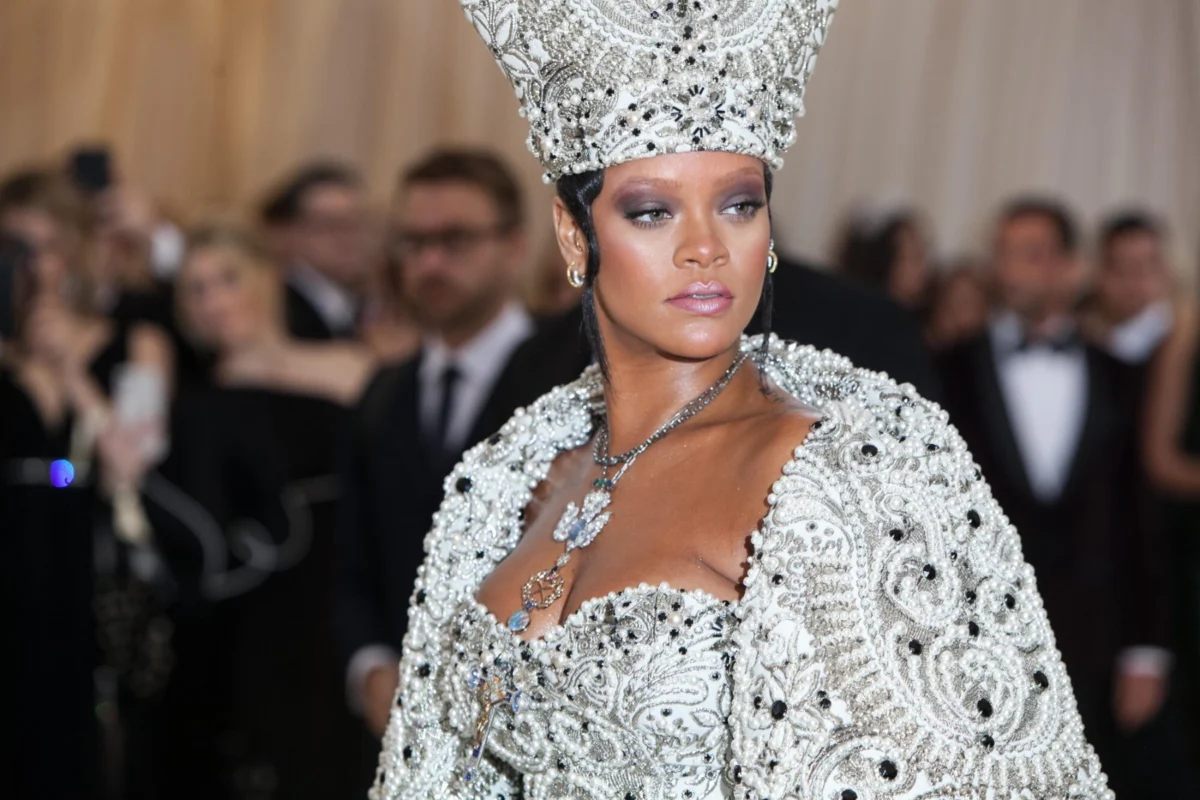
Rihanna, the Barbadian global icon, once again commanded international attention during her annual pilgrimage to her homeland’s Crop Over festival, gracing the Grand Kadooment Day Parade on Monday, August 3, with an unparalleled display of sartorial grandeur. Her custom-designed ensemble, a breathtaking confluence of intricate bejeweling, vibrant hues, and a dramatic feathered headdress, has been widely lauded as setting a new benchmark for carnival aesthetics, seamlessly blending high fashion with deep cultural roots. This year’s participation underscored not only her unwavering connection to her Barbadian heritage but also her potent influence as a cultural ambassador on the world stage, drawing millions of eyes to the vibrant traditions of the Caribbean.
A Luminary’s Annual Return to Her Roots
For years, Robyn Rihanna Fenty, known globally as Rihanna, has made it a cherished tradition to return to Barbados for the Crop Over festival, a period of immense national pride and revelry. Her presence is more than just a celebrity appearance; it is a profound reaffirmation of her identity and a testament to the enduring bond she shares with her island nation. Each return is met with fervent anticipation by locals and international fans alike, eager to witness the unique fusion of her global superstar persona with the uninhibited joy of carnival. This consistent commitment to her cultural roots has solidified her status not just as a musical artist and entrepreneur, but as a cherished National Hero, a title officially bestowed upon her by Barbados in 2021.
The 2026 Crop Over festival, spanning from July 4 to August 3, culminated in the electrifying Grand Kadooment Day Parade. This climactic event transforms the streets of Barbados into a kaleidoscope of color, sound, and movement, as thousands of masqueraders, adorned in elaborate costumes, dance their way through the capital. Rihanna’s involvement, as always, became a central focal point, capturing the essence of the festival’s spirit while simultaneously elevating its global profile. She was observed walking and dancing with infectious energy, blowing kisses to adoring fans lining the parade route, before gracefully transitioning to a float, where she continued to wave and engage with the celebratory crowds. This dynamic interaction exemplified her dual role as both participant and spectacle, a testament to her profound connection with the Barbadian populace. Her repeated participation over the years has seen her embody various themes and styles, from glitter-drenched ensembles to more ethereal, winged creations, each look meticulously crafted to celebrate the spirit of the festival while pushing artistic boundaries.
The Masterpiece: A Lauren Astin Creation
The centerpiece of Rihanna’s 2026 Crop Over appearance was undoubtedly her custom-designed costume, a stunning collaboration with celebrated Barbadian designer Lauren Astin. Glamour magazine accurately described the creation as featuring "crystal embellishments, bold jewel tones, dramatic feather detailing and a statement headpiece worthy of a carnival queen." The outfit was a masterclass in carnival artistry, characterized by its wildly colorful palette, copious jewels, sparkling accents, and resplendent peacock-colored feathers. This particular choice of colors and materials not only reflects the tropical vibrancy of Barbados but also often carries symbolic weight within carnival traditions, with peacock feathers frequently representing beauty, pride, and renewal.
Astin’s design was not merely decorative; it was a bold artistic statement, incorporating numerous strategic cut-outs on the bodice that, as observers noted, left "not much to the imagination" while artfully covering key areas with dazzling jewels. This audacious yet elegant approach is characteristic of modern carnival design, which often pushes boundaries of sensuality and self-expression within the context of celebratory liberation. The dramatic feathered headdress, initially towering and elaborate, was later swapped for a more manageable piece, allowing Rihanna greater freedom of movement as she transitioned to her float, demonstrating the practical considerations behind even the most extravagant carnival ensembles. The ability to manage such a complex costume, particularly during the energetic Grand Kadooment parade, speaks volumes about the meticulous planning and craftsmanship involved.
Lauren Astin, a prominent figure in Barbadian carnival fashion, is known for her innovative and often opulent designs that resonate with the island’s vibrant aesthetic. Her work frequently showcases intricate detailing, a rich understanding of color theory, and a flair for theatricality that is perfectly suited for the grand scale of Crop Over. Collaborations with global figures like Rihanna not only spotlight Astin’s exceptional talent but also shine a light on the burgeoning creative industries within Barbados, demonstrating the island’s capacity for producing world-class artistry and craftsmanship. The meticulous handcraftsmanship involved in such a costume – from the setting of each crystal to the careful arrangement of every feather – represents hundreds of hours of dedicated work, transforming fabric and embellishments into a wearable work of art that embodies the spirit of carnival. This synergy between a global icon and a local artisan provides an invaluable platform for Barbadian design, elevating it to international visibility and potentially inspiring a new generation of local creatives.

Crop Over: A Deep Dive into Barbados’s Premier Festival
To fully appreciate Rihanna’s participation, one must understand the profound historical and cultural significance of the Crop Over festival itself. Originating in the 1700s, Crop Over began as a celebration marking the end of the sugar cane harvest, a pivotal moment in Barbados’s colonial past. Enslaved Africans on the plantations would celebrate the successful conclusion of the arduous harvest season with music, dance, and feasting, traditions that laid the foundation for the contemporary festival. These early celebrations, born out of resilience and a desire for communal joy amidst hardship, evolved over time, absorbing influences from various cultural streams that shaped Barbadian society.
Over the centuries, Crop Over evolved from a plantation tradition into a nationwide cultural extravaganza. After a period of dormancy in the mid-20th century, it was officially revived in the 1970s as part of a broader effort to boost tourism and reclaim national heritage. Since its revival, it has grown into Barbados’s largest and most vibrant annual festival, attracting thousands of locals and tourists. The modern Crop Over spans several weeks, transforming the island into a hub of activity with a packed calendar of events. These include:
- Calypso and Soca Competitions: The heart of Crop Over’s musical offerings, these competitions showcase the island’s top vocalists and songwriters, with the Pic-O-De-Crop competition crowning the Calypso Monarch. These musical forms are integral to Caribbean identity, providing a lyrical narrative of social commentary, celebration, and everyday life.
- Foreday Morning Jam: A pre-dawn street party where revelers covered in mud, paint, or powder dance through the streets. Often seen as a grittier, more raw precursor to Grand Kadooment, it symbolizes a stripping away of inhibitions and a return to elemental joy.
- Bridgetown Market: A bustling street fair offering Barbadian crafts, food, and entertainment, providing a platform for local artisans and culinary traditions. This market highlights the entrepreneurial spirit and artistic talents of the Barbadian people.
- Cohobblopot: A major show featuring live music, elaborate costumes, and performances by various bands, often serving as a preview for Grand Kadooment designs. This event is a spectacle of performance art, showcasing the creativity and theatricality inherent in carnival.
- Grand Kadooment Day: The grand finale, where masquerade bands parade from the National Stadium to Spring Garden Highway, culminating in a massive beach party. This is the day for the most elaborate costumes, with participants known as "revellers" or "masqueraders" dancing to the infectious rhythms of soca music. The energy is palpable, a collective expression of freedom and unity.
The festival is a powerful expression of Barbadian identity, resilience, and joy. It serves as a vital cultural touchstone, connecting contemporary Bajans to their ancestors and history. The costumes, music, and dances are not merely entertainment; they are living traditions, telling stories of freedom, community, and the vibrant spirit of the island. Official statistics from the Barbados Tourism Marketing Inc. frequently highlight Crop Over as a key driver for summer tourism, with visitor arrivals often seeing significant spikes during the festival period, contributing millions to the national economy.
Economic and Global Impact on Barbados
Rihanna’s consistent participation in Crop Over has a tangible economic and cultural impact on Barbados. Her global celebrity status acts as an invaluable marketing tool, providing unparalleled international exposure to the festival. Each year, images and videos of her elaborate costumes and joyful participation flood social media platforms and global news outlets, showcasing the beauty and vibrancy of Barbadian culture to millions who might otherwise be unaware of the event. This exposure translates directly into increased tourism interest, drawing visitors from around the world eager to experience the festival for themselves. For instance, in years past, social media mentions of "Crop Over" have surged by over 300% during the festival week, largely driven by posts featuring Rihanna.
Tourism is a cornerstone of the Barbadian economy, contributing over 12% to the nation’s GDP and directly supporting a significant portion of its workforce. Cultural events like Crop Over are critical drivers of this sector. International visitors contribute significantly to local businesses, from hotels and restaurants to tour operators and local artisans. Rihanna’s influence amplifies this effect, generating buzz and bookings that support countless livelihoods across the island. Beyond the economic benefits, her involvement fosters a profound sense of national pride. For Barbadians, seeing one of their own, a global superstar, actively participating in and celebrating their traditions, reinforces their cultural identity and showcases their heritage on a global stage. This boosts morale and strengthens community bonds, reminding everyone of the unique cultural treasures Barbados possesses. The government of Barbados has recognized this, often leveraging her image in tourism campaigns and cultural promotions, implicitly acknowledging her role as a de facto cultural ambassador.
Rihanna’s Journey: From Music to Mogul and Back to the Stage
While her Crop Over appearances are a consistent highlight, fans worldwide are still eagerly awaiting Rihanna’s ninth studio album, the highly anticipated follow-up to her critically acclaimed 2016 release, ANTI. ANTI was a commercial and artistic triumph, cementing her status as a genre-bending innovator with hits like "Work" and "Kiss It Better." However, since its release, Rihanna has largely shifted her focus from music to building a formidable entrepreneurial empire.
Her ventures, Fenty Beauty, Savage X Fenty, and Fenty Skin, have revolutionized the beauty and fashion industries, challenging traditional norms with their emphasis on inclusivity and diversity. Fenty Beauty, launched in 2017, quickly became a global phenomenon, lauded for its extensive range of foundation shades that catered to a diverse array of skin tones, a move that significantly impacted the industry standard. Savage X Fenty, her lingerie brand, similarly championed body positivity and diversity on the runway, showcasing models of all shapes, sizes, and backgrounds. These successful business endeavors have seen Rihanna achieve billionaire status, establishing her as one of the most successful artist-entrepreneurs of her generation, with her Fenty empire valued in the billions.
Despite her immense success in business, the persistent clamor for new music has remained a constant backdrop to her career. Fans have dubbed the long wait "R9," an affectionate but often impatient plea for her return to the recording studio. Recent public performances, therefore, have been met with intense scrutiny and renewed hope.
Her surprise guest appearance at the final gig of Jay-Z’s Yankee Stadium shows on July 12 was a significant moment. Popping out during the "Extra Innings Concert," she delivered electrifying renditions of "Run This Town" and "Bitch Better Have My Money." This performance marked her first public musical appearance since her iconic Super Bowl LVII halftime show three years prior. That Super Bowl performance, which garnered over 121 million viewers and famously revealed her second pregnancy, was a masterclass in stage presence and cultural impact. Her return to the stage with Jay-Z, albeit brief, sent ripples of excitement through the music industry, prompting renewed speculation about the imminent release of new material. While no official announcements regarding "R9" have been made, these carefully chosen public musical moments serve as tantalizing appetizers for a fanbase that has demonstrated remarkable patience and loyalty, continuously dissecting every public appearance for clues about her musical future.
Broader Implications: Celebrity, Culture, and Global Dialogue
Rihanna’s annual participation in Crop Over transcends a mere celebrity sighting; it becomes a powerful statement about cultural preservation and the global dialogue surrounding traditional festivities. In an increasingly homogenized world, the visibility she brings to Barbadian culture helps to safeguard its unique elements and promote understanding across diverse populations. Her outfits, often designed by local talent, become global fashion statements, influencing trends and demonstrating the innovative spirit of Caribbean design. This cultural exchange is invaluable, fostering appreciation for indigenous artistry and traditions.
Furthermore, her presence highlights the broader role of cultural festivals in national identity and international relations. These events are not just parties; they are complex tapestries woven from history, art, music, and community spirit. They offer an authentic window into a nation’s soul, attracting visitors who seek genuine cultural immersion rather than just conventional tourism. Rihanna, consciously or unconsciously, acts as a bridge, connecting her global audience with the heart of her Barbadian heritage. Her image becomes synonymous with the festival, a powerful endorsement that few other cultural events can boast.
The ongoing anticipation for her new music, juxtaposed with her flourishing business empire and her consistent cultural advocacy, paints a picture of an artist who operates on her own terms, dictating her narrative and priorities. Her Crop Over appearance is a reminder that even as she conquers global industries, her roots remain firmly planted in the vibrant soil of Barbados, continuing to draw inspiration and joy from the traditions that shaped her. As the echoes of soca music fade and the last feathers settle from Grand Kadooment Day, the impact of Rihanna’s dazzling display will resonate, keeping the spirit of Crop Over alive in global consciousness until her next anticipated return. The fusion of global stardom with profound local heritage continues to define Rihanna’s unique brand, ensuring that Barbados and its rich cultural tapestry remain firmly in the international spotlight.
