

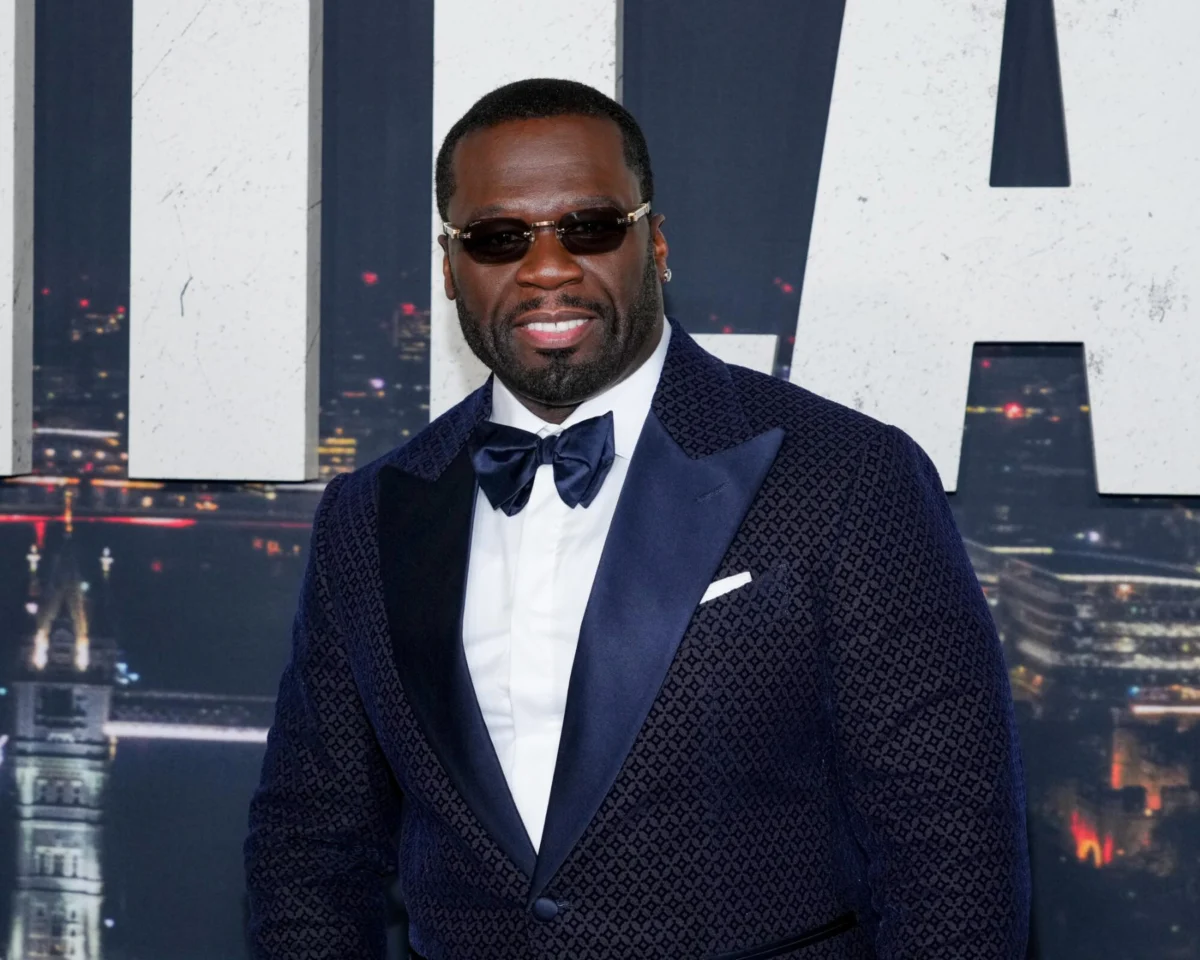
Curtis "50 Cent" Jackson, the multi-hyphenate artist and entrepreneur, recently unveiled astonishing details about his compensation and the complex interpersonal dynamics that unfolded behind the scenes of the hit Starz series Power. During a candid interview with GQ, Jackson disclosed that he initially earned a mere $17,000 per episode for his role as Kanan Stark, despite simultaneously serving as an executive producer, music supervisor, performing the show’s theme song, and being its primary public promoter. This revelation sheds light on the significant financial sacrifices and strategic maneuvers that underscored his foray into television production, a move that ultimately cemented his status as a formidable media mogul. His insights also exposed friction with the show’s creator and showrunner, Courtney Kemp Agboh, and its lead actor, Omari Hardwick, stemming from the struggle for recognition and creative ownership as the series ascended to unprecedented popularity.
The Genesis of a Phenomenon: Power‘s Inception and Jackson’s Vision
Power debuted on Starz in June 2014, quickly establishing itself as a cornerstone of the premium cable network’s programming slate. Co-created by Courtney Kemp Agboh and executive produced by Jackson, the crime drama captivated audiences with its gritty portrayal of James "Ghost" St. Patrick (Omari Hardwick), a wealthy New York nightclub owner living a double life as a major drug lord. Jackson’s involvement, initially conceived to lend street credibility and a robust marketing presence, evolved into a deeper creative and strategic partnership.
At the time of Power‘s conception, Starz, while a respected player, was actively seeking a flagship series that could rival the cultural impact of shows on HBO, Showtime, or AMC. Jackson, already a global music icon with a keen business sense, saw an opportunity not just to act, but to build a significant media empire. His G-Unit Film & Television banner was established with an ambitious goal: to develop compelling narratives that resonated with diverse audiences, particularly those often underserved by mainstream television. Power was designed to be the vanguard of this new venture.
Jackson’s decision to invest heavily in Power went beyond monetary compensation; it was a calculated risk aimed at long-term strategic gains. He recognized the immense potential of premium television to cultivate a loyal fanbase and generate substantial ancillary revenue streams. By accepting a modest initial salary, he essentially traded immediate high earnings for a larger stake in the show’s future success and the invaluable experience of learning the television production landscape from the ground up. This approach mirrored the strategic long-game often played by seasoned entrepreneurs who prioritize equity and influence over upfront cash.
A Stark Revelation: The $17,000 Episode Rate
The most striking disclosure from the GQ interview was Jackson’s initial per-episode salary of $17,000. In the competitive landscape of premium cable television, this figure is remarkably low, especially for an individual with Jackson’s star power and multifaceted responsibilities. For comparison, lead actors on successful cable dramas can command hundreds of thousands of dollars per episode, often exceeding $250,000, and established executive producers frequently earn a significant percentage of a show’s budget in addition to their fees. Even supporting actors on popular network shows can often earn upwards of $50,000 per episode.
Jackson’s roles extended far beyond his on-screen portrayal of Kanan Stark. As an executive producer, he was instrumental in shaping the creative direction, casting decisions, and overall tone of the series. His influence was palpable, from the show’s authentic portrayal of New York street life to its carefully curated soundtrack. Furthermore, he served as the music supervisor, contributing to the show’s sonic identity, and famously performed the memorable theme song, "Big Rich Town." Beyond these creative and production duties, Jackson was also the show’s most visible ambassador, leveraging his massive personal brand and social media presence to promote Power tirelessly. He recounted that in the early seasons, the show’s public appearances, such as on Good Morning America, were often contingent on his presence, underscoring his indispensable role in its initial marketing and outreach.
This combination of roles, typically remunerated with separate, substantial fees, being condensed under such a low per-episode payment highlights Jackson’s profound belief in the project and his willingness to make a short-term financial sacrifice for a long-term strategic gain. It was a clear demonstration of investing in himself and his vision for G-Unit Film & Television.
Navigating the Tensions: Credit, Ego, and Creative Control
As Power gained traction and transformed into a bona fide hit, the success, ironically, began to strain the relationships behind the scenes. Jackson openly discussed the "awkwardness" that arose between him, showrunner Courtney Kemp Agboh, and lead actor Omari Hardwick.
Jackson articulated Kemp’s perspective, stating, "When people have success for the first time in their career, sometimes they need it to be all theirs, right? So the difficult thing is if they have their success for the first time, and it’s a 50 Cent show. It is a 50 Cent show, like publicly people look at it like it’s ‘presented by 50 Cent.’ The story is from Southside, Jamaica, Queens – everything is 50 Cent tied to the show. The music that’s playing is 50 Cent." He explained that Kemp "felt like it was registering as a 50 Cent show instead of her show," leading to "weird behaviors and the things that were going on behind the scenes."
This friction points to a common dynamic in collaborative creative industries: the battle for credit and recognition, especially when a project becomes wildly successful. For a showrunner like Kemp, who dedicated years to developing the narrative and overseeing its intricate production, seeing the public attribute much of its success to a high-profile executive producer and actor could be frustrating. The distinction between creative authorship and public perception often blurs, leading to understandable tensions.
The friction extended to Omari Hardwick, who played the central character, Ghost. Jackson noted, "it also was friction between her and Omari because he was feeling like he was the lead and the star of the show, so she was having a problem with anybody that was leading the show because she felt like it was her show." This further complicates the narrative, suggesting a multi-layered power struggle where each key player felt their contribution was paramount and deserved primary recognition. Hardwick, as the series’ protagonist, carried the majority of the narrative weight, and his belief in his central role was justifiable. The interplay of these strong personalities, each with valid claims to the show’s success, created an environment ripe for such creative and personal disagreements.
Jackson, ever the pragmatist, acknowledged his initial role in popularizing the series: "I’m technically the star of Power until I introduced everybody to it, and then Omari Hardwick turned into the star of Power." This statement reflects a strategic understanding of how celebrity endorsement can launch a project, but how sustained success ultimately relies on compelling storytelling and strong performances from its core cast.
Kanan Stark’s Impact and Jackson’s Pragmatism
Despite the underlying tensions, Jackson remained committed to the show’s narrative integrity. His character, Kanan Stark, quickly became a fan favorite – a menacing, charismatic, and complex antagonist who evolved into an anti-hero. Kanan’s arc was pivotal to the series, driving much of the conflict and deepening the mythology of the Power universe.
Jackson revealed that he had no issues with his character being famously killed off. This willingness to allow a beloved character, played by himself, to exit the series further illustrates his strategic thinking and lack of ego when it came to the broader business objectives. The death of Kanan Stark was a significant plot point, demonstrating the high stakes within the Power universe and providing a powerful catalyst for future storylines. This decision, seemingly made without personal attachment, underscored his dedication to the show’s dramatic integrity and long-term vision rather than merely extending his on-screen presence.
The Broader Implications: Celebrity Influence and Production Dynamics
Jackson’s revelations offer a unique window into the intricate dynamics of modern television production, particularly when a major celebrity is involved in multiple capacities. His experience highlights several key implications:
-
Strategic Investment by Talent: The pay cut taken by Jackson is a prime example of a celebrity leveraging their brand power as an equity stake. Instead of demanding top-tier upfront compensation, he invested in the project’s long-term potential, ultimately yielding far greater returns through the show’s success and the expansion of the Power universe. This model allows talent to transition from hired guns to bona fide media owners and content creators.
-
The Challenge of Shared Credit: The friction over credit underscores the inherent difficulties in collaborative creative endeavors, especially when individual contributions are perceived differently by the public and by the creators themselves. In an era where public-facing personalities often become synonymous with a brand, distinguishing between individual artistic vision and collective effort can be a delicate balancing act.
-
The Evolution of a Media Mogul: Jackson’s journey with Power is a case study in successful brand diversification. He strategically transitioned from a music superstar to a formidable force in film and television production. His G-Unit Film & Television has since become a prolific producer of content, demonstrating a savvy understanding of audience demand and the shifting media landscape. This model has been successfully replicated by other artists-turned-moguls, such as Tyler Perry and Oprah Winfrey, who built vast empires by owning their content.
-
Value Proposition for Networks: For a network like Starz, securing a talent like 50 Cent was a calculated gamble that paid off immensely. His star power provided instant recognition and attracted an audience that might not have otherwise tuned into the fledgling network. The initial investment in his involvement, even if it meant navigating later creative tensions, ultimately delivered a franchise-defining hit.
The Enduring Legacy: The Power Universe
The success of the original Power series paved the way for an expansive television universe, a testament to the enduring appeal of its characters and narratives. Jackson, through G-Unit Film & Television, has continued his executive producing role across all spin-offs, further solidifying his influence and reaping the rewards of his initial investment.
The Power universe currently includes:
- Power Book II: Ghost: Following Tariq St. Patrick, Ghost’s son, as he navigates college life and the drug game.
- Power Book III: Raising Kanan: A prequel delving into the formative years of Kanan Stark, portrayed by Jackson in the original series. This series offers a deeper dive into the character Jackson helped bring to life.
- Power Book IV: Force: Centered on Tommy Egan, Ghost’s best friend and business partner, as he relocates to Chicago.
These spin-offs have consistently delivered strong viewership numbers for Starz, cementing Power as one of the network’s most valuable franchises. This exponential growth validates Jackson’s initial strategic vision and the substantial personal and financial investment he made in the show’s foundational years.
Jackson’s Expanding Empire and Future Endeavors
Beyond the Power universe, Curtis "50 Cent" Jackson continues to expand his footprint across various media. His G-Unit Film & Television is involved in numerous other projects, producing content across different genres and platforms. This diversified portfolio demonstrates his commitment to building a lasting legacy in entertainment.
In recent news, Jackson teased an exciting musical collaboration that underscores his continued relevance in the music industry. He hinted at a joint track featuring himself, his mentor Eminem, and the late hip-hop legend 2Pac, slated for the official soundtrack of the upcoming Street Fighter movie. Jackson is set to portray the iconic character Balrog in the newest iteration of the film adaptation, which is scheduled to hit theaters on October 16. This potential collaboration, bridging generations of hip-hop talent, would undoubtedly be a monumental event for music fans worldwide and further highlights Jackson’s ability to remain at the nexus of culture, music, and film.
The GQ interview provides not just a glimpse into the past challenges of a hit show but also a compelling narrative of strategic foresight, resilience, and the relentless pursuit of entrepreneurial vision. Curtis "50 Cent" Jackson’s journey with Power is a powerful reminder that sometimes, the greatest successes are born from the most unexpected sacrifices. His story continues to evolve, from a music legend to a television titan, consistently pushing boundaries and redefining what it means to be a multifaceted entertainer in the 21st century.
