

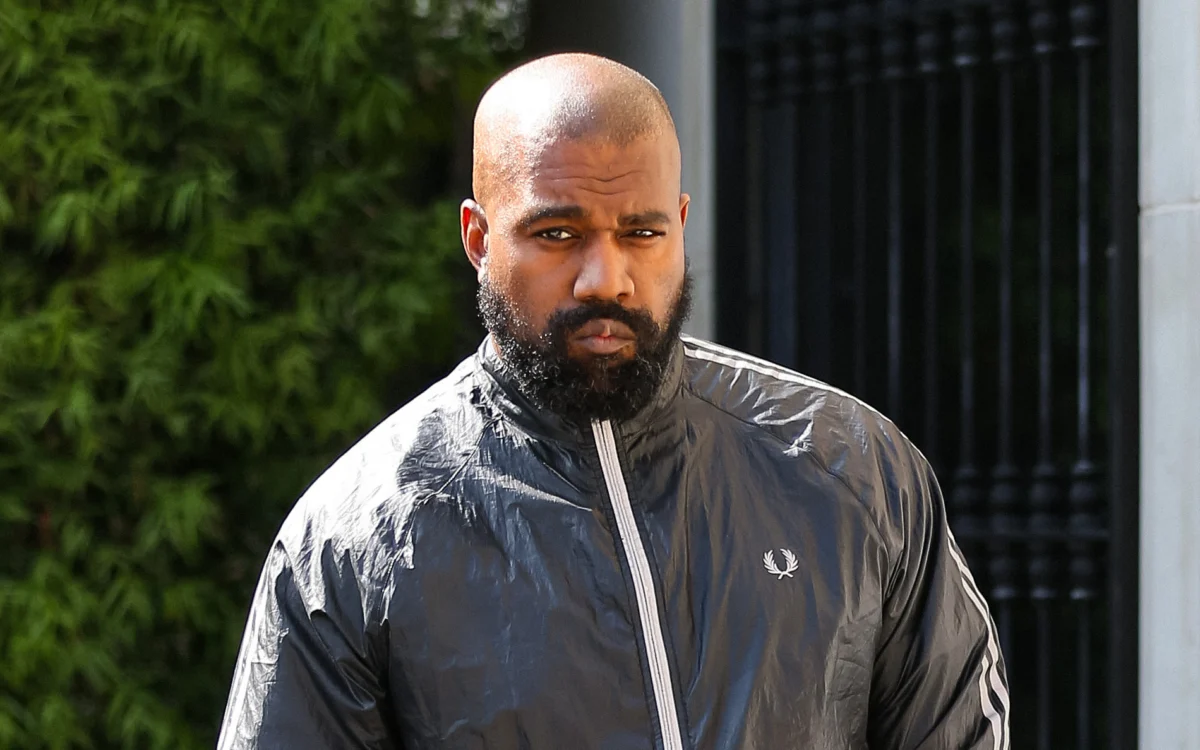
The highly anticipated Wireless Festival has been dramatically canceled, a casualty of the United Kingdom’s Home Office decision to deny entry to its scheduled headliner, Kanye West. The London-based festival, a cornerstone of the UK’s urban music calendar, announced the abrupt cancellation on Tuesday, April 7th, citing the explicit ban on the artist, known to fans as YE, as the sole reason. In a statement released by the festival organizers, it was confirmed that all ticket holders would receive a full and automatic refund, a move aimed at mitigating the significant disruption caused by the unforeseen development.
Escalating Controversy Leads to Unprecedented Ban
The Home Office’s stringent decision follows a period of intense public scrutiny and mounting pressure from a coalition of influential entities, including major corporate sponsors, prominent campaign groups, and even senior political figures. The controversy stemmed from the festival’s decision to book West as its exclusive headliner, a choice that ignited widespread condemnation due to his repeated and egregious antisemitic and pro-Nazi remarks made in recent years. This pattern of inflammatory rhetoric had created an untenable situation for many associated with the event.
The financial repercussions of the controversy were swift and severe. Leading brands such as Pepsi, PayPal, and Diageo, all previously committed sponsors of the Wireless Festival, publicly withdrew their support in recent days. Their decisions underscored the significant reputational risk perceived by corporations in aligning with an artist who had become a lightning rod for criticism. The gravity of the situation was further amplified by comments from Prime Minister Sir Keir Starmer, who publicly described the booking as "deeply concerning," signaling a high-level governmental unease with the festival’s programming choices.
The Official Ruling and Kanye West’s Response
According to reports from the BBC, Kanye West’s attempt to enter the United Kingdom was made on Monday, April 6th, through an Electronic Travel Authorisation (ETA) application. The Home Office’s rejection of this application was based on the assessment that his presence in the country would be "not conducive to the public good." This phraseology typically indicates a determination that an individual’s entry would be detrimental to public safety, public order, or the welfare of the community.
In the wake of the escalating backlash, West himself issued a statement on Tuesday, the same day as the festival’s cancellation announcement. He sought to address the controversy surrounding his planned performances at Wireless Festival, articulating his intention to present a "show of change." West expressed a desire to "bring unity, peace and love through my music," an assertion that stood in stark contrast to the sentiments that had fueled the public outcry.
Furthermore, in an apparent effort to de-escalate the situation and demonstrate a willingness to engage, West extended an offer to meet with "members of the Jewish community in the UK in person, to listen." This overture was met with a measured response from the Board of Deputies of British Jews. The organization acknowledged their willingness to engage in such a meeting, framing it as part of West’s "journey of healing," but stipulated a crucial condition: "only after he agrees not to play the Wireless Festival this year." This conditional acceptance highlighted the deep-seated concerns regarding his planned performance.
A Shifting Landscape: Festival Management’s Initial Defense
Prior to the official ban and the subsequent cancellation of Wireless Festival, the managing director of Festival Republic, the company responsible for organizing the event, had publicly defended the decision to book Kanye West. Melvin Benn, in a statement, acknowledged the abhorrent nature of West’s past remarks concerning Jewish people and Adolf Hitler. However, Benn argued that West’s music was widely accessible and consumed within the UK through commercial radio, streaming services, and downloads, without widespread public condemnation. He maintained that West possessed a legal right to enter the country and perform.
Benn’s defense also touched upon the broader societal context of forgiveness and second chances. He posited that "forgiveness and giving people a second chance are becoming a lost virtue in this ever-increasing divisive world." He urged for reflection on "instant comments of disgust at the likelihood of him performing" and advocated for offering "some forgiveness and hope to him." This perspective suggested a belief that allowing West to perform would offer an opportunity for redemption and a demonstration of the festival’s commitment to inclusivity, albeit a stance that proved unsustainable in the face of official intervention and public pressure.
Chronology of Events Leading to Cancellation
The timeline of events leading to the cancellation of Wireless Festival underscores the rapid escalation of the controversy:
- Recent Past: Kanye West makes a series of public antisemitic and pro-Nazi statements, drawing widespread condemnation and sparking calls for accountability.
- Early April: Wireless Festival announces Kanye West as its sole headliner for the upcoming event, triggering immediate backlash from the public, advocacy groups, and corporate sponsors.
- Days Leading Up to April 7th: Major sponsors, including Pepsi, PayPal, and Diageo, announce their withdrawal of support for the festival in protest of West’s booking. Senior political figures, including Prime Minister Sir Keir Starmer, publicly express their disapproval.
- April 6th (Monday): Kanye West submits an Electronic Travel Authorisation (ETA) application to enter the United Kingdom.
- April 7th (Tuesday Morning): Kanye West issues a statement addressing the controversy, offering to meet with members of the Jewish community and promising a "show of change." The Board of Deputies of British Jews responds with a conditional offer to meet.
- April 7th (Tuesday): The UK Home Office denies Kanye West entry into the United Kingdom, citing that his presence would not be conducive to the public good.
- April 7th (Tuesday): Wireless Festival announces its outright cancellation due to the Home Office’s decision regarding Kanye West. The festival confirms full refunds for all ticket holders.
Broader Implications and Precedents
The banning of Kanye West from the UK and the subsequent cancellation of the Wireless Festival carry significant implications for both the music industry and the broader discourse surrounding freedom of speech, hate speech, and corporate responsibility. The Home Office’s decision to deny entry based on the "public good" criterion sets a notable precedent for how the UK government might handle similar situations involving artists with a history of inflammatory remarks. This action signals a potential hardening of stance against individuals whose public pronouncements are deemed harmful or divisive.
For the music industry, the event highlights the increasing tension between artistic expression and social responsibility. While artists have historically enjoyed a degree of latitude in their public personas and statements, the amplified reach of social media and the heightened awareness of social justice issues have made it more challenging for artists to engage in or express hateful rhetoric without facing tangible consequences. The withdrawal of major sponsors demonstrates the potent influence of corporate conscience and consumer pressure in shaping event programming and artist bookings.
The situation also raises questions about the balance between freedom of expression and the imperative to protect vulnerable communities from hate speech. While the UK, like many democracies, upholds freedom of speech, this right is not absolute and can be subject to limitations when it incites violence, discrimination, or hatred. The Home Office’s ruling suggests that in this instance, West’s pronouncements were considered to have crossed that threshold.
Context of West’s Recent Activities
The incident unfolds against a backdrop of Kanye West’s recent artistic and public endeavors. He was scheduled to headline all three nights of the Wireless Festival, from July 10th to July 12th. This was a significant booking, underscoring his continued prominence in the global music scene.
Notably, West had recently concluded a series of highly publicized performances in the United States. He performed two sold-out shows at Los Angeles’ SoFi Stadium in support of his album Bully. These concerts featured a roster of high-profile guest artists, including Lauryn Hill, Travis Scott, and Don Toliver, indicating his continued ability to draw significant attention and collaborate with major figures in the industry within his home country. The contrast between his reception in the US and the UK ban underscores the specific nature of the controversy and the differing regulatory and societal responses to his rhetoric. The cancellation of Wireless Festival marks a definitive halt to his planned UK engagement, underscoring the far-reaching consequences of his controversial public statements.
