

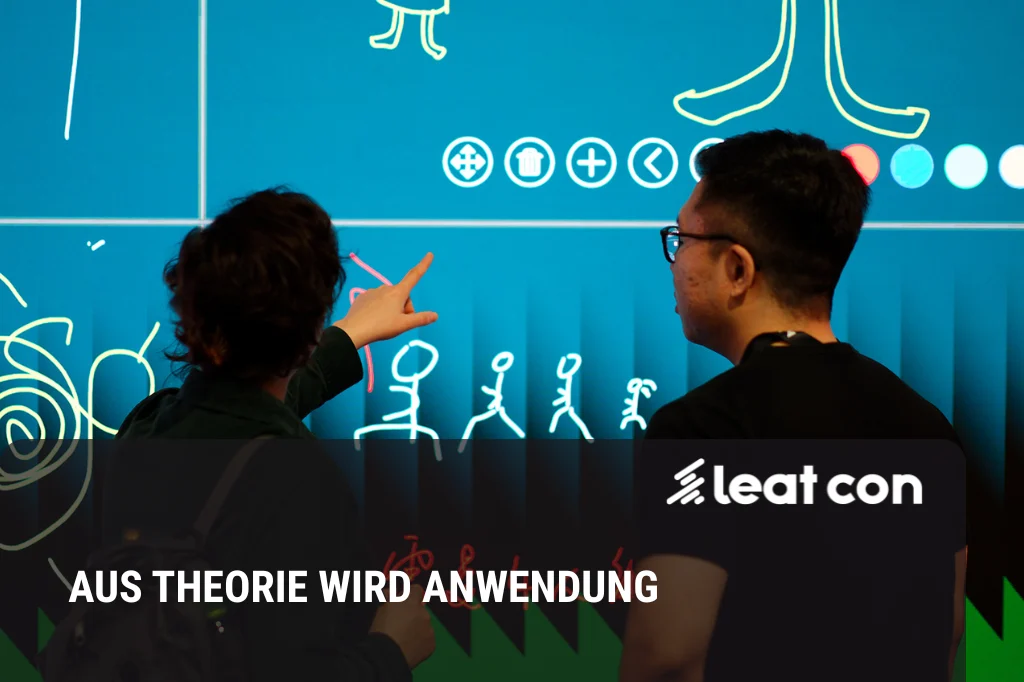
The landscape of modern media technology is undergoing a profound transformation, driven by the increasing convergence of traditional audiovisual (AV) systems with sophisticated Information Technology (IT) infrastructures. As this evolution accelerates, the demand for specialized knowledge regarding the interplay of various components, systems, and technical trades has never been higher. To address this critical need, the upcoming LEAT CON 26, scheduled for August 2026, will feature the "integration lab" as a cornerstone of its "install Hub." This dedicated space is designed to move beyond traditional product showcases, offering a platform for praxis-oriented knowledge transfer, concrete application demonstrations, and direct engagement with the industry’s leading experts.
The integration lab represents a strategic shift in how professional AV trade fairs operate. Rather than focusing solely on the aesthetic or isolated performance metrics of individual pieces of hardware, the lab prioritizes the "workflow"—the sequence of processes and the interoperability of systems that define successful project implementation in the real world. By fostering an environment where manufacturers, system integrators, planners, and end-users can converge, LEAT CON 26 aims to demystify the complexities of modern media installations and provide attendees with actionable insights into the challenges and solutions of the current project landscape.
A Multidisciplinary Approach to Modern Media Installation
At the heart of the integration lab is the recognition that successful media technology projects are rarely the result of a single product. Instead, they arise from the synergistic coordination of diverse technical disciplines. The lab’s programming reflects this reality, covering a broad spectrum of topics including audio networking, room acoustics, and advanced control workflows. By organizing participants into small, focused groups, the integration lab ensures an intimate learning environment where specific use cases can be dissected and analyzed under the guidance of seasoned professionals.
One of the primary focuses of the 2026 sessions is the critical role of room acoustics in the era of hybrid communication. Christiane Bangert, a renowned expert in the field, will lead a session titled "Room Acoustics in Teaching and Seminar Environments." This session is particularly timely, as educational institutions and corporate training centers increasingly rely on high-fidelity audio to facilitate remote and in-person participation simultaneously. Bangert’s demonstration will illustrate how acoustic concepts—such as reverberation time control and speech intelligibility—are not merely secondary considerations but are fundamental requirements for the effective functioning of AV technology. Without a properly treated acoustic environment, even the most expensive microphone arrays and digital signal processors (DSPs) can fail to deliver the required performance.
Advancements in Automated Control and Behavioral Programming
The evolution of control systems is another focal point of the integration lab. Philip Neyses of Stage Precision will present a session entitled "SP Grid: Stop Programming Cues. Start Programming Behavior." This session highlights a significant paradigm shift in the industry: the move from static, cue-based programming to dynamic, behavior-based automation.
In traditional workflows, technicians often spend hundreds of hours programming specific sequences that must be triggered manually or via rigid timers. However, as live events and permanent installations become more complex, the need for systems that can respond intelligently to real-time data becomes paramount. Neyses will demonstrate how modern software frameworks allow for the creation of "intelligent environments" where systems react to triggers, sensor data, and metadata automatically. This approach not only increases the reliability of complex shows but also allows for greater creative flexibility, as the technology adapts to the performers or users rather than the other way around.
The Battle of Standards: Mastering Dante and Milan Audio Networks
In the realm of professional audio, the transition to networked solutions is nearly complete, yet the choice between competing protocols remains a significant challenge for integrators. The integration lab addresses this by providing deep dives into the two most prominent networking standards: Dante and Milan.
Holger Wiesenberg of Audinate will lead the "Dante Training" session, focusing on the practical foundations and applications of the world’s most widely adopted audio-over-IP solution. With over 3,000 products from hundreds of manufacturers currently supporting Dante, mastering this protocol is essential for any professional working in the install or live sectors. Wiesenberg’s session will cover the basics of Layer 3 networking, clocking, and the use of Dante Domain Manager for large-scale, secure installations.
Concurrently, the lab will explore the Milan protocol through a session hosted by d&b audiotechnik titled "Milan Manager from Scratch – Setup & Monitoring." Unlike Dante, which is a proprietary solution, Milan is an open-standard protocol based on Audio Video Bridging (AVB). It is designed to provide deterministic, high-quality audio transport with guaranteed quality of service (QoS). The d&b session will guide participants through the process of building a Milan-based network from the ground up, emphasizing the protocol’s ability to ensure that audio data is never dropped or delayed by competing network traffic. This comparison of Dante and Milan within the same educational framework allows planners and integrators to make more informed decisions based on the specific requirements of their projects.
Contextualizing the Growth of the ProAV Market
The emphasis on integration at LEAT CON 26 is supported by broader industry data indicating a robust growth period for the ProAV sector. According to recent market analysis reports from organizations like AVIXA (the Audiovisual and Integrated Experience Association), the global ProAV market is expected to continue its expansion at a compound annual growth rate (CAGR) of approximately 7% through the late 2020s. A significant portion of this growth is driven by the "Corporate" and "Education" segments, both of which are heavily represented in the integration lab’s curriculum.
Furthermore, the shift toward "AV-as-a-Service" (AVaaS) and the increasing reliance on cloud-based management tools have made the role of the system integrator more complex. No longer just "box-movers," integrators are now required to be experts in network security, software configuration, and user experience (UX) design. The integration lab serves as a vital bridge, helping professionals transition from hardware-centric mindsets to software- and network-defined solutions.
Chronology and Event Logistics
The roadmap for the integration lab and LEAT CON 26 is structured to maximize professional engagement. While the convention itself takes place in August 2026, the preparatory phase begins much earlier.
- August 2026: The official launch of LEAT CON 26 and the opening of the install Hub and integration lab.
- September 2026 (Registration): Following the initial announcements, the formal registration for specific integration lab sessions will open. Given the "small group" format designed to ensure high-quality interaction, these sessions are expected to reach capacity quickly.
- Late 2026 (Post-Event Analysis): The insights gathered during the lab will be synthesized into industry reports and white papers, extending the life of the knowledge shared during the event.
Interested parties are encouraged to secure their LEAT CON tickets in advance. Ticket holders will receive priority notification when the registration portal for the integration lab sessions goes live in September.

Strategic Networking: The AVard Industry Dinner
The integration lab is not merely about technical instruction; it is also about fostering the professional relationships that drive the industry forward. This philosophy culminates in the AVard industry dinner, held on the evening of the final day of the trade fair.
The AVard dinner serves as a prestigious gathering for managing directors, decision-makers, and thought leaders within the ProAV industry. In an atmosphere that balances professional gravitas with personal networking, attendees have the opportunity to discuss the day’s findings and explore potential collaborations. Industry analysts suggest that these high-level interactions are where the "real work" of the trade fair happens—where long-term strategic partnerships are forged and where the future direction of the market is debated.
Broader Implications for the Industry
The introduction of the integration lab at LEAT CON 26 signals a maturing of the German and European media technology markets. As systems become more interconnected, the industry is moving away from a fragmented model where audio, video, and lighting are handled in silos. The lab’s focus on "whole-system" thinking reflects a global trend toward interoperability and standardized communication protocols.
Moreover, by involving manufacturers directly in the teaching process—rather than just the sales process—LEAT CON is helping to close the feedback loop between those who build the technology and those who use it. This dialogue is essential for driving innovation that is grounded in the practical realities of the field. When a manufacturer like d&b audiotechnik or a software developer like Stage Precision engages directly with the challenges faced by an integrator on a job site, the resulting product updates and new features are significantly more effective.
In conclusion, the integration lab at LEAT CON 26 is positioned to be a transformative event for the ProAV community. By prioritizing hands-on experience, expert-led demonstrations, and deep technical dives into networking and acoustics, the lab provides a necessary roadmap for navigating the complexities of modern media technology. As the industry looks toward 2026 and beyond, the ability to integrate diverse systems into a seamless, functional whole will remain the primary benchmark of success. Through its rigorous focus on workflows and real-world applications, LEAT CON 26 ensures that the professionals of today are prepared for the technological demands of tomorrow.
