

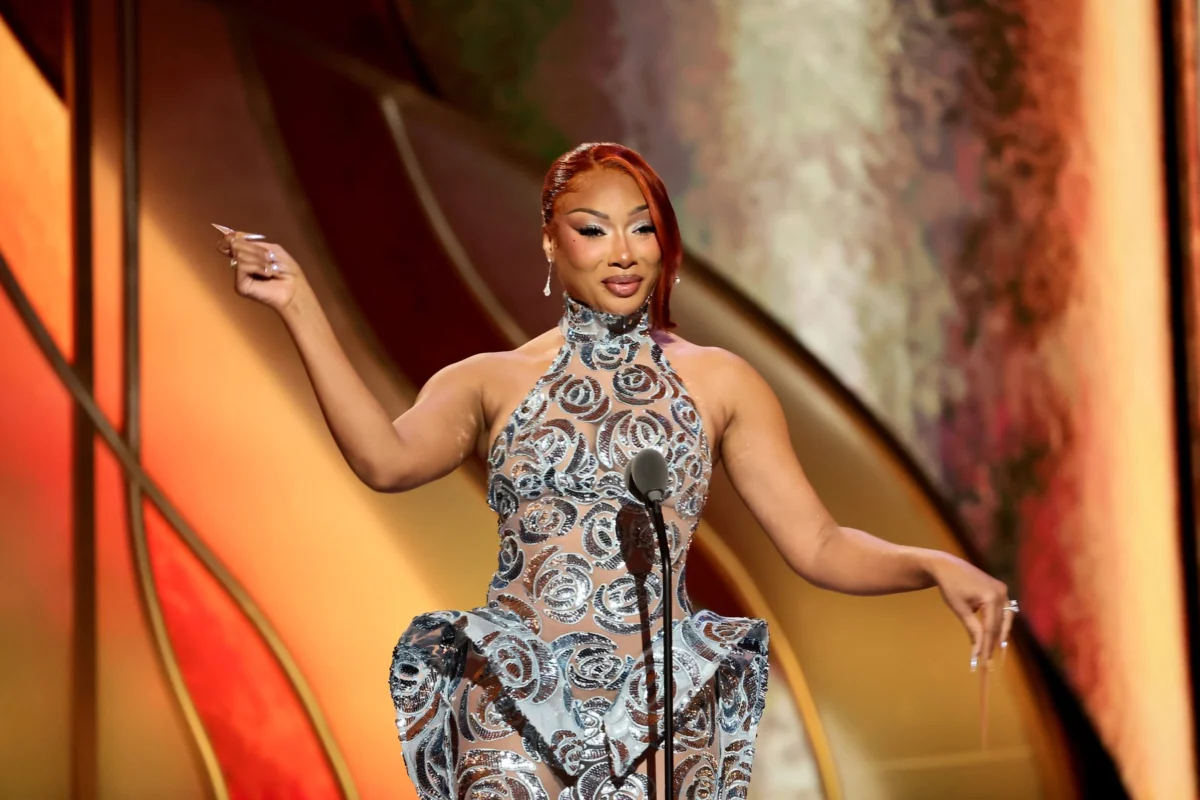
A federal judge has ruled that Grammy-winning artist Megan Thee Stallion and her management company, Roc Nation, must face a jury trial in a significant lawsuit filed by a former videographer, Emilio Garcia. The lawsuit, initially filed in May 2024, contains serious allegations including claims of a hostile work environment, discriminatory practices, and improper wage payments. This decision, handed down by Judge Gregory H. Woods on Friday, August 7, 2026, marks a pivotal moment in the ongoing legal battle, pushing the high-profile case closer to a public courtroom showdown. While certain accusations were dismissed, the judge found sufficient grounds for a jury to deliberate on several key claims, including Garcia’s assertions that he was subjected to a hostile environment, suffered discrimination under New York law, and faced retaliation after complaining about his compensation.
The Genesis of the Lawsuit: Allegations of a Hostile Work Environment
The legal saga began in May 2024 when Emilio Garcia, who previously worked as a videographer for Megan Thee Stallion, filed a comprehensive lawsuit against the rapper and Roc Nation. At the heart of Garcia’s complaint were "salacious accusations" detailing a deeply uncomfortable and allegedly inappropriate work environment. Central to these claims was an incident Garcia described as taking place in 2022 during the rapper’s European tour, specifically while in Spain. Garcia alleged he was "forced to watch the rapper have sex in a car," an experience he claimed left him "embarrassed, mortified and offended." This incident forms the basis of his hostile work environment claim, suggesting a workplace culture that was sexually charged and professionally inappropriate for an employee.
Beyond the specific incident, Garcia’s lawsuit further contended that following his complaints about the alleged car-sex event, he experienced a pattern of professional retaliation. He claimed that his work assignments were significantly reduced, ultimately culminating in his termination. These actions, Garcia argued, were direct consequences of his efforts to address the hostile work conditions and other grievances, painting a picture of an employer unwilling to address his concerns and instead punishing him for speaking out. The combination of the alleged inappropriate behavior and subsequent professional repercussions created the framework for the broad range of claims brought forth in his suit, seeking both compensatory and punitive damages for the emotional distress and career impact he purportedly endured.
Megan Thee Stallion and Roc Nation’s Vigorous Defense
In response to Emilio Garcia’s allegations, legal representatives for Megan Thee Stallion and Roc Nation have vehemently denied any wrongdoing, characterizing the lawsuit as baseless and opportunistic. The defense team, led by attorney Alex Spiro, has consistently maintained that Garcia’s accusations are "false and fabricated," designed to generate undue media attention rather than address legitimate grievances. Spiro contended that Garcia had merely "taken run of the mill complaints about his wages" and deliberately embellished them with "sensationalist false allegations of sex, debauchery, and workplace harassment for the sole purpose of creating a media firestorm."
Alex Spiro did not mince words in his characterization of Garcia, publicly stating, "Plaintiff is a con artist who is manipulating the judicial system to act as his publicist and bullhorn in a desperate attempt to boost his failed singing career while trying to tear down the successful career of Megan Thee Stallion." This strong counter-narrative suggests that the defense views the lawsuit not as a genuine claim of workplace misconduct but as a calculated tactic by Garcia to leverage the rapper’s fame for his personal benefit and to advance his own aspirations in the entertainment industry. The defense’s strategy hinges on discrediting Garcia’s credibility and motivations, portraying him as an individual fabricating sensational claims to exploit the judicial system and the media spotlight surrounding a high-profile artist.
The Judge’s Deliberation and Partial Dismissal
After more than two years of complex litigation, Judge Gregory H. Woods issued a nuanced ruling on Friday, August 7, 2026, signaling that while some of Garcia’s claims would be dismissed, others possessed sufficient merit to proceed to a jury trial. This decision highlights the intricate legal standards involved in evaluating such cases, where the court must determine whether a plaintiff has presented enough evidence to reasonably suggest that a jury could rule in their favor. Judge Woods’ order represents a careful balance, acknowledging the defense’s arguments for dismissal while affirming the potential validity of other claims.
Specifically, the judge granted the defense’s motion to dismiss certain aspects of Garcia’s lawsuit. Notably, claims alleging retaliation directly tied to Garcia’s complaints about the alleged car-sex incident were dismissed. This particular dismissal suggests that the court found insufficient evidence, at this stage, to directly link any adverse employment actions solely to his expressing discomfort about that specific event. However, the ruling was far from a complete victory for Megan Thee Stallion and Roc Nation. Judge Woods determined that Garcia had presented enough evidence for a jury to potentially side with him on several critical fronts. These include his claims of failure to pay proper wages, discrimination under New York law, and retaliation that was specifically tied to his complaints about his pay. This distinction is crucial: while the alleged "car-sex incident" may have informed the hostile work environment claim, the retaliation linked to it was dismissed, whereas retaliation stemming from wage disputes was allowed to proceed. The judge’s decision underscores the seriousness of these remaining claims, indicating that Garcia’s allegations regarding workplace conditions and compensation practices are considered substantial enough to warrant a full judicial examination by a jury.
Key Claims Advancing to Jury Trial
The judge’s ruling on August 7, 2026, ensures that several significant accusations will be put before a jury, marking a critical juncture for both parties. These claims touch upon fundamental aspects of employment law and carry substantial implications for workplace conduct in the entertainment industry.

1. Failure to Pay Proper Wages: This claim centers on Garcia’s assertion that Megan Thee Stallion and Roc Nation did not adhere to legal requirements regarding his compensation. Such disputes often involve allegations of unpaid overtime, misclassification of employment status (e.g., as an independent contractor when they should be an employee), or failure to meet minimum wage standards. In the state of New York, stringent labor laws protect employees’ rights to fair wages, and any deviation can lead to significant financial penalties, including back pay, liquidated damages, and attorney’s fees. Garcia’s ability to present evidence, such as timesheets, pay stubs, and employment contracts, will be crucial in proving this aspect of his case. The defense, conversely, will likely present records demonstrating compliance with all applicable wage laws.
2. Discrimination Under New York Law: This is a broad claim that could encompass various forms of unlawful treatment based on protected characteristics. While the original article does not specify the protected class under which Garcia is claiming discrimination (e.g., gender, race, national origin, sexual orientation), his hostile work environment claim related to the alleged car-sex incident could potentially inform a gender-based discrimination claim if he argues the environment was created due to his gender or perceived gender. New York State and City Human Rights Laws are robust, prohibiting discrimination in employment based on a wide array of characteristics. To succeed, Garcia would need to demonstrate that he was treated differently or subjected to an adverse employment action because of his membership in a protected class. The defense would counter by showing legitimate, non-discriminatory reasons for any employment decisions made.
3. Retaliation Tied to Wage Dispute Complaints: While the judge dismissed retaliation claims linked to the alleged car-sex incident, he allowed claims of retaliation related to Garcia’s complaints about his pay to proceed. This distinction is vital. It implies that the court found plausible evidence that Garcia faced adverse employment actions (such as reduced work or termination) after he raised concerns or filed grievances about his wages. Anti-retaliation provisions in labor laws are designed to protect employees who report perceived violations of wage and hour laws, ensuring they can do so without fear of professional reprisal. Proving retaliation typically requires demonstrating a protected activity (complaining about wages), an adverse employment action (termination), and a causal connection between the two. The timing of events and any documented communications regarding Garcia’s pay complaints will be critical pieces of evidence for the jury to consider.
These three remaining claims underscore the serious legal challenges facing Megan Thee Stallion and Roc Nation, highlighting the importance of clear workplace policies, equitable compensation practices, and a non-retaliatory environment for all employees.
The Mechanism of a Jury Trial in Civil Litigation
The judge’s decision to send the case to a jury trial signifies a significant escalation in the legal proceedings. In the United States, a civil jury trial provides a forum where a group of ordinary citizens, selected from the community, hears evidence and arguments from both sides of a dispute before rendering a verdict. This process is distinct from a criminal trial, as the objective is typically to resolve disputes between private parties and determine liability, often resulting in monetary damages rather than incarceration.
The process typically begins with jury selection, where potential jurors are questioned by attorneys (a process known as voir dire) to ensure impartiality. Once a jury is empaneled, opening statements are delivered, outlining each side’s case. Following this, both parties present their evidence through witness testimonies, documents, and other exhibits, subject to strict rules of evidence. Attorneys for each side have the opportunity to cross-examine witnesses presented by the opposing party. After all evidence has been presented, closing arguments are made, summarizing the key points and urging the jury to find in their favor. Finally, the judge instructs the jury on the applicable laws, and the jury retires to deliberate in private. Their unanimous or majority verdict, depending on jurisdiction, determines the outcome of the case, including findings of liability and the amount of any damages awarded.
For high-profile individuals like Megan Thee Stallion, a jury trial brings an added layer of public scrutiny. Unlike settlements, which are often confidential, trial proceedings are generally open to the public and media, potentially exposing intimate details and creating significant reputational risks regardless of the ultimate verdict. The emotional and financial toll of a lengthy trial can also be considerable for all parties involved, emphasizing why many civil disputes are resolved through settlement negotiations before reaching this stage.
Broader Implications for the Entertainment Industry
This lawsuit, particularly given the judge’s decision to allow it to proceed to trial, carries significant implications beyond the immediate parties involved, resonating throughout the entertainment industry. The sector is characterized by unique employment structures, demanding work environments, and a blurring of professional and personal boundaries, especially for touring artists and their entourages.
Firstly, the case highlights the ongoing scrutiny of workplace conduct and power dynamics within entertainment. For years, industries like music, film, and television have faced calls for greater accountability regarding harassment, discrimination, and exploitative labor practices. This lawsuit underscores that even seemingly informal work settings, such as those on tour, are subject to the same legal standards and protections as traditional corporate environments. It serves as a stark reminder to artists, management companies, and production teams that maintaining professional boundaries and adhering to strict anti-harassment and anti-discrimination policies is paramount. The "hostile work environment" claim, even if parts of it were dismissed for specific retaliation claims, still brings attention to the need for clear guidelines and training for all personnel, from top-tier talent to support staff.

Secondly, the emphasis on wage and retaliation claims linked to pay disputes points to potential vulnerabilities in how artists and their management structure employment. The entertainment industry frequently relies on independent contractors, varying compensation models, and demanding schedules that can complicate adherence to labor laws. This case could prompt a broader re-evaluation of employment classifications, wage transparency, and the implementation of robust internal mechanisms for addressing employee grievances without fear of reprisal. Management companies like Roc Nation, which represent numerous artists, will likely face increased pressure to ensure their practices are unimpeachable and that all employees, regardless of their role or proximity to talent, are afforded their full legal rights.
Finally, the public nature of a jury trial involving a global superstar like Megan Thee Stallion can set precedents and influence future legal strategies. A high-profile verdict, whether for the plaintiff or defense, could embolden other employees in the industry to come forward with their own complaints or, conversely, solidify existing defense strategies. The ongoing spotlight on this case reinforces the industry’s need to foster transparent, equitable, and respectful workplaces, recognizing that legal accountability extends to every facet of its operations.
Megan Thee Stallion’s History with Legal Battles
Megan Thee Stallion is no stranger to high-profile legal proceedings, which have, at times, significantly impacted her career trajectory and public narrative. While the current lawsuit filed by Emilio Garcia is distinct in its nature and allegations, her past experiences in court provide a broader context of an artist navigating intense legal scrutiny. Most notably, Megan Thee Stallion was a central figure and the victim in the highly publicized trial against rapper Tory Lanez. That case, which culminated in Lanez’s conviction for shooting Megan Thee Stallion in the foot, drew widespread media attention and sparked important conversations about violence against women, particularly Black women, in the entertainment industry.
Her involvement in the Tory Lanez trial, though entirely different in its specifics from Garcia’s civil suit, demonstrates her resilience in facing complex legal challenges and her willingness to pursue justice through the courts. It also highlights the unique pressures and public scrutiny that accompany being a prominent figure in such legal battles. These experiences underscore that while an artist’s career is built on creative output, it is often intertwined with legal realities that can demand significant time, emotional energy, and public attention. The current lawsuit, though civil and unrelated to the prior criminal case, adds another layer to her history of legal engagements, further solidifying her public image as an artist who has repeatedly found herself embroiled in the judicial system. For Roc Nation, as her management, this pattern of legal challenges also underscores the comprehensive nature of artist management, which extends far beyond career development to include robust legal and reputational risk management.
Statements and The Road Ahead
Following Judge Woods’ ruling, reactions from the involved parties provided a glimpse into their current stances and future intentions. Ron Zambrano, Emilio Garcia’s attorney, expressed satisfaction with the judge’s decision, stating that his client was "looking forward to having his day in court." This sentiment underscores Garcia’s determination to pursue justice through a jury trial, confident that the evidence presented will sway the jury in his favor regarding the remaining claims of unpaid wages, discrimination, and retaliation related to pay disputes. The statement indicates a readiness to engage in the potentially lengthy and arduous process of a full trial.
As of the latest reports, representatives for Megan Thee Stallion and Roc Nation did not immediately return requests for comment. This silence is common in ongoing litigation, as legal teams often advise their clients to refrain from public statements that could be used against them in court. However, their previous strong denials and characterization of Garcia as a "con artist" suggest that they will continue to vigorously defend against the remaining claims. Their strategy will likely focus on discrediting Garcia’s allegations, presenting evidence of proper wage payments, demonstrating non-discriminatory employment practices, and providing legitimate, non-retaliatory reasons for any employment decisions made concerning Garcia.
The timeline for the jury trial is yet to be announced, but such proceedings often involve extensive pre-trial preparation, including discovery, motions, and witness scheduling. Given the high-profile nature of the defendants, the trial is expected to attract significant media attention. The outcome will not only determine the financial liability, if any, of Megan Thee Stallion and Roc Nation but could also have lasting implications for their public image and serve as a case study for workplace conduct and legal accountability within the dynamic and often scrutinized entertainment industry. The legal battle is far from over, and both sides are now preparing for what promises to be a compelling and closely watched trial.
