

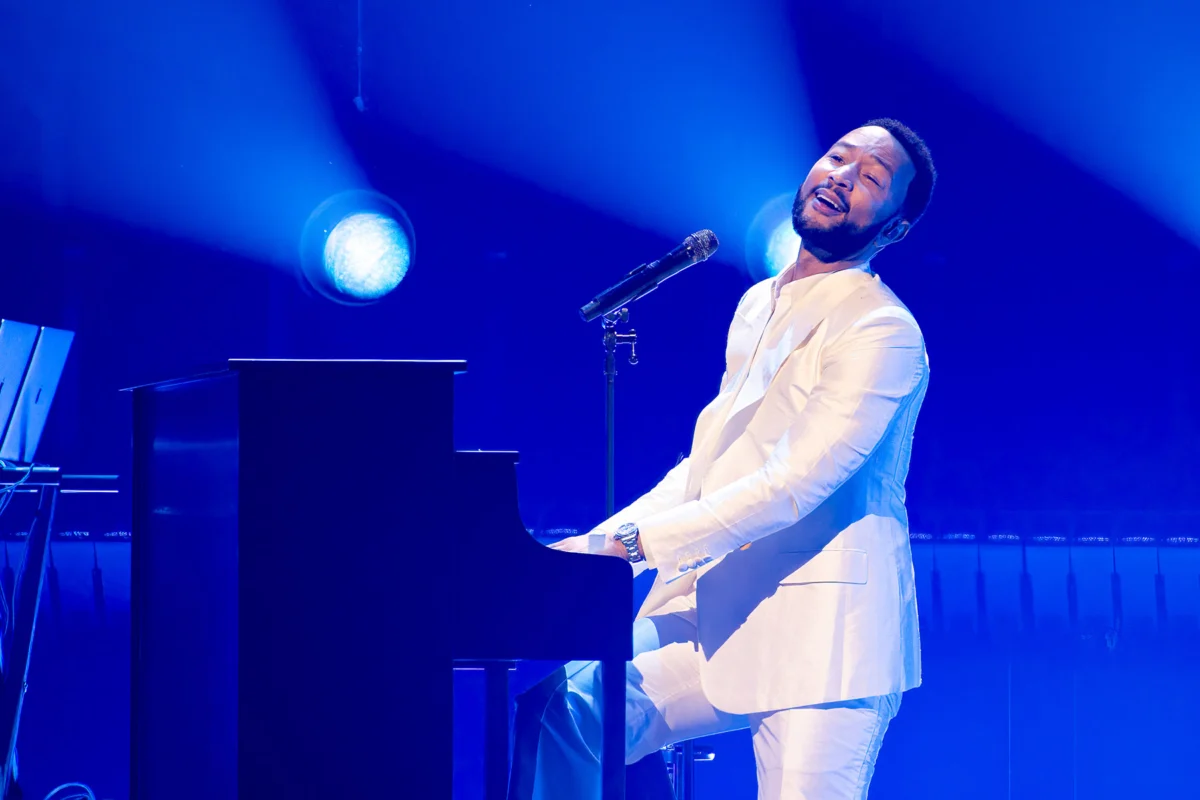
The eagerly anticipated inaugural LA Jazz Festival, a sprawling 17-day cultural extravaganza set to commence on Friday, August 7, has been abruptly postponed to 2027, organizers announced in a last-minute decision that sent ripples of disappointment through the music industry and among an estimated quarter-million prospective attendees. The ambitious festival, which aimed to transform Los Angeles into a global hub for jazz and related musical forms, was slated to feature a star-studded lineup including John Legend, Janelle Monáe, and Parliament Funkadelic featuring George Clinton, performing across multiple iconic venues and public spaces throughout the city.
Sudden Setback and Organizer’s Statement
The decision to defer the festival, originally envisioned as a monumental undertaking drawing artists from over 13 countries, was attributed to "significant, unanticipated last-minute public safety and municipal costs associated with the final permitting of the On The Beach Festival," according to a statement released by organizer Martin Ludlow. The "On The Beach Festival" component, particularly the closing weekend at L.A.’s Dockweiler Beach on August 22-23, was a cornerstone of the festival’s diverse programming and appears to have been the primary point of contention regarding escalated costs. Ludlow expressed profound regret over the development, emphasizing the organizers’ commitment to delivering a "first-class experience worthy of the great legacy of Jazz and our great city." He further stated, "Although this decision was an extremely difficult one to reach, our commitment to the audiences and artists participating in the festival is to have a first-class experience… We were encouraged by the enthusiastic support of the artists on the bill, the fans and our sponsors for this inaugural event, and we look forward to presenting all of the components of this incredible cultural opportunity for Los Angeles and the world in 2027 and beyond." All current ticket holders are assured full refunds within 30 days.
The Vision: A Citywide Celebration of Jazz
The LA Jazz Festival was conceived as more than just a series of concerts; it was designed to be a comprehensive, citywide celebration of jazz and its profound influence on global music culture. The 17-day itinerary boasted a multifaceted approach to engaging the public, ranging from large-scale ticketed performances to free community events. Key programming elements included a vibrant Caribbean street carnival, a series of 25 free "Jazz in the Park" concerts held in urban green spaces, "Jazz After Dark" pop-up performances in local clubs and restaurants, and the "State of Jazz Conference," intended to foster dialogue and collaboration within the jazz community. The sheer scope of the festival, spanning numerous genres and venues, underscored its ambitious goal: to establish Los Angeles as a premier destination for jazz enthusiasts worldwide and to cultivate a new generation of listeners. The inclusion of educational components and youth bands, such as the L.A. Jazz Festival Foundation Youth Band, highlighted a long-term commitment to nurturing the art form.
Star-Studded Lineup and Anticipated Performances
The festival’s initial lineup promised an unforgettable experience for attendees. The closing "Jazz on the Beach" weekend alone was set to feature a powerful roster of talent, including Grammy-winning artists John Legend, who had recently performed at The O2 Arena in London in June 2025, and multi-talented artist Janelle Monáe. They were to be joined by the legendary Parliament Funkadelic led by George Clinton, soul maestro Raphael Saadiq, and R&B icon Charlie Wilson. Complementing these headliners were contemporary acts like Free Nationals & Friends, bounce music queen Big Freedia, reggae sensation Original Koffee, prodigious jazz pianist Joey Alexander, and the acclaimed British collective Ezra Collective. Beyond the main stages, opening-night festivities were to showcase the vocal artistry of Lalah Hathaway and the innovative Chief Adjuah (Christian Scott aTunde Adjuah). Special collaborations, such as Michelle Coltrane’s celebration of the Coltrane Centennial, further exemplified the festival’s dedication to honoring jazz legends while embracing its evolving forms. The diverse array of artists reflected the festival’s aspiration to appeal to a broad audience, from traditional jazz aficionados to fans of contemporary R&B, funk, and world music.
The Intricacies of Large-Scale Event Permitting

The stated reason for the postponement – "significant, unanticipated last-minute public safety and municipal costs" – points to the inherent complexities of organizing events of this magnitude within a major metropolitan area like Los Angeles. Large-scale festivals, particularly those spanning multiple days and venues, require extensive coordination across numerous city departments, including police, fire, public works, sanitation, transportation, and parks and recreation. Each department imposes specific requirements and associated fees to ensure public safety, manage logistics, and mitigate environmental impact. For an event like "Jazz on the Beach" at Dockweiler Beach, additional challenges arise concerning crowd control on sand, environmental protection of coastal areas, specialized waste management, and emergency access for medical services, all of which can significantly inflate operational costs. Industry experts suggest that permit acquisition for such a diverse and sprawling event typically involves months, if not years, of negotiation and detailed planning. A "last-minute" escalation in costs often indicates either new demands from regulatory bodies, a miscalculation in initial budgeting, or unforeseen logistical hurdles that only became apparent in the final stages of approval. The financial burden for these "unanticipated" expenses, which can include additional security personnel, traffic management plans, enhanced medical facilities, and robust sanitation infrastructure, can quickly become prohibitive, forcing organizers to make difficult choices.
Economic Ripple Effects and Broader Implications
The sudden postponement carries substantial economic consequences for various stakeholders, extending far beyond the festival organizers. For the LA Jazz Festival Foundation, the immediate financial impact includes substantial sunk costs from marketing campaigns, artist deposits, venue bookings, and staff salaries. While some contracts may have force majeure clauses, significant portions of these expenditures are often non-recoverable. Artists and their management teams face lost performance fees, travel cancellations, and the disruption of carefully planned tour schedules. Sponsors like Airbnb, the inaugural title sponsor, and StubHub, the official ticket marketplace, while likely having clauses to protect their investments, will also experience a loss of brand visibility and the opportunity to engage with a quarter-million potential customers.
More broadly, the local economy of Los Angeles will miss out on a significant influx of tourism revenue. Hotels, restaurants, bars, transportation services, and various small businesses that rely on event-driven tourism were poised to benefit from the projected 250,000 attendees. The estimated economic boost from such a large-scale, multi-day festival could have run into tens of millions of dollars, generating tax revenue for the city and employment opportunities for hundreds of temporary staff. The cultural landscape also suffers a blow, as a major platform for jazz artists and a unique community engagement opportunity is lost for the year. This postponement could also have an indirect impact on Los Angeles’s reputation as a reliable host for large-scale international events, potentially making future endeavors more challenging to secure.
Reactions from Stakeholders (Inferred)
While official statements from all involved parties were not immediately available beyond Martin Ludlow’s, the implications suggest a range of reactions:
- City Officials: Public statements from the City of Los Angeles would likely acknowledge the regret over the postponement while reiterating the city’s paramount commitment to public safety. Officials might emphasize the rigorous standards required for large public gatherings and express a willingness to work closely with festival organizers to ensure a successful event in 2027, highlighting the complexity of securing permits for multi-venue, multi-day festivals of this scale.
- Sponsors (Airbnb, StubHub): These partners would likely issue statements expressing their understanding and continued support for the festival’s vision. Their primary focus would be on ensuring customer satisfaction, particularly regarding ticket refunds, and reaffirming their commitment to the rescheduled 2027 event. The postponement represents a missed marketing opportunity, but strategic partners often view such setbacks as temporary, especially with a clear path forward.
- Artists and Representatives: While individual artists might express personal disappointment on social media, official statements from their representatives would likely echo Ludlow’s sentiment of regret while acknowledging the challenging circumstances. Many artists, like John Legend, maintain busy touring schedules, and the cancellation would necessitate re-routing or re-booking, causing logistical headaches. However, a commitment to perform in 2027 would likely be contingent on contractual renegotiations and availability.
- Local Businesses and Tourism Boards: Local business associations and the Los Angeles Tourism & Convention Board would undoubtedly express disappointment over the lost economic opportunity. They might call for streamlined permitting processes for future large events to avoid similar last-minute disruptions, while still publicly supporting the city’s commitment to hosting major cultural attractions.
- Prospective Attendees: The primary reaction from the public would be disappointment and frustration, particularly for those who had already made travel and accommodation arrangements. While refunds are promised, the inconvenience and disruption to plans, especially for those traveling internationally, are significant. Social media channels would likely see a mix of understanding and criticism regarding the timing of the announcement and the perceived planning issues.
Looking Ahead: The Path to 2027
The postponement of the LA Jazz Festival to 2027 presents both challenges and opportunities for its organizers. The two-year hiatus offers a critical window for a thorough reassessment of the festival’s logistical and financial planning. Key areas for review will likely include:
- Permitting Process: Engaging with city agencies much earlier in the planning cycle, perhaps establishing a dedicated task force, to iron out all public safety and municipal requirements well in advance. This could involve revised cost estimations and contingency budgeting to absorb unexpected expenses.
- Financial Safeguards: Exploring stronger financial reserves or alternative funding models to insulate the festival from unforeseen cost escalations. This might include re-evaluating sponsorship packages or seeking additional philanthropic support.
- Communication Strategy: Implementing a more robust and transparent communication plan with city officials, sponsors, artists, and the public to manage expectations and provide timely updates, potentially avoiding another "last-minute" announcement.
- Venue Logistics: Re-evaluating the feasibility and cost-effectiveness of specific high-demand venues, such as Dockweiler Beach, or exploring alternative locations that might offer more predictable permitting and operational costs.
- Rebuilding Trust: The organizers will need to proactively engage with the jazz community, local businesses, and the public to rebuild confidence and enthusiasm for the 2027 event. This could involve early bird ticket incentives, special preview events, or enhanced community outreach.
Despite the setback, the underlying vision of a grand, inclusive LA Jazz Festival remains compelling. Los Angeles, with its rich musical heritage, diverse population, and status as a global entertainment capital, offers an ideal backdrop for such an event. The enthusiastic support from artists, fans, and sponsors, as noted by Martin Ludlow, indicates a strong demand and a belief in the festival’s potential. The two-year pause, while regrettable, could ultimately allow for a more meticulously planned, financially stable, and ultimately successful return in 2027, ensuring that the inaugural LA Jazz Festival lives up to its ambitious promise and truly honors the "great legacy of Jazz."
