

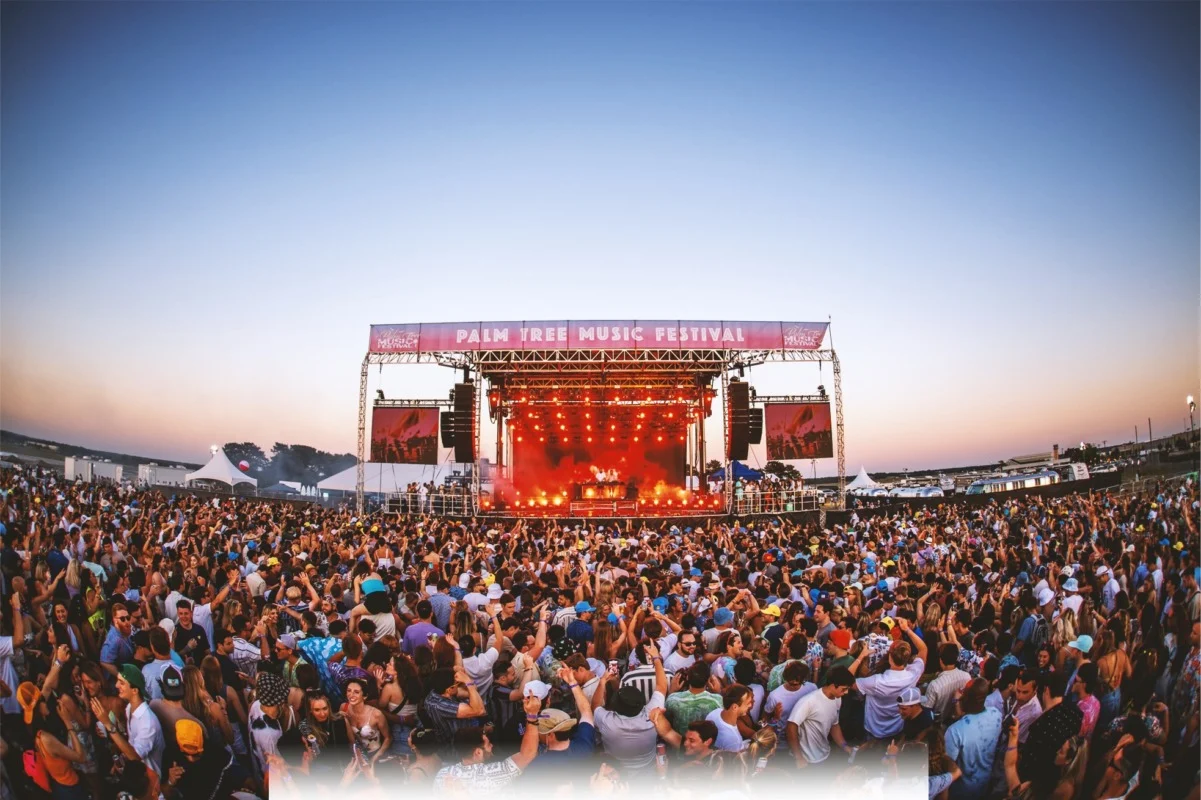
The live events industry, a vibrant ecosystem of music, culture, and shared experiences, has navigated a period of unprecedented volatility in recent years. The confluence of escalating production expenditures, the disruptive impact of event cancellations, and evolving consumer spending patterns has presented significant headwinds for ticket sales. Even deeply entrenched festivals have felt the strain, prompting a search for innovative solutions beyond the traditional advertising playbook. Amidst this challenging landscape, Surge, an ambassador-driven marketing platform, is demonstrating a potent alternative, proving that the most effective sales force can be cultivated from the very heart of a festival’s audience: its dedicated fans.
Founded by 28-year-old Alex Hilburn, Surge is built upon a foundational principle: that empowered fans are inherently more effective at driving ticket sales than conventional advertising methods. Rather than heavily investing in broad paid media campaigns or relying on resource-intensive street teams, Surge harnesses the collective power of a nationwide network exceeding 10,000 ambassadors. These individuals are not merely hired promoters; they are genuine fans, deeply integrated within the specific cities, subcultures, and musical genres they represent. Surge equips these passionate individuals with the necessary tools and support to effectively market and sell tickets to the events they already deeply cherish.
The tangible results of this fan-centric approach are becoming increasingly difficult to overlook. What began as an informal initiative among friends has rapidly evolved into a formidable force in event marketing. In its inaugural year, Surge generated an impressive $6 million in ticket sales, facilitating the movement of over 35,000 tickets. This translated to an average weekly sales volume of approximately $115,000, a testament to the efficacy of its model. This demonstrated success has garnered the trust of some of the most prominent entities in the live events sector. Surge’s client roster reads like a who’s who of major festivals and events, including Ultra Europe, Kygo’s Palm Tree Music Festival, Hotel EDC, Shaq’s Bass All Stars, Yacht Week, Windy City Smokeout, Dave Portnoy’s One Bite Pizza Festival, and Bert Kreischer’s Full Throttle Festival. Looking ahead, the company has already secured over $6 million in ticket sales for 2026 and is projecting to surpass $10 million in total sales by the close of the current year, indicating a sustained and accelerating trajectory of growth.
The impact of Surge’s involvement extends beyond mere financial metrics for its festival partners. For individual events, ambassadors frequently contribute between 25% and 30% of the total ticket sales, a significant portion that fundamentally alters the sales dynamic. Consequently, clients are increasingly viewing the Surge platform not as a supplementary marketing tactic, but as a core channel for sustained growth and audience acquisition. In an economic climate where consumers are meticulously evaluating their discretionary spending, this community-driven approach to growth offers these events a crucial element: a bedrock of stability and predictable revenue.
Alex Hilburn, the architect behind Surge, has dedicated his career to developing and refining these community-based sales systems. His prior experience has been instrumental in generating over $20 million in festival ticket sales, underscoring his deep understanding of the market and his commitment to an effective, fan-first methodology. For Hilburn, the success of Surge hinges on maintaining simplicity and authenticity within the ambassador program.
The Power of Authenticity: A Fan-First Philosophy
"A common pitfall for brands when implementing these types of programs is over-engineering the system or reducing it to a mere data collection exercise," Hilburn explains. "Our focus is on individuals who possess a genuine passion for the event. We provide them with straightforward, user-friendly tools to effectively engage and mobilize their existing communities. When this authentic connection is fostered, sales naturally follow."
This emphasis on organic engagement is a critical differentiator. In an industry where fan data has become an increasingly commoditized and harvested asset, Surge distinguishes itself by adopting a data-free model. The platform explicitly avoids collecting or monetizing attendee information, thereby preserving the integrity of the relationship between the ambassador, the fan, and the event itself. This commitment to privacy stands in stark contrast to many contemporary marketing platforms that rely heavily on data acquisition and analysis.
Empowering the Next Generation of Promoters
Beyond its impact on festivals, Surge is also creating tangible income streams for its ambassadors. A significant portion of this network comprises Gen Z individuals, many of whom are students engaged through a college network that spans over 400 universities. These young fans are compensated for sharing their enthusiasm for events they would likely be discussing and promoting organically within their social circles. This symbiotic relationship benefits all parties: festivals gain a dedicated, motivated, and highly effective sales force that traditional advertising campaigns struggle to replicate, while ambassadors gain a direct financial incentive for their passion and influence.

A Paradigm Shift in Event Marketing
With total ambassador-led sales now exceeding $10 million, Surge’s rapid ascent into its second year of operation signals a broader and potentially transformative shift in how the live events industry approaches growth and audience engagement. The traditional metrics of clicks and impressions are increasingly being supplanted by the enduring power of trust, genuine community connection, and authentic word-of-mouth recommendations. Surge, by placing fans at the epicenter of its marketing strategy, is not merely participating in this movement; it is actively leading it, redefining the landscape of festival ticket sales and fostering a more sustainable and fan-centric future for the industry.
The festival industry’s resilience in the face of recent economic and logistical challenges is a testament to its enduring appeal. However, the sustainability of this appeal is intrinsically linked to its ability to connect with audiences on a deeper level. Surge’s model addresses this fundamental need by leveraging pre-existing relationships and genuine enthusiasm, transforming passive attendees into active stakeholders and evangelists. This approach not only drives sales but also cultivates a stronger sense of community around events, fostering loyalty that can withstand market fluctuations.
Background Context: The Evolving Festival Landscape
The festival circuit has undergone a dramatic metamorphosis over the past two decades. What began as niche gatherings for specific music genres has blossomed into a global phenomenon, attracting hundreds of thousands of attendees and generating billions in economic activity. However, this growth has not been without its challenges. The increasing complexity of production, including elaborate stage designs, sophisticated sound and lighting systems, and extensive logistical requirements, has led to a significant rise in operational costs. This, coupled with the heightened expectations of festival-goers for premium experiences, has put immense pressure on profit margins.
Furthermore, the rise of digital media and the accessibility of music through streaming platforms have altered consumer behavior. While this has democratized access to music, it has also created a more fragmented audience, making it harder for individual events to capture widespread attention. The pandemic further exacerbated these issues, leading to widespread cancellations and a period of profound uncertainty that impacted both organizers and consumers. In this environment, traditional marketing strategies that relied on broad reach and impersonal messaging have become less effective, necessitating a more targeted and authentic approach.
Surge’s Strategic Timeline and Growth Trajectory
Surge’s journey, though relatively short, demonstrates a clear strategic progression. The initial phase likely involved rigorous testing and refinement of the ambassador recruitment and management process. Identifying passionate fans and providing them with effective, easy-to-use tools would have been paramount. The rapid scaling to over 10,000 ambassadors across hundreds of universities suggests a highly efficient operational model and a compelling value proposition for both the ambassadors and the festival clients.
The $6 million in first-year sales and the projected $10 million for the current year indicate a robust product-market fit and a growing demand for their services. The expansion of their client list to include major industry players like Ultra Europe and Kygo’s Palm Tree Music Festival signifies a significant endorsement of their capabilities and a testament to their ability to deliver measurable results for high-profile events. This consistent growth trajectory, outpacing many traditional marketing efforts, suggests that Surge’s ambassador-driven model is not a fleeting trend but a sustainable and scalable solution for the modern festival industry.
Implications for the Future of Event Marketing
The success of Surge has far-reaching implications for the broader event marketing landscape. It signals a potential paradigm shift away from the data-intensive, algorithm-driven approaches that have dominated digital marketing. Instead, it highlights the enduring power of human connection, trust, and genuine advocacy. For event organizers, this means re-evaluating their marketing investments and exploring strategies that foster deeper engagement with their core audience. The ability to cultivate a network of passionate fans who act as brand ambassadors can lead to more organic growth, higher conversion rates, and a more resilient brand presence.
Moreover, Surge’s model offers a blueprint for creating equitable and accessible earning opportunities, particularly for younger demographics. By empowering individuals to monetize their passions and social influence, it democratizes the marketing process and creates a more inclusive ecosystem. As the live events industry continues to evolve, embracing innovative and community-focused strategies like those pioneered by Surge will be crucial for sustained success and fostering a more vibrant and connected fan base. The future of festival marketing appears to be one where authenticity and advocacy, amplified by technology, will reign supreme.
