

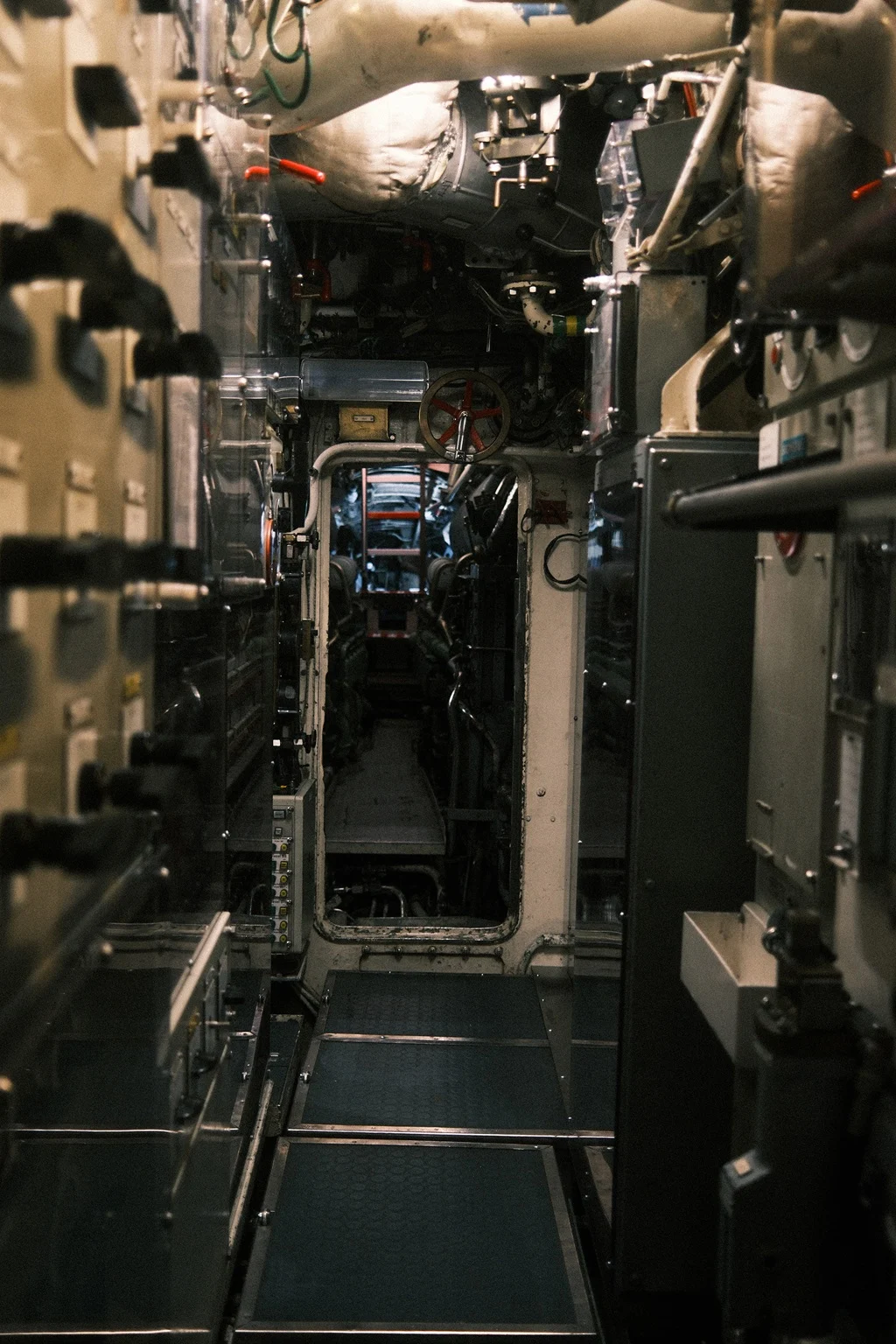
The Technik Museum Sinsheim has officially unveiled a sophisticated immersive audio installation within the decommissioned U17 submarine, transforming the static vessel into a multi-sensory historical experience. Utilizing thirteen precision-engineered Genelec loudspeakers, the project recreates the authentic acoustic environment of a submarine in active service, ranging from the low-frequency hum of diesel engines to the high-tension signals of a combat alarm. The installation was spearheaded by Laboratonium Audioproduktionen e.K., a specialist firm renowned for high-end multimedia audio productions and immersive soundscapes in the museum sector. This technological integration marks a significant milestone in the museum’s efforts to modernize its exhibits, moving beyond visual displays toward "experiential history" that engages the auditory senses to foster a deeper understanding of life at sea.
The Historical and Logistical Context of U17
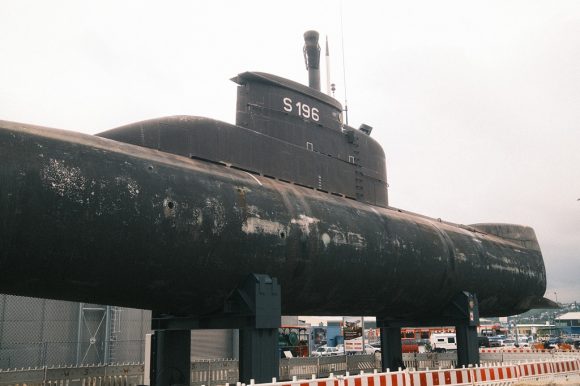
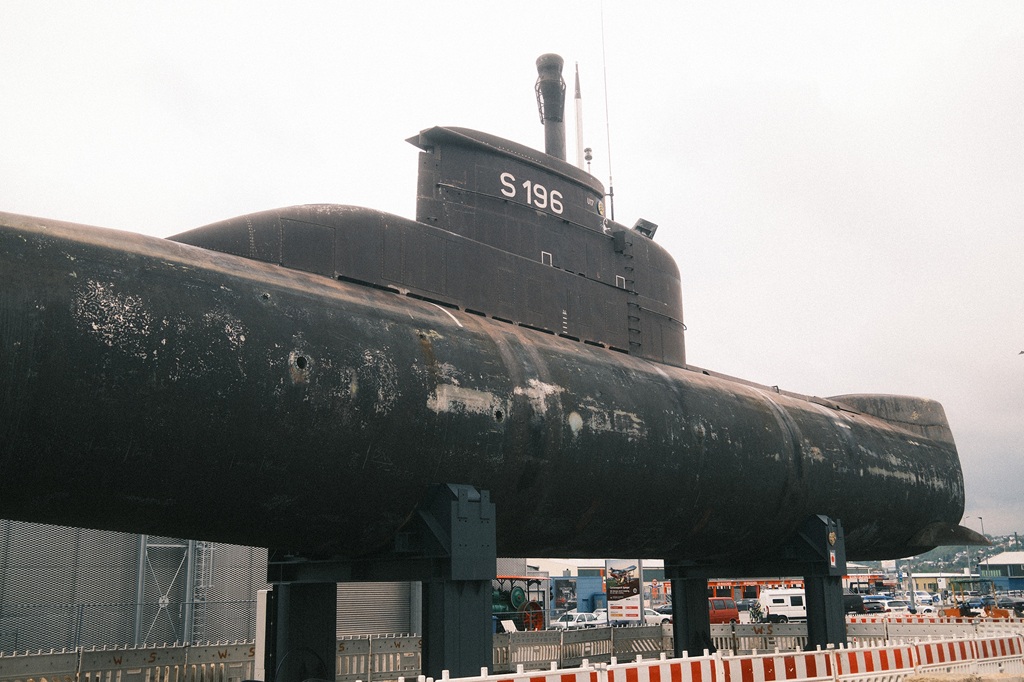
The U17, a Type 206A submarine, served the German Navy for over 30 years before being decommissioned in 2010. Its journey to the Technik Museum Sinsheim was a feat of engineering in itself, involving a complex transport route across the North Sea, up the Rhine, and eventually through narrow streets on a heavy-duty trailer. Weighing approximately 500 tons and measuring nearly 50 meters in length, the submarine is a relic of the Cold War era, designed for stealth and agility in the shallow waters of the Baltic Sea.
Since its arrival in Sinsheim, the U17 has become a flagship attraction. However, the museum leadership recognized that the physical constraints of the vessel—its cramped corridors and overwhelming steel structures—could feel sterile to visitors without the accompanying sounds of operation. To bridge this gap, the museum commissioned Laboratonium Audioproduktionen to design a system that would simulate the operational reality of the crew. The goal was not merely to play background noise but to create a localized, interactive soundscape that responds to the visitor’s movement through the various compartments of the boat.
Engineering Challenges: Acoustics in a Steel Cylinder
The interior of a submarine is an acoustic nightmare for sound engineers. Constructed almost entirely of reflective metal surfaces and characterized by narrow, tubular corridors and small, compartmentalized rooms, the U17 presented significant challenges regarding sound reflection and standing waves. Marc Simon, Managing Director of Laboratonium, noted that the project required a nuanced approach to sound propagation.
Jan Lipp, the project leader and lead sound engineer, emphasized that the primary difficulty lay in the vessel’s "sonic signature." Every metallic surface acts as a reflector, which can lead to muddy audio if not managed correctly. "Metal surfaces, narrow aisles, and many small compartments have very specific acoustic properties," Lipp explained. To overcome these hurdles, the team performed extensive acoustic mapping to determine the optimal placement for the speakers. The objective was to ensure that the sound felt intrinsic to the environment rather than projected from external sources. By hiding the speakers within the existing technical infrastructure of the submarine, the team was able to maintain the visual integrity of the exhibit while delivering high-fidelity audio.
Technical Implementation: The Choice of Genelec
The selection of audio hardware was a critical component of the project’s success. After evaluating several options, Laboratonium opted for Genelec, a Finnish manufacturer synonymous with high-end studio monitoring. The decision was driven by two primary factors: the compact form factor of the speakers and their renowned accuracy in sound reproduction.
The system comprises thirteen loudspeakers in total, sourced through Musikhaus Schlaile. The breakdown of the hardware is as follows:
- Eleven Genelec 8010A Studio Monitors: These ultra-compact monitors were chosen for their ability to deliver a balanced and precise soundstage despite their small size. Their dimensions allowed them to be tucked into corners, behind pipes, and under consoles throughout the submarine’s various sections, from the galley to the torpedo room.
- Two Genelec 8030C Studio Monitors: These larger units were strategically placed in areas requiring higher dynamic range and more significant sound pressure levels (SPL). They provide the "punch" necessary for the engine room simulations and the high-intensity alarm sequences, ensuring that the low-frequency vibrations are felt as much as they are heard.
The speakers were finished in a dark grey "Producer" color, allowing them to blend seamlessly with the submarine’s original interior paint and mechanical components. This "invisible" installation is crucial for the museum’s goal of total immersion; if a visitor can see the source of the sound, the illusion of being on a commissioned vessel is broken.
Sound Design and the "Das Boot" Influence
The auditory content of the installation is a blend of historical accuracy and cinematic storytelling. Sound designer Ksenia Cherkashina was tasked with creating a narrative arc that follows the visitor through the boat. The soundscape is not static; it evolves as visitors move from the forward torpedo room toward the engine room and the command center.

A major source of inspiration for the project was the legendary film and series Das Boot. Cherkashina and her team studied the original sound design of the production to understand how to convey the psychological pressure of underwater life. However, they did not simply copy existing audio. Instead, they reinterpreted and adapted these sounds for the specific acoustic environment of the U17.
"We used original soundscapes as a reference but developed new sound effects and recorded specific voice lines to match the U17’s layout," Cherkashina stated. This includes the rhythmic "ping" of the sonar, the mechanical grind of the hydroplanes, and the distant, muffled sounds of the ocean pressing against the hull. In certain areas, interactive triggers activate specific sequences, such as a crew member’s report or the activation of a valve, making the visitor feel like an active participant in the submarine’s operation.
The Alarm Sequence: A Sensory Highlight
The climax of the tour is a choreographed "Alarm Sequence." This scripted event transitions the boat from a standard cruising state into a combat-ready alert. The sequence involves a dramatic shift in the audio-visual environment:
- Audio Shift: The ambient hum of the boat is replaced by the piercing "Easter egg" alarm typical of German submarines. The Genelec 8030C monitors are pushed to their limits here, delivering the high-decibel urgency of a "Dive! Dive!" command.
- Visual Integration: The museum’s lighting system is synchronized with the audio. The standard white overhead lights cut out, replaced by the iconic red emergency lighting.
- Narrative Impact: Voice recordings in German—delivered with the clipped, professional tone of naval officers—command the crew to battle stations.
According to museum staff, this sequence is the most talked-about part of the exhibit. Visitors have reported a genuine sense of urgency and a visceral understanding of the cramped, high-stakes environment that submariners endured. The immersion is so effective that some visitors have described the sensation of "feeling" the boat tilt, despite the U17 being firmly bolted to its concrete foundations on land.
Broader Implications for Museum Curation
The U17 project at Sinsheim reflects a broader trend in the global museum industry: the shift from "Look but don’t touch" to "Enter and experience." As younger generations of museum-goers seek more engaging and tech-driven exhibits, institutions are increasingly turning to high-end AV solutions to stay relevant.
From a technical perspective, the use of studio-grade monitors like Genelec in a public exhibition space demonstrates the blurring lines between professional recording environments and public installations. The durability and reliability of these speakers are paramount in a museum setting, where they are required to operate for up to ten hours a day, 365 days a year, in an environment that—while controlled—is subject to the dust and humidity brought in by thousands of visitors.
Furthermore, this project highlights the importance of professional sound design in cultural heritage. By treating the acoustic environment with the same level of detail as the physical restoration of the vessel, the Technik Museum Sinsheim has set a new standard for maritime exhibits. The collaboration between Laboratonium Audioproduktionen and the museum proves that when technical expertise meets creative storytelling, the result is a powerful educational tool that resonates on an emotional level.
Conclusion and Future Outlook
The installation of the immersive audio system in the U17 is a resounding success for the Technik Museum Sinsheim. It has successfully turned a cold, steel artifact into a living history lesson. For Marc Simon and the team at Laboratonium, the project serves as a testament to the power of sound. "Sound design for a walk-in submarine is not an everyday scenario," Simon reflected. "It required a high degree of creative flexibility and technical expertise, but that uniqueness is exactly what made the project so appealing."
As the museum continues to expand its collection and modernize its existing displays at both the Sinsheim and Speyer locations, the U17 stands as a blueprint for future installations. The integration of high-fidelity audio, synchronized lighting, and interactive storytelling ensures that the stories of the men who served on these vessels are not lost to time but are instead amplified for future generations to experience. The U17 is no longer just a boat on a lawn; it is a time capsule of the deep, brought to life by thirteen speakers and a vision of total immersion.
