

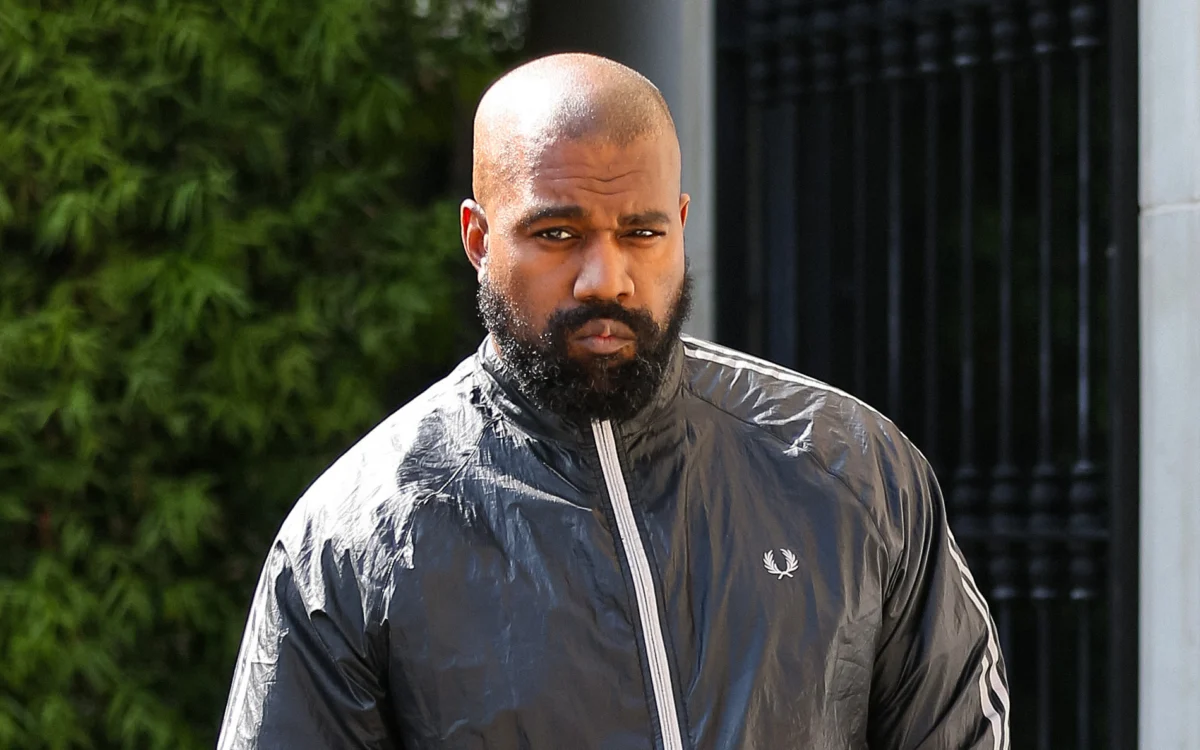
Wireless Festival has been canceled following the United Kingdom Home Office’s decision to deny entry to its headliner, Kanye West, commonly known as Ye. The London-based festival, a prominent fixture in the UK’s urban music calendar, announced the abrupt cancellation on Tuesday, April 7, citing the government’s directive as the sole reason. All ticket holders are to receive automatic full refunds. This development marks a significant disruption for the festival and its attendees, underscoring the far-reaching consequences of West’s controversial public statements.
Escalating Backlash and Sponsorship Withdrawals
The decision by the Home Office comes after a period of intense scrutiny and mounting pressure on Wireless Festival organizers, particularly from major corporate sponsors and political figures. The booking of West as the sole headliner had drawn widespread condemnation due to his repeated antisemitic and pro-Nazi remarks made in recent years. In response to the growing controversy, several high-profile brands, including Pepsi, PayPal, and Diageo, publicly withdrew their sponsorship of the festival. This exodus of financial backing significantly impacted the festival’s viability and added to the pressure on organizers to reconsider their decision.
Furthermore, the issue transcended the music industry and entered the political arena. Prime Minister Sir Keir Starmer publicly described the decision to book West as "deeply concerning," indicating a broad consensus among political leaders that the artist’s presence would be detrimental. This statement from the highest levels of government signaled a strong stance against the normalization of hate speech and its platforming at major cultural events.
Home Office Decision: Grounds for Exclusion
According to reports from the BBC, Kanye West submitted an application for an Electronic Travel Authorisation (ETA) to enter the United Kingdom on Monday, April 6. The Home Office’s swift rejection of this application was based on the assessment that his presence in the country would not be "conducive to the public good." This legal criterion allows the UK government to refuse entry to individuals whose presence is deemed harmful to public order or national security. The grounds for this decision are directly linked to the documented instances of West’s inflammatory rhetoric, which has been widely interpreted as promoting hatred and intolerance.
West’s Response and Community Engagement Efforts
Earlier on the same day of the festival’s cancellation, Kanye West released a statement addressing the growing backlash. In his statement, he asserted that his "only goal is to present a show of change" and aimed to "bring unity, peace and love through my music." He also extended an offer to meet with "members of the Jewish community in the UK in person, to listen." This proactive outreach was an attempt to mitigate the damage caused by his previous comments and demonstrate a willingness to engage in dialogue and understand the concerns of those affected by his remarks.
The Board of Deputies of British Jews responded to West’s statement, expressing a conditional willingness to meet. They stated, "We are willing to meet Kanye West as part of his journey of healing, but only after he agrees not to play the Wireless Festival this year." This response highlighted the community’s stance: while open to dialogue and reconciliation, it was contingent on the festival organizers taking decisive action to distance themselves from the controversial artist.
Festival Republic’s Defense and Later Reversal
Prior to the UK ban and the festival’s cancellation, Melvin Benn, the managing director of Festival Republic, the company behind Wireless Festival, had publicly defended the decision to book West. In a statement, Benn acknowledged the abhorrent nature of West’s past comments about Jews and Hitler. However, he argued that West’s music was widely available and consumed in the UK through commercial radio, streaming, and downloads without similar public outcry. He further contended that West had a legal right to enter the country and perform.
Benn’s defense also touched upon the broader societal issue of forgiveness. He stated, "What Ye has said in the past about Jews and Hitler is as abhorrent to me… We are not giving him a platform to extol opinion of whatever nature, only to perform the songs that are currently played on the radio stations in our country and the streaming platforms in our country and listened to and enjoyed by millions." He added, "Forgiveness and giving people a second chance are becoming a lost virtue in this ever-increasing divisive world and I would ask people to reflect on their instant comments of disgust at the likelihood of him performing (as was mine) and offer some forgiveness and hope to him as I have decided to do." This perspective suggested a belief in redemption and the separation of artistic performance from personal views.
However, the subsequent actions of the Home Office and the ultimate cancellation of the festival indicate that this argument for forgiveness and a second chance, as articulated by Benn, did not outweigh the public safety and public good considerations deemed critical by the UK government. The cancellation represents a significant shift from the initial stance of defending the booking.
Timeline of Events Leading to Cancellation
The unfolding situation can be traced through a series of key dates and developments:
- Recent Past: Kanye West makes a series of antisemitic and pro-Nazi remarks across various platforms, sparking widespread condemnation.
- Prior to April 6: Wireless Festival announces Kanye West as its headliner, a decision that immediately draws criticism.
- Days before April 7: Major sponsors, including Pepsi, PayPal, and Diageo, withdraw their support for Wireless Festival due to the controversy surrounding West’s booking. Political figures, including Prime Minister Sir Keir Starmer, express strong disapproval.
- Monday, April 6: Kanye West submits an Electronic Travel Authorisation (ETA) application to the UK Home Office.
- Tuesday, April 7 (Morning): Kanye West issues a statement offering to meet with the Jewish community and promising a "show of change" through his music. The Board of Deputies of British Jews responds with a conditional offer to meet.
- Tuesday, April 7 (Afternoon): The UK Home Office rejects Kanye West’s ETA application, citing that his presence is not conducive to the public good.
- Tuesday, April 7 (Evening): Wireless Festival announces its cancellation due to West being denied entry into the UK, confirming full refunds for ticket holders.
Broader Impact and Implications
The cancellation of Wireless Festival and the ban on Kanye West’s entry into the UK carry significant implications. Firstly, it highlights a growing intolerance for hate speech in the public sphere, particularly from influential figures. The decision signals that even established artists with a large global following can face severe repercussions for making discriminatory remarks.
Secondly, the incident underscores the power of public pressure and corporate responsibility in shaping cultural events. The withdrawal of sponsorships demonstrated that brands are increasingly prioritizing their public image and ethical stances, choosing to align themselves with values that resonate with consumers and the broader society.
Thirdly, the UK Home Office’s decision sets a precedent for how the government will handle the entry of public figures whose statements are deemed harmful. It suggests a more assertive approach to safeguarding public discourse and preventing the amplification of divisive ideologies.
Finally, for fans of Wireless Festival, the cancellation represents a considerable disappointment, particularly those who had purchased tickets to see West and other scheduled performers. The event’s disruption impacts not only the attendees but also the artists who were slated to perform and the wider ecosystem of the music industry reliant on such festivals for exposure and income.
Kanye West was scheduled to headline all three nights of the Wireless Festival, from July 10 to July 12. This ban prevents his participation and, by extension, the entire festival as it was planned. In contrast, West has recently performed two sold-out shows at the SoFi Stadium in Los Angeles in support of his album Bully, where he was joined by notable artists such as Lauryn Hill, Travis Scott, and Don Toliver. The contrast between the reception of his performances in the US and the UK underscores the differing cultural and political landscapes regarding his public persona and pronouncements. The incident serves as a stark reminder of the complex interplay between artistic expression, public responsibility, and governmental authority in the modern era.
