

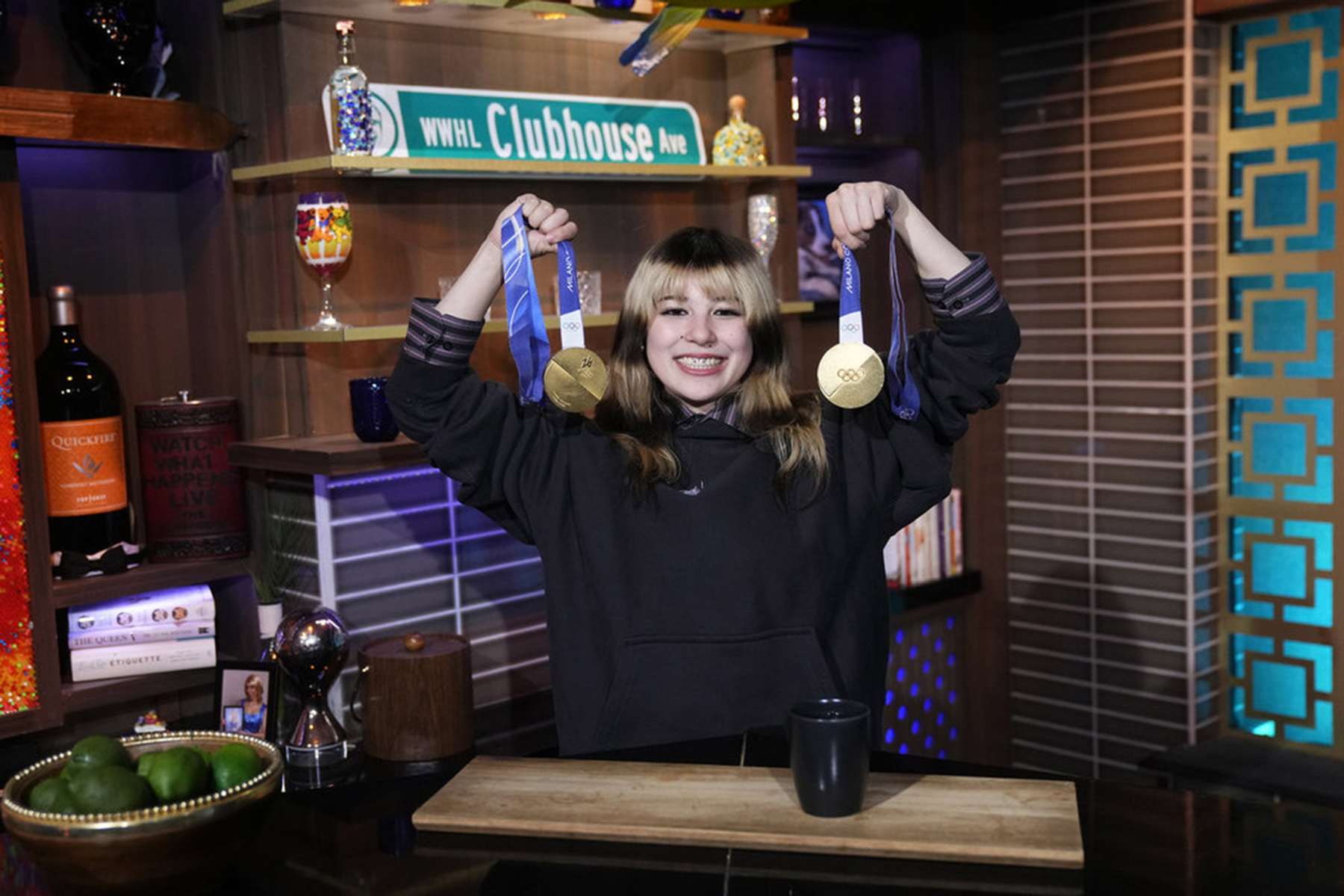
On Monday, March 2, 2026, Olympic Gold Medalist Alysa Liu offered a rare glimpse into the sonic tapestry that underpins her extraordinary skating career and personal preferences, during her appearance on Bravo’s Watch What Happens Live with Andy Cohen. The star athlete, fresh from her triumphant return to competitive figure skating, not only discussed the strategic and emotional significance of her past program music but also unveiled a curated list of tracks she envisions accompanying her future performances, a revelation that has sent ripples through both the sports and music industries. Her candid conversation underscored a growing trend where elite athletes increasingly leverage their platforms to influence broader cultural conversations, particularly within the music sphere.
Liu’s visit to the iconic Bravo clubhouse, known for its intimate and often revealing celebrity interviews, provided a unique opportunity for fans to connect with the skater beyond the rink. Accompanied by her two Olympic medals, Liu engaged in a discussion that ranged from the pressures of elite competition to the deeply personal choices that shape an athlete’s artistic expression. The central theme that emerged was the profound connection between her musical selections and her on-ice success, a synergy that has demonstrably translated into significant impacts on music charts and artist visibility.
The Strategic Symphony: Music as a Competitive Edge
Figure skating, perhaps more than any other Olympic sport, intertwines athletic prowess with artistic interpretation, where music serves as the very soul of a performance. A skater’s choice of music is not merely background; it is a narrative tool, a rhythmic guide, and a powerful emotional conduit designed to captivate judges and audiences alike. Liu’s discussion on WWHL highlighted this intricate relationship, revealing the deliberate thought process behind her selections.
Her gold-medal-winning freestyle skate, set to Donna Summer’s iconic "MacArthur Park," was a prime example of this strategic musicality. Liu recounted how the recommendation to listen to the song, followed by her discovery of a 16-minute suite version, "took it to another level." This extended version allowed for a complex choreographic journey, mirroring the song’s own dramatic build-up and narrative shifts. The result was a performance that was not only technically flawless but also deeply emotive, propelling her from a challenging third-place position to the top of the podium in women’s individual figure skating.
Chart Resurgence: The "Alysa Liu Effect"
The impact of Liu’s performance extended far beyond the ice rink. Her choice of "MacArthur Park" sparked a remarkable resurgence for the 1978 disco classic. Following her Olympic triumph, the track soared to the summit of Billboard‘s Dance Digital Song Sales chart, marking Donna Summer’s fourth posthumous No. 1. This achievement is a testament to the enduring power of classic music and the ability of a high-profile cultural moment, such as an Olympic gold medal performance, to reintroduce timeless artistry to new generations. The track’s renewed popularity underscored its enduring appeal and its capacity to resonate across decades, amplified by the contemporary platform of Olympic glory.
The "Alysa Liu Effect" was not limited to historical tracks. Her influence on contemporary music was equally pronounced. For her closing gala performance, Liu chose "Stateside" by the burgeoning UK artist PinkPantheress and Swedish pop sensation Zara Larsson. The day immediately following her performance, "Stateside" experienced an astounding 88% increase in streams. This meteoric rise highlights Liu’s role as a tastemaker among younger demographics, demonstrating the direct correlation between her athletic visibility and a track’s immediate commercial performance.
Similarly, Laufey’s melancholic jazz-pop ballad "Promise," which Liu selected for her short program set, saw an impressive surge of 1.3 million streams within just four days post-performance. Laufey, a rising star known for blending classical influences with contemporary indie sounds, benefited significantly from Liu’s global platform. These instances collectively illustrate how figure skating, traditionally associated with classical or orchestral music, is increasingly becoming a powerful launchpad for diverse musical genres, driven by the personal choices of influential athletes like Liu.
A Look Back: Alysa Liu’s Journey and Artistic Autonomy
Alysa Liu’s path to her current stature has been marked by both precocious success and a period of introspection. She first rose to prominence as a prodigious talent, becoming the youngest U.S. national champion at 13 years old in 2019. Her early career was characterized by groundbreaking jumps and a fearless approach to the sport. However, after competing at the 2022 Winter Olympics in Beijing, where she earned a bronze medal in the team event, Liu made the unexpected decision to step away from competitive skating at the age of 16, citing a desire to "move on with her life" and explore other interests.
Her return to competitive skating in 2026, after a two-year hiatus, was met with widespread anticipation and curiosity. This comeback, however, was predicated on a crucial condition: Liu demanded the autonomy to choose her own music. This stipulation, a significant departure from traditional coaching dynamics where music selection often involves extensive input from coaches and choreographers, underscores Liu’s evolving artistic maturity and her commitment to personal expression on the ice. It reflects a broader shift in elite sports, where athletes are increasingly asserting control over elements of their performance that contribute to their individual brand and artistic identity. This newfound creative freedom is not merely a preference but a foundational element of her renewed passion and approach to the sport.
The Soundtrack of Tomorrow: Liu’s Musical Wishlist
During her WWHL appearance, the conversation naturally progressed to what musical landscapes Liu envisions for her future programs. This segment provided a fascinating insight into her eclectic tastes, blending classical masterpieces with contemporary hits and indie gems. Her top five desired songs for future skates were:
- "Fire in My Heart" by Escape From New York: An intriguing choice that hints at a potential exploration of electronic or synth-pop influences, suggesting a desire for dynamic and rhythmically driven choreography.
- "Chihiro" by Billie Eilish: A Billboard Hot 100 No. 12 hit, Eilish’s atmospheric and often melancholic style could lend itself to a program of intense emotional depth and modern artistic expression. This selection firmly places Liu in conversation with contemporary pop culture.
- "Swan Lake" by Tchaikovsky: A timeless classical ballet score, this choice demonstrates Liu’s reverence for tradition and her ability to interpret enduring masterpieces. Skating to "Swan Lake" would challenge her to embody classical grace and storytelling, appealing to traditional figure skating aficionados.
- "Star" by Mitski: The inclusion of Mitski, an indie rock artist celebrated for her raw, introspective lyrics and powerful vocals, points to Liu’s appreciation for alternative music and her willingness to push artistic boundaries within the sport. A Mitski program could be incredibly emotive and uniquely contemporary.
- "Capable of Love" by PinkPantheress: Her top pick for future programs, this second PinkPantheress track reaffirms Liu’s strong affinity for the artist’s distinctive sound, characterized by lo-fi beats, UK garage influences, and ethereal vocals. This choice suggests a desire to continue innovating within the figure skating musical landscape, embracing sounds that resonate with a younger, digitally native audience.
This diverse list showcases Liu’s expansive musical palate, demonstrating a willingness to traverse genres and eras to find the perfect sonic partner for her athletic artistry. It also solidifies her position as a bridge between traditional sports audiences and contemporary music trends.
The PinkPantheress Connection: A Mutual Admiration
A particularly charming moment during the WWHL interview was Liu’s excited revelation that she had heard directly from PinkPantheress after her "Stateside" performance. "She’s so nice," Liu recounted, highlighting a genuine connection between the athlete and the artist. This interaction is indicative of the increasing cross-pollination between different facets of pop culture. For PinkPantheress, an endorsement from an Olympic Gold Medalist provides invaluable exposure and validation, particularly within a demographic that might not typically encounter her music. For Liu, the acknowledgment from an artist she admires adds another layer of personal satisfaction and authenticity to her performance choices. This kind of mutual appreciation fosters a dynamic where athletes become influential cultural curators, and artists find unexpected avenues for their work to be showcased on a global stage.
Broader Implications: Redefining Figure Skating’s Soundtrack
Alysa Liu’s choices and their subsequent impact hold significant implications for the future of figure skating and its relationship with the music industry. Her willingness to embrace a wide range of genres, from classic disco to contemporary indie and electronic sounds, challenges the traditional conservative leanings of figure skating music. This could inspire other skaters to explore more diverse soundtracks, potentially injecting new energy and modern relevance into the sport.
Furthermore, Liu’s "chart-boosting" power positions her as a formidable force in music discovery. Her performances on ice translate into tangible commercial success for artists, demonstrating the immense value of athlete endorsements, even if unintentional. This phenomenon creates a symbiotic relationship: athletes gain unique avenues for artistic expression and personal branding, while artists receive unparalleled global exposure.
The precedent set by Liu’s condition to choose her own music also speaks to the evolving landscape of athlete agency. As sports figures increasingly become global brands and cultural influencers, the demand for creative control over their performances—from costume design to music selection—will likely grow. This shift empowers athletes to craft more authentic and personally resonant narratives, both on and off the ice.
The Road to 2030 and Beyond
As Alysa Liu continues her comeback journey, setting her sights on future competitions and potentially the 2030 Winter Olympics, her musical choices will undoubtedly remain a focal point of fascination. Her appearance on Watch What Happens Live was more than just a celebrity interview; it was a declaration of artistic intent and a powerful demonstration of her influence. With her passion for diverse sounds and her newfound autonomy, it would be no surprise to hear even more PinkPantheress tracks, or perhaps a daring choice from an entirely unexpected genre, echoing through the arenas of future Olympic Games. Alysa Liu is not just skating to music; she is helping to compose the future soundtrack of figure skating itself, one inspired and chart-topping performance at a time.