
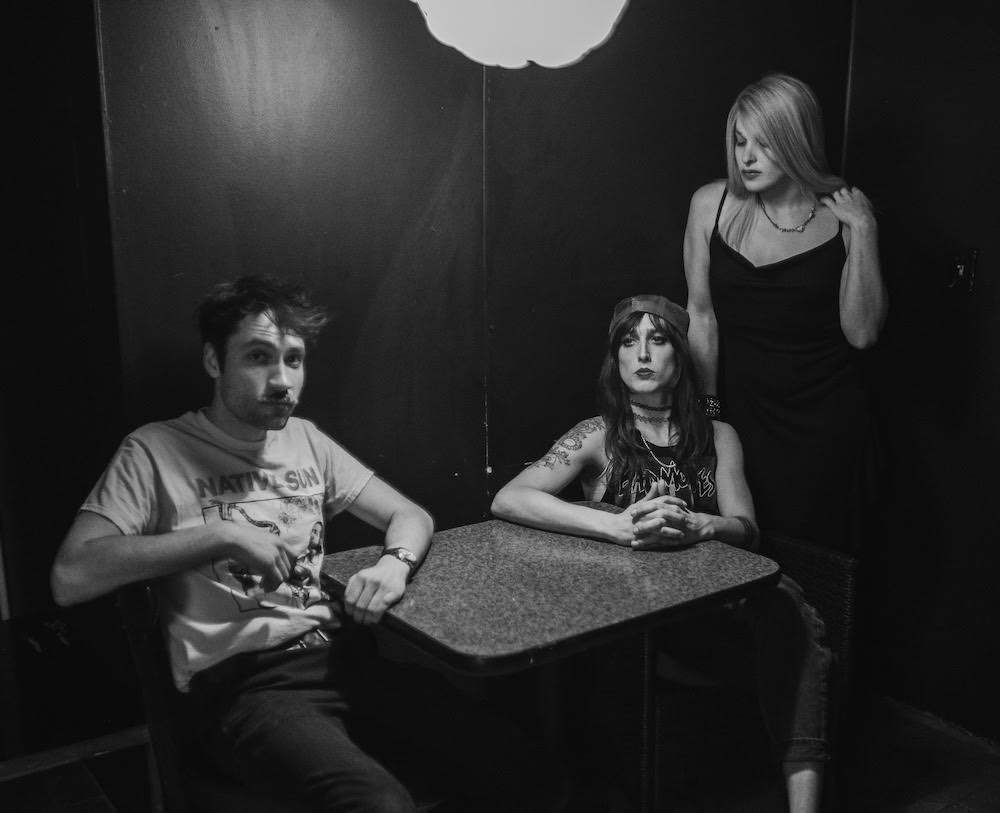
In a dramatic and rapidly unfolding series of events, D.C. punk outfit Ekko Astral has been dropped by their label, Topshelf Records, just weeks before the anticipated release of their sophomore album, the beltway is burning. The label’s decision, announced via social media, follows a public disclosure that the band’s leader, Jael Holzman, filed a peace order petition against former drummer Miri Tyler, who had previously announced her departure from the group. This development sends significant ripples through the independent music scene, forcing Ekko Astral to pivot to an independent release strategy and casting a shadow over their upcoming "Liberation Weekend" festival.
The Unraveling: A Label’s Decision and a Band’s Response
The announcement from Topshelf Records, a respected independent label known for its diverse roster of punk, emo, and indie acts, was concise and unequivocal. "We can no longer support Ekko Astral and will not be releasing their album the beltway is burning," the label stated across its social media platforms. The statement further clarified that this severance included the termination of in-house public relations services and promised refunds for all pre-orders within 5-10 business days. Such a definitive and public withdrawal of support from a label, particularly so close to an album’s release, is highly unusual and signals a significant breach in the artist-label relationship, often driven by profound concerns beyond mere creative differences.
Ekko Astral, for their part, quickly responded to the news via their Instagram Story, acknowledging the label’s decision but affirming their commitment to the album. "ekko astral will no longer be releasing TBIB on @topshelfrecords," the band posted. "we will still be releasing ‘the beltway is burning’ independently. additional information to come." This immediate declaration to proceed independently, while demonstrating resilience, underscores the sudden and substantial logistical challenges now facing the band, from manufacturing and distribution to marketing and promotion, all of which were previously handled by Topshelf Records.
A Chronology of Discord: From Anticipation to Allegation
The trajectory of Ekko Astral’s spring 2024 began with considerable promise and anticipation, only to be marred by escalating internal conflict that ultimately spilled into the public sphere.
- Early February: The band generated buzz within the punk community by formally announcing their second full-length album, the beltway is burning, slated for an April release. The album title itself, evocative of political unrest and the band’s D.C. roots, hinted at the potent, politically charged energy for which Ekko Astral has become known. The initial single, "lil xan goes to washington," offered a taste of their forthcoming work, garnering attention and setting expectations high.
- Late January/Early February: Preceding the album announcement, drummer Miri Tyler publicly declared her departure from Ekko Astral. At the time, this parting was presented as an amicable separation, with both parties ostensibly wishing each other well. Such changes in band lineups are not uncommon in the dynamic and often transient world of independent music, and initially, there was no public indication of underlying friction.
- Mid-February: The narrative took a sharp turn when the Washington City Paper reported that Jael Holzman, the leader and vocalist of Ekko Astral, had filed a peace order petition against Miri Tyler. A peace order, in legal terms, is a civil protective order sought by one individual against another who is alleged to have committed acts of harassment, abuse, or threats. It is not a criminal charge but a legal injunction designed to prevent future contact or specific actions. The filing of such a petition suggests a breakdown in relations far beyond a simple creative divergence, implying allegations of serious personal conduct issues. The specifics of the allegations within the petition have not been publicly detailed beyond the fact of its filing.
- Late February: The cumulative weight of the peace order filing and the ensuing public scrutiny culminated in Topshelf Records’ decision to sever ties with Ekko Astral and halt the release of the beltway is burning. This decisive action by the label indicates that the alleged interpersonal dispute had reached a threshold deemed incompatible with their ethical standards, business operations, or reputational considerations.
Background on Ekko Astral and the D.C. Punk Scene
Ekko Astral emerged from Washington D.C.’s vibrant and historically significant punk scene, quickly carving out a niche with their ferocious energy, politically charged lyrics, and uncompromising sound. Their debut album garnered critical attention, positioning them as a promising new voice in contemporary punk. The band’s name itself, "Ekko Astral," hints at an ethereal yet impactful presence, while their music frequently engages with themes of social justice, political disillusionment, and personal angst, resonating with the genre’s foundational ethos.
D.C. holds a legendary status in the annals of punk rock history, having birthed seminal acts like Minor Threat, Bad Brains, and Fugazi. This scene has long been characterized by its fervent DIY (Do-It-Yourself) ethic, fierce independence, and a strong undercurrent of social and political activism. Bands from D.C. punk often use their platforms to critique power structures, advocate for change, and foster community, a tradition Ekko Astral clearly aimed to uphold. The title the beltway is burning is a direct nod to this legacy, referencing the Capital Beltway that encircles Washington D.C., a symbolic heart of American political power, and suggesting a metaphorical or literal conflagration of the established order. This deep connection to D.C.’s punk heritage likely contributed to their initial appeal and the expectations surrounding their sophomore release.
The Nature of the Dispute: A Look at Peace Orders and Band Dynamics
The filing of a peace order petition by Jael Holzman against Miri Tyler introduces a layer of legal complexity and personal gravity to what initially appeared to be a standard band member departure. In the District of Columbia, a peace order can be sought by anyone who believes another individual has committed or threatened to commit certain acts against them, including assault, battery, stalking, or harassment. The process typically involves a petition outlining the alleged incidents, followed by a court hearing where both parties can present their cases. If granted, the peace order can impose various restrictions on the respondent, such as prohibiting contact, requiring them to stay a certain distance away, or ceasing specific behaviors.
The public nature of this legal action immediately elevates the stakes for all involved. For Holzman, filing such a petition is a serious step, suggesting a perceived need for legal protection. For Tyler, it means facing serious allegations in a public forum. Within the context of a band, such a dispute can be particularly corrosive. Bands, by their nature, are often intense collaborations, blending creative passion with close personal relationships. When these relationships sour to the point of legal intervention, the impact extends beyond the individuals to the collective entity, affecting its reputation, stability, and future prospects. While the specifics of the allegations remain undisclosed, the very existence of a peace order petition suggests a deeply troubled dynamic that could no longer be contained within the band’s internal structure.
Topshelf Records’ Stance: Ethical Considerations and Business Realities
Topshelf Records’ decision to drop Ekko Astral reflects a confluence of ethical considerations, reputational risk, and business imperatives increasingly common in the modern music industry. Independent labels like Topshelf often pride themselves not just on their musical taste but also on fostering supportive environments for their artists. However, when an artist or band becomes embroiled in serious public allegations, especially those involving personal conduct and potential legal disputes, labels face a difficult calculus.
- Reputational Risk: Associating with an artist facing a peace order petition, particularly one implying allegations of harassment or abuse, can severely damage a label’s public image and alienate its audience, other artists, and industry partners. In an era of heightened social awareness and accountability, labels are increasingly expected to take a stand against problematic behavior.
- Ethical Alignment: Many independent labels operate on principles of community, respect, and safety. If the allegations underlying the peace order are perceived to contradict these values, a label might feel an ethical obligation to disassociate itself.
- Business Liability: While direct legal liability for an artist’s personal conduct is typically limited, ongoing disputes can consume significant label resources, create an unstable environment for album promotion, and potentially deter future collaborations or partnerships. Moreover, issues that could lead to negative press or boycotts pose a direct threat to sales and the label’s overall financial health.
The swiftness and finality of Topshelf’s statement suggest that the label weighed these factors and determined that continuing their relationship with Ekko Astral was untenable. This move signals a broader trend in the music industry where labels, particularly independent ones responsive to their communities, are becoming more proactive in responding to allegations of misconduct among their artists.
The Path Forward: Independent Release and "Liberation Weekend"
Ekko Astral’s declaration to release the beltway is burning independently represents a significant pivot, fraught with both challenges and opportunities.
- Challenges of Independent Release: Without label backing, Ekko Astral will need to shoulder all responsibilities for manufacturing, distribution (physical and digital), marketing, publicity, and financial investment. This demands a robust understanding of the industry’s logistical complexities, significant capital, and a substantial time commitment. Reaching a broad audience, securing reviews, and gaining visibility without a label’s established network and resources will be an uphill battle. Delays in the album’s release, originally slated for April, are highly probable as the band reorganizes its strategy.
- Opportunities of Independent Release: On the other hand, an independent release grants the band complete creative and financial control. They retain all master rights and publishing, and all revenue generated goes directly to them. This autonomy, central to the punk ethos, could be seen as a defiant act of self-reliance in the face of adversity. It also allows them to maintain their artistic vision without external pressures, a core tenet for many punk acts.
Adding another layer of complexity is "Liberation Weekend," the band’s self-curated festival scheduled for April in D.C. The festival boasts an impressive lineup, including prominent artists like Laura Jane Grace and Illuminati Hotties, signifying Ekko Astral’s growing influence and ambition. The recent developments, however, cast a shadow over this event. While the festival lineup was announced prior to the Topshelf Records decision, the ongoing controversy could potentially impact ticket sales, artist participation (though no artists have publicly withdrawn), or the overall atmosphere. Event organizers, venues, and participating artists often monitor such situations closely, considering their own reputations and the comfort of attendees. The success of "Liberation Weekend" now hinges not only on its artistic merit but also on the band’s ability to navigate the public perception of the current dispute.
Broader Implications for the Music Industry
This incident with Ekko Astral and Topshelf Records is indicative of several broader trends shaping the contemporary music industry:
- Increased Scrutiny of Artist Conduct: The rise of social media and greater public awareness has led to intensified scrutiny of artists’ personal conduct. Issues that might have once remained private are now quickly publicized, forcing labels and industry stakeholders to respond.
- The Power of Social Media: Social media platforms are not only tools for promotion but also arenas where disputes unfold, information is disseminated rapidly, and public opinion can coalesce, directly impacting careers and business decisions.
- The Precarity of Artist-Label Relationships: Even with established contracts, relationships between artists and labels can be fragile, susceptible to shifts in public perception, legal entanglements, and ethical disagreements.
- The Enduring DIY Spirit: For punk bands especially, the option to revert to a DIY model remains a fundamental part of their identity. While challenging, it reaffirms the genre’s roots in self-sufficiency and resistance against corporate structures.
Jael Holzman’s Further Statement and Unanswered Questions
Following Topshelf Records’ announcement, Jael Holzman shared an additional statement via Bluesky, hinting at deeper layers to the story. "ekko astral is no longer on topshelf. if you’re wondering why, there is a lot more to that story to share in the coming days. and a lot of misinformation surrounding the events leading up to it," Holzman wrote. "‘the beltway is burning’ will still be released, as it’s our pride and joy."
Holzman’s assertion of "a lot more to that story" and "misinformation" suggests a desire to present a fuller narrative from the band’s perspective, possibly challenging prevailing interpretations of events. This statement signals an ongoing, complex situation with multiple viewpoints, the full scope of which has yet to be publicly revealed. As Ekko Astral prepares to release the beltway is burning independently and host "Liberation Weekend," the music world watches to see how this dramatic chapter in their career will unfold, and what further revelations might emerge from the "misinformation" Holzman refers to. The future of the band, their album, and their festival now navigates a landscape shaped by legal action, ethical considerations, and the unyielding spirit of independent punk.
 Rano Karno