

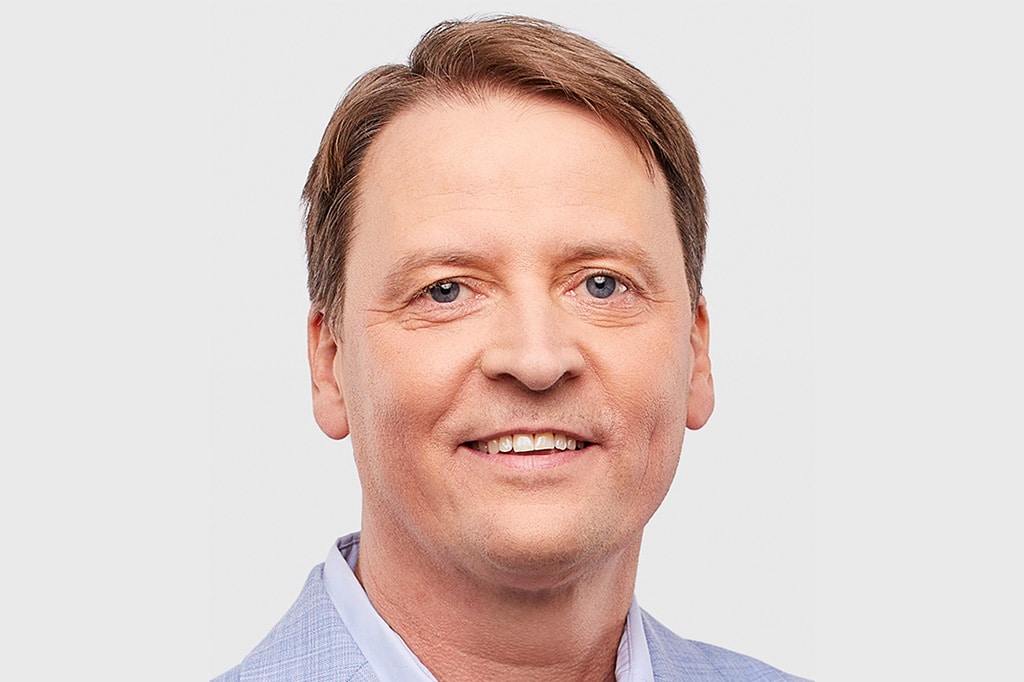
Lawo AG, a global leader in IP-based media infrastructure and broadcast technology, has officially announced a significant evolution in its executive leadership structure, appointing Jamie Dunn as the company’s new Chief Executive Officer. Effective immediately, Dunn assumes the primary leadership mantle for the Lawo Group, marking a pivotal moment in the company’s multi-decade history as it seeks to fortify its market position and ensure long-term operational continuity. This transition is characterized by a strategic reshuffling of the Executive Board, designed to enhance corporate governance while maintaining the innovative momentum that has defined the brand since its inception.
The appointment of Jamie Dunn follows a period of deliberate succession planning. Dunn, who joined Lawo in 2011, has been a central figure in the company’s international expansion and its transition from a traditional hardware manufacturer to a software-defined networking and processing powerhouse. Having served as a member of the Executive Board and Deputy CEO since 2024, his elevation to the role of CEO represents a vote of confidence from the Supervisory Board in his ability to navigate the complexities of the modern media landscape.
Reflecting on his new responsibilities, Dunn emphasized that the strength of Lawo has always been rooted in its human capital, its collaborative partnerships, and an unwavering commitment to innovation. He noted that the company is currently entering a chapter characterized by immense opportunity, particularly as broadcasters and media entities worldwide accelerate their migration to IP-based workflows and cloud-integrated production environments.
The Strategic Realignment of Philipp Lawo
Parallel to Dunn’s appointment, the company announced that Philipp Lawo will step down from the Executive Board of Lawo AG to transition into a pivotal role within the Supervisory Board. This move is a calculated step toward strengthening the company’s corporate compliance framework. By more clearly separating the management functions (Executive Board) from the control and oversight functions (Supervisory Board), Lawo AG aligns itself with the highest standards of modern corporate governance.
Philipp Lawo’s influence on the company cannot be overstated. As the son of founder Peter Lawo, he has been instrumental in transforming the firm from a specialized audio engineering boutique into a global infrastructure provider. While he transitions away from day-to-day operational management at the AG level, he remains the sole CEO of Lawo Holding AG. In this capacity, he will continue to oversee the strategic direction of the entire Lawo Group, ensuring that the core values of the Lawo family—innovation, reliability, and long-term vision—remain deeply embedded in the corporate culture. This dual-layered leadership approach allows the company to benefit from Philipp Lawo’s visionary guidance while empowering a professionalized management team to execute on operational goals.
A Team-Oriented Leadership Model
The new leadership structure under Jamie Dunn’s tenure as CEO is built upon a collaborative, multi-disciplinary management team. This model has been credited with providing the company with the operational resilience necessary to navigate global market volatility, including the supply chain disruptions and rapid technological shifts of the early 2020s. The current executive team is composed of seasoned professionals across all critical business functions:
- Jamie Dunn (CEO and Executive Board): Leading overall strategy and corporate vision.
- Claus Gärtner (CFO and Executive Board): Overseeing financial health, risk management, and fiscal strategy.
- Andreas Hilmer (CMO): Driving global marketing, brand positioning, and communications.
- Christian Lukic (CSCO): Managing the complex global supply chain and manufacturing logistics.
- Phil Myers (CTO): Directing the technological roadmap and R&D initiatives.
- Ulrich Schnabl (COO): Ensuring operational excellence and internal efficiency.
Michael Sonnabend, Chairman of the Supervisory Board, highlighted that this team-oriented structure has been a primary driver of the company’s strong performance in recent years. According to Sonnabend, the transition ensures that the company maintains its stability while remaining agile enough to pursue aggressive growth targets. The Supervisory Board has expressed full confidence in this collective leadership, noting their proven track record in defining and achieving long-term strategic milestones.
Historical Context and Market Evolution
To understand the significance of this leadership change, one must look at Lawo’s trajectory within the broadcast industry. Founded in 1970, the company initially gained fame for its high-end analog mixing consoles. However, the true transformation occurred during the digital revolution and the subsequent shift to Internet Protocol (IP).
Lawo was an early advocate for open standards, such as ST2110 and RAVENNA, which have become the backbone of modern media production. The company’s products, ranging from the mc² series of audio production consoles to the V__matrix IP routing and processing platform, are now staples in the world’s most prestigious broadcast facilities, including those used for the Olympic Games, the FIFA World Cup, and major parliamentary installations.
The transition to Jamie Dunn’s leadership comes at a time when the industry is moving toward "HOME," Lawo’s management platform for IP-based media infrastructures. This software-centric approach allows broadcasters to manage complex networks with greater ease, a necessity in an era where remote production and virtualization are no longer optional but essential.
Enhancing Corporate Compliance and Sustainability
The restructuring of the board is also a response to the evolving regulatory and financial environment for mid-sized technology leaders in Europe. By moving Philipp Lawo to the Supervisory Board, the company adheres to the principle of "Vier-Augen-Prinzip" (the four-eyes principle), ensuring that no single individual holds unchecked power over both execution and oversight.
This move is particularly relevant for a company that operates on a global scale. As Lawo continues to secure large-scale government and private enterprise contracts, demonstrating a robust and transparent governance structure is critical for maintaining the trust of stakeholders, financial institutions, and international partners. The "sustainable and robust growth model" mentioned by Michael Sonnabend refers not only to financial metrics but also to the institutionalization of the company’s processes, reducing dependency on any single individual and creating a more resilient corporate entity.
Industry Implications and Future Outlook
The broadcast technology sector is currently undergoing a period of consolidation and rapid innovation. Competitors are increasingly looking toward cloud-native solutions and AI-driven automation. By solidifying its leadership team now, Lawo positions itself to lead rather than follow these trends.

Market analysts suggest that the appointment of a CEO with a strong background in sales and international business development, like Jamie Dunn, signals an aggressive push into emerging markets and a deeper penetration of the North American and Asian sectors. Dunn’s tenure has already seen a significant increase in Lawo’s presence in the United States, where the company has established a strong foothold in both the sports and news broadcast segments.
Furthermore, the focus on "IT-based solutions" highlights a strategic pivot. Lawo is no longer just an "audio company" or a "video company"; it is a media networking company. The integration of telemetry, security, and orchestration into their platform suggests that under Dunn’s leadership, Lawo will continue to blur the lines between traditional broadcasting and high-performance IT networking.
Continuity Amidst Change
Despite the significant changes at the top, the message from the Lawo AG headquarters in Rastatt, Germany, is one of continuity. The involvement of the Lawo family remains a cornerstone of the company’s identity. Philipp Lawo’s role in the Holding company ensures that the long-term interests of the shareholders remain aligned with the operational decisions made by the Executive Board.
As the media industry prepares for the next generation of technological challenges—including the integration of 5G in contribution workflows and the move toward fully decentralized production—Lawo AG’s new leadership structure provides a foundation of stability. The combination of Jamie Dunn’s operational leadership and the strategic oversight of the Supervisory Board creates a balanced framework designed to foster innovation while mitigating the risks associated with rapid technological change.
In conclusion, the appointment of Jamie Dunn as CEO and the strategic transition of Philipp Lawo to the Supervisory Board represent a maturing of Lawo AG’s corporate structure. It is a move that respects the company’s heritage while modernizing its governance for a global, IP-driven future. With a comprehensive management team in place and a clear strategic roadmap, Lawo is well-equipped to maintain its status as a premier provider of media infrastructure solutions for years to come.