

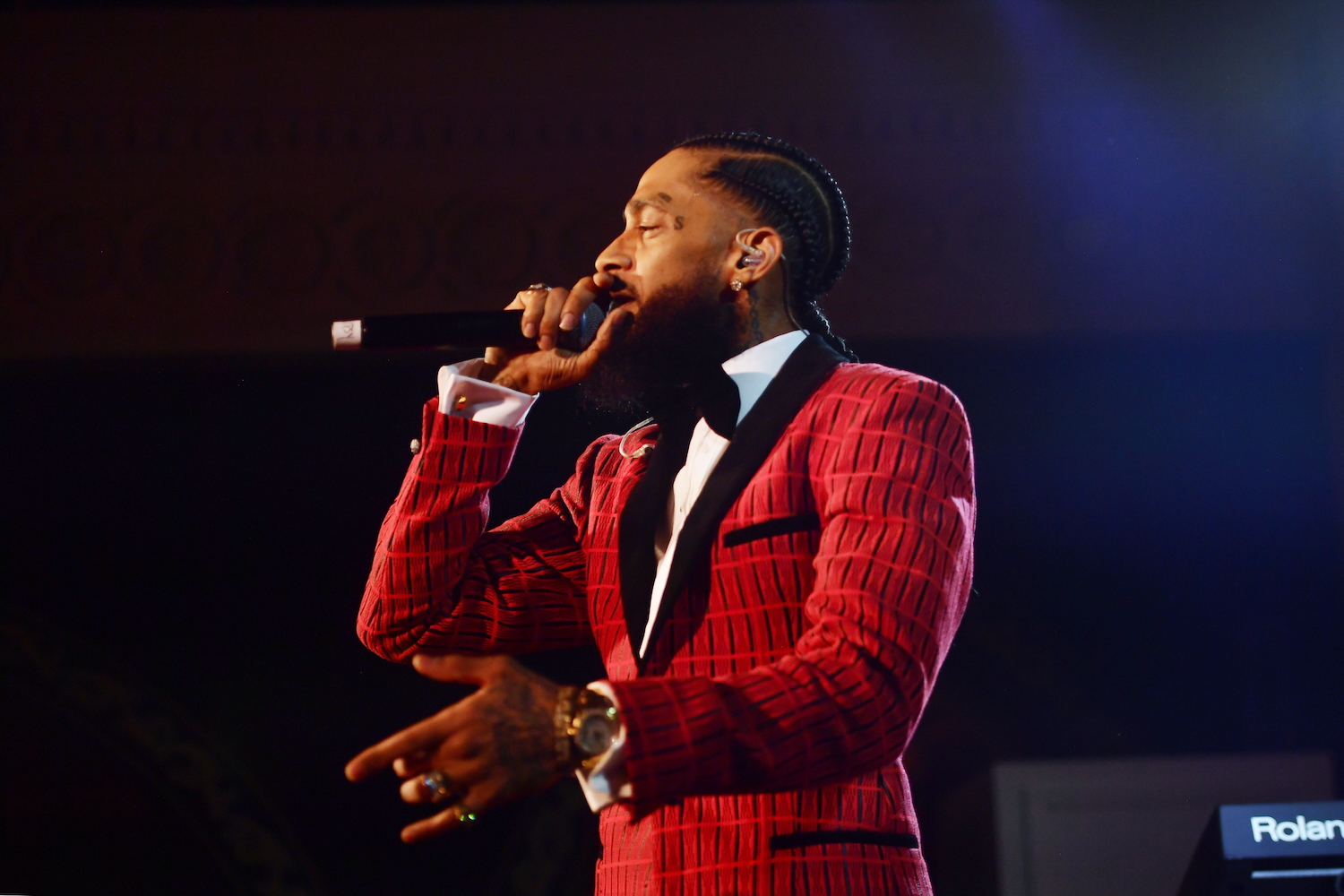
Seven years ago this month, the vibrant pulse of South Central Los Angeles was irrevocably altered with the tragic assassination of Ermias Joseph Asghedom, globally known as the rapper and philanthropist Nipsey Hussle. At the age of 33, Hussle was fatally shot on March 31, 2019, outside Marathon Clothing, the establishment he founded and cultivated into a symbol of community empowerment in the Hyde Park neighborhood. His untimely death sparked an immediate and profound outpouring of grief, extending far beyond the confines of the hip-hop community to touch civic leaders, entrepreneurs, and countless individuals inspired by his ethos of self-reliance and community reinvestment. In the wake of this tragedy, a grassroots movement quickly galvanized, culminating in a fervent petition to formally rename the intersection of Slauson Avenue and Crenshaw Boulevard—a nexus deeply intertwined with Hussle’s life and mission—to Nipsey Hussle Square. The Los Angeles City Council, recognizing the immense public sentiment and Hussle’s profound impact, signaled its intent to proceed with the renaming on the very day of his memorial service. That commitment, a testament to Hussle’s indelible mark, finally materialized into a tangible reality on a recent Saturday morning, marking a pivotal moment in the city’s recognition of one of its most revered sons.
A Chronology of a Legacy: From Tragedy to Civic Honor
The journey to the official designation of Nipsey Hussle Square is a narrative woven through grief, remembrance, and persistent advocacy. Nipsey Hussle’s death on March 31, 2019, sent shockwaves across Los Angeles and the world. The location of the shooting, outside his Marathon Clothing store at 3420 West Slauson Avenue, amplified the tragedy, as it was a place he had meticulously built to uplift his community. Within days of his passing, the demand for a permanent tribute began to coalesce. A Change.org petition, initiated by fans and community members, rapidly garnered hundreds of thousands of signatures, unequivocally demonstrating the public’s desire for lasting recognition. The petition specifically targeted the intersection of Slauson Avenue and Crenshaw Boulevard, an area that Hussle had frequently referenced in his music and dedicated his entrepreneurial efforts to revitalize.
The emotional weight of Hussle’s loss was palpable during his public memorial service on April 11, 2019, held at the then-Staples Center (now Crypto.com Arena). The event was a testament to his wide-ranging influence, drawing an estimated 21,000 attendees and featuring tributes from an eclectic mix of collaborators like Kendrick Lamar and YG, athletes such as Russell Westbrook, and a poignant letter from former President Barack Obama, read aloud by Karen Civil. It was during this period of collective mourning and celebration of his life that the Los Angeles City Council, led by Council President Marqueece Harris-Dawson, announced its intention to rename the iconic intersection. This swift governmental response underscored the extraordinary impact Hussle had made, transcending typical celebrity status to become a genuine civic leader.
The intervening years saw the Marathon Clothing store at the original location transformed into an unofficial memorial, a pilgrimage site for fans and a constant reminder of Hussle’s presence. While the business operations relocated to a different site, the original building continued to serve as a poignant landmark. The official process for renaming, involving various city departments and public consultations, unfolded over time, culminating in the recent unveiling. This timeline, from immediate tragedy to formalized honor, illustrates not only the bureaucratic process but also the sustained community resolve to enshrine Hussle’s legacy within the very fabric of the city he loved.
The Visionary Entrepreneur and Community Advocate
Nipsey Hussle’s impact extended far beyond his musical artistry. He was a profound advocate for economic empowerment, self-sufficiency, and community reinvestment, principles encapsulated in his mantra, "The Marathon Continues." Born and raised in the Crenshaw district, Hussle witnessed firsthand the socio-economic challenges facing his neighborhood, including cycles of poverty, limited opportunities, and the pervasive influence of gang culture. Rather than seeking escape, he chose to invest directly in his community, transforming his success in music into a platform for tangible change.
His entrepreneurial journey began with Marathon Clothing, not merely a retail outlet but a strategic asset designed to create jobs, provide a local commerce hub, and serve as a beacon of black ownership. Hussle was a pioneer in independent music distribution, famously selling his mixtape "Crenshaw" for $100 a copy in 2013, a move that garnered national attention and earned him an endorsement from Jay-Z, who reportedly bought 100 copies. This innovative approach highlighted his belief in direct-to-consumer models and the intrinsic value of his art.
Beyond retail, Hussle envisioned a broader economic ecosystem for South Central. He co-founded Vector90, a co-working space and STEM center situated in his neighborhood. The initiative aimed to bridge the gap between inner-city communities and Silicon Valley, providing local residents with access to technology, resources, and mentorship to cultivate their own entrepreneurial ventures. This was a direct response to the prevalent "brain drain" from underserved areas, seeking to retain and cultivate local talent. Hussle also invested in local real estate, purchasing the entire strip mall where Marathon Clothing was located. His long-term plan was to redevelop it into a mixed-use commercial and residential complex, further solidifying his commitment to sustainable economic growth within his community. His vision was not merely to accumulate wealth but to circulate it within his community, fostering a self-sustaining economic model that empowered residents to build generational wealth. This holistic approach to community development, blending cultural influence with strategic business acumen, set him apart as a truly transformative figure.
Crenshaw and Slauson: A Crossroads of Culture and Commerce
The intersection of Slauson Avenue and Crenshaw Boulevard holds profound historical and cultural significance in Los Angeles, particularly within the African American community. It has long been a vibrant commercial artery and a cultural landmark, representing the heart of Black Los Angeles. For generations, this crossroads has served as a gathering place, a hub for local businesses, and a symbol of community resilience.
Nipsey Hussle’s connection to Crenshaw and Slauson was deeply personal and strategic. It was the physical embodiment of his roots, the backdrop for his formative years, and the proving ground for his vision. His choice to establish Marathon Clothing precisely at this intersection was deliberate, a powerful statement of his commitment to investing in the very streets that shaped him. He often spoke of the importance of owning the block, not just operating on it, and the concept of "re-investing in your hood" was central to his philosophy. By placing his flagship store here, Hussle transformed a significant cultural landmark into an economic anchor, demonstrating the potential for local ownership and enterprise in underserved areas. The renaming of this particular intersection to Nipsey Hussle Square is therefore not merely an honorific gesture but a profound recognition of his deep, intrinsic connection to the geographical and cultural soul of South Central Los Angeles. It cements his legacy at the very nexus he sought to uplift, making his name synonymous with the community’s enduring spirit and aspirations.
Community’s Voice: The Petition and Official Endorsement
The movement to rename the intersection was a quintessential example of grassroots advocacy. Immediately following Hussle’s death, a torrent of grief and admiration converged into a unified call for action. The online petition quickly became a focal point, demonstrating the widespread and fervent desire for a permanent tribute. This digital outpouring was complemented by local conversations and community meetings, where residents articulated how Hussle’s life and work had personally touched them and inspired a new generation.
Los Angeles City Council President Marqueece Harris-Dawson, whose district encompasses the area, played a crucial role in championing the initiative. His early endorsement, made even before the formal funeral, signaled the city’s recognition of Hussle’s unique stature. The council’s decision to move forward with the renaming involved navigating various city protocols, including the Department of Public Works and the City Planning Department, to ensure compliance with urban planning regulations and community input guidelines. Public hearings and community outreach efforts were undertaken, where the overwhelming support for the proposal was consistently evident. This process underscored the democratic nature of civic recognition, demonstrating how a powerful community voice, when aligned with responsive leadership, can translate sentiment into lasting public memory. The renaming was not a top-down decree but a bottom-up demand, met with the full backing of the city’s legislative body.
The Unveiling Ceremony: A Day of Reflection and Celebration
The Saturday morning ceremony unveiling the new Nipsey Hussle Square sign was a powerful convergence of community, civic leadership, and the enduring spirit of the man being honored. The atmosphere was charged with a mixture of reverence, pride, and bittersweet remembrance. Hundreds of people gathered, representing various facets of Hussle’s life and the community he served. The crowd reflected the diverse tapestry of South Central LA—families, local business owners, fans, and long-time residents—all united in their respect for Nipsey Hussle.
Among the prominent figures present were Hussle’s brother, Blacc Sam, who has taken the helm as CEO of Marathon; his former partner, Lauren London, who shared deeply personal anecdotes; Los Angeles City Council President Marqueece Harris-Dawson, a consistent advocate for the renaming; councilmember Heather Hutt; and California State Assemblymember Isaac Bryan. Each speaker offered insights into Hussle’s character, his vision, and the profound impact he had on their lives and the broader community.
Blacc Sam articulated the depth of Hussle’s connection to the area, stating, "I think that everybody who knew Hussle knows that Hussle loved the area. Crenshaw and Slauson meant everything to bro. This corner has a lot of memories." His words resonated with the collective understanding of Hussle’s unwavering commitment to his roots. Lauren London delivered one of the most poignant moments of the ceremony, recalling a conversation from the early days of their relationship: "When me and Nip first started dating, we would drive by over here and he would be like, ‘You know, Boogie, one day, they’re gonna name this whole section after me.’ And here we are today." Her recollection served as a powerful testament to Hussle’s prescient vision and the realization of a dream he harbored long before his widespread fame. The unveiling itself, met with cheers and applause, was more than just the revealing of a street sign; it was a communal affirmation of Hussle’s prophecy and the permanent inscription of his legacy into the urban landscape. Photos and clips from the event circulated widely, capturing the emotion and significance of the historic occasion.
Broader Impact and Enduring Legacy
The renaming of Slauson and Crenshaw to Nipsey Hussle Square is a landmark moment, carrying significant implications for community pride, economic development, and the perpetuation of Hussle’s message. Symbolically, it transforms a crucial geographical point into a constant reminder of Hussle’s ethos of self-determination and reinvestment. For residents of South Central, it serves as a powerful source of pride, validating the contributions of a local hero who chose to uplift his community rather than abandon it. It sends a clear message to young people that success, particularly for those from marginalized communities, can be rooted in local engagement and a commitment to collective advancement.
Economically, the "Nipsey Hussle Square" designation is expected to further cement the area as a cultural and historical destination. This could potentially attract increased tourism, foster new local businesses, and stimulate economic activity, aligning with Hussle’s own vision for the revitalization of the commercial corridor. The square becomes a living monument to his entrepreneurial spirit, inspiring future generations of local business owners and innovators.
Beyond the square, Nipsey Hussle’s posthumous honors have continued to accumulate, reflecting the breadth of his influence. His collaboration with Roddy Ricch and Hit-Boy on "Racks In The Middle" earned him his first Grammy Award posthumously in 2020, a testament to his musical impact. He has also been honored with a star on the Hollywood Walk of Fame, a distinguished recognition of his cultural contributions. Furthermore, a Metro station near his neighborhood was renamed in his honor, and the city of Los Angeles dedicated a specific "Nipsey Hussle Day," solidifying his place in the city’s civic calendar. These various accolades collectively underscore the profound and multifaceted legacy he left behind, transcending music to impact civic life, entrepreneurship, and community development.
Justice and Remembrance
While the community continues to celebrate Nipsey Hussle’s life and legacy, the shadow of his tragic death remains. His killer, Eric R. Holder Jr., was found guilty of first-degree murder in July 2022 and subsequently sentenced to a substantial 60-year jail term. The legal closure, though it cannot bring Hussle back, provides a measure of justice for his family and the community, allowing them to focus on healing and the positive perpetuation of his vision. The establishment of Nipsey Hussle Square, alongside his other posthumous honors, serves as a powerful counter-narrative to the violence that ended his life, emphasizing the enduring power of his positive contributions and the community’s unwavering commitment to his memory. It ensures that while the pain of his loss lingers, his name will forever be associated with progress, perseverance, and the undying spirit of the Marathon.