

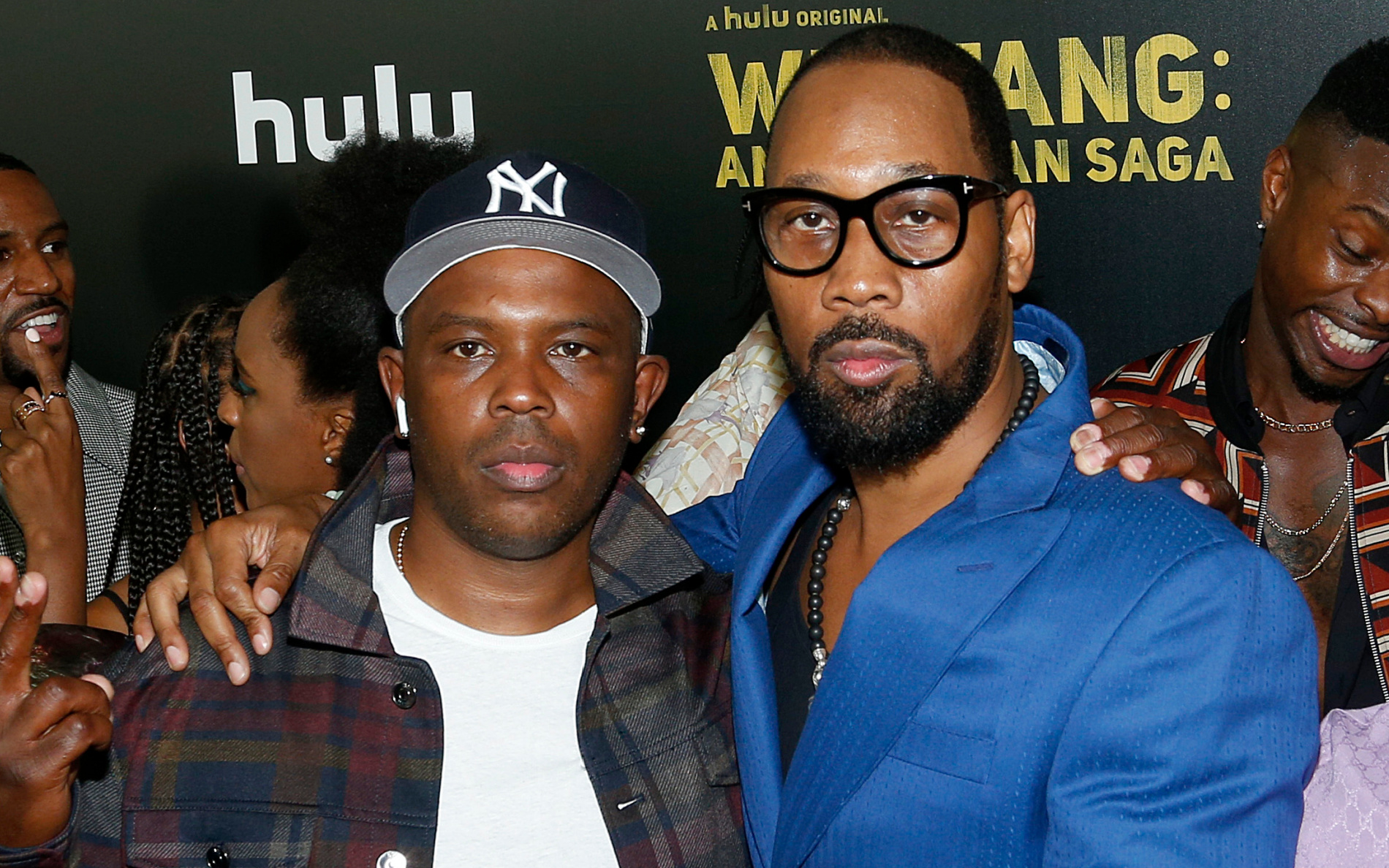
Oliver "Power" Grant, the astute business mind and foundational force behind the iconic Wu-Tang Clan, has passed away at the age of 52. The news of Grant’s death was confirmed on Tuesday, February 24, sending ripples of grief through the hip-hop community. While the cause of death has not been publicly disclosed, tributes from Wu-Tang members and prominent figures in the music industry have flooded social media platforms, painting a portrait of a man whose influence extended far beyond the sonic landscape of the legendary Staten Island collective.
A Pillar of the Wu-Tang Dynasty
Grant’s passing marks the end of an era for the Wu-Tang Clan, a group that redefined not only hip-hop but also the business model of artist-driven entrepreneurship. As a childhood friend of RZA, the group’s principal architect, Grant was instrumental in transforming the raw talent and potent lyrical narratives of the Wu-Tang members into a global cultural phenomenon. His strategic vision and unwavering dedication were crucial in laying the groundwork for the group’s enduring legacy.
His role was not merely that of a manager; Grant was a true visionary, understanding early on the symbiotic relationship between music, fashion, and broader cultural impact. Alongside RZA’s brother, Mitchell "Divine" Diggs, Grant made significant early investments in the nascent Staten Island collective. This financial backing was critical for the production and marketing of foundational Wu-Tang anthems such as "Protect Ya Neck" and "Method Man," tracks that would catapult the group into the mainstream consciousness.
Grant’s most enduring and lucrative contribution, however, was the creation of Wu Wear. Launched in the mid-1990s, Wu Wear wasn’t just a clothing line; it was a groundbreaking testament to artist ownership and brand building. At a time when hip-hop artists were often exploited by labels, Grant envisioned a powerful avenue for the Wu-Tang Clan to control their image and capitalize on their burgeoning popularity. Wu Wear quickly became one of hip-hop’s first highly successful artist-owned streetwear brands, demonstrating a prescient understanding of the power of merging music with fashion. This venture not only generated significant revenue but also set a precedent for countless artists who followed, fundamentally reshaping the business of hip-hop and establishing a new paradigm for artist entrepreneurship.
Tributes from the Wu-Tang Family and Beyond
The outpouring of grief following the announcement of Grant’s death has been a testament to his profound impact. Members of the Wu-Tang Clan have shared poignant messages, reflecting their deep personal connections and acknowledging his indispensable role in their collective journey.
Method Man took to Instagram, sharing a candid photograph of himself and Grant, accompanied by an emotional caption: "Paradise my Brother safe Travels!! [broken heart emojis] [angry face emoji] #pookie #power Bruh I am not ok .. [raincloud emoji]." This message conveyed the raw pain and disbelief felt by many who knew Grant personally.
RZA, the mastermind behind the Wu-Tang sound, expressed his sorrow through a symbolic black square post on Instagram, set to the somber melody of Boyz II Men’s "It’s So Hard to Say Goodbye to Yesterday." His caption, "5 – a nod to the Five-Percent Nation’s Supreme Mathematics which inspired Power’s nickname – conveyed a spiritual connection and a profound sense of loss. He further articulated his grief with the words, "POWER we been everywhere …. now you everywhere ! [crying face emoji] [prayer emoji] the most high is merciful love you."
Raekwon, another pivotal member of the Wu-Tang Clan, echoed these sentiments, sharing his personal reflections on Grant’s omnipresent influence: "POWER we been everywhere …. now you everywhere ! [crying face emoji] [prayer emoji] the most high is merciful love you."
The impact of Grant’s work resonated beyond the immediate Wu-Tang circle. Hip-hop artist Cam’ron also paid homage via Instagram, writing, "Damn man!! [crying emojis] [prayer emojis] thank you for everything legend @wutangbrand."
DJ Premier, a legendary figure in hip-hop production, eulogized Grant with heartfelt words alongside a photograph of the two: "You certified a worldwide movement. A PIONEER for The Culture… WU-TANG IS FOREVER… I had some fun times touring with you and our mutual connections kept us in touch. May the universe welcome you with open arms. Thank you for your iconic contributions. Condolences to the entire WU family. Rest Easy Oliver ‘POWER’ Grant. Love You Brother."
Music executive Steve Rifkind, who was instrumental in signing the Wu-Tang Clan to Loud Records in the early ’90s, shared a deeply personal tribute: "Power I can’t believe this. We met in May of 1993 and have been brothers since. The laughs the cries we traveled the world together. Strongest Handshake and Hug anybody can give. I’m at loss of words keep on looking over us the way you always looked out for all of us when you were here. My condolences to you and your family and the WuTang Family just remember we made History. Going to miss you like crazy rest in peace. #wutangforever."
The Genesis of a Hip-Hop Empire
Oliver "Power" Grant’s journey with the Wu-Tang Clan began in the gritty streets of Staten Island. Recognizing the unique synergy and raw talent within the group, he, alongside RZA and Divine, embarked on a mission to build a business structure that would empower the artists. Their early strategies were characterized by ingenuity and a deep understanding of the cultural landscape.
Grant’s philosophy was rooted in the belief that artists should have ownership and control over their creative output and its commercialization. This ethos was a radical departure from the prevailing industry norms of the time, where artists often signed unfavorable deals that left them with minimal compensation and creative autonomy.
In a 2011 interview with Passion of the Weiss, Grant reflected on the challenges and triumphs of this pioneering approach: "Wu Wear was pretty much like our entry in the fashion biz, but before I was in Wu Wear, I was making and marketing the first Wu records with RZA. Everything that we learned was hard knock life. You figure it out as you go along and take cues from those that are actively doing things." He further emphasized the lack of established models: "A lot of it was trial and error. There were no models."
This "hard knock life" approach meant that Grant and the Wu-Tang team were constantly innovating, learning from their experiences, and adapting to an ever-evolving industry. Their success with Wu Wear was not just a financial windfall; it was a powerful statement about the potential for artists to build independent empires. The brand became a symbol of Wu-Tang’s authenticity and resilience, resonating with fans who identified with their street-level ethos and aspirational narrative.
A Legacy of Innovation and Influence
The entrepreneurial spirit embodied by Oliver "Power" Grant extended far beyond Wu Wear. He was a key figure in shaping the Wu-Tang Clan’s broader business strategy, including their innovative approach to licensing and merchandising. This allowed the group to maintain a strong presence across various media platforms, solidifying their status as a multifaceted cultural force.
Grant’s vision helped to solidify the Wu-Tang Clan’s reputation not just as musical innovators but as astute business strategists. Their approach to independent ownership and brand building served as a blueprint for numerous artists and groups in subsequent years, demonstrating the power of controlling one’s narrative and economic destiny within the music industry. The impact of this model can be seen in the rise of artist-led labels, independent clothing lines, and diversified entertainment ventures that are commonplace today.
The early days of Wu-Tang were marked by a collective determination to break free from traditional industry constraints. Grant was at the forefront of this movement, ensuring that the group’s artistic integrity was matched by a robust business foundation. His ability to foresee market trends and translate them into tangible opportunities was a critical factor in the Wu-Tang Clan’s sustained success and cultural relevance over several decades.
The integration of music, fashion, and multimedia was a concept that Grant championed long before it became a mainstream strategy. His understanding of how these elements could coalesce to create a powerful brand identity was revolutionary. This holistic approach ensured that the Wu-Tang Clan’s influence was felt not only on the airwaves but also in streetwear culture, on screen, and in the broader cultural conversation.
A Pioneer’s Enduring Impact
Oliver "Power" Grant’s passing is a significant loss to the hip-hop community and the entertainment industry at large. His pioneering work in artist-driven entrepreneurship and brand building laid the foundation for a more equitable and artist-empowered music business. The success of Wu Wear, a brand that transcended its musical origins to become a cultural touchstone, stands as a testament to his foresight and business acumen.
The enduring legacy of Oliver "Power" Grant is woven into the fabric of the Wu-Tang Clan’s unparalleled success. He was more than just a business associate; he was a trusted confidant, a strategic partner, and a brother to many within the Wu-Tang family. His vision helped to secure the group’s financial independence and creative control, allowing them to produce some of the most influential music in hip-hop history.
As the tributes continue to pour in, it is clear that Oliver "Power" Grant’s contributions will be remembered and celebrated for generations to come. He demonstrated that with vision, determination, and a commitment to artist ownership, it is possible to build an empire that stands the test of time.
HipHopDX extends its deepest condolences to Oliver "Power" Grant’s family, friends, and the entire Wu-Tang Clan. His memory and his indelible impact on hip-hop culture will undoubtedly live on.