

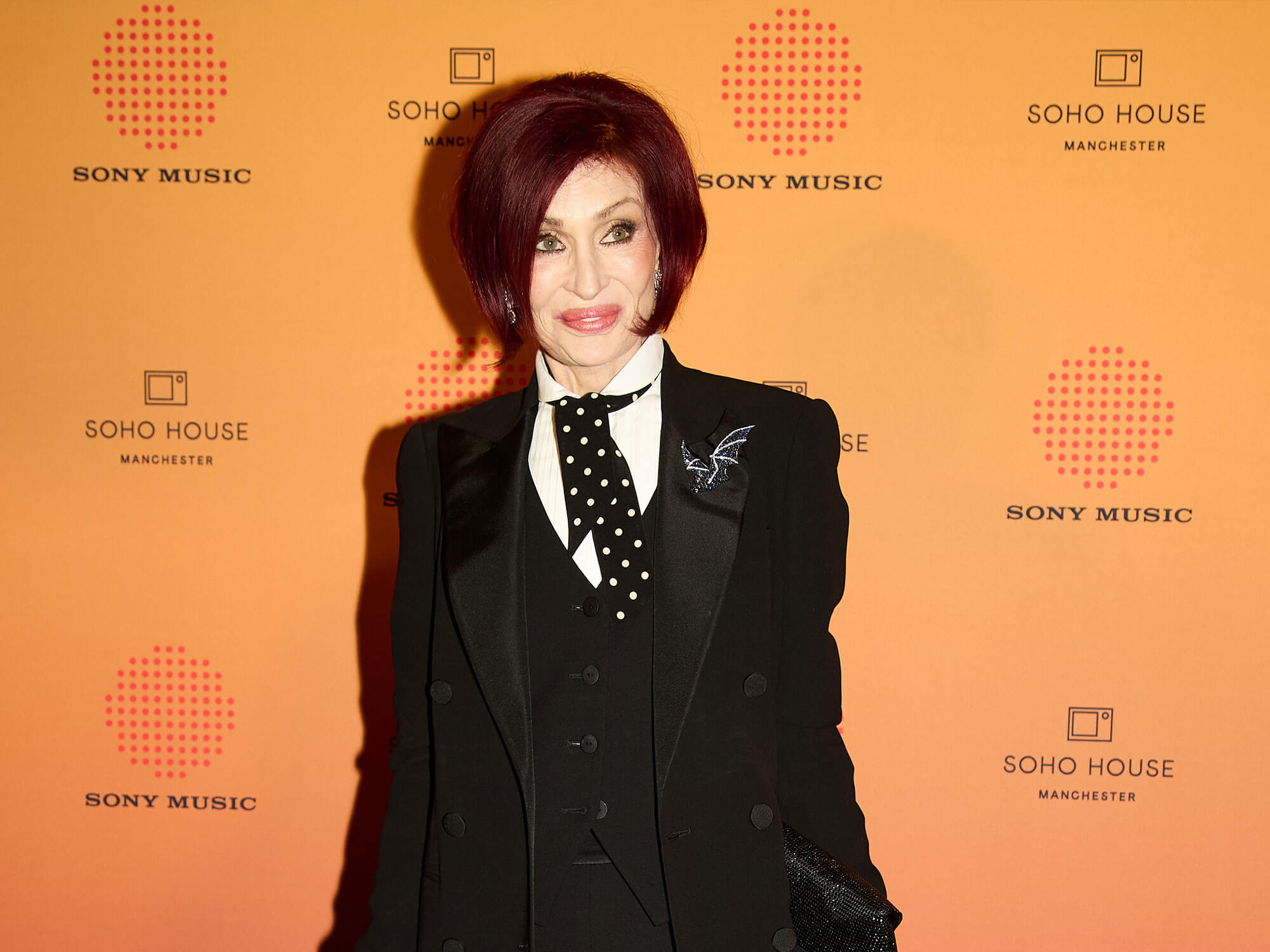
The legendary Ozzfest, a cornerstone of the heavy metal and hard rock festival circuit, is set to make its highly anticipated return in 2027. Sharon Osbourne, the festival’s co-founder and driving force, recently confirmed the revival, putting an end to months of speculation and igniting excitement across the global metal community. This announcement signals not just the return of a beloved event, but potentially a new chapter for the festival, with promises of genre diversification and a continued commitment to nurturing emerging talent.
Confirmation from the Matriarch of Metal
The definitive confirmation arrived during Sharon Osbourne’s appearance on the RIFFX podcast. When directly questioned about the prospect of Ozzfest’s return in 2027, Osbourne responded with an emphatic, "Yes, absolutely — we’re gonna do it." This unequivocal statement follows hints she dropped in a January Billboard interview, where she revealed ongoing discussions with Live Nation regarding the festival’s future. The confirmation solidifies plans for what is expected to be a monumental comeback, reigniting a brand synonymous with heavy music culture for over two decades.
The Genesis of a Metal Phenomenon: A Legacy Forged in Defiance
Ozzfest’s origins are rooted in a tale of defiance and entrepreneurial spirit. First launched in 1996, the festival was famously conceived by Sharon Osbourne after the mainstream Lollapalooza festival refused to book Ozzy Osbourne, deeming him "too metal" for their lineup. This snub proved to be a pivotal moment, catalyzing Sharon’s vision to create an alternative platform specifically tailored for the burgeoning metal and hard rock scene. Her determination to carve out a space where heavy music could thrive independently led to the birth of Ozzfest, which quickly distinguished itself as a crucial event for fans and bands alike.
From its inception, Ozzfest aimed to be more than just a series of concerts; it was designed as a cultural phenomenon, a "summer camp for kids" as Sharon described it, where new talent could share the stage with established legends. This ethos of supporting up-and-coming artists became a hallmark of the festival, providing early exposure for bands that would go on to define generations, including the likes of Korn, Limp Bizkit, Slipknot, System of a Down, and Marilyn Manson, among many others. The festival’s eclectic lineups, spanning from nu-metal to dark gothic metal, offered a comprehensive snapshot of the genre’s diverse landscape, attracting hundreds of thousands of attendees annually.
A Chronology of Ozzfest: From Dominance to Hiatus
Ozzfest enjoyed a dominant run from 1996 to 2008, establishing itself as the premier touring metal festival in North America. During this period, it became an essential pilgrimage for metalheads, offering an unparalleled experience with its two-stage format, diverse acts, and often affordable ticket prices. The festival’s influence during the late 1990s and early 2000s was instrumental in popularizing nu-metal and bringing various subgenres of heavy music into the mainstream consciousness. Bands often credited Ozzfest with breaking them into larger audiences and solidifying their careers.
Following its initial successful run, Ozzfest experienced a period of sporadic activity. The annual touring format ceased in 2008, largely due to shifting music industry dynamics and economic challenges that impacted many large-scale touring festivals. However, the brand remained potent, leading to several one-off events and mini-festivals. Notable among these were a series of annual events between 2015 and 2018, which aimed to recapture the festival’s former glory. These included Ozzfest Meets Knotfest, a collaborative event with Slipknot’s own festival, which showcased a potent blend of classic and contemporary metal.
The planned continuation of this revival was unexpectedly halted after the 2018 event at the Forum in Los Angeles. Sharon Osbourne revealed that there were "no plans to stop it" at that point. "It was just a month before Ozzy got sick," she explained, referring to the Prince of Darkness’s severe health issues, including a fall in 2019 that exacerbated injuries from a 2003 ATV accident and led to a diagnosis of Parkinson’s disease. These health challenges forced Ozzy to curtail his touring and live performances, inadvertently pausing the Ozzfest revival efforts.
Ozzy’s Endorsement: A Brand That Transcends Its Namesake
Despite his personal health struggles, Ozzy Osbourne remained deeply invested in the legacy of Ozzfest. Sharon recounted poignant conversations with her husband about the festival’s future. "Ozzy and I would talk about it, and he’d say, ‘Do you think Ozzfest would work without me?’" she recalled. Sharon’s unwavering belief in the festival’s enduring power as a brand was clear: "’Yeah, it’s a brand. It will work without you.’ And he said, ‘We should do it!’" This conversation highlights Ozzy’s selfless dedication to the metal community and his desire to see the festival continue its mission, even if he couldn’t personally headline every iteration. It underscores the powerful identity Ozzfest has forged, one that extends beyond the immediate presence of its namesake.
This sentiment resonates deeply with the festival’s original purpose. Ozzy Osbourne himself was passionate about "giving young talent a stage in front of a lot of people," as Sharon articulated in her Billboard interview. The festival was envisioned as a crucible for new bands, a stark contrast to more established festivals that often prioritized mainstream acts. This commitment to discovery and mentorship is a core part of Ozzfest’s DNA, and its continuation, even without Ozzy at the helm, ensures this legacy endures.
Sharon Osbourne’s Vision for the Future: Expanding Horizons
Looking ahead to 2027, Sharon Osbourne has outlined an ambitious vision for the revived Ozzfest, one that includes a conscious effort to "mix up the genres." This strategic move suggests a potential evolution for the festival, broadening its appeal beyond traditional metal purists while still honoring its roots. In a rapidly diversifying music landscape, incorporating new flavors could attract a wider audience and introduce the Ozzfest brand to a new generation of music fans. This could involve integrating elements of hard rock, alternative rock, industrial, or even heavier electronic acts, creating a more contemporary and dynamic festival experience.
Sharon’s creative control and deep understanding of the festival’s identity are key to this evolution. She proudly stated, "All of the creative direction for visuals at Ozzfest was mine." Despite her self-deprecating comment about being "tone-deaf," her creative instincts have consistently guided the festival’s aesthetic and experiential elements, ensuring a distinct and memorable atmosphere. Her hands-on approach guarantees that the revived Ozzfest will maintain its unique character while embracing new artistic directions. This commitment to innovation, coupled with a respect for tradition, positions the 2027 return as a pivotal moment for the festival.
The Business Landscape: Live Nation and the Festival Ecosystem
The partnership with Live Nation, a global leader in live entertainment, is a crucial component of Ozzfest’s return. Live Nation’s extensive network, logistical capabilities, and marketing prowess provide a robust framework for mounting a large-scale festival in 2027. Their involvement suggests a significant investment in the Ozzfest brand and its potential to thrive in the current festival market. Live Nation operates some of the world’s largest and most successful festivals, including Download Festival, Rock am Ring, and Reading & Leeds, among others. Their expertise will be invaluable in navigating the complexities of festival production, artist bookings, and audience engagement.
The festival market itself has evolved significantly since Ozzfest’s heyday. While traditional multi-day, multi-genre festivals like Coachella and Lollapalooza continue to dominate, there’s also a strong appetite for genre-specific events and curated experiences. Festivals such as Knotfest (Slipknot’s own creation), Wacken Open Air in Germany, and Hellfest in France demonstrate the continued demand for heavy music gatherings. Ozzfest’s return will re-enter a competitive landscape, but its established brand recognition and historical significance give it a unique advantage. The challenge will be to balance its legacy with the demands of a modern audience and the potential for genre expansion.
Implications for the Metal Community and Beyond
The confirmation of Ozzfest 2027 carries significant implications for the heavy metal community. For fans, it represents the return of a beloved institution, a pilgrimage site for headbangers and a platform for experiencing both legendary acts and emerging talent. The anticipation for lineup announcements will undoubtedly be immense, as fans speculate on which bands will grace the iconic stages.
For artists, particularly those in the metal and hard rock genres, a revived Ozzfest offers a vital stage. In an era where streaming dominates music consumption, live performances and festival appearances are more crucial than ever for career development and fan engagement. Ozzfest’s historic role in breaking new bands means its return could once again serve as a launchpad for the next generation of heavy music artists. The "summer camp" atmosphere Sharon described, where bands mingled and formed connections, could be rekindled, fostering a sense of community that is often unique to the metal scene.
Beyond the immediate metal community, Ozzfest’s return could also impact the broader music industry. Its potential for genre diversification could introduce new audiences to heavier music, blurring lines and challenging conventional genre classifications. It also reinforces the enduring power of legacy brands in the entertainment world, demonstrating that iconic festivals, when helmed by visionary leaders, can adapt and thrive across different eras. The festival’s ability to evolve while retaining its core identity will be a key factor in its long-term success.
Looking Ahead to 2027: A New Chapter for a Metal Institution
As 2027 approaches, the excitement surrounding Ozzfest’s revival will only intensify. The festival’s rich history, its role in shaping the landscape of heavy music, and the unwavering dedication of its co-founder Sharon Osbourne set the stage for what promises to be a memorable return. With a clear vision for genre diversification and a renewed commitment to nurturing new talent, Ozzfest is poised to reclaim its position as a vital force in the global music festival circuit. The "Prince of Darkness" may not be headlining every show, but his spirit and blessing will undoubtedly reverberate through every chord struck and every roar from the crowd, ensuring Ozzfest remains a celebrated institution for years to come.