

The world-renowned Teatro alla Scala in Milan has successfully completed a comprehensive modernization of its backstage communication infrastructure, partnering with Riedel Communications to deploy an advanced, unified intercom ecosystem. This large-scale integration, built upon the Bolero wireless intercom system alongside NSA, RiFace, and PunQtum technologies, represents a significant technological leap for one of the most prestigious opera houses in the world. By replacing a fragmented legacy network with a seamless, real-time coordination platform, the Fondazione Teatro alla Scala has established a new global benchmark for operational excellence in high-stakes live performance environments.
A Legacy of Excellence Meets Modern Technical Demands
Founded in 1778, the Teatro alla Scala is not merely a theater but a cultural institution where the highest standards of artistic precision are mandatory. The complexity of modern operatic and balletic productions, which often involve hundreds of performers, intricate stage machinery, and sophisticated lighting and audio-video designs, requires a communication system that is both infallible and flexible. Prior to the implementation of the Riedel solution, the venue relied on a disparate collection of communication tools that struggled to bridge the gaps between various technical departments.
The architectural layout of the historic opera house presented a formidable challenge for any wireless communication system. With its massive stone walls, intricate network of backstage corridors, multi-level stage towers, and underground areas like the orchestra pit, the building was prone to signal "dead zones." Furthermore, the high concentration of electronic equipment in the control booths and streaming suites created a dense radio frequency (RF) environment where interference was a constant risk. The need for a unified system that could penetrate these physical barriers while maintaining crystal-clear audio quality was the primary driver for the collaboration with Riedel.
The Technical Core: Bolero and the Integrated Ecosystem
At the heart of the new infrastructure is the Riedel Bolero wireless intercom system. Recognized in the industry for its Advanced DECT Receiver (ADR) technology, Bolero provides a robust and high-clarity communication link that thrives in reflective RF environments—exactly the kind of environment found within the historic masonry of La Scala. The system’s ability to handle high user density while maintaining low latency ensures that stage managers and technicians can communicate instantaneously, which is critical during complex scene changes or live broadcasts.
To ensure a truly unified workflow, the Bolero system was augmented with several key components:
- RiFace Integration: This interface bridges the Bolero wireless network with the theater’s existing UHF radio channels. Specifically, it supports 45 UHF channels used by the rigging and fly-tower crews, allowing them to remain on their specialized equipment while staying in the loop with the broader production team.
- NSA (Network Stream Adapters): These units facilitate the seamless flow of audio between the Riedel environment and third-party systems used by the audio-video streaming teams. This interoperability is essential for the theater’s "LaScala.tv" streaming platform, which broadcasts performances to a global audience.
- PunQtum Digital Partyline: In areas where additional flexibility or wired connections were required, PunQtum devices were integrated. This allows for easy expansion of the network without the need for complex reconfiguration, providing a cost-effective way to scale the system for particularly large productions.
Implementation Chronology and the "Moment of Truth"
The transition to the Riedel system was planned to minimize disruption to the theater’s rigorous rehearsal and performance schedule. The implementation phase involved strategically placing Bolero antennas throughout the facility—from the depths of the orchestra pit to the highest reaches of the stage tower and into the public foyers and the museum.
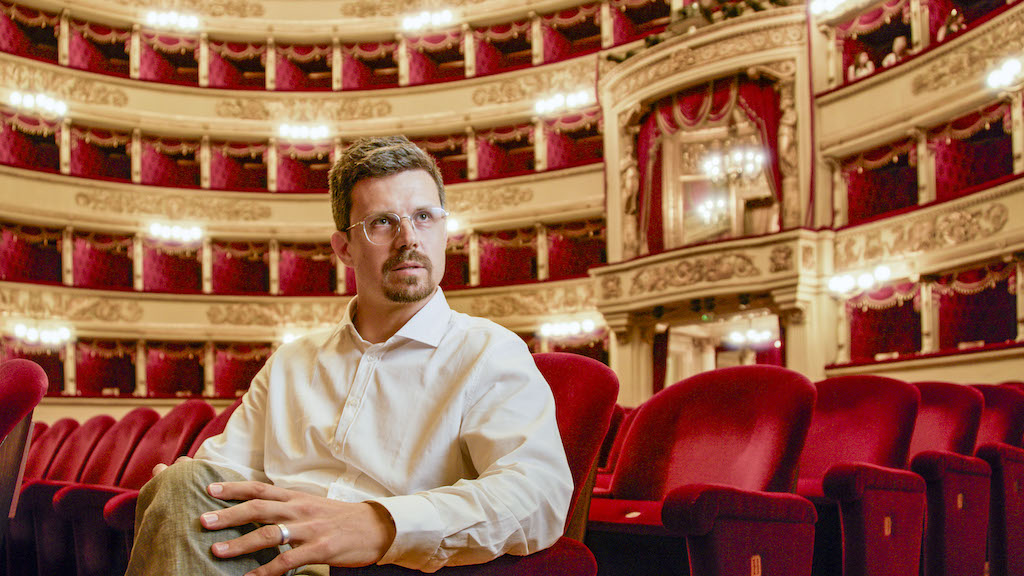
A pivotal moment in the project occurred during a high-pressure rehearsal session. Marco Schretter, Head of Audio-Video-Streaming at Teatro alla Scala, noted that Bolero beltpacks were distributed to various teams, many of whom had never operated the equipment before. Despite the lack of formal training, the rehearsal proceeded without a single communication failure. The intuitive nature of the hardware—featuring high-contrast displays and ergonomic controls—allowed the crew to focus on the performance rather than the technology. This immediate success confirmed that the system was not just a technical upgrade but a transformative tool for the backstage staff.
Quantifiable Improvements in Operational Efficiency
The deployment of the unified Riedel platform has yielded immediate and measurable benefits for the Fondazione Teatro alla Scala. One of the most significant impacts has been the optimization of personnel movement. In the past, the lack of reliable wireless coverage often required staff to move physically between locations to relay messages or confirm cues. With the comprehensive coverage provided by Bolero, teams can now remain at their stations, whether they are in the lighting booth, the sound gallery, or the backstage assembly areas.
The reliability of the system has also translated into direct cost savings. By reducing the frequency of "emergency repairs" and the need for temporary communication rentals for larger shows, the theater has lowered its long-term operational expenditures. The unified architecture simplifies the equipment inventory, reducing the overhead associated with maintaining multiple incompatible systems. Furthermore, the longevity of the Riedel hardware, backed by a Riedel Care Service Level Agreement, ensures that the theater’s investment is protected against obsolescence and technical failure for years to come.
Official Responses and Strategic Vision
The leadership at both Teatro alla Scala and Riedel Communications has expressed profound satisfaction with the outcome of the project. Marco Schretter emphasized that Bolero has become a "new backstage performer," contributing to the precision and elegance that the world expects from La Scala. He highlighted how the system allows for the deployment of smaller, more agile teams in different locations while maintaining a constant, high-quality connection.
Giuseppe Angilello, Regional Sales Manager for Italy at Riedel Communications, viewed the project as a testament to the versatility of the Bolero platform. He noted that supporting an institution as prestigious as La Scala is a point of pride for the company. According to Angilello, the project serves as a blueprint for other historic theaters and production houses worldwide that are looking to modernize their infrastructure without compromising the architectural integrity of their venues. The partnership between Riedel and the Scala team is built on a foundation of mutual excellence, ensuring that the technical support matches the artistic caliber of the performances.

Broader Implications for the Global Performing Arts Sector
The successful integration at Teatro alla Scala signals a broader trend in the performing arts industry: the shift toward IP-based, decentralized communication networks. As theaters increasingly embrace digital streaming and complex multimedia elements, the traditional "analog" approach to backstage management is no longer sufficient.
The use of AES67-compliant systems like Bolero allows for greater scalability and easier integration with modern digital audio consoles and video routers. This project demonstrates that even the most traditional venues can adopt cutting-edge technology to enhance their workflows. For the global theater community, the La Scala implementation proves that robust, scalable, and user-friendly communication is not just a luxury but a necessity for maintaining the safety of the crew and the quality of the production.
Future-Proofing a Cultural Icon
Looking ahead, the Riedel infrastructure provides Teatro alla Scala with a foundation for future growth. The system is inherently scalable; as new areas of the theater are renovated or as production requirements evolve, additional antennas and beltpacks can be added to the existing network with minimal effort. The interoperability provided by the NSA and RiFace units ensures that as third-party technologies change, the core communication backbone remains stable.
In an era where the "behind-the-scenes" elements of a production are as complex as the performance itself, the Fondazione Teatro alla Scala has ensured that its technical capabilities remain at the vanguard of the industry. Through this partnership with Riedel, the "Grand Dame" of opera houses has not only preserved its storied history but has also secured its technological future, ensuring that every "curtain up" is executed with the flawless precision that has defined the venue for over two centuries.