

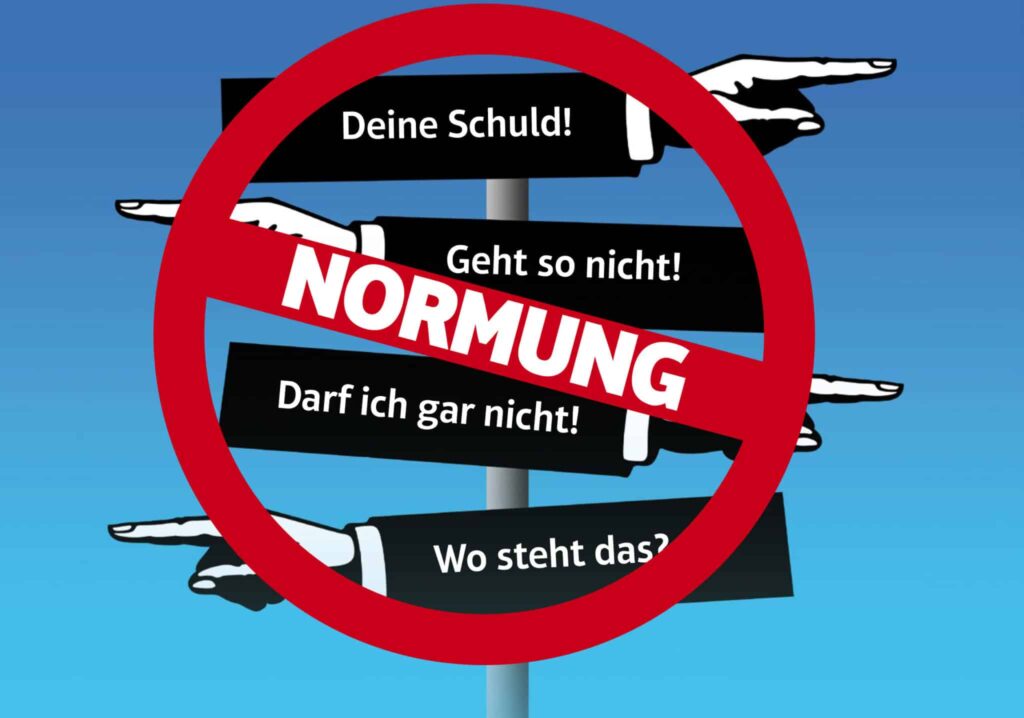
The invisible scaffolding of the modern event industry is built upon a foundation of norms, technical standards, and safety regulations. These frameworks do more than merely govern daily operations; they define responsibilities, prevent catastrophic failures, and provide a common language for professionals operating in high-stakes environments. However, as the event industry navigates a period of profound demographic transition and skilled labor shortages, the very committees responsible for maintaining this scaffolding are facing a crisis of participation. The "baby boomer" generation, which has historically provided the backbone of technical expertise in standardization bodies, is rapidly approaching retirement. They are followed by the "Pillenknick" generation—the birth rate drop of the 1960s and 70s—which has resulted in a smaller pool of successors. This thinning of expert ranks is now reflecting in the world of technical rules, threatening the industry’s ability to self-regulate and adapt to new technologies.
The application of standards such as those provided by the German Institute for Standardization (DIN) or the Association for Electrical, Electronic & Information Technologies (VDE) is often taken for granted. Professionals frequently debate the necessity or the scope of these rules, sometimes with significant emotion, yet few stop to consider the human element behind the text. Standards are not dictated from a vacuum; they are the result of collaborative efforts by industry peers who contribute their time and expertise to ensure that regulations remain practical, safe, and relevant. This work is largely voluntary and often unthanked. Within organizations like DIN, contributors do not receive financial compensation for their labor; in fact, they often do not even receive a complimentary copy of the final document they helped draft. The current shortage of personnel in production companies is now bleeding into these committees, making it increasingly difficult to recruit the next generation of experts to shape the rules of their own trade.
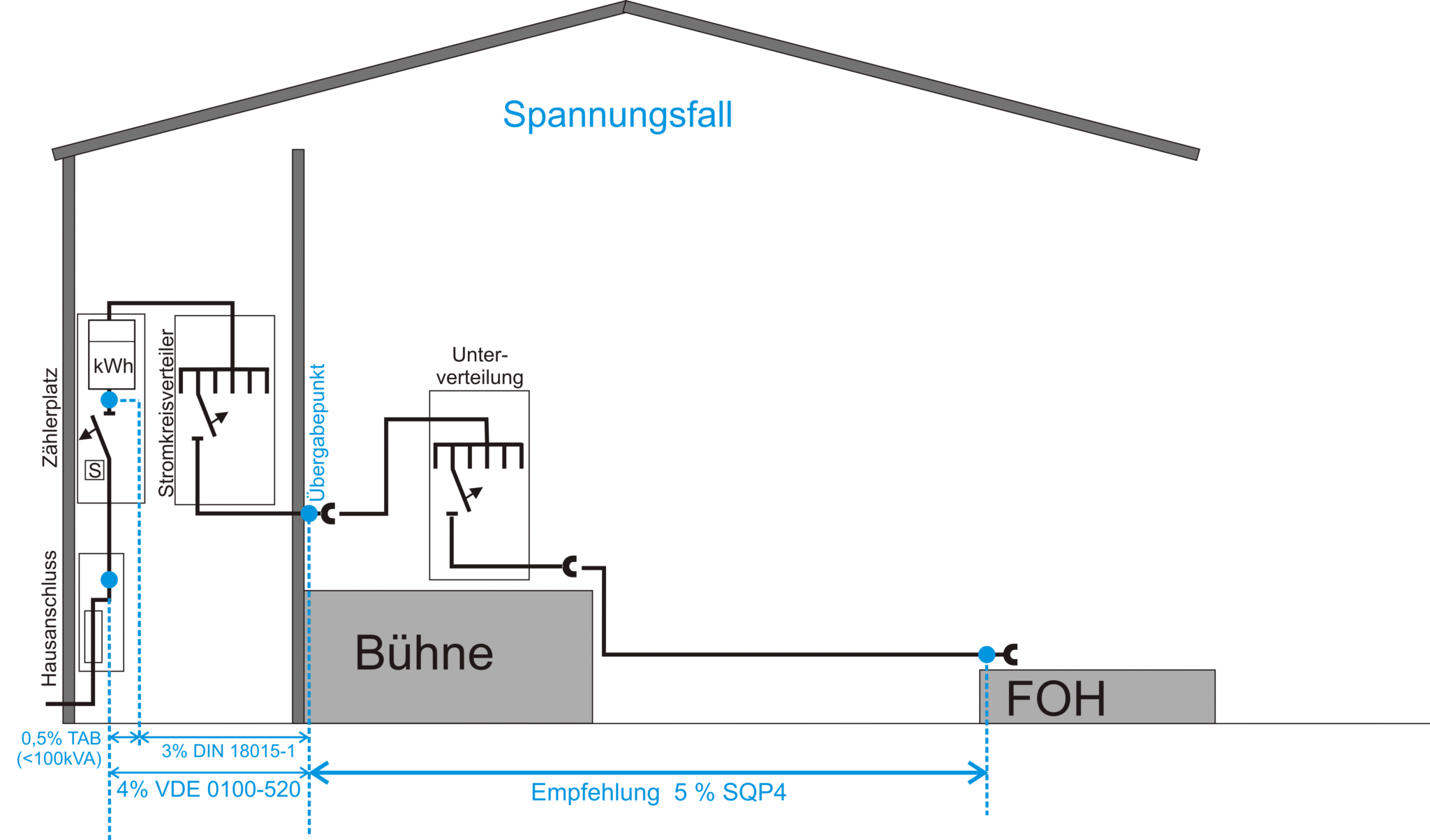
The importance of proactive involvement in these regulatory bodies is best illustrated through the evolution of specific technical requirements, such as the regulation of voltage drop in temporary electrical systems. Historically, a general 3% voltage drop was the accepted maximum in West German event technology. This figure originated in an era before "event technician" was a recognized profession, when theaters and production houses were staffed by traditionally trained electricians. The 3% threshold was largely borrowed from DIN 18015-1, which governs residential installations from the meter to the socket, or from the Low Voltage Connection Ordinance (NAV §13). However, these standards were never intended to address the unique demands of large-scale, temporary event distributions.
Through the efforts of the VPLT (Association for Media and Event Technology) and the broader IGVW (Interest Group for the Event Industry), the industry began to define its own parameters. The development of the SQP4 standard for "Mobile Electrical Systems in Event Technology" represented a landmark shift. For the first time, the industry established a 5% voltage drop as a defined value for distribution points behind the house connection. This adjustment was not arbitrary; it was a practical response to the realities of temporary power distribution over long distances, made possible because industry experts participated in the standard-setting process. This standard is now available as a free resource, serving as a testament to the power of industry-led self-regulation.
The necessity of vigilance in the face of broader legislative movements was further highlighted during the revision of the European Union’s Ecodesign Directive (Regulation No. 2019/2020). This directive was aimed at improving the environmental footprint of energy-related products, with a particular focus on eliminating "planned obsolescence" in consumer goods, such as LED lighting integrated into bathroom cabinets that cannot be replaced without discarding the entire unit. The Dutch energy consultancy tasked with drafting the revision, influenced by the fallout of the Volkswagen emissions scandal, sought to close all potential loopholes for manufacturers.
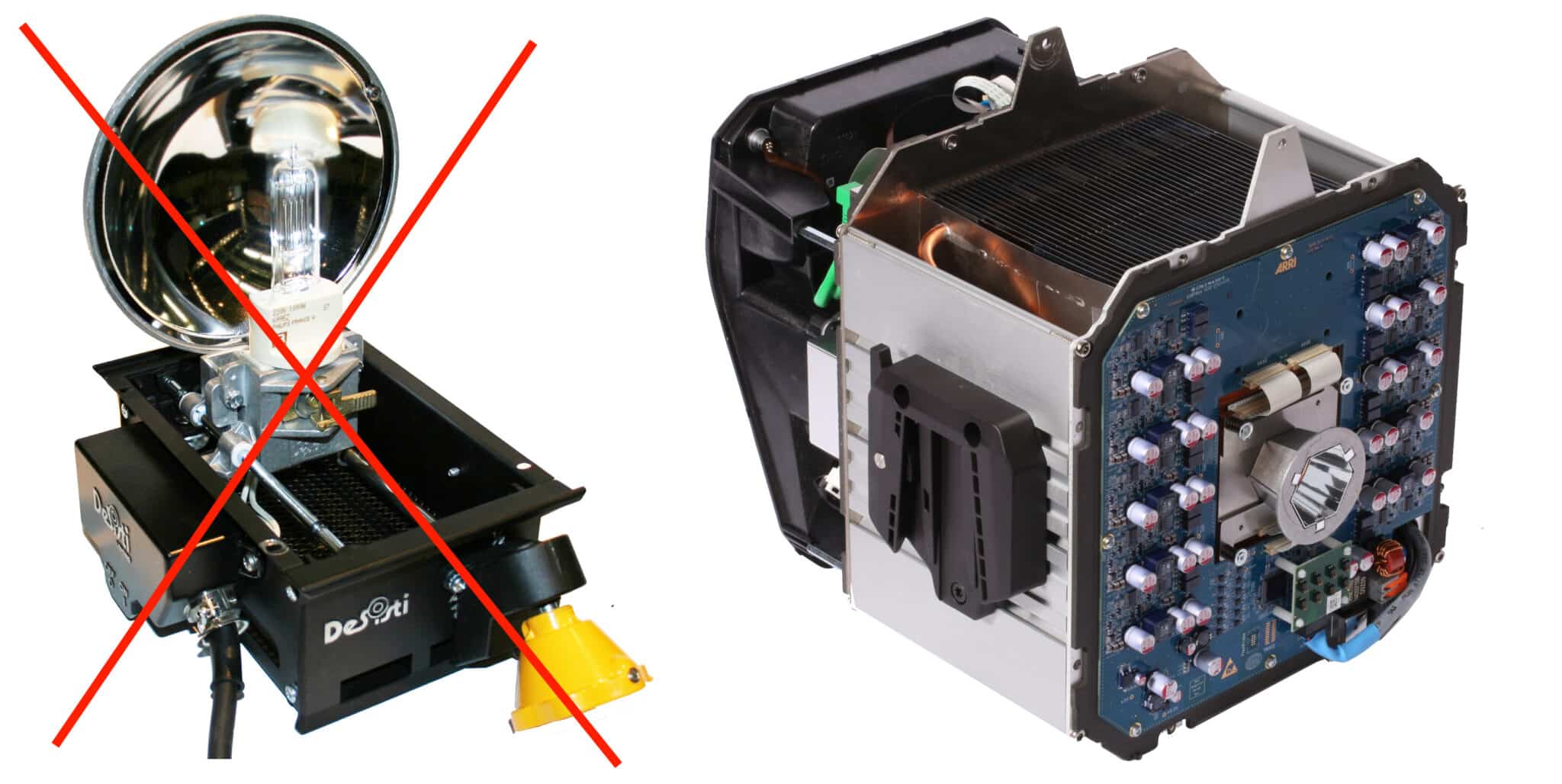
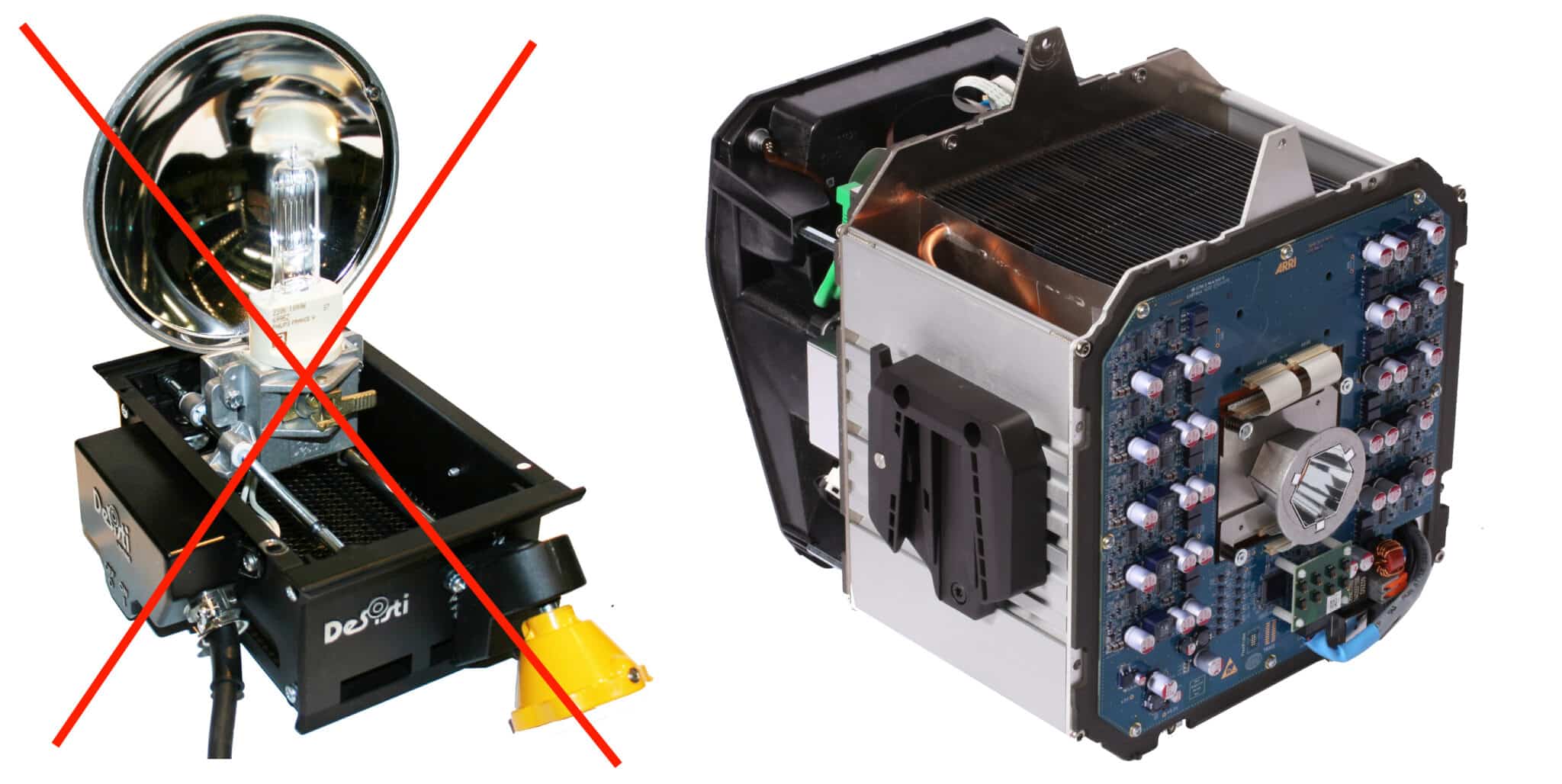
In their zeal to regulate consumer electronics, the drafters completely overlooked the specialized needs of the event industry. The original draft of the new directive lacked the exemptions previously granted to stage and studio lighting. Had this gone unnoticed, millions of functional, high-quality professional spotlights would have been effectively banned, creating a massive sustainability crisis rather than solving one. It was only through the intervention of the European Entertainment Ecodesign Coalition, supported by the German Federal Environment Agency (Umweltbundesamt), that the industry secured a detailed list of exemptions. These exemptions covered specific lamp sockets, discharge lamps, and color-tunable light sources essential for theatrical and broadcast productions. This case serves as a stark reminder that if industry experts are not "at the table" during the legislative process, their specific needs will be ignored by regulators who lack sector-specific knowledge.
Another critical area of contention involves the application of DIN VDE 0100. A common point of friction at local festivals occurs when a municipal electrician insists that only a registered installation company, according to VDE 0100, may connect a stage to the power grid. For decades, this created a gray area regarding whether a temporary event setup constitutes the "installation of a distribution system" or the "temporary connection of equipment." If the strict interpretation of VDE 0100 for permanent buildings were applied to touring productions, every single socket would need to be measured and certified before every show—a requirement that is logistically impossible in a touring environment.
To resolve this, experts like Sascha Rose, an honorary member of the DIN Standards Committee for Event Technology, Image and Film (NA 149-00-04 AA), engaged with the DKE (German Commission for Electrical, Electronic & Information Technologies). The resulting clarification was a significant victory for the industry: mobile electrical systems for events are to be considered temporary and are not subject to the same permanent installation requirements as building wiring. Instead, the DKE pointed to industry-specific standards such as SQQ1 (Event Electrician) and SQP4, as well as DGUV (German Social Accident Insurance) regulations. This recognition by a major regulatory body like the DKE is often referred to within the trade as a "Ritterschlag" or "knighthood," signifying that the industry’s self-developed standards are now taken seriously by national and international authorities.
The international dimension of this work was furthered by professionals like Thomas Bardeck, who represented the industry at a meeting of the International Electrotechnical Commission (IEC) in Stockholm. By presenting data and visual evidence of the massive scale of temporary power systems—such as the 4,000-ampere mobile distributions used for the Eurovision Song Contest—Bardeck was able to demonstrate to international regulators that event technology is a distinct field with unique requirements that cannot be covered by standard industrial or residential rules. This presentation shifted the perspective of many international colleagues who had previously viewed event power as a minor subset of general electrical work.
For those looking to ensure the future viability of the sector, several professional associations offer avenues for involvement. The VPLT is actively involved in numerous DIN committees, including those focusing on machinery, lighting, and power systems. Similarly, the DTHG (German Theater Technical Society) maintains a roster of delegates for committees ranging from "Lifting and Moving" to "Safety Requirements for Stages." The EVVC (European Association of Event Centers) also actively seeks members to contribute to its DIN committee work.
The transition from a dry, technical text to a living, breathing standard of practice is what makes this work vital. As the industry faces the dual challenges of rapid technological change and a shrinking expert base, the call for active participation in standardization has never been more urgent. Norms and rules are not static commands from on high; they are the consensus of the community. By engaging in these processes, event professionals ensure that the rules of tomorrow are written by those who actually understand the complexities of the stage, rather than by distant bureaucrats. As Thomas Bardeck aptly noted, there is a unique professional satisfaction in watching a dry normative text transform into the safe, efficient, and creative reality of a live production. The future of the industry depends on its members’ willingness to step up and design the framework in which they work.