
The global music industry is undergoing a structural transformation where independent artists now represent the fastest-growing segment of the recorded music market, necessitating a shift from traditional promotional tactics to sophisticated networking and collaborative frameworks. As the barrier to entry for music production has lowered due to advancements in home-studio technology, the marketplace has become increasingly saturated, with over 100,000 tracks uploaded to streaming platforms daily. In this hyper-competitive environment, the ability of an independent musician to forge strategic partnerships and integrate into diverse creative communities has emerged as a primary driver of commercial viability and artistic longevity. Industry analysts suggest that the "lone wolf" model of artistry is being replaced by a "ecosystem model," where success is predicated on the strength of an artist’s professional network rather than just the quality of their isolated output.
The Evolution of the Independent Music Landscape
To understand the current necessity of networking, one must look at the chronological shift of the industry over the last two decades. In the early 2000s, the "gatekeeper" era defined success through major label signings and terrestrial radio play. By the 2010s, the rise of social media platforms like MySpace and later SoundCloud democratized distribution but created a "noise" problem where artists struggled to be heard. Today, the industry has entered a phase characterized by "community-centric growth." Data from Midia Research indicates that independent artists generated approximately $1.2 billion in 2023, a significant increase from previous years, largely driven by direct-to-fan engagement and peer-to-peer collaborations. This shift highlights a move toward a decentralized industry where networking serves as the new currency.
Strategic Integration into Multi-Disciplinary Art Scenes
One of the most effective, yet underutilized, methods for expanding a professional network is the deliberate engagement with local art scenes outside of the music industry. While musicians often gravitate toward other musicians, the integration of music with visual arts, theater, and performance poetry offers a unique "cross-pollination" effect. This strategy allows artists to tap into pre-existing audiences that may not have been exposed to their work through traditional musical channels.
For example, collaborating with a visual artist for a gallery opening or providing a live score for a theater production provides a functional context for the music. This multi-disciplinary approach often results in "synesthetic marketing," where the visual and auditory elements reinforce one another, creating a more memorable brand identity for the musician. Furthermore, these events serve as high-density networking hubs where artists can meet curators, event organizers, and local influencers who operate outside the standard music industry silos but possess significant cultural capital.
The Role of Physical Spaces and Community Workshops
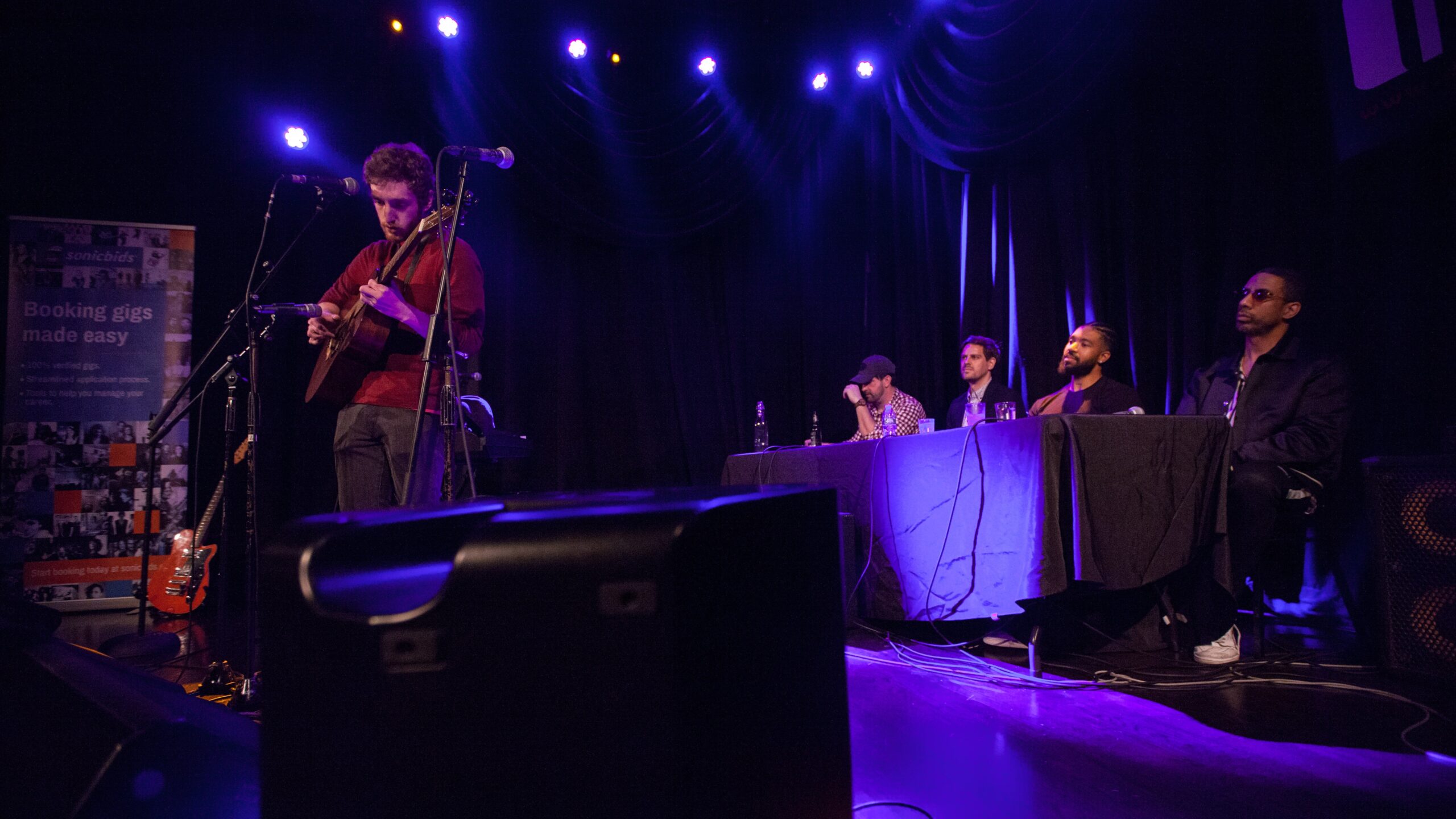
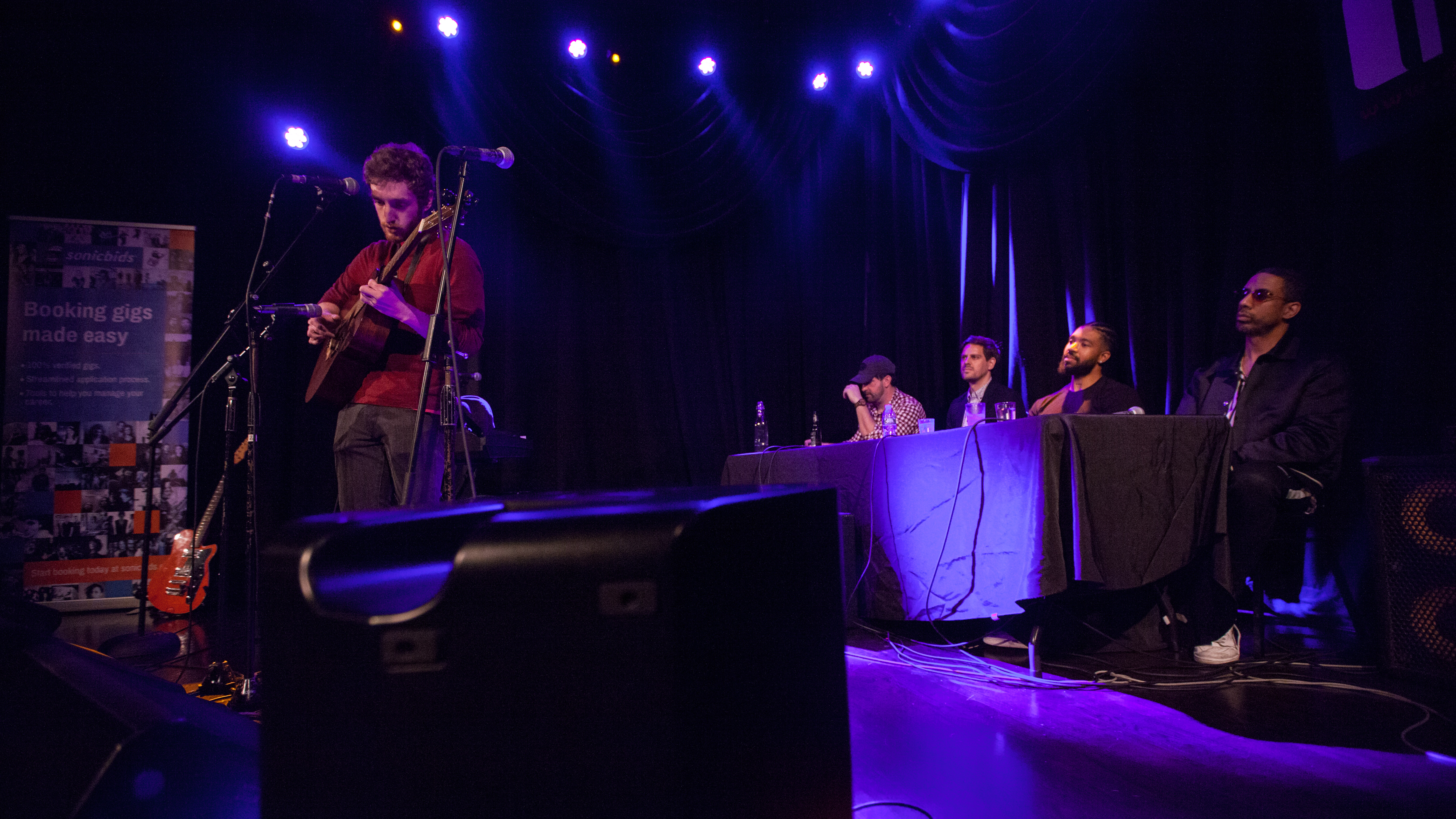
Despite the digital nature of the modern industry, physical presence remains a cornerstone of professional trust. The hosting of jam sessions and songwriting workshops, such as those organized by the Sonicbids Feedback Collective, represents a shift toward "active networking." Unlike passive attendance at concerts, these organized gatherings foster a collaborative environment where technical skills and creative chemistry can be assessed in real-time.
The Feedback Collective’s model—utilizing panel discussions and songwriting workshops—provides a blueprint for how independent artists can establish themselves as community leaders. By facilitating a space for other musicians to improve their craft, the host artist gains "expert status" within their local hierarchy. This creates a reciprocal ecosystem: a rock guitarist who hosts a workshop may find themselves collaborating with a jazz saxophonist, leading to the development of "fusion genres" that are increasingly popular on curated streaming playlists. These interactions often lead to shared gigging opportunities, split-bill tours, and shared resources, such as home studio equipment or session musician contacts.
Digital Ecosystems and the Rise of Asynchronous Collaboration
The digital landscape has evolved beyond the promotional utility of Instagram and TikTok. Platforms like BandLab, SoundCloud, and Discord have become functional workspaces for "asynchronous collaboration," where musicians across different time zones contribute to a single project. BandLab, for instance, reported over 60 million users in 2023, highlighting a massive shift toward collaborative creation.
Journalistic analysis of streaming data suggests that tracks featuring multiple artists often perform better on algorithmic playlists. This is due to the "shared audience" effect, where the followers of both artists are notified of the release, doubling the initial reach. Independent musicians who leave thoughtful, technical feedback on the work of their peers—rather than generic promotional comments—are more likely to build the rapport necessary for these high-value digital partnerships. This "bottom-up" networking strategy allows artists to build a global presence from a domestic home base.
Volunteering as a Gateway to Industry Access
For many emerging artists, the "inner circle" of the music industry remains elusive. Volunteering at major music festivals or industry conferences provides a legitimate pathway to bypass traditional barriers. Events such as SXSW, Coachella, or regional jazz and folk festivals rely heavily on a volunteer workforce. This labor-for-access model places independent musicians in direct proximity to event organizers, talent bookers, and touring managers.

The value of this strategy lies in the "behind-the-scenes" perspective it offers. A volunteer working in artist relations or stage management gains insight into the logistical requirements of high-level performance, making them more professional and appealing to bookers in the future. Furthermore, the camaraderie developed during the high-pressure environment of a festival often leads to lasting professional relationships that would be impossible to cultivate via email or social media.
The Direct-to-Fan Collaborative Model
The final pillar of modern networking involves the artist’s existing fanbase. The "1,000 True Fans" theory, popularized by Kevin Kelly, posits that an artist only needs a modest, dedicated following to be financially self-sustaining. However, modern independent success requires treating fans not just as consumers, but as a "collaborative street team." Utilizing tools such as polls, surveys, and interactive livestreams allows fans to have a say in the creative process, such as choosing which artist their favorite musician should collaborate with next.
This strategy serves two purposes: it increases fan retention by making them feel like stakeholders in the artist’s career, and it provides the artist with data-backed leads for potential partnerships. If a significant portion of a fanbase suggests a specific local singer for a collaboration, the outreach to that singer becomes much more compelling, as it comes with a built-in audience demand.
Economic Implications and Industry Outlook

The broader implications of these networking strategies are reflected in the shifting economics of the music business. As independent artists become more adept at networking and self-management, the traditional role of the "middleman"—agents, managers, and labels—is being redefined. Artists who successfully implement these five networking strategies are often able to retain a higher percentage of their intellectual property and revenue.
A fact-based analysis of the market suggests that the "Independent-Plus" sector—artists who remain independent but utilize professional-grade networking and distribution tools—is the most resilient segment of the industry. In an era where AI-generated content threatens to oversaturate digital platforms, the human element of networking and community-building becomes an artist’s most significant competitive advantage. Genuine human connection and unique creative partnerships are elements that algorithms cannot replicate.
Conclusion: The Strategic Necessity of Connection
Networking and collaboration are no longer secondary tasks for the independent musician; they are core operational requirements. The transition from a local performer to a globally recognized artist is rarely a linear path of solo effort. Instead, it is a series of interconnected events sparked by strategic engagement with diverse artistic communities, the utilization of collaborative digital tools, and the empowerment of a loyal fanbase.
As the industry continues to evolve, the musicians who thrive will be those who view their career as a collaborative venture. By embracing local art events, hosting community-focused workshops, leveraging specialized online platforms, volunteering for industry access, and involving their audience in the creative journey, independent artists can navigate the complexities of the modern market. The data is clear: in the current musical economy, the strength of the network determines the reach of the art. The opportunities for growth are vast for those willing to step beyond the confines of the studio and into the vibrant, interconnected world of the global creative community.