

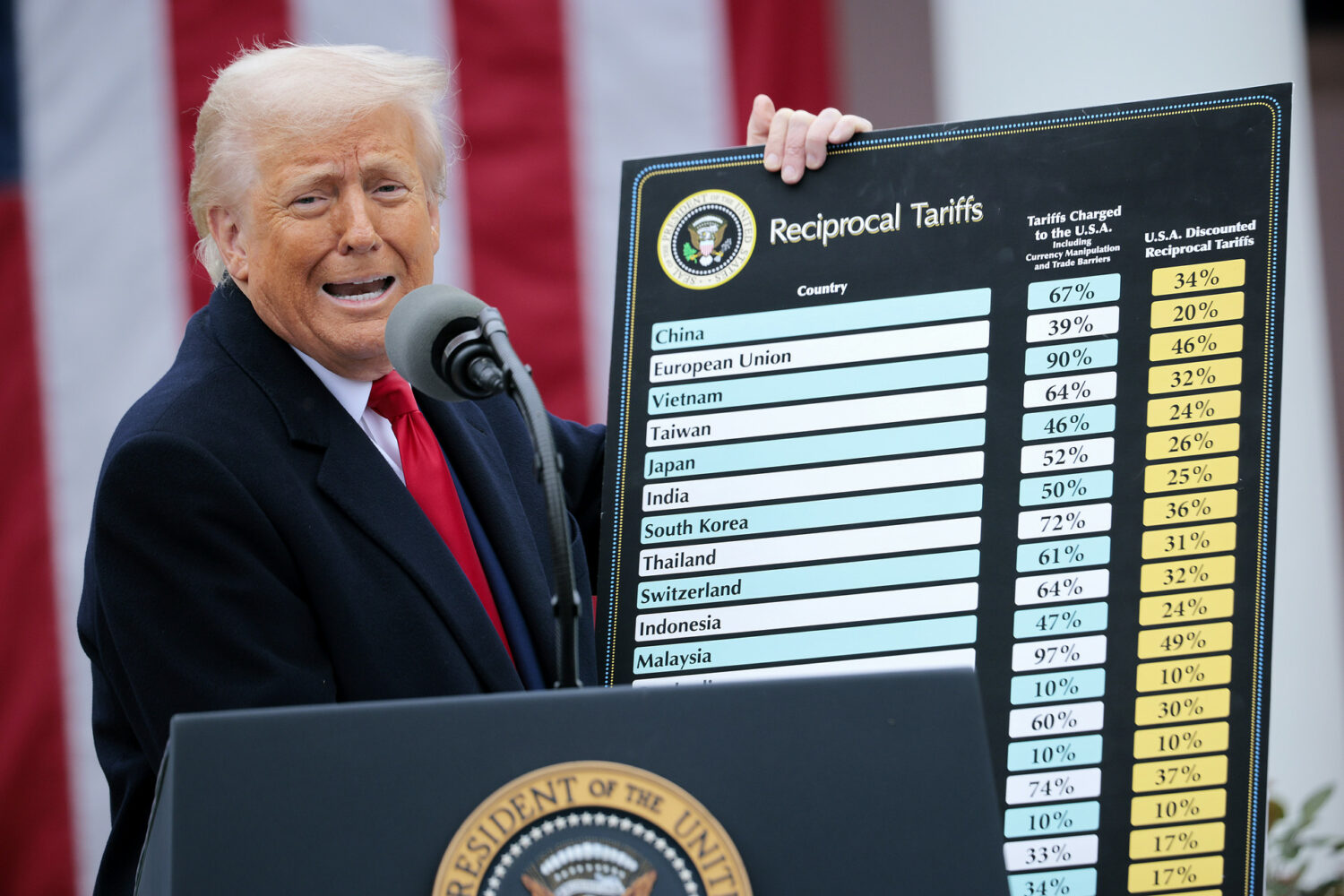
The Supreme Court of the United States issued a landmark ruling today, declaring that President Donald Trump exceeded his constitutional and statutory authority by unilaterally imposing sweeping tariffs on global imports without explicit Congressional approval. In a decision that carries profound implications for international trade and the separation of powers, the Court’s conservative majority, led by Chief Justice John Roberts, determined that the executive branch had bypassed the legislative branch’s constitutionally mandated "power of the purse." Chief Justice Roberts, writing for the majority, characterized the unchecked use of executive authority to levy what are effectively taxes as an "existential threat" to the nation’s democratic framework and long-term economic prosperity.
The ruling comes after nearly a year of escalating trade tensions and domestic economic volatility triggered by the administration’s aggressive tariff agenda. While the decision marks a significant legal defeat for the White House, the immediate response from President Trump suggests a period of continued confrontation. In a series of public statements, the President characterized the justices as "lap dogs for RINOs and the radical left," labeling the decision "very unpatriotic and disloyal to our Constitution." Furthermore, the administration announced its intention to circumvent the ruling by imposing a new 10% global tariff under alternative legal authorities, while simultaneously confirming that it has no plans to refund the billions of dollars in duties already collected from American businesses and consumers.
Chronology of the Trade Dispute and Legal Challenges
The path to today’s Supreme Court decision began in April 2025, when the Trump administration announced a series of massive tariffs on a wide array of imported goods, ranging from raw industrial materials to finished consumer electronics. The administration justified these measures under the International Emergency Economic Powers Act (IEEPA), arguing that trade imbalances and the decline of domestic manufacturing constituted a national emergency.
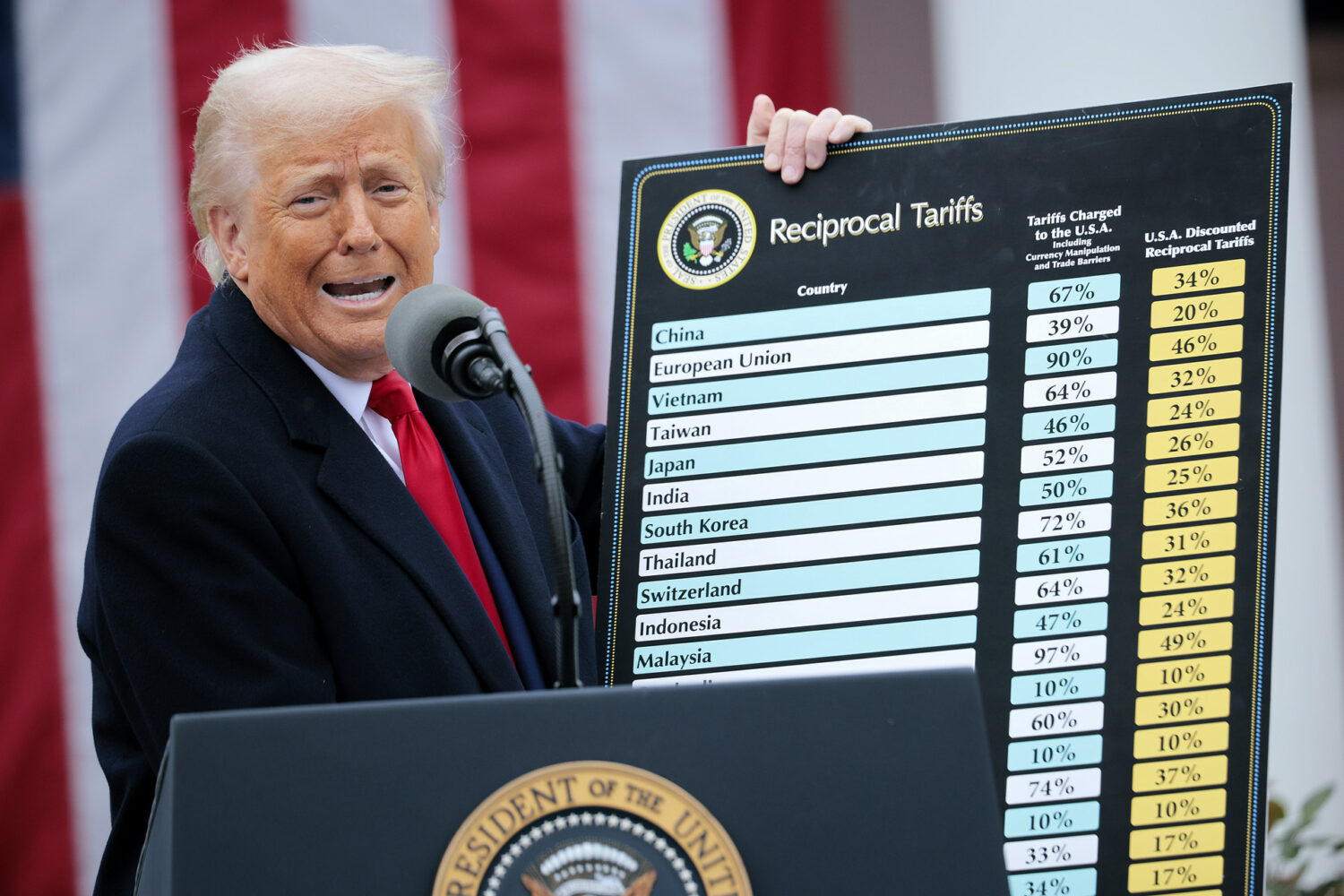
By the summer of 2025, the music and pro-audio industries—sectors heavily reliant on global supply chains—began to report significant distress. In July 2025, the National Association of Music Merchants (NAMM) issued a formal warning that the tariffs would inevitably lead to price increases for instruments and professional audio gear, while simultaneously harming American manufacturers who rely on imported specialized components.
Throughout the fall of 2025, the economic impact became tangible. Boutique manufacturers and large-scale distributors alike began adjusting their MSRPs (Manufacturer’s Suggested Retail Prices). In November 2025, Roger Linn, a pioneer in electronic music technology, announced that the combination of tariffs and tariff-induced inflation necessitated a price increase for the LinnStrument. Similarly, companies like Sonicware provided transparent data to consumers, showing how a drum machine previously priced at $399 could skyrocket to nearly $977 after factoring in the cumulative costs of import duties and logistics.
The legal challenge reached the Supreme Court in early 2026, following a series of conflicting lower court rulings. The central question was whether the President could use emergency powers to impose taxes—a power the Constitution explicitly grants to Congress. Today’s ruling provides a definitive, though politically charged, answer.
The Economic Impact on the Music Gear Industry
The musical instrument sector serves as a microcosm of the broader economic challenges posed by the tariff policy. Unlike larger industries that can more easily absorb costs or shift manufacturing, the music gear industry is often comprised of small-to-medium-sized enterprises (SMEs) with thin profit margins.

Data from US retailers throughout late 2025 and early 2026 revealed a stark price disparity between American and international markets. For instance, the Behringer Swing, a popular MIDI controller, was listed at approximately $75 in European markets while retailing for between $129 and $169 in the United States. This 70% to 125% markup in the US market was directly attributed to the tariff structure and the resulting increase in shipping and administrative costs.
For American manufacturers, the tariffs created a "double-edged sword" effect. While the administration argued the duties would protect domestic jobs, many US-based builders found themselves unable to compete. Modern synthesizers and audio interfaces require specialized semiconductors, high-precision potentiometers, and custom printed circuit boards (PCBs), many of which are only produced in specific global hubs. When the cost of these components doubled or tripled due to tariffs, American manufacturers were forced to either raise prices—losing their competitive edge against foreign brands—or halt production entirely. Future Retro, a respected name in the synthesizer community, was among the firms that put new product plans on hold, citing the impossibility of accurate financial forecasting in a volatile trade environment.
The Diminished Scale of the 2026 NAMM Show
The cumulative weight of these economic pressures was perhaps most visible at the 2026 NAMM Show in Anaheim, California. Historically one of the largest trade shows in the world, the 2026 event was a shadow of its former self. Organizers were forced to eliminate the traditional basement exhibition spaces and cordoned off large sections of the remaining floors.
The duration of the show was reduced from four days to three, reflecting a significant drop in exhibitor participation. Many companies, particularly those from Europe and Asia, opted to skip the event entirely, citing the prohibitive costs of importing display units under the tariff regime and a lack of "new" products to showcase. The innovation cycle, which usually drives the industry, appeared to have stalled as companies shifted their focus from research and development to survival and supply chain mitigation.

Political and Legislative Reactions
The Supreme Court’s decision has drawn praise from an unusual coalition of politicians on both sides of the aisle, many of whom have grown wary of the tariffs’ impact on their constituents.
Senator Mitch McConnell (R-Ky) expressed support for the Court’s intervention, stating, "The use of the International Emergency Economic Powers Act to circumvent Congress in the imposition of tariffs isn’t just bad policy—it’s illegal." His colleague, Senator Rand Paul (R-Ky), echoed this sentiment, emphasizing that the power to declare taxes is a legislative prerogative that cannot be seized by the executive branch under the guise of an "emergency."
On the Democratic side, Senator Elizabeth Warren (D-Ma) focused on the financial burden placed on the public. While she welcomed the ruling, she argued it did not go far enough in addressing the "massive damage" already done. "The American people paid for these tariffs, and the American people should get their money back," Warren stated, calling for a structured refund process for those affected by the now-illegal taxes.
Broader Economic Implications and Data
The legal battle over tariffs takes place against a backdrop of cooling economic indicators. According to the most recent data from the US Commerce Department, GDP growth slowed to 1.4% in the last quarter, while inflation remained stubbornly high at 3%. Unemployment rates have also begun to tick upward, particularly in manufacturing sectors that rely on imported raw materials.

Public sentiment appears to mirror these economic struggles. A recent Fox News poll found that 63% of registered voters disapprove of the administration’s handling of tariffs, with 65% expressing dissatisfaction with the response to inflation. Economists at Yale’s Budget Lab estimate that the average American household has paid an additional $1,700 in indirect costs due to the tariffs enacted since early 2025.
Future Outlook: Why Prices May Not Drop
Despite the Supreme Court’s ruling, consumers should not expect an immediate reduction in the price of music gear or other imported goods. Several factors contribute to this continued price stickiness:
- Inventory Lag: Most retailers are currently holding stock that was purchased and imported while the higher tariffs were still in effect. Because these businesses have already paid the duties and have no guarantee of a refund from the government, they are unlikely to lower prices until that inventory is cleared and new, lower-cost stock is acquired.
- The New 10% Tariff: The President’s announcement of a new 10% global tariff, though likely to face its own legal challenges, creates a new baseline of cost that will prevent prices from returning to 2024 levels.
- Ongoing Legal Battles: The question of refunds for past tariffs is expected to be litigated for years. Until a final settlement is reached, companies will likely maintain higher price points to hedge against future financial uncertainty.
- Supply Chain Realignment: Many companies spent significant capital in 2025 attempting to move their supply chains out of tariff-affected regions. These relocation costs are often amortized over several years, meaning the "overhead" of the trade war will be baked into product pricing for the foreseeable future.
In conclusion, while the Supreme Court has reasserted the constitutional limits of executive power, the music industry and the broader US economy remain in a state of flux. The transition from a high-tariff environment to a post-ruling landscape is likely to be characterized by continued legal disputes, market volatility, and a slow recovery for the manufacturers and musicians who form the backbone of the industry.