

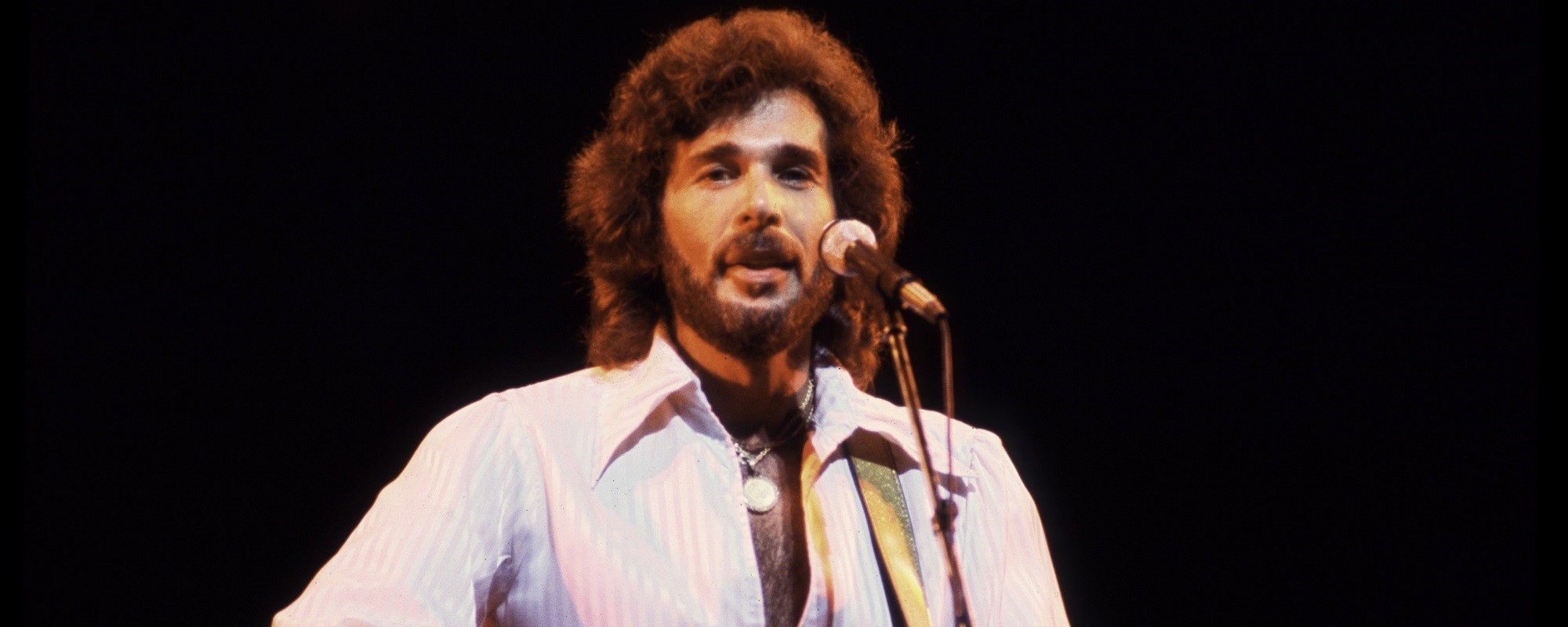
The transition of country music from a regional genre to a mainstay of the national pop charts reached a definitive milestone in the early 1980s, epitomized by the career of Eddie Rabbitt. From the mid-1970s through the late 1980s, Rabbitt was a dominant force on the Billboard country charts, ultimately securing 17 No. 1 singles. However, his influence extended far beyond the confines of Nashville. By the late 1970s, Rabbitt began a successful foray into the mainstream pop market, achieving significant success on the Billboard Hot 100. This crossover appeal reached its zenith in early 1981 with the release of "I Love a Rainy Night," a track that not only defined Rabbitt’s career but also illustrated the changing landscape of American popular music during the "Urban Cowboy" era.
The 1981 Chart Phenomenon: A Tale of Two Tallys
The success of "I Love a Rainy Night" is best understood through its remarkable performance on multiple Billboard charts, a feat that few artists of the era could replicate. The song was the second single from Rabbitt’s sixth studio album, Horizon, following the success of the high-energy anthem "Drivin’ My Life Away." On January 17, 1981, "I Love a Rainy Night" ascended to the No. 1 position on the Billboard Hot Country Singles chart. In doing so, it displaced Merle Haggard’s "I Think I’ll Just Stay Here and Drink," marking Rabbitt’s eighth trip to the top of the country charts.
The song’s reign on the country chart was brief but significant, as it was dethroned just one week later by Dolly Parton’s "9 to 5," another quintessential crossover hit of the period. This exchange of the top spot between Rabbitt and Parton foreshadowed a unique chart battle that would soon play out on the pop charts. On February 28, 1981, "I Love a Rainy Night" reached the summit of the Billboard Hot 100, becoming Rabbitt’s first and only No. 1 hit on the all-genre pop tally. In a poetic reversal of their country chart interaction, Rabbitt’s song toppled Parton’s "9 to 5" to claim the No. 1 spot. The two songs continued to trade positions, with "9 to 5" eventually returning to the top after Rabbitt’s two-week stay.
Beyond the country and pop charts, "I Love a Rainy Night" found a home on the Billboard Adult Contemporary chart. It held the No. 1 position there for three weeks in January 1981, proving its broad appeal across diverse age demographics and radio formats. This "triple crown" of chart success—topping Country, Pop, and Adult Contemporary charts—placed Rabbitt in an elite category of performers who could bridge the gap between rural and urban audiences.
The Creative Genesis: From a Basement Tape to a Global Hit
The origins of "I Love a Rainy Night" trace back more than a decade before its eventual release. The song was a collaborative effort between Rabbitt and his long-time songwriting partners, Even Stevens and David Malloy. The initial spark for the track occurred in the late 1960s. During a rainstorm, Rabbitt captured a fleeting thought on a tape recorder, speaking the phrase "I love a rainy night" into the device.
For years, the snippet remained dormant on a cassette tape in Rabbitt’s basement. It was only during the preparation for the Horizon album that Rabbitt rediscovered the recording while rummaging through old materials. Despite having the title and a basic concept, the song proved difficult to complete. In a 2014 retrospective interview with The Tennessean, Even Stevens recalled that Rabbitt frequently proposed the idea during their writing sessions, but the right musical framework remained elusive.
Stevens noted that Rabbitt’s inspiration came from a place of positivity rather than the melancholy often associated with rain in songwriting. Rabbitt had expressed that, for once, he felt happy during a storm and wanted to capture that rhythmic, upbeat energy. The breakthrough finally occurred when the trio tapped into a syncopated, finger-snapping rhythm that mimicked the steady beat of windshield wipers or falling rain. This rhythmic foundation, combined with a rockabilly-influenced guitar line, gave the song its infectious, crossover-friendly sound.
Eddie Rabbitt’s Songwriting Foundation and Early Career
While "I Love a Rainy Night" made Rabbitt a household name in the pop world, he had already established himself as one of Nashville’s most respected songwriters. Born in Brooklyn and raised in New Jersey, Rabbitt brought a diverse set of musical influences to Tennessee when he moved there in 1968. His background in rock and roll and pop allowed him to craft country songs with a structural sophistication that appealed to a wide audience.
Before his solo career gained momentum, Rabbitt penned hits for some of the biggest names in the industry. Most notably, he co-wrote "Kentucky Rain," which became a Top 20 hit for Elvis Presley in 1970. The success of "Kentucky Rain" provided Rabbitt with the financial stability and industry recognition needed to pursue his own recording contract. He followed this success by writing "Pure Love," which became a No. 1 country hit for Ronnie Milsap in 1974. These early triumphs as a songwriter-for-hire established the blueprint for Rabbitt’s solo work: catchy melodies, relatable lyrics, and a production style that felt modern without abandoning country roots.
Production and Musical Analysis of the Horizon Era
The production of "I Love a Rainy Night" was handled by David Malloy, who played a crucial role in shaping the "Rabbitt sound." The Horizon album represented a shift toward a more polished, "West Coast" production style that incorporated elements of soft rock and pop-soul.
"I Love a Rainy Night" is characterized by its minimalist but highly effective arrangement. The use of finger snaps as a primary percussion element was a bold choice for a country record in 1980, drawing comparisons to the early rock and roll records of the 1950s. The song’s structure is built on a "shuffle" beat, which provides a sense of forward motion consistent with Rabbitt’s previous hit, "Drivin’ My Life Away." This stylistic continuity helped solidify Rabbitt’s brand as an artist who provided the perfect soundtrack for the American road.
The lyrics of the song are simple yet evocative, focusing on the sensory experience of a thunderstorm—the thunder, the lightning, and the refreshing quality of the rain. By avoiding the typical country tropes of heartbreak or loss, the song maintained a universal appeal that resonated with listeners in New York and Los Angeles as much as it did in Nashville.
Chronology of Eddie Rabbitt’s Crossover Success (1979–1981)
The ascent of "I Love a Rainy Night" was the culmination of a three-year period during which Rabbitt systematically expanded his audience.
- 1979: Rabbitt records the title track for the Clint Eastwood film Every Which Way But Loose. The song reaches No. 1 on the Country chart and No. 30 on the Hot 100, marking his first significant pop crossover.
- 1979: He releases "Suspicions," a sophisticated, soulful track that peaks at No. 13 on the Hot 100, proving that his pop success was not a fluke.
- 1980: "Drivin’ My Life Away" is released as the lead single from Horizon. It reaches No. 1 on the Country chart and No. 5 on the Hot 100, becoming a massive radio staple.
- January 1981: "I Love a Rainy Night" hits No. 1 on the Country and Adult Contemporary charts.
- February 1981: The song reaches No. 1 on the Billboard Hot 100, cementing Rabbitt’s status as a superstar.
Broader Impact and the Evolution of Country-Pop
The success of Eddie Rabbitt, alongside contemporaries like Dolly Parton, Kenny Rogers, and Anne Murray, signaled a transformative era for the country music industry. This period, often linked to the "Urban Cowboy" movement sparked by the 1980 film of the same name, saw country music adopt a more cosmopolitan image.
Critics and industry analysts of the time noted that Rabbitt’s success helped pave the way for the "New Traditionalist" movement that would follow in the mid-80s as a reaction to the pop-heavy sound. However, in the immediate term, Rabbitt’s ability to dominate the Hot 100 demonstrated that country artists could compete directly with pop and rock acts for airplay and record sales. This era of crossover success expanded the economic reach of Nashville and changed the way record labels marketed country artists to the general public.
Legacy and Final Years
Eddie Rabbitt continued to record and tour throughout the 1980s and early 1990s, maintaining a consistent presence on the country charts with hits like "Step by Step," "You and I" (a duet with Crystal Gayle), and "The Best Year of My Life." Even as musical trends shifted toward the grittier sound of artists like George Strait and Randy Travis, Rabbitt remained a respected figure in the community for his songwriting prowess and his role in modernizing the genre.
In the late 1990s, Rabbitt faced significant health challenges. A long-time smoker, he was diagnosed with lung cancer in 1997. Despite undergoing surgery and chemotherapy, he passed away on May 7, 1998, at the age of 56. His death was met with an outpouring of grief from the Nashville community and fans worldwide, who remembered him not just for his chart-topping hits, but for the genuine, upbeat spirit he brought to his music.
Today, "I Love a Rainy Night" remains a staple of classic hits and oldies radio. Its enduring popularity is a testament to Rabbitt’s ability to capture a simple, joyful moment and set it to a rhythm that remains timeless. As a songwriter and performer, Eddie Rabbitt’s legacy is defined by his unique ability to bridge worlds, turning a rainy night in a Nashville basement into a global anthem of optimism.