

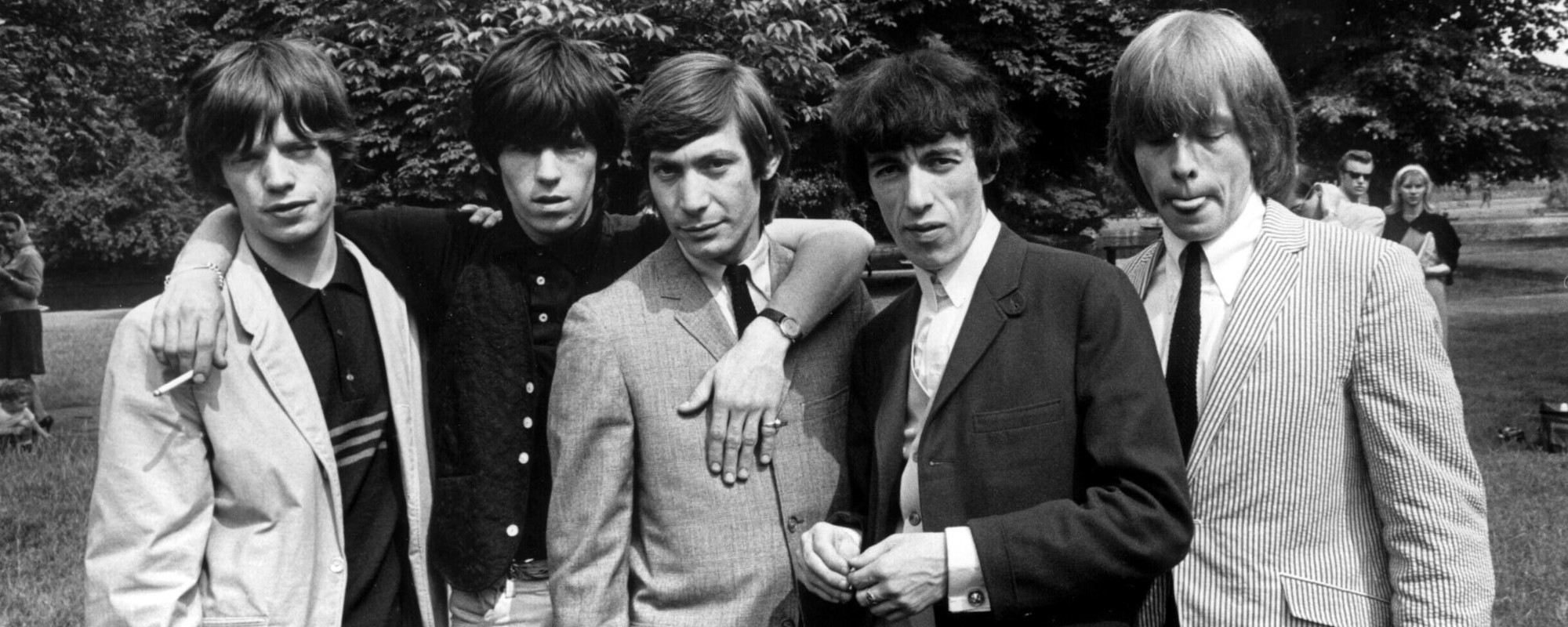
The trajectory of modern rock and roll is often defined by the intersection of raw talent and the formative influences that shape a young artist’s creative identity. For Bruce Springsteen, the legendary "Boss" of American rock, the catalyst for his transformation from a New Jersey teenager into a global icon was largely rooted in the music and persona of the Rolling Stones. Long before he was selling out stadiums with the E Street Band, Springsteen was a dedicated disciple of the British Invasion, specifically captivated by the rebellious energy and blues-infused sound of Mick Jagger, Keith Richards, and Brian Jones. This connection was not merely aesthetic; it was a technical and psychological foundation that dictated his approach to the guitar, his stage presence, and his ultimate career ambitions.
The Aesthetic Pursuit: Modeling the Brian Jones Pageboy
In the mid-1960s, the visual identity of rock stars was as influential as their sonic output. For a young Bruce Springsteen growing up in Freehold, New Jersey, the image of the Rolling Stones represented a radical departure from the suburban norm. Springsteen has frequently recalled his childhood efforts to emulate the "pageboy" haircut popularized by the Stones’ founding member and multi-instrumentalist Brian Jones. Jones, known for his dandyish fashion and perfectly coiffed blonde hair, set a stylistic standard that Springsteen went to great lengths to achieve.
During a series of interviews and within his 2016 memoir, Born to Run, Springsteen revealed the domestic methods he employed to manage his naturally curly Italian hair. In an era before high-end hair straightening products were readily available to teenagers, Springsteen utilized his mother’s hair clips to pin his hair flat while he slept. The goal was to wake up with a straight, downward-hanging fringe that mirrored Jones’ signature look. "I would sleep on it exactly right because I had Italian curly hair," Springsteen told the BBC. "I would pin it down until it was as straight as Brian Jones." This level of dedication to a specific rock and roll aesthetic highlights the profound impact the Rolling Stones had on his formative self-image, viewing the band as the pinnacle of "cool."
The Convention Hall Fantasy: Daydreams of Rock and Roll Glory
Beyond the visual mimicry, the Rolling Stones fueled Springsteen’s professional aspirations. Like many teenagers of his generation, he found solace and ambition in the music, but Springsteen’s daydreams were particularly specific and geographically grounded. He often imagined himself as a "local hero" who would save the day for his idols.
In his memoir, Springsteen detailed a recurring fantasy centered on the Asbury Park Convention Hall, a prominent venue on the Jersey Shore. In this mental scenario, the Rolling Stones were scheduled to perform, but lead singer Mick Jagger fell ill. The narrative required a replacement who could not only handle the vocal duties but also match the band’s formidable stage presence. Springsteen imagined himself rising from the audience to take the stage.
"Suddenly, a young hero rises, a local kid, right out of the audience," Springsteen wrote. "He can front. He’s got the voice, the look, the moves, no acne, and he plays a hell of a guitar." In this fantasy, the chemistry between the young Springsteen and Keith Richards was so immediate that the band became reluctant to have Jagger return. This dream served as a psychological blueprint for Springsteen’s later career, emphasizing the importance of "the front man" as a figure of both power and community connection.
Technical Foundations: Learning the Keith Richards Solo
The most significant technical contribution the Rolling Stones made to Springsteen’s career occurred following a moment of personal professional crisis. After being dismissed from his first band, The Castiles, Springsteen found himself at a crossroads. Rather than abandoning his musical pursuits, the rejection fueled a desire to transition from a rhythm player to a lead guitarist.
The vehicle for this transition was the Rolling Stones’ 1964 hit, "It’s All Over Now." The song, which features a distinctive and driving guitar solo by Keith Richards, became the first lead guitar part Springsteen ever mastered. He recalled sitting in his room for an entire night, repeatedly playing the record and "scraping up" a version of the solo until he had it down. "It was a very important record for me as it was the first solo I ever learned," Springsteen shared. This moment marked his evolution into a more versatile musician, providing him with the confidence to lead his own ensembles.
The Origins and Impact of It’s All Over Now
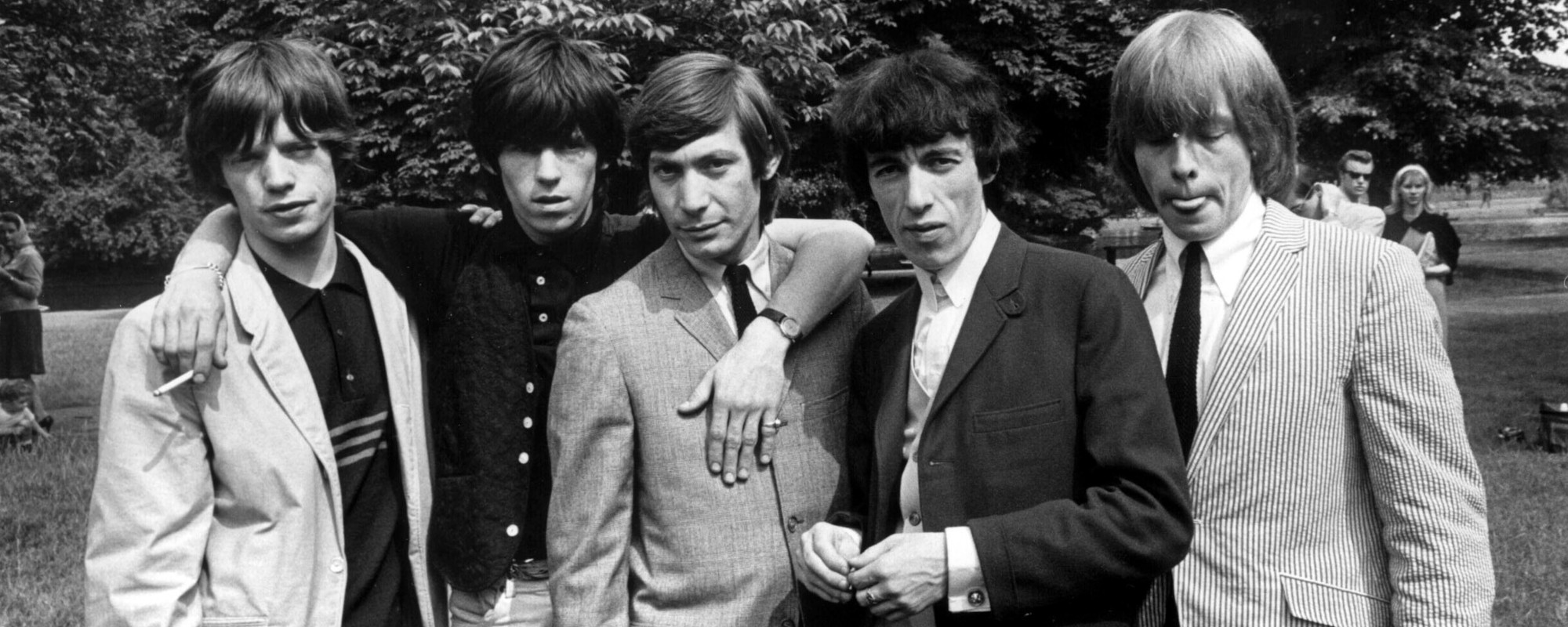
The song that served as Springsteen’s technical primer has a rich history that bridges the gap between American R&B and the British Blues Boom. "It’s All Over Now" was originally written by Bobby Womack and Shirley Womack. It was first recorded and released in May 1964 by The Valentinos, a group featuring Bobby Womack and produced by the legendary Sam Cooke.
The Rolling Stones heard the track during their first American tour in 1964 and quickly recorded their own version at Chess Studios in Chicago—the hallowed ground where many of their blues idols, such as Muddy Waters and Howlin’ Wolf, had recorded. Released in July 1964, the Stones’ version featured a more aggressive, rock-oriented arrangement than the original. It became the band’s first number-one hit in the United Kingdom and a top 30 hit in the United States.
For Springsteen, the track represented the perfect blend of soulful storytelling and rock and roll grit. The lyrics, which detail the end of a tumultuous relationship and the reclaiming of personal independence, resonated with the themes of resilience that would later permeate Springsteen’s own songwriting.
Comparative Analysis: Stones Influence on the E Street Sound
While Springsteen eventually developed a sound that was uniquely "Jersey"—incorporating elements of soul, folk, and Wall of Sound production—the DNA of the Rolling Stones remained visible in his work with the E Street Band. Several key areas of influence can be identified:
- The Role of the Saxophone: Just as the Stones utilized Bobby Keys to add a raucous, R&B edge to their 1970s output, Springsteen made the saxophone (via Clarence Clemons) a central pillar of his sound. Both bands used the instrument to bridge the gap between traditional rock and roll and urban soul.
- Rhythmic Drive: The interplay between Keith Richards and Charlie Watts provided a masterclass in "pocket" playing—focusing on the groove rather than technical flash. Springsteen’s rhythm-heavy arrangements on albums like The River and Born in the U.S.A. mirror this priority.
- Live Performance as Ritual: The Rolling Stones redefined the rock concert as a high-energy, marathon event. Springsteen took this concept even further, developing a reputation for four-hour sets that mirrored the stamina and theatricality of Jagger’s performances but with a heightened sense of blue-collar evangelism.
Broader Implications for Rock History
The relationship between Springsteen and the music of the Rolling Stones is a prime example of the "circularity" of rock and roll. The Stones, a British band, were interpreting American blues and R&B and selling it back to American teenagers like Springsteen. Springsteen, in turn, took those British interpretations and infused them with his own American narrative, eventually becoming one of the most significant songwriters in the history of the genre.
This cross-continental exchange highlights how specific musical "moments"—such as a single guitar solo on a 1964 record—can alter the course of an artist’s life. Had Springsteen not been moved by Keith Richards’ playing on "It’s All Over Now," his development as a lead guitarist might have been delayed or taken a different stylistic path entirely.
Conclusion: A Legacy of Mutual Respect
Decades after he was pinning his hair down to look like Brian Jones, Bruce Springsteen has stood on equal footing with his idols. He has shared the stage with the Rolling Stones on multiple occasions, most notably joining them for a performance of "Tumbling Dice" during their 50 & Counting tour in 2012.
The transition from a fan daydreaming in an Asbury Park bedroom to a peer performing in international arenas is a testament to the power of musical influence. For Springsteen, the Rolling Stones were more than just a band; they were the proof that a "local kid" could find a voice, a look, and a hell of a guitar, and make the crowd go wild. The story of his early obsession serves as a reminder that even the most legendary figures in music began as students of the craft, inspired by the records that first made them believe in the "glory of rock and roll."