
The global music industry has undergone a radical transformation over the last two decades, shifting from a physical-centric distribution model to a saturated digital landscape. In this environment, the Electronic Press Kit (EPK) has emerged as the definitive professional standard for independent artists seeking to secure bookings, media coverage, and record deals. Often described as a digital resume or a professional portfolio, the EPK serves as a centralized hub that consolidates an artist’s music, visual identity, and career achievements into a single, accessible format. As the barriers to entry for music production have lowered, the volume of content available on streaming platforms has reached unprecedented levels, making the professional presentation provided by an EPK more critical than ever for market differentiation.
The Evolution of Music Promotion: From Physical to Digital
Historically, artists relied on physical press kits, which typically consisted of a folder containing a demo CD or cassette, a printed biography, a high-resolution 8×10 photograph, and a collection of physical newspaper clippings. These kits were expensive to produce and cumbersome to distribute, often requiring significant postage costs and manual delivery to radio stations and venue managers. The digital revolution of the early 2000s fundamentally altered this workflow.
A pivotal moment in this chronology occurred in 2001 with the launch of platforms like Sonicbids, which standardized the digital press kit format. This shift allowed artists to bypass the logistical hurdles of physical mail, enabling instant communication with talent buyers across the globe. Today, the EPK is no longer an optional luxury but a foundational requirement for any artist operating within the professional sphere of the music business.
A Concise Representation of Artistry and Brand Identity
The primary function of an EPK is to provide a comprehensive yet concise snapshot of an artist’s professional identity. In an industry where A&R (Artists and Repertoire) representatives and festival bookers often make preliminary decisions within seconds, the ability to present a cohesive brand is paramount. A standard, high-impact EPK is expected to contain several key elements:
- The Professional Biography: This section must go beyond a simple chronological history. It serves as the narrative backbone of the artist’s brand, detailing their unique journey, influences, and artistic vision. Professional kits often include both a short "elevator pitch" bio for quick reading and a longer, more detailed version for media features.
- Curated Discography: Rather than listing every recording ever made, a strategic EPK highlights the artist’s most successful or representative tracks. High-quality audio players embedded within the kit allow professionals to listen without leaving the page.
- High-Resolution Visual Assets: Professional photography is essential for media outlets. An EPK typically provides downloadable, high-resolution images suitable for both digital publication and print media, alongside official music videos that demonstrate the artist’s performance style and visual aesthetic.
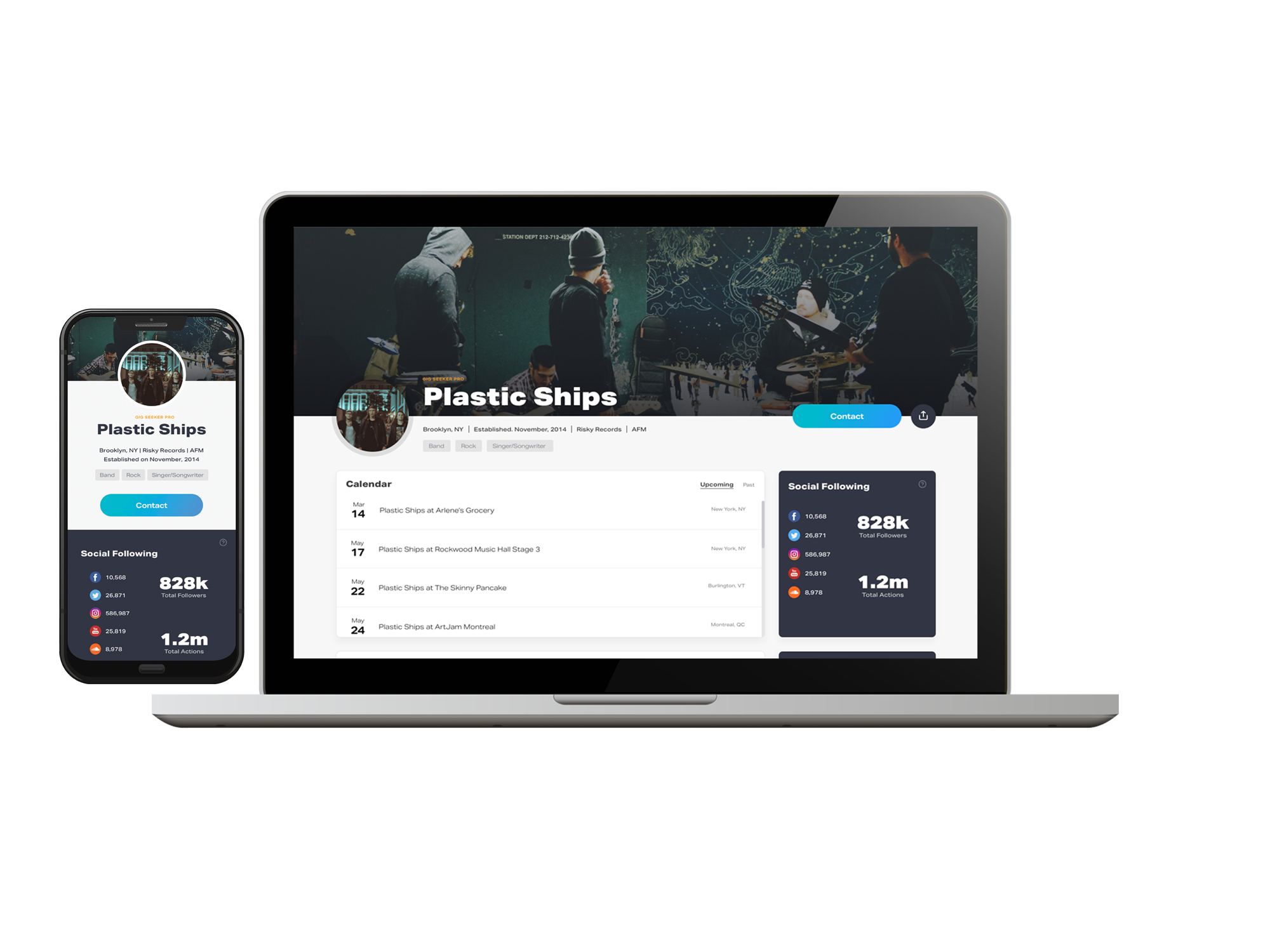
- Performance Metrics and Social Proof: In the data-driven modern market, including streaming statistics, social media engagement rates, and notable milestones—such as reaching 10,000 streams within a debut month—provides tangible evidence of an artist’s market viability.
Streamlining Communication in a High-Volume Industry
Efficiency is a critical currency in the music business. Talent buyers at major venues and editors at music publications receive hundreds of inquiries daily. The EPK simplifies the communication process by eliminating the need for multiple attachments or fragmented links to various social media platforms. By providing a single URL, an artist respects the time of the industry professional, which significantly increases the likelihood of their material being reviewed.
Industry data suggests that outreach accompanied by a professional EPK has a higher engagement rate than unsolicited emails containing only text or raw file attachments. From a logistical standpoint, the EPK acts as a "one-stop shop" for all necessary information. When a journalist decides to write a feature, they do not need to follow up with the artist for a bio or a photo; the resources are already available for immediate download. This self-service model is highly valued in fast-paced media environments.
Establishing Credibility and Professionalism
The independent music sector is characterized by a high volume of participants, but a significantly smaller percentage of those participants operate with professional rigor. An EPK serves as a badge of credibility, signaling to stakeholders that an artist is serious about their career and understands industry standards.
The inclusion of "social proof"—such as quotes from reputable music critics, testimonials from venue owners, and a list of past performances—functions as a validation of the artist’s talent and reliability. For instance, a glowing review from a recognized music blog or a feature in a regional newspaper can be the deciding factor for a festival booker who is weighing two similar acts. By presenting these accolades in a polished, organized manner, the artist moves from being a "hobbyist" to a "professional" in the eyes of the industry.
Accessibility and the Global Scouting Network
The digital nature of the EPK ensures that an artist’s materials are accessible 24/7, regardless of geographical boundaries or time zones. This is particularly relevant in the context of international scouting. A booking agent in London can review the kit of an indie artist in Nashville at any hour, facilitating global opportunities that were previously impossible without the backing of a major label’s international department.
Furthermore, the shareability of a link-based EPK allows for viral professional networking. A promoter who is impressed by an artist can easily forward the EPK link to a colleague or a label representative. This ease of distribution maximizes every potential interaction, turning a single point of contact into a gateway for broader industry exposure.
A Dynamic Platform for Career Progression
Unlike static documents, a modern EPK is designed to be a living entity that evolves in tandem with the artist’s career. This adaptability is essential for maintaining relevance. As an artist hits new milestones—such as a successful tour, a sync licensing deal in a television show, or an increase in monthly listeners on streaming platforms—the EPK must be updated to reflect these achievements.
Chronological updates to an EPK demonstrate momentum. When industry professionals see a kit that is frequently refreshed with new press coverage and performance dates, it conveys a sense of growth and activity. This "active status" is highly attractive to potential collaborators and investors, as it suggests that the artist is a "moving target" with a trajectory toward success.
Market Analysis: The Impact of Professional Presentation
The current state of the music market is defined by an oversupply of content. According to recent industry reports, over 100,000 new tracks are uploaded to streaming services every day. In this hyper-competitive environment, talent buyers and labels are looking for reasons to say "no" to save time. A lack of a professional EPK, or a poorly constructed one, is often the first reason an artist is disqualified from consideration.
Conversely, a well-structured EPK provides the "hooks" necessary for a professional to say "yes." By analyzing the success of independent artists who have successfully transitioned to mid-tier and major-label status, a common thread is the early adoption of professional branding tools. The EPK allows the artist to control the narrative of their career, ensuring that the first impression they make on the industry is one of competence and artistic integrity.
Broader Implications and Future Outlook
As the music industry continues to integrate with technology, the EPK is expected to become even more data-integrated. Future iterations may include real-time API feeds from streaming services and social media platforms, providing live updates on an artist’s reach and influence. However, the core principle remains unchanged: the need for a centralized, professional, and engaging presentation of an artist’s work.
In conclusion, the Electronic Press Kit is the bridge between creative output and professional opportunity. For the independent artist, it is the most effective tool for cutting through the noise of a crowded marketplace. It streamlines the workflow for industry professionals, establishes essential credibility, and provides a scalable platform for long-term career development. In an era where the music business is as much about data and presentation as it is about melody and lyrics, the EPK stands as a mandatory asset for anyone serious about navigating the complexities of the modern musical landscape. Artists who invest the time and resources into crafting a high-quality EPK are not just preparing for their next gig; they are building the infrastructure for a sustainable career.