

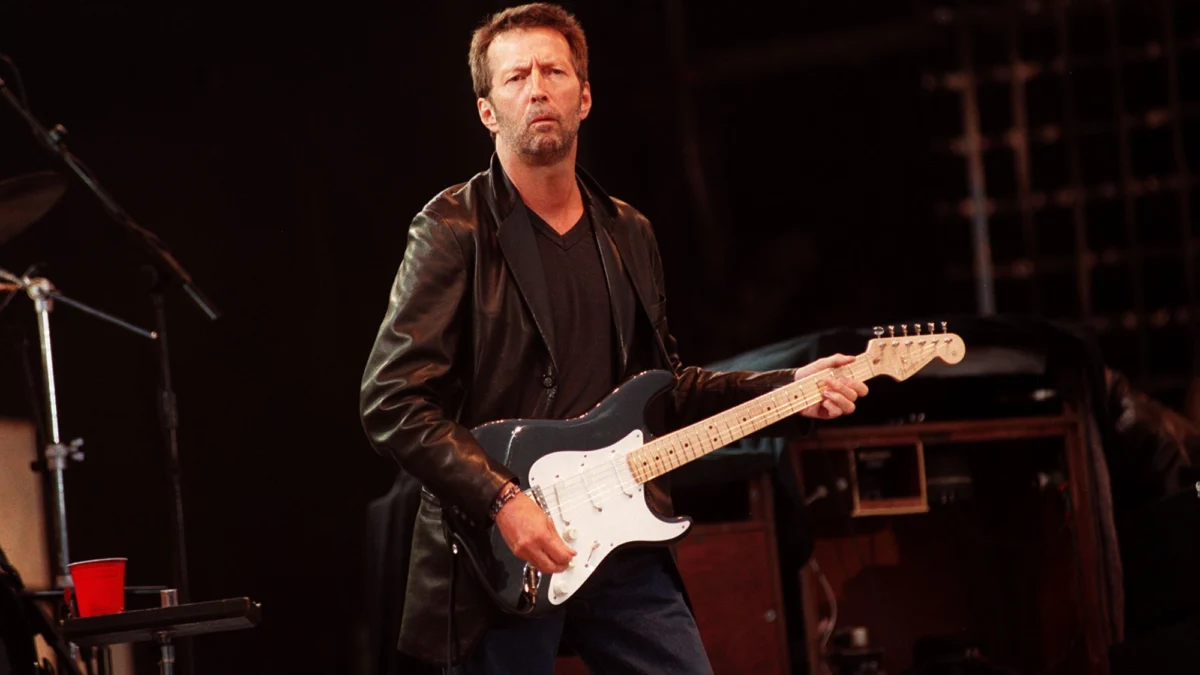
The history of popular music is littered with the remains of ensembles that possessed immense talent but lacked the personal cohesion necessary for longevity. Among these, few examples are as poignant or as historically significant as Cream, the British trio that redefined the boundaries of rock, blues, and psychedelia in the late 1960s. Comprising guitarist Eric Clapton, bassist Jack Bruce, and drummer Ginger Baker, Cream is widely recognized as the world’s first "supergroup"—a term coined to describe a band whose members had already achieved significant fame in other projects. Despite their global commercial success and profound influence on the evolution of heavy metal and progressive rock, the band’s internal dynamics were characterized by a level of toxicity that made their eventual dissolution in 1968 not only inevitable but, for its members, a necessary act of self-preservation.
The Genesis of a Power Trio: 1966
The formation of Cream in 1966 represented a pivotal moment in the London music scene. At the time, Eric Clapton was already a household name, having earned the nickname "God" from fans of his work with The Yardbirds and John Mayall & the Bluesbreakers. Seeking a new direction that allowed for greater improvisational freedom, Clapton sought to form a trio. However, the selection of his bandmates introduced a fundamental instability into the group’s foundation from the outset.
Ginger Baker, an explosive drummer with a background in jazz, had been playing with the Graham Bond Organisation. When Clapton expressed interest in forming a band with him, Baker suggested Jack Bruce as the bassist. Clapton, unaware of the deep-seated animosity between the two, agreed. Bruce and Baker had previously played together in the Graham Bond Organisation, a tenure marked by physical altercations and professional sabotage. At one point, Baker had reportedly threatened Bruce with a knife, and on another occasion, Bruce was fired from the band only to continue showing up for gigs, prompting Baker to physically drive him away from the stage.
Despite this volatile history, the three musicians convened in July 1966. The name "Cream" was chosen because they considered themselves the "cream of the crop" among British musicians. Their debut at the Windsor Jazz & Blues Festival in July 1966 was met with high expectations, which they immediately exceeded, establishing a reputation for high-volume, virtuosic performances that pushed the technical limits of their instruments.
A Two-Year Whirlwind: The Chronology of Success
Cream’s recording career was remarkably brief, spanning roughly two years, yet it yielded four albums that remain cornerstones of the rock canon. Each release signaled a progression in the band’s sound and a corresponding increase in their international stature.
- Fresh Cream (December 1966): Their debut album was a mixture of blues covers and original material. It showcased the band’s ability to modernize traditional blues structures with a heavier, more aggressive edge. Songs like "N.S.U." and "I Feel Free" demonstrated a pop sensibility that balanced their instrumental indulgences.
- Disraeli Gears (November 1967): Often cited as their masterpiece, this album saw the band embrace psychedelia. Recorded in New York, it featured the iconic "Sunshine of Your Love" and "Strange Brew." The album reached the Top 5 in both the UK and the US, cementing their status as a global phenomenon.
- Wheels of Fire (August 1968): This double album—consisting of one studio disc and one live disc—was a landmark achievement. It became the first platinum-selling double album in history. The live recordings, including the definitive version of Robert Johnson’s "Crossroads," highlighted the band’s penchant for extended, 15-minute improvisational jams.
- Goodbye (February 1969): Released posthumously, this album contained a mix of live tracks and three studio recordings, including the George Harrison-co-written "Badge." It served as a final testament to the trio’s collective brilliance.
The Mechanics of a Feud: Bruce vs. Baker
While the public saw a unified front of musical mastery, the private reality of Cream was one of escalating warfare. The primary source of tension remained the relationship between Bruce and Baker. As the band’s primary songwriter and vocalist, Jack Bruce often found himself at odds with Ginger Baker’s assertive and often abrasive personality.
The conflict was exacerbated by the "volume wars" that occurred during their live performances. As the band transitioned to larger venues and stadiums—essentially inventing the format of stadium rock—the stage volume increased dramatically. Bruce and Baker would frequently compete to be the loudest on stage, often drowning out Clapton’s guitar. This sonic battle was a literal manifestation of their personal struggle for dominance.
Eric Clapton, initially the mediator of the group, found himself increasingly isolated and exhausted by the constant bickering. In later reflections, Clapton noted that he often felt he was playing in a vacuum, with his bandmates more interested in outplaying one another than in creating a cohesive musical statement. The stress of the environment began to take a toll on Clapton’s mental health and his passion for the project.
Statistical Impact and Commercial Milestones
The magnitude of Cream’s success is reflected in their commercial data, which remains impressive even by modern standards. During their short tenure, they sold over 15 million records worldwide.
- Chart Performance: Disraeli Gears peaked at No. 4 on the Billboard 200, while Wheels of Fire reached No. 1, staying on the charts for 52 weeks.
- Concert Revenue: Their 1968 farewell tour was one of the highest-grossing tours of the era, despite the fact that the members were barely on speaking terms.
- Award Recognition: The band was inducted into the Rock and Roll Hall of Fame in 1993, and they received a Grammy Lifetime Achievement Award in 2006.
These figures underscore the irony of Cream’s existence: they were a commercial juggernaut that was internally disintegrating at the height of its earning power.
The Breaking Point and Official Dissolution
The end of Cream was announced in mid-1968, much to the shock of the music industry. The decision was primarily driven by Clapton, who had become disillusioned with the band’s direction. A significant turning point occurred when Clapton read a scathing review in Rolling Stone magazine, which described him as a "master of the blues cliché." This critique, combined with his burgeoning interest in the more grounded, song-oriented music of The Band (specifically their album Music from Big Pink), convinced him that the era of the "power trio" jam was over.
The band performed two final shows at London’s Royal Albert Hall on November 25 and 26, 1968. The atmosphere was reportedly clinical and cold. Footage from the concerts shows three musicians who, while still technically proficient, lacked the spark of collective joy. Following the final note of "Sunshine of Your Love," the members went their separate ways, effectively ending the first chapter of the supergroup era.
Post-Cream Trajectories and the 2005 Reunion
The dissolution of Cream allowed all three members to pursue diverse paths, though none would ever fully escape the shadow of the trio. Eric Clapton immediately formed Blind Faith with Ginger Baker and Steve Winwood, another short-lived supergroup, before launching a legendary solo career that established him as one of the most successful artists in rock history.
Jack Bruce continued to explore the intersection of rock, jazz, and classical music through a series of solo albums and collaborations. Ginger Baker moved to Nigeria for a time, exploring African rhythms and playing with Fela Kuti, before eventually settling into a series of jazz and rock projects.
The band’s legacy was briefly revisited in May 2005, when they reunited for a series of shows at the Royal Albert Hall and later at Madison Square Garden. While the performances were critically acclaimed and commercially successful, the old tensions quickly resurfaced. Reports from the New York shows indicated that Bruce and Baker were once again arguing offstage, proving that while time can heal some wounds, fundamental personality clashes often remain immutable.
Analysis: The Implications of the "Supergroup" Model
The rise and fall of Cream provided a blueprint for the "supergroup" phenomenon that would follow in the 1970s and beyond. Their story highlights the inherent risks of assembling high-profile talent without considering interpersonal compatibility. From a technical standpoint, Cream proved that a three-piece ensemble could produce a sound as massive and complex as a much larger band, a discovery that paved the way for groups like Led Zeppelin, The Police, and Nirvana.
Furthermore, Cream’s demise marked the end of the "virtuoso for virtuosity’s sake" era of the late 60s, shifting the industry’s focus back toward songwriting and ensemble cohesion. The "stain on their legacy" mentioned by historians refers to the tragedy of what might have been. Had the trio found a way to manage their internal discord, they might have led the transition into the progressive rock era of the 1970s.
Ultimately, the story of Cream serves as a reminder that in the world of professional music, technical brilliance is often secondary to the ability of individuals to function as a collective. The very fire that made their music so intense and groundbreaking was the same fire that consumed the band from within, leaving behind a brief but incandescent catalog that continues to influence musicians more than half a century later.
