

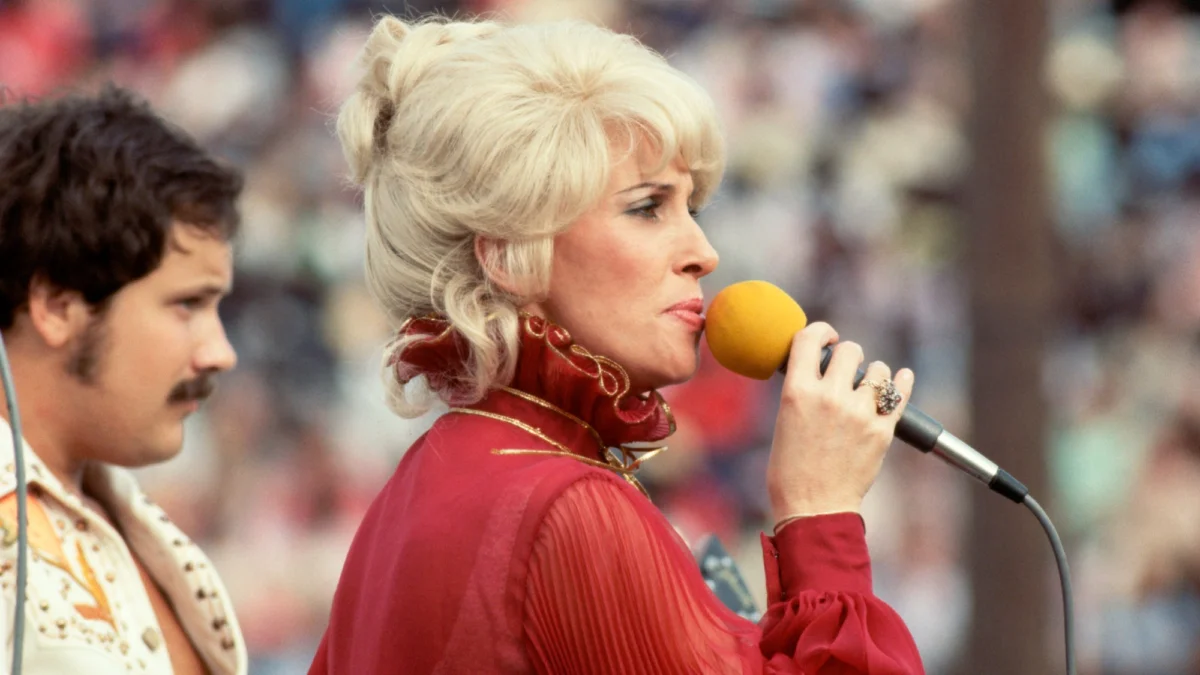
The year 1967 stands as a pivotal moment in the history of American country music, marking a transition from the polished "Nashville Sound" of the early 1960s to a more raw, emotionally complex era of storytelling. This period saw the emergence of artists who would become the bedrock of the genre, blending traditional instrumentation with lyrics that addressed social realities, personal heartbreak, and the struggles of the working class. Among the vast catalog of recordings released that year, three songs—Tammy Wynette’s "I Don’t Wanna Play House," Jack Greene’s "All the Time," and Merle Haggard’s "Sing Me Back Home"—remain definitive pillars of the genre. These tracks not only dominated the Billboard Country charts but also reshaped the thematic boundaries of country music, ensuring their place in the hearts of listeners for over half a century.
The Evolution of the Nashville Sound and the 1967 Context
To understand the significance of these three recordings, one must examine the state of the music industry in 1967. Nashville was undergoing a transformation. Producers like Billy Sherrill and Chet Atkins were refining the "Countrypolitan" style, incorporating string sections and background vocalists to compete with pop music. Simultaneously, the "Bakersfield Sound" was rising in California, led by Merle Haggard and Buck Owens, offering a grittier, honky-tonk alternative to the polished Tennessee productions.
The year also marked the inaugural Country Music Association (CMA) Awards, an event designed to formalize the industry’s prestige. In this atmosphere of growth and competition, artists were pushed to deliver performances that were both commercially viable and artistically profound. The three songs in question represent the pinnacle of this creative surge, capturing the zeitgeist of a nation navigating cultural shifts and the domestic echoes of the Vietnam War.
Tammy Wynette and the Poignant Realism of I Don’t Wanna Play House
Released in July 1967, "I Don’t Wanna Play House" became the second consecutive No. 1 hit for Tammy Wynette, following "Your Good Girl’s Gonna Go Bad." Written by Billy Sherrill and Glenn Sutton, the song is a masterclass in narrative songwriting, told from the perspective of a mother observing her young daughter’s playtime.
Narrative Depth and Social Commentary
The song’s lyrics describe a child who refuses to play "house" with a neighborhood boy because she has witnessed the dissolution of her own parents’ marriage. The chorus—"I don’t wanna play house; it makes my mommy cry / ‘Cause when she played house, my daddy said goodbye"—offered a stark departure from the more idealized versions of family life often portrayed in early 1960s media.
At the time, the subject of divorce and broken homes carried a significant social weight. Wynette’s delivery, characterized by her signature "tear in her voice," brought a visceral sense of grief to the airwaves. This track established Wynette as the "First Lady of Country Music," an artist capable of articulating the internal lives of women facing domestic hardship.
Chart Performance and Industry Recognition
"I Don’t Wanna Play House" spent 18 weeks on the Billboard Hot Country Singles chart, three of which were at the No. 1 position. Its success was not limited to commercial sales; the song earned Wynette her first Grammy Award for Best Female Country Vocal Performance in 1968. This victory solidified the "Countrypolitan" production style—lavish yet emotionally grounded—as a dominant force in the industry. The song’s influence was so profound that it was later covered by numerous artists, including Loretta Lynn on her 1968 album Fist City, further cementing its status as a standard within the Great American Country Songbook.
Jack Greene and the Perfection of the Ballad in All The Time
While Wynette was exploring domestic realism, Jack Greene was perfecting the romantic ballad. Known as "The Jolly Green Giant" due to his height and his time as a drummer for Ernest Tubb’s Texas Troubadours, Greene emerged as a solo powerhouse in 1967. His recording of "All The Time" became a definitive moment in his career and a benchmark for vocal performance in country music.
From Cover to Classic
"All The Time" was written by Mel Tillis and Wayne P. Walker. Interestingly, Greene’s version was a cover; the song had originally been recorded by Kitty Wells in 1959. However, Greene’s 1967 rendition, produced by Owen Bradley, transformed the song into a massive hit. Bradley, the architect of the Nashville Sound, utilized a lush arrangement that highlighted Greene’s smooth, resonant baritone.
The song’s lyrics are a simple yet profound declaration of eternal devotion: "All the time, yes darling, all the time / Tenderly, constantly I’ll love you." In an era of social upheaval, this message of unwavering stability resonated deeply with the American public.
Statistical Dominance and Legacy
The success of "All The Time" was unparalleled in 1967. It spent five weeks at No. 1 on the Billboard Country charts and helped Greene sweep the inaugural CMA Awards. That year, Greene won Male Vocalist of the Year, Single of the Year, and Album of the Year. The song’s longevity is evidenced by the sheer number of covers it inspired. Artists ranging from Patti Page and Wayne Newton to Webb Pierce and Johnny Paycheck recorded their own versions, but Greene’s 1967 recording remains the definitive interpretation. It serves as a prime example of how the "Nashville Sound" could achieve a timeless, sophisticated quality without losing its country roots.
Merle Haggard and the Gritty Authenticity of Sing Me Back Home
As Jack Greene dominated the charts with romantic ballads, Merle Haggard was bringing a different kind of reality to country music. "Sing Me Back Home," released in late 1967, is arguably one of the most haunting songs in the history of the genre. Written entirely by Haggard, the song drew directly from his personal experiences within the American penal system.
The Inspiration Behind the Lyrics
Haggard served time in San Quentin State Prison in the late 1950s, an experience that fundamentally shaped his worldview and his music. "Sing Me Back Home" was inspired by a fellow inmate, James "Rabbit" Kendricks, who was executed for his role in a failed escape attempt. In the song, a condemned prisoner makes a final request to a guitar-playing cellmate: "Sing me back home with a song I used to hear / Make my old memories come alive."
The song’s power lies in its empathy. It does not focus on the crime, but on the humanity of the prisoner and the redemptive power of music. This was a radical theme for 1967, bridging the gap between the traditional outlaw image and a more modern, introspective form of songwriting.
Impact on the Bakersfield Sound and Beyond
"Sing Me Back Home" reached No. 1 on the Billboard Country charts in early 1968, marking Haggard’s third chart-topping single. It became the title track of his 1968 album, which is now considered a masterpiece of the Bakersfield Sound—a style characterized by the "twang" of Fender Telecaster guitars and a more aggressive, honky-tonk rhythm compared to Nashville’s orchestral approach.
The song’s influence extended far beyond country music. In 1968, the Everly Brothers included "Sing Me Back Home" on their seminal country-rock album Roots. Later, the Grateful Dead made the song a staple of their live performances, introducing Haggard’s blue-collar poetry to a counterculture audience. This cross-genre appeal highlighted the universal themes of Haggard’s work and established him as a premier American songwriter.
Comparative Analysis: Three Paths to the Top
Though these three songs differ in theme and production style, they share a common thread: a commitment to emotional honesty. In 1967, the country music audience was changing. The rural-to-urban migration that followed World War II had created a new class of listeners—people who lived in cities but held onto traditional values and a nostalgic love for the "home" they left behind.
- Tammy Wynette spoke to the domestic anxieties of this new demographic, addressing the fragility of the family unit.
- Jack Greene provided a sense of comfort and romantic idealism through high-quality vocal craftsmanship.
- Merle Haggard gave voice to the marginalized, using his own history of incarceration to bring a level of "outlaw" authenticity that would later define the 1970s.
According to Billboard data from 1967, these three artists were among the most played on country radio, reflecting a marketplace that valued variety. The success of these tracks also signaled the growing power of the songwriter. Sherrill, Sutton, Tillis, and Haggard were not just writing "tunes"; they were crafting narratives that functioned like short stories, a trend that would continue to define country music’s "Golden Age."
Broader Implications and Historical Legacy
The enduring popularity of these 1967 hits has significant implications for how we understand country music today. They represent a "sweet spot" in the genre’s history where commercial success and artistic integrity were perfectly aligned.
The legacy of "I Don’t Wanna Play House" can be seen in the works of modern female artists like Miranda Lambert and Carrie Underwood, who continue to explore complex domestic themes. Jack Greene’s influence persists in the "neo-traditionalist" movement, where vocal purity is prized above all else. Meanwhile, Merle Haggard’s "Sing Me Back Home" remains the blueprint for the "outlaw" and "Americana" subgenres, emphasizing the importance of lived experience in songwriting.
In conclusion, the 1967 trifecta of Wynette, Greene, and Haggard serves as a historical marker for a genre coming into its own. These songs did more than top the charts; they provided a soundtrack for a generation navigating a rapidly changing world. For the "1960s kids" who grew up with these melodies, these songs are more than just nostalgia—they are the foundational texts of a musical tradition that continues to resonate across the globe. Through their mastery of melody, lyricism, and performance, Tammy Wynette, Jack Greene, and Merle Haggard ensured that the year 1967 would forever be remembered as a vintage year for country music.
