

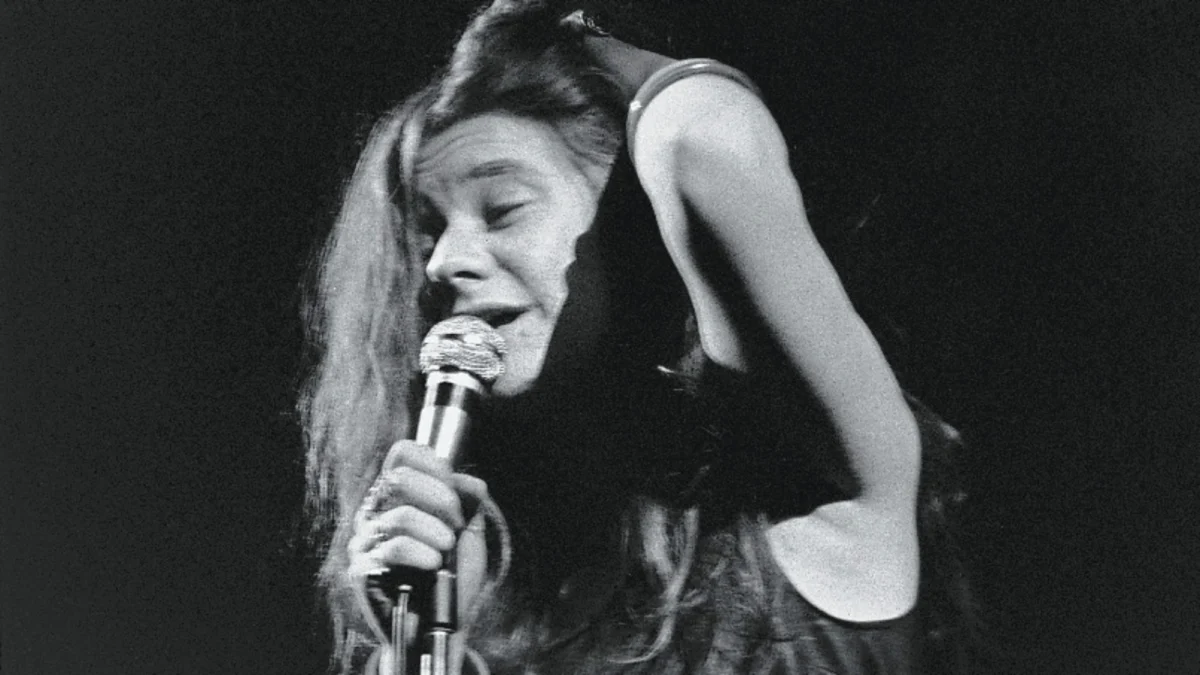
The Cultural Landscape of the 1960s Rock Revolution
To understand the impact of these vocalists, one must consider the historical context of the mid-to-late 1960s. The decade was characterized by significant social upheaval, including the Civil Rights Movement, the Vietnam War, and the rise of the counterculture. As the "British Invasion" of 1964 matured and the psychedelic "Summer of Love" of 1967 took hold, the demand for music that reflected the complexity of the human experience grew. Audiences were no longer satisfied with the three-minute pop singles that dominated the early 1960s; they sought music that was immersive and emotionally authentic.
This shift allowed for the rise of vocalists who prioritized emotional intensity over traditional "correctness" in singing. The introduction of FM radio, which played longer, more experimental tracks, provided a platform for these artists to showcase their range and depth. By the end of the decade, the rock vocalist had evolved from a front-man entertainer into a shamanic figure, a transition exemplified by the three artists profiled here.
Janis Joplin: The Soul of the Counterculture
Janis Joplin’s ascent to fame began in the late 1960s, primarily through her association with Big Brother and the Holding Company. Her performance at the Monterey Pop Festival in 1967 is often cited as a watershed moment in rock history. Joplin brought a level of grit and vulnerability to the stage that was previously unheard of in female rock vocalists. Her style was deeply rooted in the blues and soul traditions of artists like Bessie Smith and Big Mama Thornton, yet she fused these influences with the high-decibel energy of psychedelic rock.
Joplin’s voice was frequently described as "banshee-like," characterized by a raspy, gravelly texture that could transition into a powerful, soul-shaking scream. Her 1971 posthumous hit, "Me and Bobby McGee," written by Kris Kristofferson, serves as a definitive example of her vocal prowess. The track begins with a relatively subdued, folk-inflected delivery before building into a climactic, improvised finale that showcases her ability to push her vocal cords to their absolute limit.
The impact of Joplin’s vocal style was immediate and profound. According to industry data from the Recording Industry Association of America (RIAA), her album Pearl (1971) has been certified quadruple platinum, testifying to her enduring appeal. Critically, Joplin broke the mold of the female pop star, proving that a woman could be a rock powerhouse without adhering to the era’s rigid standards of femininity. Her legacy is found in the work of subsequent vocalists like Stevie Nicks, Florence Welch, and Melissa Etheridge.
Robert Plant: The Architect of the Hard Rock Tenor
While Led Zeppelin is often associated with the 1970s, the foundation of their sound was laid in the late 1960s. In 1968, Robert Plant joined Jimmy Page, John Paul Jones, and John Bonham to form a group that would revolutionize the blues-rock hybrid. Plant’s vocal style was unlike anything that had preceded it; he possessed a high-tenor range that allowed him to soar over the heavy, distorted guitar riffs of Jimmy Page.
Plant’s vocals were not merely about range but about the "transportive" quality they possessed. In early tracks like "How Many More Times" and "Dazed and Confused" from their 1969 debut album, Plant utilized a technique of "call and response" with Page’s guitar, blurring the lines between human voice and instrument. His ability to deliver both a delicate, folk-inspired croon and a piercing, metallic shriek became the standard for the hard rock and heavy metal vocalists who followed.
The statistical success of Led Zeppelin’s early work underscores Plant’s influence. Their self-titled debut, recorded in just 36 hours of studio time, reached the top 10 on the Billboard 200 and has since been certified 8x Platinum in the United States. Music historians note that Plant’s stage presence—characterized by a blend of androgynous glamour and raw masculinity—redefined the "rock god" archetype. His vocal improvisations, often referred to as "Plantations," added a layer of unpredictability to live performances that made every concert a unique event.
Jim Morrison: The Shamanic Baritone
In stark contrast to the high-register pyrotechnics of Joplin and Plant, Jim Morrison of The Doors offered a baritone delivery that was poetic, brooding, and often unsettling. Morrison’s background in film and literature at UCLA influenced his approach to songwriting and performance. He viewed the rock concert as a theatrical event, a "ritual" designed to "break on through" to a higher state of consciousness.
Morrison’s vocal delivery in "Light My Fire" (1967) illustrates his unique contribution to the era. He did not rely on screaming to convey intensity; instead, he used a smooth, almost spoken-word delivery that was heavy with angst and edge. His lyrics were often surreal and steeped in the imagery of the American West and classical mythology. In "The End," Morrison’s vocal performance becomes a dark, cinematic narrative, pushing the boundaries of what was considered acceptable in popular music.
The Doors’ commercial impact was significant, with their debut self-titled album selling over 20 million copies worldwide. Morrison’s influence extended beyond music into the realm of fashion and philosophy. Despite his short career, which ended with his death in 1971 at the age of 27, he remains a symbol of the dark, intellectual side of the 1960s rock movement. Contemporary critics, such as those from Rolling Stone, have consistently ranked Morrison as one of the greatest singers of all time, citing his ability to command an audience with minimal vocal ornamentation.
Chronology of Influence: 1964–1971
The timeline of these three vocalists represents the peak of the 1960s rock evolution:
- 1964: The Animals hit No. 1 with "The House of the Rising Sun," a track that inspired Bob Dylan to go electric and signaled a shift toward a more serious, blues-based rock sound.
- 1965: The Doors are formed in Los Angeles, blending jazz, blues, and poetic lyricism.
- 1967: The "Summer of Love." Janis Joplin stuns audiences at the Monterey Pop Festival. The Doors release "Light My Fire," which reaches No. 1 on the Billboard Hot 100.
- 1968: Led Zeppelin is formed from the remnants of The Yardbirds. They begin recording their debut album, which introduces Robert Plant’s high-octave vocals to the world.
- 1969: Led Zeppelin releases their first two albums, solidifying the hard rock sound. Joplin performs at Woodstock, cementing her status as a counterculture icon.
- 1970: Janis Joplin dies of a heroin overdose at age 27, just weeks before the completion of her masterpiece, Pearl.
- 1971: Jim Morrison dies in Paris at age 27. Led Zeppelin releases Led Zeppelin IV, featuring "Stairway to Heaven," which would become the most requested song in FM radio history.
Comparative Analysis and Industry Implications
The diversity of sound represented by Joplin, Plant, and Morrison highlights the 1960s as a period of unprecedented experimentation. While Joplin utilized the "overdrive" of her vocal cords to convey pain, Plant used the high-frequency "belt" to convey power, and Morrison used the "resonance" of his lower register to convey mystery.
This era marked the professionalization of the "rock vocal" as a distinct discipline. Prior to the late 1960s, vocalists were often trained in the tradition of crooners or musical theater. The emergence of these three artists forced vocal coaches and industry professionals to recognize "distorted" or "extreme" vocals as legitimate artistic expressions. This has had long-term implications for the music industry, leading to the development of vocal health protocols for rock singers who perform high-intensity sets night after night.
Furthermore, the "27 Club"—the tragic coincidence of Joplin, Morrison, and other icons like Jimi Hendrix dying at age 27—had a sobering effect on the industry. It sparked a broader conversation about the pressures of fame, substance abuse, and the need for mental health support within the music business, a dialogue that continues to this day.
Broader Impact on Modern Music
The legacy of Joplin, Plant, and Morrison is not confined to the history books; it is woven into the fabric of contemporary music. The "raw emotion" cited in the original text has become a prerequisite for rock authenticity. Modern genres such as grunge, alternative rock, and even certain branches of pop owe a debt to the vocal innovations of the 1960s.
Janis Joplin’s uninhibited style paved the way for the "riot grrrl" movement and the expressive vocalists of the 1990s. Robert Plant’s range set the standard for every arena rock singer from Freddie Mercury to Axl Rose. Jim Morrison’s poetic baritone can be heard in the DNA of post-punk and gothic rock vocalists like Ian Curtis and Nick Cave.
In conclusion, the 1960s were a unique period where the convergence of social change, technological advancement in recording, and the arrival of singular talents created a "perfect storm" for vocal innovation. Janis Joplin, Robert Plant, and Jim Morrison did not just provide the soundtrack for a decade; they redefined the human voice’s capacity to communicate the deepest facets of the human condition. Their contributions remain unmatched in their diversity and power, serving as a permanent benchmark for excellence in the rock genre.
