

The 1980s represented a pivotal era in the evolution of popular music, characterized by the convergence of high-gloss production, the rise of music television, and a shift toward deeply emotive, stadium-ready anthems known as power ballads. Within this landscape, the breakup song emerged as a dominant commercial and cultural force, providing a soundtrack for the collective experience of loss and romantic dissolution. These compositions were not merely commercial products; they were sophisticated arrangements that blended the technological advancements of the decade—such as gated reverb and digital synthesizers—with the raw, timeless tradition of the torch song. By examining the structural mechanics, historical context, and commercial trajectories of iconic tracks by Laura Branigan, Naked Eyes, ABBA, and Whitney Houston, one can discern the profound influence the 1980s had on the modern musical lexicon of heartbreak.
The Songwriting Genesis of Michael Bolton and the Success of Laura Branigan
In 1983, the landscape of adult contemporary music was significantly altered by the release of "How Am I Supposed To Live Without You," performed by Laura Branigan. While Branigan was already a established star following the success of "Gloria," this track served as a critical milestone for both the performer and the songwriter, Michael Bolton. Co-written with Doug James, the song exemplifies the "slow-burn" balladry that would define the mid-80s.
The narrative of the song focuses on the moment of realization—the "ego death" that occurs when an individual learns their former partner has moved on to a new relationship. Structurally, the song relies on a crescendo of vocal intensity, a hallmark of Branigan’s style. Historically, the track was originally intended for Air Supply, but after Arista Records’ Clive Davis declined the song for the group, Branigan seized the opportunity. Her version peaked at number 12 on the Billboard Hot 100 and spent three weeks at number one on the Adult Contemporary chart.
The song’s longevity was further solidified when Michael Bolton recorded his own version in 1989 for his album Soul Provider. Bolton’s rendition reached number one on the Billboard Hot 100 in early 1990, effectively bridging the gap between 80s power pop and 90s soul-inflected balladry. The dual success of the song highlights a significant industry trend of the era: the "songwriter-performer" crossover, where a hit could sustain multiple lives across different genres and decades.
The Transformation of the 1960s Classic into a Synth-Pop Anthem
While many 1980s breakup songs were original compositions, the decade was also defined by its ability to repurpose the past through modern technology. A primary example is Naked Eyes’ 1983 cover of "(There’s) Always Something There To Remind Me." Originally composed by the legendary songwriting duo Burt Bacharach and Hal David in the 1960s, the song had been a hit for Lou Johnson and Sandie Shaw. However, the British duo Naked Eyes reimagined the track for a new generation by stripping away the orchestral arrangements of the 60s and replacing them with stark, atmospheric synthesizers.
The use of the Fairlight CMI synthesizer and the inclusion of a distinct bell-chime motif gave the song a haunting, clinical quality that mirrored the psychological phenomenon of "environmental triggers" in grief. The lyrics describe the inability to escape the memory of a lover because of the physical world—cafes, streets, and common sights. This version peaked at number eight on the Billboard Hot 100 in the summer of 1983.
Musicologists often point to this track as a masterclass in the "New Wave" approach to heartbreak. Unlike the grandiosity of the power ballad, Naked Eyes utilized a mid-tempo, rhythmic structure that suggested a sense of persistent, unyielding anxiety. This stylistic choice reflected the broader 1980s fascination with the intersection of human emotion and machine-driven sound, a theme that resonated deeply with the youth culture of the time.
ABBA and the Finality of Marital Dissolution in The Winner Takes It All
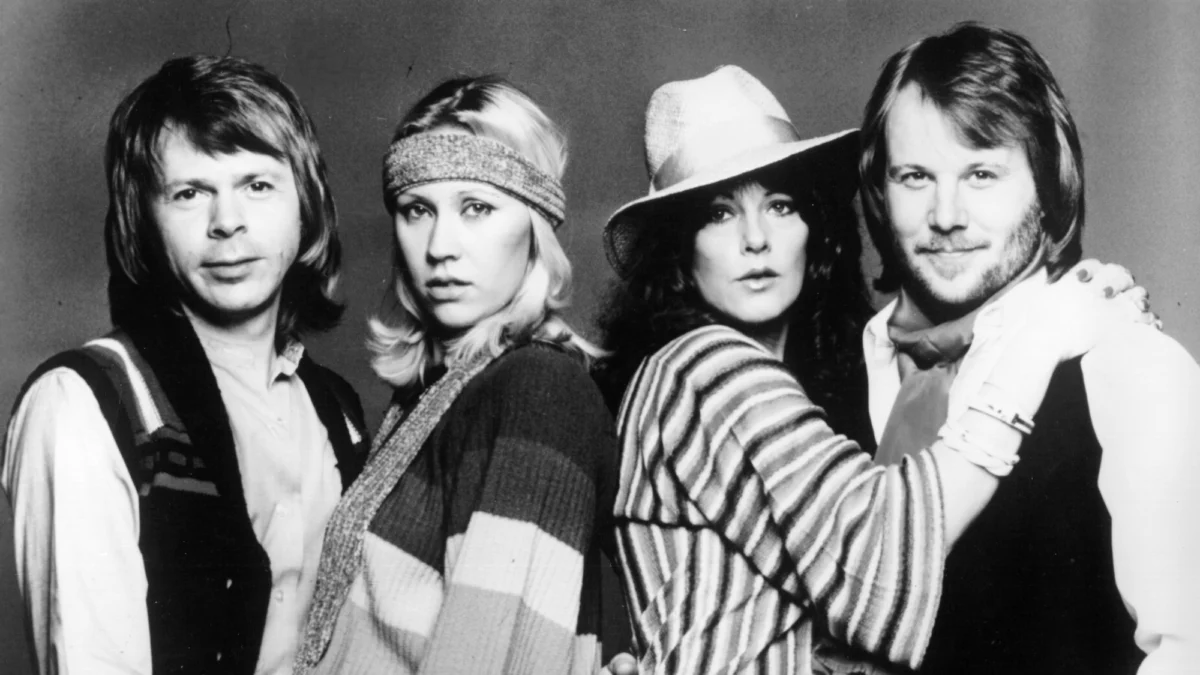
Perhaps no song in the 1980s canon carries as much biographical weight as ABBA’s 1980 masterpiece, "The Winner Takes It All." Recorded during the sessions for the album Super Trouper, the song was written by Björn Ulvaeus and Benny Andersson shortly after the divorce of Ulvaeus and the band’s lead vocalist, Agnetha Fältskog. Although Ulvaeus has frequently maintained that the song is "90 percent fiction," the public perception has always been one of raw, documented reality.
The song is unique for its lack of a traditional chorus-verse-chorus structure, opting instead for a continuous, cascading series of verses that mirror the relentless nature of a legal and emotional separation. Fältskog’s vocal performance is widely regarded as one of the finest in pop history, moving from a whisper to a desperate, belting climax.
Data from the era underscores the song’s massive impact: it reached number one in the United Kingdom, Belgium, Ireland, the Netherlands, and South Africa, and hit the top 10 in the United States. In a 1999 poll for Channel 4, it was voted Britain’s favorite ABBA song, and in 2010, it was voted the UK’s favorite breakup song in a poll conducted by PRS for Music. The song’s inclusion in the Mamma Mia! musical and subsequent film franchise has ensured its continued relevance, introducing the complexities of 1980s European pop to a 21st-century audience.
Whitney Houston and the Perfection of the Adult Contemporary Ballad
By the late 1980s, the production of the breakup ballad had reached a state of technical perfection, embodied by Whitney Houston’s "Didn’t We Almost Have It All." Released in 1987 as the second single from her diamond-certified second album, Whitney, the song was written by Michael Masser and Will Jennings. At this stage in her career, Houston was a global phenomenon, and the track became her fifth consecutive number-one single on the Billboard Hot 100—a feat that cemented her status as the preeminent vocalist of her generation.
"Didn’t We Almost Have It All" explores the theme of "the one that got away," emphasizing the nobility of the effort despite the eventual failure of the relationship. The song’s production is quintessential late-80s: lush orchestration, a prominent acoustic piano, and a slow-building tempo that allows for maximum vocal exhibitionism.
Industry analysts note that Houston’s success with this track signaled a shift in the market. The song appealed to a broad demographic, bridging the gap between R&B, pop, and adult contemporary audiences. The lyrical content, which focuses on the "ride" being "worth the fall," offered a more optimistic, reflective take on heartbreak compared to the more cynical or devastated tones of earlier decade hits. This "prestige balladry" set the standard for the 1990s divas, including Celine Dion and Mariah Carey.
Technical Innovations and the Sound of 80s Sorrow
The emotional resonance of these songs was not solely the result of lyrics or vocal performances; it was deeply tied to the technical innovations of the 1980s recording studio. The decade saw the birth of "The Big Sound," a production philosophy that utilized space and artificial depth to create an epic feel.
- Gated Reverb: Popularized by Phil Collins and producer Hugh Padgham, this drum sound—characterized by a sharp, powerful snare hit that is abruptly cut off—became a staple in 80s ballads. It provided a sense of "empty space" that complemented the themes of loneliness and isolation.
- Digital Synthesis: Instruments like the Yamaha DX7 and the Roland Juno-60 allowed producers to create "glassy" or "icy" textures. In breakup songs, these sounds often represented the coldness of a departed lover or the sterility of a life lived alone.
- The Power Bridge: The 1980s perfected the "bridge"—the section of the song that provides a lyrical and melodic shift before the final chorus. In breakup ballads, the bridge often served as the emotional breaking point, usually featuring a key change (modulation) that raised the stakes of the performance.
Broader Impact and the Legacy of the 80s Breakup Song
The legacy of the 1980s breakup ballad extends far beyond nostalgia. In the current digital streaming era, these tracks continue to generate significant revenue and social media engagement. For instance, ABBA’s "The Winner Takes It All" and Whitney Houston’s catalog see consistent spikes in listenership during seasonal shifts and cultural moments, such as the release of biographical films or viral TikTok trends.
Furthermore, the "confessional" style of songwriting seen in the 80s laid the groundwork for modern artists like Adele and Taylor Swift. The concept of the "divorce album" or the "breakup anthem" as a major commercial event was refined during this period. The 1980s proved that heartbreak was not just a private experience but a shared, communal event that could be monetized and celebrated through high-art pop production.
As the music industry continues to evolve, the structural integrity of these 80s classics remains a benchmark for quality. They represent a period where the "craft" of songwriting—melody, harmony, and lyrical narrative—was prioritized alongside the "glamour" of the burgeoning video age. Whether through the synth-driven melancholy of Naked Eyes or the operatic grief of ABBA, the 1980s ensured that the world would always have a sophisticated way to say goodbye.
