


The pursuit of a GRAMMY Award is a highly competitive endeavor within the music industry, demanding not only exceptional artistry but also a sophisticated marketing strategy. As the industry gears up for the 69th Annual GRAMMY Awards season, music professionals and artists are increasingly focused on "For Your Consideration" (FYC) advertising campaigns. These targeted initiatives are crucial for raising an artist’s profile within the Recording Academy’s esteemed membership, thereby influencing nomination ballots and ultimately, award outcomes. This strategic approach diverges significantly from standard release marketing, which aims to capture the attention of the broader fan base, by focusing exclusively on the eligible voting members of the Recording Academy. Understanding the nuances of FYC campaigns, including optimal timing, permissible content, and effective execution, is paramount for any artist or label seeking to maximize their chances of recognition on music’s most prestigious stage.
The Crucial Timeline for GRAMMY Consideration
The GRAMMY Awards season operates on a strict calendar, and strategic FYC marketing must align precisely with key voting periods. The Recording Academy designates specific windows for both the nomination and final voting rounds, and effective campaigns are strategically deployed across these phases.
Phase 1: Pre-Nomination Campaign (August 10, 2026 – October 22, 2026)
The initial and arguably most critical phase for FYC advertising takes place in the lead-up to and during the first-round voting period. This is when Recording Academy members cast their ballots to determine the nominees for the 69th Annual GRAMMY Awards. The first-round voting is scheduled to commence on October 12, 2026, and conclude on October 22, 2026.

During this period, music companies and independent artists initiate comprehensive FYC campaigns, utilizing both digital and print platforms. The objective is to ensure that potential nominees remain top-of-mind for the voting members. This requires a consistent and compelling presence across industry publications, online music news outlets, and direct outreach to Academy members. The goal is to build awareness and cultivate a favorable perception of the artist’s work among those who will be making the initial nomination selections. Early and sustained visibility is key to embedding an artist’s name and their significant contributions into the consciousness of voters before they cast their ballots.
Phase 2: Post-Nomination Campaign (November 16, 2026 – January 7, 2027)
Following the announcement of nominations on November 16, 2026, a second, equally important phase of FYC marketing commences. This period is reserved for those artists and recordings that have successfully secured a nomination. The focus shifts from securing a nomination to winning the award itself. The final round of voting, which determines the ultimate GRAMMY winners, will take place from December 10, 2026, to January 7, 2027.
Artists who have been nominated can leverage this time to further solidify their candidacy. FYC advertising during this phase aims to remind voters of the merits of the nominated work and encourage them to select it for the win. This can involve highlighting critical acclaim, commercial success, or the artistic significance of the nominated project. The ceremony celebrating the winners of the 69th Annual GRAMMY Awards is scheduled for February 7, 2027.
Understanding the Recording Academy’s Guidelines: The Do’s and Don’ts of FYC Advertising
The Recording Academy maintains strict guidelines to ensure the integrity and fairness of the GRAMMY Awards process. These regulations govern all aspects of FYC communications, dictating what can and cannot be included in promotional materials. Adherence to these rules is not merely a suggestion but a requirement for any campaign seeking to be considered.
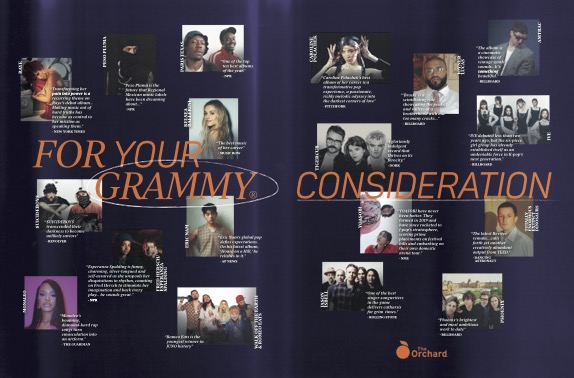
Permissible FYC Communications:
Recording Academy guidelines permit a range of content designed to inform voters about an artist’s eligibility and the merits of their work. These typically include:
- Artist and Album Information: Clearly stating the artist’s name, the title of the work (album, song, music video, etc.), and the specific categories for which they are seeking consideration.
- Critical Acclaim and Reviews: Incorporating positive quotes from reputable music critics, publications, or established music industry professionals. This can lend credibility and highlight the artistic merit of the work.
- Awards and Nominations: Mentioning any previous GRAMMY nominations or wins, as well as accolades from other prestigious music industry awards. This demonstrates a track record of recognition.
- Chart Performance and Sales Data: Including verifiable data related to chart positions on recognized music charts (e.g., Billboard, Official Charts Company) and sales figures, where relevant and permissible.
- Music Video Information: For music video categories, details about the director, producer, and any significant creative contributions are usually allowed.
- Album Credits: Listing key personnel involved in the creation of the nominated work, such as producers, songwriters, engineers, and featured artists.
- Genre Classification: Specifying the genre or subgenre of the music to help voters place it within the appropriate categories.
- General Statements of Merit: Phrases such as "Consider this artist for…" or "Nominate this album for…" are standard.
Prohibited FYC Communications:
Conversely, the Recording Academy strictly prohibits certain types of content that could be perceived as unduly influencing voters or misrepresenting the artist’s achievements. These restrictions are in place to maintain a level playing field and ensure that nominations and awards are based on artistic merit. Prohibited content includes:
- Direct Appeals for Votes: Language that explicitly asks or implores Academy members to vote for a specific artist or recording is forbidden. The campaign should inform and persuade through highlighting merit, not through direct solicitation.
- False or Misleading Claims: Any statements that are factually inaccurate or designed to deceive voters about the artist’s accomplishments, sales figures, or critical reception are strictly prohibited.
- Comparisons to Other Artists: Directly comparing the nominated work or artist to competitors is not allowed. FYC campaigns should focus solely on the merits of the submission.
- Promises of Future Benefits: Offering any incentives, gifts, or future considerations to voters in exchange for their vote is a serious violation of the guidelines.
- Use of GRAMMY Name or Logo Without Authorization: While "For Your Consideration" is a recognized term within the industry, unauthorized or improper use of the official GRAMMY logo or name in a way that implies endorsement or official status beyond the context of the FYC campaign is forbidden.
- Campaigning Outside Official Channels: Engaging in unauthorized promotional activities or seeking endorsements from individuals who are not eligible to vote or are not recognized industry figures can be problematic.
- Gratitude Beyond the Campaign: While expressing thanks is natural, using the FYC campaign as a primary vehicle for expressing gratitude that could be misconstrued as an indirect appeal or attempt to curry favor is to be avoided.
Historical Context and Strategic Evolution of FYC Campaigns
The concept of "For Your Consideration" campaigns has evolved significantly over the decades, mirroring the broader changes in music marketing and the music industry itself. Initially, these efforts might have been more informal, relying heavily on industry connections and traditional print advertising in trade publications. However, as the music landscape has become more fragmented and competitive, FYC campaigns have become more sophisticated, data-driven, and multi-faceted.
The rise of digital media has revolutionized FYC efforts. Targeted online advertising, social media engagement, and the creation of dedicated FYC websites allow for more precise outreach to Academy members. Digital platforms enable the sharing of high-quality audio and video content, detailed liner notes, and direct links to streaming services, making it easier for voters to experience the nominated work. Furthermore, data analytics can help identify which members are engaging with the content, allowing for more refined campaign adjustments.

The GRAMMY Awards, established in 1959, have always been a benchmark for musical excellence. The Recording Academy, comprising musicians, producers, engineers, and other music professionals, has a vested interest in maintaining the credibility of its awards. This has led to a continuous refinement of its rules and guidelines, with FYC advertising being a key area of focus to prevent undue influence and ensure a fair selection process. The growth of the independent music sector has also contributed to the increasing importance of FYC campaigns, as emerging artists and labels often lack the extensive marketing budgets of major record companies and must rely on strategic and targeted efforts to gain visibility.
The Orchard’s Approach: Exemplary FYC Marketing in Action
The Orchard, a global music distribution and artist services company, has consistently demonstrated a nuanced understanding of effective FYC marketing. Their approach, as evidenced by past campaigns, prioritizes clarity, compliance, and compelling presentation. By providing concrete examples of successful FYC advertisements, The Orchard offers valuable insights into how to navigate the Recording Academy’s guidelines while maximizing an artist’s visibility.
Past campaigns from The Orchard showcase a commitment to adhering strictly to the Recording Academy’s stipulations. Advertisements typically feature clean design, direct messaging, and an emphasis on the artistic achievements of the nominated works. For instance, an FYC ad might prominently display the artist’s name, the album title, and the specific GRAMMY categories for consideration. It would likely include a brief, impactful quote from a respected music publication or a concise summary of the album’s critical reception. The inclusion of relevant credits and genre classification further assists voters in evaluating the submission.
The visual elements of these campaigns are also carefully considered. High-quality artwork, professional photography of the artist, and a clear, readable font contribute to a polished and credible presentation. The focus remains squarely on the artistry and impact of the music, without resorting to hyperbole or prohibited persuasive tactics. This adherence to established best practices not only ensures compliance but also projects professionalism and respect for the GRAMMY Awards process, which can resonate positively with Recording Academy members. By providing these examples, The Orchard aims to equip artists and their teams with a clear roadmap for developing their own effective and compliant FYC campaigns.

Analysis and Broader Impact on the Music Ecosystem
The significance of effective FYC marketing extends beyond the immediate goal of securing nominations and awards. For artists, a well-executed campaign can significantly elevate their profile within the music industry, leading to increased media attention, touring opportunities, and potential collaborations. A GRAMMY nomination or win can serve as a powerful endorsement, validating an artist’s talent and hard work on a global scale. This recognition can translate into tangible career advancements and long-term success.
For record labels and distribution companies like The Orchard, successful FYC campaigns are a testament to their ability to identify and support artist talent, as well as their strategic marketing acumen. It reinforces their position as valuable partners in an artist’s career development. The competitive nature of FYC advertising also fosters innovation in music marketing, pushing the boundaries of creative strategy and digital outreach within the industry.
From an industry perspective, the rigorous guidelines surrounding FYC campaigns are essential for preserving the integrity and prestige of the GRAMMY Awards. By ensuring that the selection process is based on artistic merit and informed consideration rather than overt campaigning or undue influence, the Recording Academy upholds its commitment to recognizing excellence in music. This, in turn, benefits the entire music ecosystem by celebrating and promoting high-quality artistic achievements, inspiring future generations of musicians and music creators. The strategic deployment of FYC campaigns, therefore, is not merely a promotional tactic but an integral component of the artistic recognition and career trajectory within the contemporary music industry.
